Art Glossary
A comprehensive glossary of art terms, techniques, movements, and materials. From chiaroscuro to creative coding, find clear definitions for every art concept.
A
Abstract Expressionism: Gesture, Field, and the New York School (1940s-1950s)
Abstract Expressionism made New York the center of the art world. From Pollock's drip paintings to Rothko's color fields, learn how gesture and scale changed painting forever.
Acrylic Painting: Fast-Drying Synthetic Polymer Paint
Acrylic painting uses synthetic polymer emulsion as a binder. Learn how Pollock, Rothko, and Hockney adopted a mid-20th-century medium that dries in minutes and resists water.
Aesthetic Experience: The Subjective Encounter With Art (Kant, Dewey)
Aesthetic experience is the subjective encounter with art that produces pleasure, meaning, and emotional response. From Kant to Dewey to neuroscience, learn the theory.
African Art (Traditional): Masks, Sculpture, and the Cultural Meaning Behind the Object
Traditional African art encompasses masks, sculpture, and ritual objects from across the continent. Learn about Dogon, Yoruba, Benin, and Nok traditions and their meaning.
Alla Prima: Wet-on-Wet, Single-Session Painting
Alla prima is wet-on-wet painting completed in a single session. From Frans Hals to Monet to Sargent, learn the history and technique of direct painting.
Ancient Egyptian Art: 3,000 Years of Rules, Symbols, and Permanence
Ancient Egyptian art spanned 3,000 years with remarkably stable rules of proportion and symbolism. Learn the canon, the function, and what to look for in Egyptian art.
Appraisal: Professional Valuation of Artwork and How It Works
An appraisal is a documented, defensible opinion of an artwork's value for a stated purpose. Learn about USPAP standards, types of value, the IRS Art Advisory Panel, and what it costs.
Aquatint: Etching Tonal Washes With Resin and Acid
Aquatint is an etching technique that produces tonal areas using powdered resin and acid. From Goya's Caprichos to modern printmakers, learn how it works.
Armature: The Internal Skeleton That Holds Sculpture Together
An armature is the internal support structure for sculpture, made of wire, rods, or pipes. From Verrocchio to Degas, learn how sculptors use hidden skeletons.
Art Deco: Glamour, Geometry, and the Style of Modernity (1920-1940)
Art Deco combined luxury materials with geometric forms to define the look of the 1920s and 1930s. Learn how it shaped skyscrapers, jewelry, and design.
Art Fair: The Commercial Event Where the Art Market Convenes
An art fair is a commercial event where galleries rent booths to sell work. From Art Basel to Frieze, learn how fairs became the art market's central marketplace.
Arte Povera: Worthless Materials and the Reclamation of Reality (1966-1972)
Arte Povera used rags, lead, earth, and neon to fight consumerism. From Jannis Kounellis to Mario Merz, learn how Italy's radical movement changed sculpture.
Artist's Proof: The Print Outside the Numbered Edition
An artist's proof is a print pulled outside the numbered edition, traditionally reserved for the artist. From Picasso and Mourlot to today's 10 percent rule, learn how APs work.
Artists' Books: Books Made as Artworks, From Ed Ruscha to the Postbook Age
Artists' books are books made as artworks themselves. Learn their history from Ed Ruscha's Twentysix Gasoline Stations to 3D-printed bookworks in 2026.
Arts and Crafts Movement: Ruskin, Morris, and the Dignity of Handmade Art (1880-1920)
The Arts and Crafts Movement rejected industrial mass production and championed handmade craftsmanship. From Ruskin's theories to Morris's wallpapers, learn how it reshaped design.
Attribution: Assigning a Work of Art to a Specific Artist
Attribution is the process of determining which artist made a work. From Morelli's connoisseurship to AI analysis of El Greco and Rubens, learn how scholars assign authorship.
Auction House: The Company That Sells Art to the Highest Bidder
An auction house is a company that facilitates public art sales through competitive bidding. From Christie's (1766) to Sotheby's, learn how auctions shape the art market.
Authenticity: Verifying That a Work of Art Is Genuine
Authenticity means a work of art is genuinely by the attributed artist. From forgery scandals to AI authentication, learn how the art world verifies what is real and what is not.
Automatism: Unconscious Mark-Making in Surrealism and Beyond
Automatism is art made without conscious control, letting the unconscious guide the hand. From Andre Masson's automatic drawings to Pollock's drip paintings, learn how it works.
B
Baroque: Drama, Light, and the Art of the Counter-Reformation (1600-1750)
Baroque art used dramatic light, emotional intensity, and movement to serve the Catholic Church and absolute monarchs. Learn how Caravaggio, Bernini, and Rembrandt shaped the era.
Binder: The Substance That Holds Pigment Together and Makes Paint Stick
A binder is the substance that holds pigment particles together and adheres them to a surface. From animal glue to linseed oil to acrylic, learn binder history and types.
Blue Chip Art: The Market's Most Established, Most Expensive Names
Blue chip art is work by artists with decades of proven auction results, museum backing, and major gallery representation. From Picasso to Warhol, learn what makes art blue chip.
Body Art: The Body as Canvas, Medium, and Subject
Body art uses the human body as canvas, medium, or subject. Learn its history from Yves Klein to Marina Abramovic, key artists, and defining works.
Bone Black (Ivory Black): The Charred-Bone Pigment That Painted the Shadows
Bone black, or ivory black, is a carbon pigment made from charred animal bones. Used since antiquity, it remains one of the oldest and most enduring black pigments in art.
Bronze: The Copper-Tin Alloy That Defined Sculpture for 5,000 Years
Bronze is a copper-tin alloy used for casting sculpture since 3000 BCE. From the Riace Warriors to Rodin, bronze has been the premier metal for figurative sculpture.
Brush: The Painter's Tool, From Paleolithic Reeds to Modern Synthetic Fibers
The artist's brush applies paint to surface. Learn brush types (round, flat, filbert, fan), hair types (hog, sable, synthetic), and the history from ancient Egypt to today.
C
Cadmium Colors: The Vibrant Pigments That Revolutionized the 19th Century Palette
Cadmium pigments produce the most vibrant yellows, oranges, and reds in painting. Learn their history from 1818 to today, why they degrade, and how artists from Van Gogh to Pollock used them.
Calligraphy: The Art of Beautiful Writing Across Cultures
Calligraphy is the art of expressive writing across Chinese, Japanese, Islamic, and Western traditions. Learn its history, key practitioners, and modern revival.
Camaieu: Painting in a Single Color With Variations of Tone
Camaieu is painting in shades of a single color other than gray. From ancient Pompeii to Renaissance palaces to porcelain decoration, learn this monochrome technique.
Canon of Proportions: Ideal Human Measurement From Vitruvius to Leonardo
The canon of proportions is a system of ideal human measurements. From Polykleitos's Doryphoros to Leonardo's Vitruvian Man, learn how artists defined the perfect body.
Canvas Panel: Canvas Mounted on Rigid Board for Portable Painting
A canvas panel is primed canvas glued to a rigid backing like MDF or hardboard. Learn its history from Impressionist plein air studies to modern mass-produced panels.
Canvas: The Woven Fabric That Became the World's Painting Surface
Canvas is the woven fabric surface used for oil and acrylic painting. Learn its history from 15th-century Venice to modern cotton duck, types, weights, and how to choose canvas.
Carbon Black: The Pigment From Fire That Made Painting Possible
Carbon black is the pigment from burnt organic matter, used in cave paintings for 40,000 years. Learn its history, types from charcoal to lamp black, and how artists used it.
Carving: The Subtractive Art of Sculpting From Solid Stone, Wood, and Ivory
Carving is subtractive sculpting from solid materials like stone, wood, and ivory. Learn its history from prehistory to Michelangelo and how it works.
Casein: Milk Protein-Based Paint From Ancient Egypt to Modern Illustration
Casein is paint made from milk protein, used since ancient Egypt. Learn how Klimt, Warhol, and Native American artists used a fast-drying medium that dries hard and matte.
Catalogue Raisonne: The Complete Record of an Artist's Life Work
A catalogue raisonne is a comprehensive annotated listing of every known work by an artist. From print volumes to digital platforms like Access O'Keeffe, learn how they work.
Certificate of Authenticity: The Artwork's Identity Card and Its Limits
A certificate of authenticity verifies a work's origin, medium, and authorship. From paper documents to digital verification, learn what a credible COA contains and why it matters.
Chalk: Natural Earth Pigments From Renaissance Drawings to Three-Crayon Technique
Chalk is a soft drawing material made from natural minerals: black shale, red iron oxide, and white calcite. Learn how Leonardo, Michelangelo, and Watteau used chalk and the trois crayons technique.
Charcoal: Carbon Drawing From Cave Walls to Contemporary Studios
Charcoal is burnt organic matter used for drawing since prehistory. Learn vine vs compressed charcoal, techniques from blending to fixative, and artists from Da Vinci to Kathe Kollwitz.
Chine-colle: Pressing Thin Paper Into Prints for Delicate Detail and Color
Chine-colle bonds thin paper to a heavier support during printing, adding color and texture. Learn its history, technique, and use by Matisse and Redon.
Clay: The Oldest Sculptural Material, From Earthenware to Porcelain
Clay is the primary modeling material for sculpture, fired into earthenware, stoneware, and porcelain. Used for over 30,000 years, it remains the most versatile and accessible sculptural medium.
Cold Pressed Paper (Not): The Versatile Surface Most Watercolorists Choose
Cold pressed paper is watercolor paper with a lightly textured surface, the most popular choice for watercolor. Learn how it works, its history, and why 80% of painters prefer it.
Color Field Painting: Large Areas of Flat Color as Subject
Color Field painting uses large expanses of flat color as the subject itself. Learn how Rothko, Newman, and Still pioneered this Abstract Expressionist style.
Commission (Art): Custom Work Requested and Paid For by a Buyer
An art commission is a custom artwork requested and paid for by a buyer. From Renaissance patrons to contemporary practice, learn how commissions work and what they involve.
Composite Photography: Combining Multiple Images Into a Single Frame
Composite photography merges multiple negatives or digital images into one picture. From Rejlander to Photoshop, learn how this technique shaped art and propaganda.
Concrete Poetry: When Words Become Images and Space Becomes Meaning
Concrete poetry uses visual layout as part of meaning. Learn its history from Mallarme through the Noigandres group to Augusto de Campos, key works, and how it shapes digital art today.
Contact Print: Making Prints with Negative Directly Touching Paper
A contact print is a photographic print made with the negative directly touching the paper. Learn how it works, its history, and why large-format photographers still prize it.
Contact Sheet: The Photographer's Editing Tool From the Darkroom to the Archive
A contact sheet is a print of all negatives from a roll of film, used for editing and selection. From LIFE magazine to Peter Hujar's archive, learn its history and purpose.
Conté Crayon: The Hard Pastel That Survived a Blockade
Conté crayons are compressed graphite or charcoal mixed with clay, invented in 1795 during the Napoleonic Wars. Learn how Seurat used them and why artists still choose them over soft pastels.
Contour Drawing: The Line That Describes Form
Contour drawing is the technique of rendering a subject entirely through its outlines, capturing form and volume without shading. From Picasso to Matisse, learn how it works.
Cross Hatching: Overlapping Line Sets for Darker Values and Deeper Form
Cross hatching is the drawing technique of overlapping sets of parallel lines to build darker values. From Durer to Rembrandt, learn how it creates tone and form.
Curator: The Person Who Chooses What You See
A curator selects, organizes, and interprets artworks for exhibitions. From Harald Szeemann's radical shows to today's biennial curators, learn how this role shapes art history.
D
Dadaism: Anti-Art, Nonsense, and the Movement That Rejected Everything (1916-1924)
Dadaism rejected art itself. From Zurich's Cabaret Voltaire to Duchamp's readymades, learn how a movement built on nonsense changed modern art forever.
Data Art: Art Made From Datasets and Information Visualization
Data art transforms datasets into visual art, from Ryoji Ikeda to Refik Anadol. Learn its history, key artists, and how data became an artistic medium.
De Stijl: Primary Colors, Pure Abstraction, and the Universal Visual Language (1917-1931)
De Stijl reduced art to horizontal and vertical lines and primary colors. Learn how Mondrian and van Doesburg built a universal visual language.
Decadent Movement: Artifice Over Nature in the Late 19th Century
The Decadent Movement prized artifice, excess, and decay over nature and morality. Learn how Huysmans, Moreau, Beardsley, and Wilde defined fin de siècle decadence.
Degenerate Art (Entartete Kunst): The Nazi Campaign Against Modernism (1933-1945)
Degenerate Art was the Nazi label for modern art they deemed corrupt. Learn how the 1937 Munich exhibition weaponized 700 works and why scholars say it could happen again.
Dematerialization: When Art Stopped Being an Object (Lippard, 1966-1972)
Dematerialization describes the shift from physical art object to concept. From Lippard's 1968 essay to LeWitt's wall drawings, learn how art became idea.
Digital Photography: Electronic Sensor-Based Photography From 1975 to AI
Digital photography captures images on electronic sensors instead of film. Learn how the medium evolved from a 0.01-megapixel prototype in 1975 to computational photography and AI.
Doodle Art: Spontaneous Drawing From Marginalia to Zentangle and Mandala Doodles
Doodle art is spontaneous, often meditative drawing that ranges from notebook margins to structured Zentangle and mandala patterns. Learn its history and practice.
Drypoint: The Scratched Plate and the Velvety Line
Drypoint is an intaglio print made by scratching a metal plate with a needle. The burr creates a rich, velvety line that wears out fast. Learn how Rembrandt used it.
Dutch Golden Age: Rembrandt, Vermeer, and the Art of Everyday Life (1580-1670)
The Dutch Golden Age (1580-1670) produced Rembrandt, Vermeer, and a revolution in genre painting, landscape, and still life. Learn how Protestant Holland reshaped what art could depict.
E
Early Renaissance: Florence and the Birth of Perspective (1400-1490)
The Early Renaissance in Florence (1400-1490) introduced linear perspective, anatomical realism, and classical humanism through Masaccio, Donatello, Brunelleschi, and Botticelli.
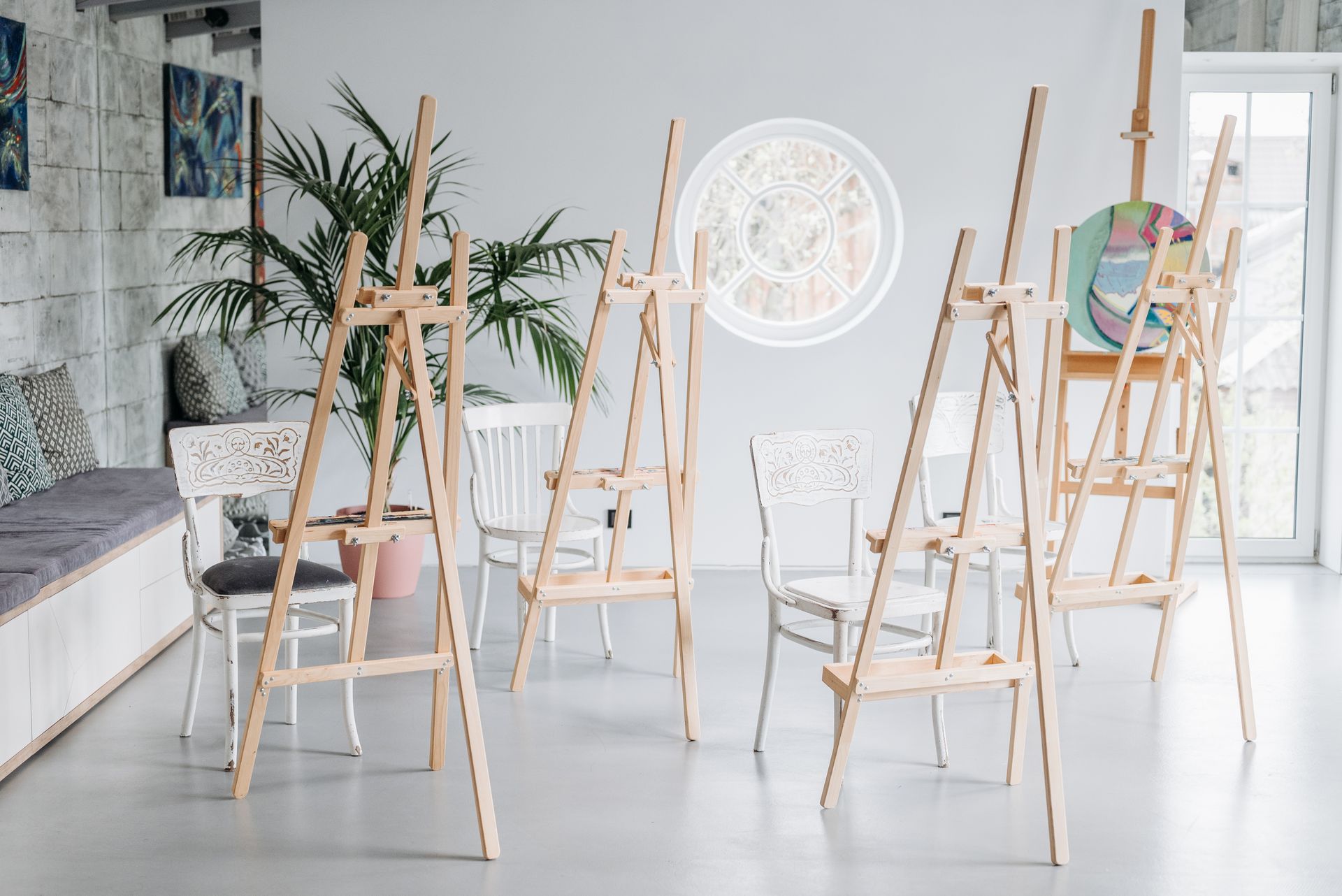
Easel: The Artist's Stand, From Ancient Egypt to the Studio Today
The easel is the upright support that holds a painting while the artist works. Learn its history from ancient Egypt to modern studio designs, types, and how to choose one.
Edition: The Set of Identical Prints From a Single Plate or Screen
An edition is a fixed set of identical prints pulled from a single plate, screen, or digital file. From Rembrandt to Ai Weiwei, learn how editions work and why numbering matters.
Emerging Artist: What the Term Means in 2026 and Why It No Longer Means Young
An emerging artist is an early-career artist gaining recognition but not yet established. In 2026, the term is about market proof, not age. Learn who counts and why it matters.
Encaustic: Hot Wax Painting From Ancient Egypt to Modern Art
Encaustic is painting with pigmented hot beeswax, an ancient technique used for Egyptian mummy portraits. Learn how the Fayum painters and Jasper Johns used molten wax as paint.
Endurance Art: Performance That Tests the Limits of the Body and Time
Endurance art is performance that tests physical and mental limits. Learn its history from Chris Burden and Tehching Hsieh to Marina Abramovic, key works, and contemporary practice in 2026.
Engraving: The Burin, the Copper Plate, and the Art of the Carved Line
Engraving is an intaglio print made by carving lines directly into a metal plate with a burin. From Schongauer to Durer to Goya, learn how it shaped printmaking.
Environmental Art: Art Addressing Ecology, Nature, and the Land
Environmental art addresses ecological themes or is made with nature. Learn its history from Smithson to Goldsworthy, key artists, and how it tackles climate change.
Etching: Acid, Metal, and the Print That Changed Art
Etching is an intaglio print made by drawing through wax on a metal plate and bathing it in acid. Learn how Rembrandt, Goya, and Whistler used it to transform printmaking.
Expressionism: Raw Emotion, Distortion, and Painting the Inner World (1905-1925)
Expressionism is painting that distorts reality to express inner feeling. From Munch's Scream to Kirchner's Berlin streets, learn how it shaped modern art.
F
Fauvism: Pure Color as Subject, Matisse, and the Wild Beasts (1905-1908)
Fauvism was the first avant-garde movement of the 20th century, where color became the subject. Learn how Matisse and Derain used pure pigment to change painting.
Fayum Portraits: Greco-Roman Egyptian Funerary Painting (1st-3rd Century CE)
Fayum portraits are the oldest portrait tradition in art history. Learn how Greco-Roman painters in Roman Egypt captured real faces using encaustic and tempera on wooden panels.
Fine Art Photography: The Camera as Brush, From Stieglitz to Sugimoto
Fine art photography uses the camera as an expressive tool, not a recording device. From Stieglitz and Weston to Sugimoto and Sherman, learn what makes a photograph art.
Fixative: The Spray That Keeps Drawings From Smudging
Fixative is a spray applied over charcoal, pastel, and pencil drawings to prevent smudging. From Loriot's 18th-century secret to modern acrylic sprays, learn its history.
Fluxus: Anti-Art, Intermedia, and the End of the Artwork (1960s-1970s)
Fluxus dissolved the boundary between art and everyday life. From George Maciunas to Yoko Ono, learn how a collective of misfits changed what art could be.
Foreshortening: Compressing Depth for Perspective Effect
Foreshortening compresses objects along the line of sight to create perspective depth. Learn how Mantegna, Michelangelo, and Caravaggio used this technique.
Formalism in Art: Form Over Content From Bell to Greenberg
Formalism judges art by its visual form, not its content or context. From Clive Bell's significant form to Greenberg's medium specificity, learn how this approach shaped modern art criticism.
Found Object (Objet Trouvé): How Everyday Things Became Art
A found object is an everyday item an artist selects and presents as art. Learn the history of objet trouvé from Duchamp's Fountain to Tracey Emin's My Bed.
Fractal Art: Mathematical Art Using Fractal Algorithms
Fractal art uses mathematical algorithms to create self-similar patterns. Learn its history from Benoit Mandelbrot to contemporary artists, tools, and techniques.
Futurism: Speed, Machines, and the Art of the Modern World (1909-1944)
Futurism glorified speed, machines, and the destruction of the past. From Marinetti's manifesto to Boccioni's sculpture, learn how it shaped modern art.
G
Gallerist: The Dealer Who Builds Careers, Not Just Sells Art
A gallerist owns and operates a commercial gallery, representing artists and building their careers. Learn what gallerists do, from Peggy Guggenheim to today's independent dealers.
Gallery (Commercial): The Business That Sells Art by Representing Artists
A commercial gallery is a business that represents artists and sells their work. From Gagosian to small project spaces, learn how galleries function in the art market.
Gesso: The Primer That Prepares Every Painting Surface
Gesso is the white primer applied before painting to seal and prepare the surface. Learn its history from medieval gypsum grounds to modern acrylic gesso and how to use it.
Girih Tiles: The Islamic Geometric Tiling System That Preceded Penrose by 500 Years
Girih tiles are the Islamic geometric tiling system that produced quasi-crystalline patterns centuries before Western mathematics. Learn their history and significance.
Glitch Art: The Aesthetic Use of Digital Errors and System Failures
Glitch art turns digital errors into artistic material. Learn how artists from Rosa Menkman to contemporary practitioners use corrupted data, codec failures, and AI hallucinations.
Golden Ratio: The Mathematical Proportion in Art and Composition (1:1.618)
The golden ratio is approximately 1:1.618, a proportion used in art and architecture for millennia. From the Parthenon to Le Corbusier, learn what research says about its aesthetic power.
Gothic Art: Cathedrals, Stained Glass, and the Architecture of Light (1150-1500)
Gothic art (1150-1500) produced the great cathedrals of Europe, stained glass, and illuminated manuscripts. Learn how pointed arches and flying buttresses changed art.
Gouache: Opaque Watercolor With a Matte Finish
Gouache is opaque watercolor made with heavier pigment and chalk filler. Learn how Durer, Goya, and Matisse used a medium that lets you paint light over dark on paper.
Graphite: The Carbon Medium That Defined Modern Drawing
Graphite is a crystalline carbon used for drawing since the 1500s. Learn graphite grades from 9H to 9B, its Borrowdale origins, and how artists use it today.
Ground: The Preparatory Layer Between Support and Paint
The ground is the preparatory layer applied to a painting support before painting. From medieval gesso to modern acrylic primer, learn its history, types, and function.
H
Happening: 1950s-60s Performance Events That Blurred Art and Life
Happenings were performance events coined by Allan Kaprow in 1958 that blurred the line between art and life. Learn their history, key artists, and legacy.
Hard-Edge Painting: Abrupt Transitions Between Flat Color Areas
Hard-edge painting features abrupt transitions between flat color areas. Learn how Frank Stella, Ellsworth Kelly, and California painters defined this style.
Hatching: Parallel Lines for Value and Shading in Drawing
Hatching is the drawing technique of using closely spaced parallel lines to create tonal value. From Durer to Rembrandt, learn how this fundamental technique works.
High Renaissance: Leonardo, Michelangelo, and the Peak of Classical Art (1490-1527)
The High Renaissance (1490-1527) produced Leonardo's Mona Lisa, Michelangelo's Sistine Chapel, and Raphael's School of Athens. Learn how these masters perfected Renaissance art.
History Painting: The Genre That Ruled the Academy, From Raphael to Picasso
History painting depicts significant human events: battles, myths, biblical scenes. From Raphael to Gericault to Picasso's Guernica, learn the genre that topped the academy.
Hot Pressed Paper: The Smooth Surface for Fine Detail and Botanical Art
Hot pressed paper is watercolor paper pressed through heated rollers for a smooth surface. Learn how it works, its history, and why botanical illustrators and realists prefer it.
Hudson River School: American Wilderness, Thomas Cole, and the First American Art Movement (1825-1870s)
The Hudson River School was America's first art movement, painting wilderness from the Catskills to the Andes. Learn about Thomas Cole, Frederic Church, and Bierstadt.
I
Iconoclasm: The Destruction of Religious Images From Byzantium to the Present
Iconoclasm is the deliberate destruction of religious images. Learn its history from Byzantine emperors to the Reformation and its ongoing impact on art.
Illuminated Manuscripts: Hand-Decorated Texts With Gold From the Medieval World
Illuminated manuscripts are hand-decorated texts with gold leaf from the medieval period. Learn how they were made, from parchment to burnished gold.
Illustration Board: The Rigid Surface for Drawing, Painting, and Plein Air
Illustration board is paper mounted to a rigid backing, creating a warp-resistant surface for drawing and painting. Learn its history, types, and why illustrators and plein air painters use it.
Immersive Art: Art That Surrounds and Engulfs the Viewer
Immersive art surrounds and engulfs the viewer. Learn its history from Allan Kaprow to teamLab and Meow Wolf, key artists, and how it changed the art experience.
Impasto Medium: Additives That Thicken Paint for Texture
Impasto mediums are additives that thicken oil and acrylic paint for visible texture. Learn what they contain, how they work, and how Rembrandt and Van Gogh used them.
Imprimatura: The Toned Ground Applied Before Painting
Imprimatura is a thin toned layer applied to a painting support before painting begins. Learn its history from the Renaissance to Rubens and why it matters.
Indigo: The Blue Gold That Fueled Trade, Slavery, and Revolution
Indigo is a blue dye extracted from plants, prized for 5,000 years as blue gold. Learn its history from ancient India to Mayan blue, its synthesis in 1880, and its role in art.
Ink Wash: Tonal Painting With Diluted Ink
Ink wash is painting with ink diluted in water to create tonal gradations. Learn how Wang Wei, Sesshu Toyo, and contemporary artists use a medium where every stroke is permanent.
Intaglio: The Family of Prints From Incised Lines
Intaglio is the printmaking family where ink sits in recessed lines below the plate surface. From engraving to etching to mezzotint, learn how it works.
Islamic Geometric Art: Pattern, Mathematics, and Sacred Design Across 1,400 Years
Islamic geometric art covers mosques and manuscripts with interlocking stars and polygons built on mathematical principles. Learn how pattern became sacred design.
K
Kirigami: The Japanese Art of Paper Cutting and Folding
Kirigami is the Japanese art of cutting and folding paper to create three-dimensional forms. Learn its history, key practitioners, and engineering applications.
Kitsch: Sentimental, Mass-Produced Art and the Boundary Between Art and Taste
Kitsch is lowbrow, sentimental, mass-produced art that imitates the effects of real art. From Greenberg's critique to Koons to AI art, learn why it still divides.
L
Landscape Painting: Nature as Subject, From Song Dynasty to Contemporary Art
Landscape painting depicts natural scenery as a subject in its own right. From Song Dynasty shanshui to Constable and Turner, learn how nature became art.
Large Format Photography: The View Camera and Sheet Film Tradition
Large format photography uses view cameras and individual sheets of film, 4x5 inches or larger. From Watkins and Adams to 2026's new cameras, learn the tradition.
Lead White: The Toxic Pigment That Dominated Painting for 2,000 Years
Lead white was the most important white pigment in European painting for two millennia. Learn its history, why it was so valued, and how its toxicity led to its replacement.
Letterpress: Relief Printing From Movable Type, From Gutenberg to Today
Letterpress is relief printing from movable type, invented by Gutenberg in 1440. Learn its history, technique, and contemporary revival in fine art printing.
Lightfastness: Why Some Pigments Survive Centuries and Others Vanish in Months
Lightfastness measures how well a pigment resists fading under light. Learn how the Blue Wool scale, ASTM ratings, and microfade testing protect art from irreversible color loss.
Limited Edition: Fixed Numbers, Scarcity, and the Economics of Prints
A limited edition is a fixed number of prints produced from a single matrix, numbered and signed by the artist. Learn how editions work, why scarcity matters, and what collectors should know.
Line: The Foundational Element of Visual Art, From Cave Walls to Op Art
Line is a point in motion, the most basic element of visual art. From cave drawings to Picasso's contour drawings, learn how line works and why it matters.
Linocut: Relief Printing From Carved Linoleum
Linocut is relief printmaking from carved linoleum, cheaper and easier than woodcut. Learn its history from 1905 to Picasso's reduction technique and today.
Linseed Oil: The Binder That Made Oil Painting Possible
Linseed oil is the drying oil that binds pigment in oil paint. From Van Eyck to Rembrandt to modern conservation science, learn how it works and why it matters.
Lithography: Drawing on Stone With Oil and Water
Lithography prints from a flat stone using the resistance between oil and water. From Senefelder to Daumier to Toulouse-Lautrec, learn how it transformed printmaking.
Long Exposure: Extended Shutter Time for Motion Effects
Long exposure photography uses extended shutter speeds to blur moving elements while keeping stationary elements sharp. Learn its history from Daguerre to contemporary practice.
M
Magic Realism: Everyday Scenes with Impossible Elements in Post-Expressionist Art
Magic Realism began as a German art term in 1925. Learn how Franz Roh's concept of mystery hiding behind the ordinary spread from painting to Latin American literature and beyond.
Mahl Stick: The Painter's Support Stick for a Steady Hand
A mahl stick is a padded stick that steadies a painter's hand while working on detail. Learn its history from 16th-century studios to Vermeer and why some painters still use one.
Mandala: The Sacred Geometric Diagram in Buddhist and Hindu Art
A mandala is a sacred geometric diagram representing the cosmos in Buddhist and Hindu art. From the Sri Yantra to the Kalachakra sand mandala, learn its symbolism, structure, and meaning.
Mandorla: The Almond-Shaped Halo That Surrounds the Divine
A mandorla is an almond-shaped halo enclosing the entire body of Christ or the Virgin Mary. Learn its Byzantine origins, its role in Romanesque art, and its theological meaning.
Mannerism: The Art of Distortion After the High Renaissance (1520-1600)
Mannerism (1520-1600) rejected Renaissance harmony for elongated figures, twisted poses, and artificial colors. Learn how Pontormo, Bronzino, and El Greco pushed art past classical balance.
Maquette: The Scale Model That Bridges Sculptor's Idea and Final Work
A maquette is a scale model for a sculpture or architectural project. From Rodin's Burghers of Calais to contemporary public art commissions, learn how maquettes shape the final work.
Marble: The Metamorphic Stone That Defined Western Sculpture
Marble is a metamorphic limestone used for sculpture since ancient Greece. Its translucency and workability made it the preferred material for carving from the Parthenon to Michelangelo's David.
Marouflage: Adhering Painted Canvas to Walls and Ceilings
Marouflage is the technique of adhering a painted canvas to a wall or ceiling using adhesive. From Renaissance murals to modern conservation, learn how it works.
Mass in Art: Visual Weight and the Perceived Heaviness of Elements
Mass in art is the perceived visual weight of elements in a composition. Learn how size, color, position, and texture create visual heaviness from Rembrandt to Rothko.
Masterpiece: From Guild Qualification to Universal Superlative
A masterpiece was originally the work a craftsman submitted to a guild to earn the title of master. From medieval guilds to modern museums, learn how the term evolved.
Medium (Painting): The Substance That Changes How Paint Behaves
A painting medium is any substance added to paint to change its properties. From stand oil and dammar to modern alkyd gels, learn how mediums shape oil painting.
Medium Format Photography: 120 Film, Bigger Negatives, and the Balance Between Quality and Portability
Medium format photography uses 120/220 roll film for negatives larger than 35mm but smaller than large format. From Rolleiflex to Hasselblad to 2026's new cameras, learn the format.
Mezzotint: From Darkness to Light on a Roughened Copper Plate
Mezzotint is an intaglio technique that works from dark to light, roughening a copper plate and smoothing areas for tone. Learn its history from von Siegen to today.
Minimalism: Reduction, Repetition, and the Object as It Is (1960s-1970s)
Minimalism stripped art down to geometry, industrial materials, and repetition. From Judd's stacks to Flavin's fluorescent tubes, learn how less became more in the 1960s.
Modeling: The Additive Art of Sculpting With Clay, Wax, and Soft Materials
Modeling is additive sculpting with soft materials like clay and wax. Learn its history, technique, and use from ancient Egypt to Rodin and beyond.
Monotype: The Unique Print From a Painted Plate
Monotype is a printmaking technique that produces a single unique impression from a painted plate. From Castiglione to Degas to Chagall, learn how it works.
Mosaic: Images from Tesserae, From Roman Floors to Byzantine Domes
Mosaic is art made from small pieces of stone, glass, or ceramic set in mortar. From Roman floors to Byzantine domes, learn how mosaic works and who made it.
Motion Graphics: Animated Graphic Design From Saul Bass to the Digital Era
Motion graphics is graphic design set in motion. Learn its history from Saul Bass and John Whitney to After Effects, key artists, and how animation became design.
Mughal Painting: Indian Miniature Tradition, Akbar, Jahangir, and the Imperial Kitabkhana
Mughal painting fused Persian, Indian, and European traditions in the imperial workshops of Akbar and Jahangir. Learn about the Hamzanama, Mansur, and Abu'l-Hasan.
Mummy Brown: The Pigment Made from Ground Egyptian Mummies
Mummy brown was a brown pigment made from ground Egyptian mummies, used by European painters from the 16th to the 19th century. Discontinued in 1964 when the supply of mummies ran out.
N
Naïve Art: Self-Taught, Unschooled, and Unconventionally Brilliant
Naïve Art is made by self-taught artists with no formal training. Learn how Henri Rousseau, Grandma Moses, and Alfred Wallis changed modern art with untrained eyes.
Naples Yellow: The Oldest Synthetic Pigment in Art History (3500 Years)
Naples yellow is lead antimoniate, one of the oldest synthetic pigments known. First used in Egyptian glass around 1500 BCE, it shaped painting from the Renaissance to the 19th century.
Negative Space Drawing: Drawing the Space Around the Subject
Negative space drawing shifts focus from the subject to the shapes around it. Learn its history from Japanese ma to Betty Edwards and how it transforms composition.
Negative Space: The Space Around and Between Subjects in Art
Negative space is the area around and between subjects in an artwork. Learn how Matisse, Escher, and Hokusai used it, from Japanese ma to Gestalt figure-ground.
Neoclassicism: Order, Reason, and the Return to Rome (1760-1840)
Neoclassicism (1760-1840) rejected Rococo excess for classical order, moral virtue, and archaeological accuracy. Learn how David, Ingres, and Canova reshaped art with ancient models.
Neon Art: Gas-Filled Tubes as Sculpture, Light, and Language
Neon art uses electrified gas tubes as a sculptural and light medium. Learn its history from Lucio Fontana to Dan Flavin, Tracey Emin, and contemporary neon sculpture in 2026.
NFT Art: Blockchain-Based Digital Ownership and Its Rise and Fall
NFT art uses blockchain tokens to certify ownership of digital works. Learn how Beeple, CryptoPunks, and Art Blocks created a market that peaked at $6 billion and crashed 95%.
Nihonga: Modern Japanese-Style Painting, Mineral Pigments, and the Invention of Tradition
Nihonga is modern Japanese-style painting using mineral pigments and animal glue. Learn about Yokoyama Taikan, Uemura Shoen, and Higashiyama Kaii.
O
Ochre: The Earth Pigment That Is Older Than Our Species
Ochre is the oldest known pigment, used by humans and Neanderthals for 300,000 years. Learn its history from prehistoric caves to modern painting, how it is made, and why it endures.
Oil Painting: Pigment in Drying Oil, From Van Eyck to the Present
Oil painting is pigment suspended in drying oil, most often linseed. Learn how Van Eyck, Rembrandt, and Monet used the slow-drying medium that dominated European art for 500 years.
Old Master: European Painters of Skill Before 1800
Old Master refers to European painters of exceptional skill who worked before 1800. From Leonardo to Rembrandt to Velazquez, learn what the term means and why it matters.
Open Edition: Prints Without Limits, From Parrish to Print-on-Demand
An open edition is a print run produced without a set limit. From Maxfield Parrish to Ansel Adams to print-on-demand, learn how open editions shaped art distribution and collecting.
Orientalism: Western Depictions of the East, From Ingres to Said
Orientalism is the Western depiction of Eastern cultures. From Ingres' odalisques to Said's critique, learn how Europe painted the East and why it matters today.
P
Paint Tube: The Tin Container That Changed Painting Forever
The collapsible paint tube, patented in 1841, made plein air painting practical. From Rand to Renoir to Monet, learn how a tin tube reshaped art history.
Palette Knife: The Flat Blade That Went From Mixing Tool to Painting Tool
The palette knife is a flat-bladed tool for mixing and applying paint. Learn its history from medieval amassettes to Van Gogh, Courbet, and contemporary impasto painting.
Palette: The Painter's Mixing Surface, From Medieval Boards to Modern Studio Tools
The palette is the flat surface where painters mix colors before applying them. Learn its history, shapes, materials, and how artists from Vermeer to Monet arranged their paints.
Panel (Painting): The Rigid Surface That Predates Canvas by a Thousand Years
A painting panel is a rigid wood or composite surface for painting, the dominant support before canvas. Learn its history from Byzantine icons to modern MDF, types, and how to choose one.
Participatory Art: When the Audience Completes the Work
Participatory art requires the audience to take part in order for the work to exist. Learn its history from Dada to Rirkrit Tiravanija, Marina Abramovic, and relational aesthetics.
Pastel: Pure Pigment Sticks From Leonardo to Degas and Beyond
Pastel is a stick of pure pigment held together with minimal binder. Learn how Degas layered pastels with fixative, how La Tour built portraits in the 18th century, and why pastel blurs drawing and painting.
Pencil: Graphite Drawing From Borrowdale to the Modern HB Scale
The pencil is graphite mixed with clay, encased in wood. Learn pencil grades from 9H to 9B, the history from 1564 Borrowdale graphite to Conté's clay process, and how artists use them.
Performance Art: The Body as Medium, From Kaprow to Abramovic (1960s-Present)
Performance art uses the artist's body as the medium. From Abramovic's endurance tests to Kaprow's Happenings, learn how live action became a visual art form.
Photography as Fine Art: The Camera as Artistic Tool, From Pictorialism to Contemporary Practice
Photography as fine art uses the camera as an artistic tool. From Stieglitz and Pictorialism to Sherman and Sugimoto, learn its history and key artists.
Photogravure: Photographic Images Etched Into Copper Plates and Printed in Ink
Photogravure etches photographic images into copper plates and prints them in ink. Learn its history from Talbot to Stieglitz and why it still matters today.
Photomontage: Composite Photography From Scissors to AI
Photomontage combines multiple photographs into a single composite image. Learn its history from Victorian tricks to Dada and Soviet propaganda to AI image generation in 2026.
Pictorialism: When Photography Tried to Become Painting (1885-1915)
Pictorialism was the movement that fought to make photography a fine art. Learn how Stieglitz, Steichen, and Cameron used soft focus and darkroom craft to rival painting.
Picture Plane: The Imaginary Window That Defines a Painting
The picture plane is the imaginary flat surface of a painting, Alberti's open window. Learn how it shaped Renaissance art and how modern painters broke it open.
Pigment: The Colored Substance That Makes Paint Paint
Pigment is the colored substance used in paint, from prehistoric ochre to synthetic cadmiums. Learn its history, chemistry, types, and why some pigments last centuries.
Planographic Printing: The Flat Surface That Changed Printmaking
Planographic printing prints from a flat surface using chemical separation, not carved depth. From lithography to offset, learn how it works and why it matters.
Plaster: The Casting and Modeling Material That Shaped Sculpture History
Plaster is calcium sulfate used for casting sculpture and making molds since ancient Egypt. From death masks to Renaissance reliefs to Rodin's models, plaster is sculpture's most versatile intermediate.
Plein Air Easel (French Easel): The Portable Studio That Took Painting Outdoors
The plein air easel, or French easel, is a portable box easel with built-in storage that made outdoor painting practical. From the Barbizon School to today, learn its history.
Pop Art: Mass Culture, Comic Strips, and the End of High Art (1950s-1970s)
Pop Art turned soup cans and comic strips into museum pieces. From Warhol's Brillo Boxes to Lichtenstein's Ben-Day dots, learn how mass culture became fine art.
Portrait Photography: The Photographic Portrait From Nadar to Catherine Opie
Portrait photography uses the camera to capture the human face and presence as art. From Nadar and Cameron to Avedon, Arbus, and Opie, learn its history and masters.
Positive Space: The Subject, the Form, and What Fills the Frame
Positive space is the area occupied by the subject in an artwork. From Renaissance portraits to Calder mobiles, learn how artists use it to direct attention and create balance.
Post-Internet Art: Art Aware of Its Existence After the Internet
Post-internet art is art aware of its existence after the internet. Learn its history from Marisa Olson to Jon Rafman, key artists, and how it changed digital art.
Postmodernism: Appropriation, Irony, and the End of Originality (1970s-2000s)
Postmodernism rejected originality and embraced appropriation, irony, and reference. From Sherrie Levine to Cindy Sherman, learn how it challenged modernism's rules.
Pre-Columbian Art: Aztec, Maya, and Inca Visual Culture Before 1492
Pre-Columbian art spans 3,000 years of Indigenous visual culture across the Americas. Learn about Maya ceramics, Aztec sculpture, Inca textiles, and the science of color.
Pre-Raphaelite Brotherhood: Medieval Revival and Naturalism in Victorian Art (1848-1850s)
The Pre-Raphaelite Brotherhood rejected academic painting and revived medieval honesty, intense color, and naturalistic detail. From Rossetti to Millais to Burne-Jones, learn how it worked.
Process Art: The Movement That Made the Act of Creation the Artwork Itself (1960s-1970s)
Process Art rejected finished objects for the act of making. Learn how Robert Morris, Eva Hesse, and Richard Serra used felt, latex, and lead to make art about materials and time.
Projection Mapping: Projecting Video Onto 3D Surfaces and Architecture
Projection mapping projects video onto three-dimensional surfaces, turning buildings into screens. Learn its history, key artists like Refik Anadol, and how it works.
Proportion in Art: Size Relationships from Ancient Egypt to the Renaissance and Beyond
Proportion in art is the size relationship between elements. Learn about the Egyptian canon, Polykleitos, Vitruvian Man, the golden ratio, and how artists use proportion.
Provenance: The Ownership History of an Artwork and Why It Matters
Provenance is the documented ownership history of an artwork. From Nazi-loot restitution to museum authentication, learn how provenance shapes the art world.
R
Rag Paper: Cotton-Based Paper That Lasts for Centuries
Rag paper is paper made from cotton or linen rags, valued for its archival quality and strength. Learn its history from medieval China to modern watercolor paper and why it outlasts wood pulp.
Raster Art: Pixel-Based Graphics From the First Digital Image to AI Upscaling
Raster art stores images as grids of pixels. Learn its history from Russell Kirsch's 1957 scan to AI upscaling and Texel Splatting for 3D pixel art in 2026.
Readymade: How Duchamp Turned a Urinal Into One of the Most Influential Artworks Ever Made
The readymade is an ordinary object an artist designates as art. From Duchamp's Fountain to 1964 multiples, learn how this idea reshaped 20th-century art.
Red Chalk (Sanguine): Iron Oxide Drawing From Leonardo to Watteau
Red chalk, or sanguine, is an iron oxide drawing material used since the Renaissance. Learn how Leonardo invented red-on-red, how Watteau mastered trois crayons, and why this warm medium dominated 18th-century drawing.
Regionalism: American Rural Art in the 1930s (Wood, Benton, Curry)
American Regionalism rejected European modernism for the heartland. Learn how Grant Wood, Thomas Hart Benton, and John Steuart Curry painted rural America during the Depression.
Relief Printing: The Raised Surface That Started Printmaking
Relief printing is the oldest printmaking family, printing from a raised surface. From woodcuts to linocuts to Japanese mokuhanga, learn how it works.
Renaissance: The Rebirth of Art, Perspective, and Humanism (1400-1600)
The Renaissance transformed Western art from 1400 to 1600 through linear perspective, humanism, and classical revival. Learn how Masaccio, Leonardo, Michelangelo, and Raphael reshaped painting.
Rendering (3D): Generating Images From 3D Models, From Rasterization to Real-Time Path Tracing
3D rendering converts 3D models into 2D images. Learn its history from rasterization to path tracing, and how Capcom and NVIDIA brought real-time path tracing to games in 2026.
Roman Art: Engineering, Realism, and the Greek Inheritance
Roman art combined Greek idealism with unprecedented engineering and unflinching portraiture. Learn how Rome built on Greek art and created something distinctly its own.
Romanesque Art: Stone Vaults, Carved Tympanums, and the Monastic Boom (1000-1150)
Romanesque art (1000-1150) produced massive stone churches, carved tympanums, and illuminated manuscripts across Europe. Learn its architecture, sculpture, and key works.
Romanticism: Emotion, Nature, and the Revolt Against Reason (1780-1850)
Romanticism was the 19th-century revolt against Enlightenment reason that made emotion, nature, and individual experience the center of art. From Friedrich to Delacroix to Goya.
Rough Paper: The Heavily Textured Surface for Expressive Watercolor
Rough paper is watercolor paper with the heaviest texture, left to dry with minimal pressing. Learn how it creates dramatic granulation, its history, and why landscape painters prefer it.
Rule of Thirds: The Compositional Guideline That Divides the Frame
The rule of thirds divides the frame into nine equal rectangles and places key elements along the lines or intersections. Learn its history, how artists use it, and what research says.
S
Sacred Geometry: Geometric Patterns With Spiritual and Cosmic Significance
Sacred geometry ascribes spiritual meaning to geometric shapes and proportions. Learn its history from Egyptian temples to Islamic mosques and Gothic cathedrals.
Salon des Refuses: The 1863 Exhibition That Changed Art History
The Salon des Refuses of 1863 exhibited works rejected by the Paris Salon jury. Manet, Whistler, and Cezanne showed there. Learn how it launched modern art.
Sap Green: The Buckthorn Berry Pigment That Faded from the Palette
Sap green is a yellow-green pigment made from buckthorn berries, used in medieval manuscripts and 18th-century watercolors. Its poor lightfastness led to its replacement by modern pigment mixtures.
Saturation: Color Intensity, Purity, and the Power of Chroma
Saturation is the intensity or purity of a color. From Matisse's red to Whistler's muted nocturnes, learn how saturation controls attention, mood, and space in art.
Screen Printing: Stencil, Mesh, and the Art of Serigraphy
Screen printing pushes ink through a mesh screen onto paper or fabric. From Warhol's Marilyn to protest posters, learn how serigraphy became a fine art medium.
Sculpture: Three-Dimensional Art From Marble to 3D Printing
Sculpture is three-dimensional art made by carving, modeling, casting, or assembling. From Michelangelo's David to contemporary installation, learn its history and methods.
Self-Portrait: The Artist as Subject, From Durer to Cindy Sherman
A self-portrait is an artist's depiction of themselves. From Durer's Christ-like self-image to Rembrandt's aging face, learn how painters became their own subjects.
Sfumato: Gradual Blending With No Visible Lines
Sfumato is Leonardo da Vinci's technique of gradual tonal blending with no visible lines. Learn how he used it in the Mona Lisa and Virgin of the Rocks.
Shader: The Programs That Determine How 3D Surfaces Look
Shaders are programs that control how 3D surfaces appear under light. Learn their history from RenderMan to WebGPU TSL, and how neural shaders and DLSS 5 are reshaping rendering in 2026.
Shape: The Two-Dimensional Building Block of Visual Art
Shape is a flat area surrounded by edges or outline. From Mondrian's geometric grids to Matisse's organic cut-outs, learn how shape works in art.
Sizing: The Sealant Layer That Protects Canvas and Paper From Oil
Sizing is the sealant applied to canvas or paper before gesso or ground to prevent oil penetration. Learn the history of rabbit skin glue sizing and why PVA size replaced it.
Solarization: Partial Image Reversal in Photography
Solarization is the partial reversal of photographic tones caused by re-exposing a developing image to light. Learn its history from Sabatier to Man Ray and Lee Miller.
Solvent: The Liquid That Thins and Cleans Paint
Solvents thin paint, dissolve resins, and clean brushes. From turpentine to mineral spirits to citrus solvents, learn the history and science of painting solvents.
Sound Art: Sound as Primary Medium in Contemporary Art
Sound art uses sound as its primary medium, from Max Neuhaus to Christina Kubisch. Learn its history, key artists, and how sound became a gallery art form.
Stereoscopy: 3D Images From Paired Photographs, 1838 to VR
Stereoscopy creates 3D images using paired photographs. Learn its history from Wheatstone's 1838 stereoscope to Victorian card views to VR and AI-driven 3D conversion in 2026.
Storyboarding: Sequential Drawing for Film and Animation Pre-Production
Storyboarding is sequential drawing for film and animation pre-production. Learn its history from Disney to the AI storyboarding controversy of 2026.
Street Photography: Candid Moments in Public, From Cartier-Bresson to Gilden
Street photography is candid photography in public spaces. From Cartier-Bresson's decisive moment to Bruce Gilden's flash confrontations, learn its history, ethics, and practice.
Stump (Tortillon): The Rolled Paper Tool That Blends Drawing Media
A stump, or tortillon, is a rolled paper tool used to blend charcoal, graphite, and pastel. Learn the difference between stumps and tortillons, how to use them, and why they give artists precise control over tonal transitions.
Sumi-e: Japanese Ink Wash Painting With Brush and Ink
Sumi-e is Japanese ink wash painting using black ink, brush, and paper. Learn its history from Chinese origins through Sesshu to contemporary mindfulness practice.
Support: The Physical Surface Every Painting Is Made On
The support is the physical surface a painting is made on, from wood panels to canvas to copper. Learn its history, types, and why it matters for conservation.
Suprematism: Pure Geometric Abstraction and the Supremacy of Feeling (1913-1930s)
Suprematism was Malevich's radical movement of pure geometric abstraction. From Black Square to White on White, learn how it stripped painting down to nothing but shape and color.
Surrealism: The Subconscious, Dreams, and Painting the Impossible (1924-1966)
Surrealism explored the unconscious through dreams, automatism, and impossible images. From Dali's melting clocks to Magritte's pipe, learn how it shaped art.
Sustainable Art: Art Made With Environmental Responsibility
Sustainable art is made with environmental responsibility in materials and process. Learn its history, key artists, and how circular economy principles shape it.
T
Tempera: Egg-Based Paint, the Pre-Oil Standard
Tempera is paint made with egg yolk as a binder, the dominant medium in European painting before oil. Learn how Botticelli, Fra Angelico, and Andrew Wyeth used this ancient technique.
Tenebrism: Extreme Darkness With Shafts of Light
Tenebrism is Caravaggio's extreme chiaroscuro, where darkness dominates and light cuts through like a spotlight. Learn its history, artists, and how to spot it.
Terracotta: Fired Clay Sculpture from Ancient Greece to Canova
Terracotta is fired unglazed clay, used for sculpture from the Nok culture to Renaissance Italy. Its versatility and affordability made it the most widely used sculptural medium in history.
Texture: The Surface Quality of Art, From Sfumato to Impasto
Texture in art is the perceived surface quality of a work. From Van Gogh's impasto to Michelangelo's polished marble, learn how texture works.
The Decisive Moment: Cartier-Bresson's Concept of Perfect Timing
The decisive moment is Henri Cartier-Bresson's concept of capturing the instant when form and meaning align. Learn its history, its masterworks, and its relevance in 2026.
The Sublime: Overwhelming Awe Beyond Beauty (Burke, Kant, Friedrich)
The sublime is the aesthetic experience of overwhelming magnitude or power that produces awe mixed with terror. From Burke to Kant to Friedrich, learn the concept.
Titanium White: The Modern Pigment That Replaced Lead
Titanium white is the most opaque white pigment ever made, replacing lead white in the 20th century. Learn its history, how it changed painting, and why it matters for dating art.
Tonal Drawing: Light and Shadow Masses Without Line
Tonal drawing builds form from patches of light and shadow rather than lines. Learn its history from Leonardo to Velazquez and how it differs from linear drawing.
Tooth: The Surface Roughness That Grabs Pigment and Holds It
Tooth is the surface roughness of paper, canvas, or panel that grips pigment. Learn why pastelists, watercolorists, and oil painters depend on tooth for adhesion and layering.
Turpentine: The Painter's Solvent From Pine Resin to Modern Alternatives
Turpentine is the traditional solvent distilled from pine resin, used to thin oil paint and clean brushes. From Old Masters to modern safer alternatives, learn its history.
U
Ukiyo-e: Japanese Woodblock Prints, the Floating World, Hokusai and Hiroshige
Ukiyo-e are Japanese woodblock prints depicting the floating world of Edo. Learn how Hokusai, Hiroshige, and Kuniyoshi shaped a mass medium that changed Western art.
Ultramarine: The Blue From Lapis Lazuli That Once Rivaled Gold
Ultramarine is the deep blue pigment ground from lapis lazuli, once worth more than gold. Learn its history, how artists used it, and why synthetic versions changed painting.
V
Varnish: The Protective Coating That Defines a Painting's Surface
Varnish is the transparent coating applied over finished paintings to protect and saturate the surface. From mastic to dammar to synthetic resins, learn its history.
Vehicle: The Liquid That Carries Pigment and Makes Paint Possible
The vehicle is the liquid that carries pigment in paint, combining binder and solvent. From linseed oil to gum arabic to acrylic polymer, learn how vehicles define paint types.
Vermilion: The Brilliant, Toxic Red From Cinnabar
Vermilion is the brilliant red pigment made from cinnabar, a mercury ore mined for 9,000 years. Learn its history, toxicity, and how artists from Pompeii to Rothko used it.
Video Game Art: Games as Artistic Expression, From Pong to Museum Galleries
Video game art treats games as artistic expression. Learn how museums from the Barbican to Tokyo now exhibit games as art, with Capcom and MoMA leading the way.
Vienna Secession: Klimt, the Academy, and the Birth of Modern Austrian Art (1897-1905)
The Vienna Secession broke from the academy to create a new modern art. From Klimt's Beethoven Frieze to the Secession Building, learn how it reshaped Vienna's art world.
Visionary Art: Painting From Inner Experience and Spiritual Vision
Visionary art depicts spiritual, mystical, and inner experiences rather than the physical world. From William Blake to Alex Grey, learn its history, artists, and techniques.
Visual Literacy: The Ability to Read Images and Why It Matters
Visual literacy is the ability to interpret, evaluate, and create meaning from visual information. From art history to AI images, learn why it matters in 2026.
Visual Music: Art Translating Sound Into Visual Form
Visual music translates sound into visual form. Learn its history from color organs to Oskar Fischinger, key artists, and how it evolved through digital technology.
W
Warm Colors: Reds, Oranges, Yellows and the Illusion of Heat
Warm colors are reds, oranges, and yellows. From Turner's sunsets to Matisse's red interiors, learn how warm colors advance, energize, and command attention in art.
Washi: Japanese Paper Made From Kozo, Mitsumata, and Gampi Fibers
Washi is traditional Japanese paper handmade from kozo, mitsumata, and gampi fibers. Learn its thousand-year history, how it is made, its role in art and conservation, and why it lasts.
Watercolor Paper: The Surface That Makes Watercolor Possible
Watercolor paper is thick, absorbent paper designed for water media. Learn its history, cotton vs. wood pulp fibers, weights from 90 lb to 300 lb, and how to choose the right surface.
Watercolor: Transparent Water-Based Paint on Paper
Watercolor is transparent paint made of pigment and gum arabic, applied with water on paper. Learn how Durer, Turner, and Homer used a medium that rewards directness and punishes hesitation.
Wax: The Sculptor's Modeling Material and Casting Intermediate
Wax is a modeling material and casting intermediate used in sculpture since ancient Greece. From lost-wax casting to anatomical models to death masks, wax has shaped art for 2,500 years.
Wearable Art: Art Designed to Be Worn, From Craft to Gallery
Wearable art is art designed to be worn. Learn its history from the Arts and Crafts movement to the World of WearableArt, key artists, and how it differs from fashion.
Wet-on-Wet: Painting Into Wet Paint Before It Dries
Wet-on-wet is painting into still-wet paint so colors blend on the surface. Learn how oil paint's slow drying made this technique central to alla prima and plein air.
Wood Engraving: Fine Relief Printing From End-Grain Boxwood Blocks
Wood engraving is fine relief printing from end-grain boxwood, developed by Thomas Bewick in the 18th century. Learn its history, technique, and key artists.
Woodcut: Relief Printing From Carved Wood Blocks
Woodcut is the oldest printmaking technique, carving images into wood blocks for relief printing. Learn its history from China to Durer to Hokusai's ukiyo-e.
Why an Art Glossary?
Art has always had a language problem. Walk into any gallery and you will hear terms like chiaroscuro, impasto, sfumato, and pentimento thrown around as if everyone knows what they mean. Most people do not. They nod along, afraid to ask, and miss half of what the painting is actually doing.
This glossary exists to fix that. Every entry is written in plain English with real examples: specific paintings, specific artists, specific dates. When we explain plein air, we point you to Monet working beside the Seine in 1873, not a generic definition copied from a dictionary. When we cover creative coding, we start with Casey Reas and Ben Fry at MIT in 2001, not a vague paragraph about "art and technology."
The terms here span centuries and disciplines. You will find Renaissance techniques sitting next to digital art movements, printmaking terminology next to motion graphics concepts. That mix is intentional. Art does not stay in neat historical boxes, and neither does the vocabulary we use to talk about it. A painter working today might need to understand glazing just as much as a 3D animator needs to know what kinetic typography means.
Each definition is a starting point, not a finish line. We write them to be specific enough that you can recognize the technique the next time you see it, but short enough that you can read one in under five minutes. If a term leads you to a painting you had not considered before, or sends you down a rabbit hole about a movement you had never heard of, the glossary is doing its job.
New terms are added regularly. If there is a concept you keep running into but cannot find here, that is a gap we want to fill. The best art terminology does not stay still. It grows as artists invent new ways of working, and the language has to keep up.