
"For much of the past decade, limited edition prints were positioned as an accessible entry point into the art market, a way to own work by major artists without committing to the price, space or risk of an original. That framing now feels outdated. In 2026, the conversation has shifted towards when it makes sense to buy, and under what conditions prints hold or build value," according to Maddox Gallery. The numbers back that shift. "ArtTactic's latest Prints and Multiples report found that the category has grown its share in the auction market by 52 percent between 2015 and 2025," as the Observer reports. "Pace Prints announced in February that it will open an 11,700-square-foot facility in L.A. this fall, strengthening the wave of activity in the prints-and-editions collecting category." "Almine Rech introduced an editions arm and online sales platform in 2020; David Zwirner launched Utopia Editions in 2021; and Hauser & Wirth opened a dedicated editions space on West 18th Street in 2023."
The print market is growing, but the difference between open edition and limited edition prints is still widely misunderstood. "This is what distinguishes a limited edition print from an open edition print, which can be reproduced indefinitely, or a poster, which is a mass-market reproduction with no restriction on quantity. The limitation is not a marketing device. It is a structural commitment made by the artist or studio before a single print is made," according to Abstract House. The difference is not just about scarcity. It is about value, collectibility, and what you are actually buying. This guide covers what open and limited edition prints are, the techniques, edition sizes, artist's proofs, certificates of authenticity, the print market, and what the difference means for buyers. For more on the wider context, see our guide to the complete guide to art movements.
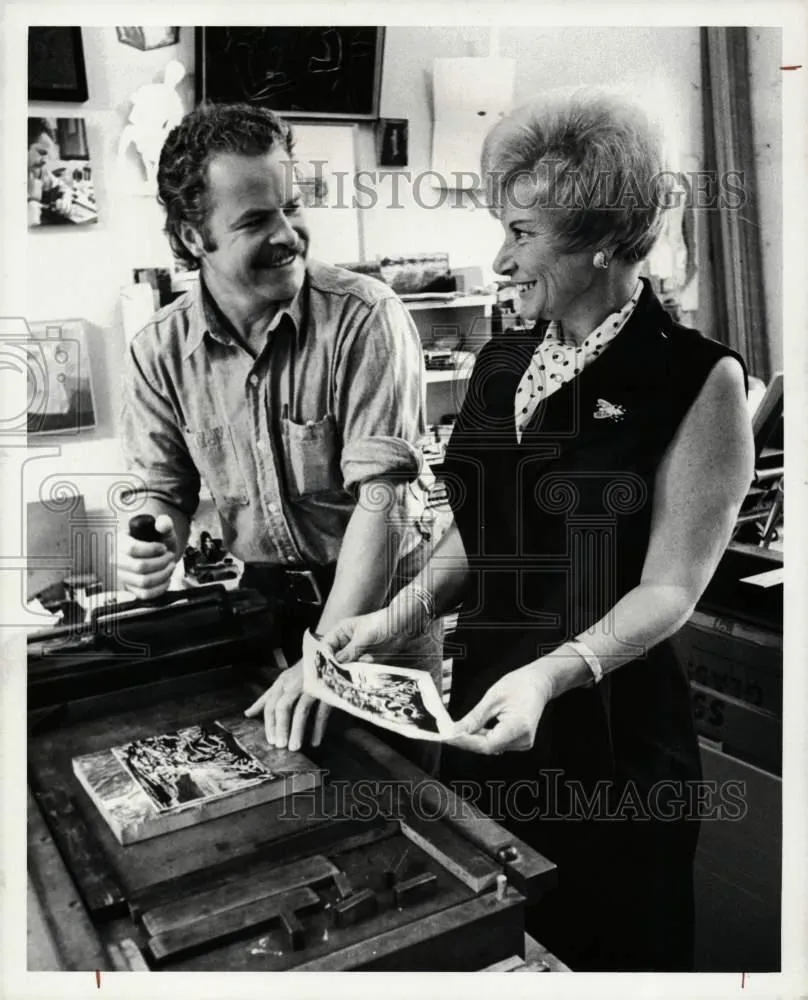
Printmaking studio. "Limited edition prints are artworks produced in a fixed number, authorised by the artist or their estate. Once an edition is complete, no further works are made in that format. Because supply is capped from the outset, scarcity is built in" (Maddox Gallery). "Produced using established techniques such as screenprint, lithograph, etching or high-quality digital processes, they are printed on archival materials designed to withstand time and handling" (Maddox Gallery). Image via Wikimedia Commons
What Are Limited Edition Prints?
"Limited edition prints are artworks produced in a fixed number, authorised by the artist or their estate. Once an edition is complete, no further works are made in that format. Because supply is capped from the outset, scarcity is built in." This is what distinguishes a limited edition print from an open edition print, which can be reproduced indefinitely, or a poster, which is a mass-market reproduction with no restriction on quantity. "The limitation is not a marketing device. It is a structural commitment made by the artist or studio before a single print is made."
The numbering tells you where a print sits in the run. "Typically numbered, for example 12/75, limited edition prints may also be signed by the artist." The first number is the individual print number. The second is the total edition size. A print marked 12/75 is the twelfth of seventy-five. The techniques matter to the value. "Produced using established techniques such as screenprint, lithograph, etching or high-quality digital processes, they are printed on archival materials designed to withstand time and handling." "The printing process itself often becomes an important part of the artwork's identity," as Sotheby's notes. A lithograph pulled from a stone by a master printer is a different object from a digital print, even if the image is similar.
The purpose is collectibility. "Crucially, limited edition prints are created with collectability in mind. They are catalogued, documented and traded internationally, often appearing repeatedly at auction or through private resale. This visibility allows collectors to observe how an edition performs over time." A limited edition is not just an image. It is a tracked, tradable object with a history.
What Are Open Edition Prints?
"Open edition prints can be reproduced unlimited times in various sizes and formats, which usually means they are more affordable and accessible, making them perfect for first-time buyers, as gift, for rental properties and changing decor," as Rachel Painter Artist puts it. Open edition prints are typically much cheaper than limited editions, often $50 to $500, compared to $500 to $50,000 and above for limited editions. They are produced on demand, in multiple sizes, and sold through galleries, online platforms, and museum shops.
Quality is not the dividing line. "Not all open edition prints are created equal though! It's worth reading how and what they are printed on. My prints on canvas are open edition and printed on archival canvas and use archival inks to maintain quality and also shown to last a lifetime." Open edition prints can be high quality, printed on archival paper with archival inks. They lack the scarcity and collectibility of limited editions. The purpose is different. Open edition prints are for enjoyment, not investment. They are for people who want to live with art, to have an image on their wall, without the commitment of collecting. "There isn't such as thing as a 'better' option with art prints. Whichever you prefer, the important thing is that you choose the option that suits your home, desire and needs best." For more on getting started, see our guide to art for beginners.
Edition Sizes: From Micro to Large
Edition size sets supply from the outset, and supply is the foundation of scarcity. Abstract House breaks the ranges down. "Micro-editions (1-10): Rare. Typically reserved for the most significant works or artist's proofs. Command premium prices and attract serious collectors." "Small editions (11-50): The sweet spot for contemporary fine art prints. Exclusive enough to feel meaningful, accessible enough to reach a broader audience." "Mid-range editions (51-150): Appropriate for accessible limited editions with strong commercial demand. Still collectible, but the scarcity proposition is less acute." "Large editions (150+): Approaching open-edition territory for practical purposes. May be offered at lower price points but tend not to appreciate significantly."
"Edition size matters because it sets supply from the outset. While no single number" determines value alone, "smaller editions create more scarcity, which can support appreciation over time." "As more and more editions of a particular print sell, the price of the remaining editions typically rises in response to the increasing scarcity." The sweet spot, 11 to 50, is where scarcity starts to bite and prices can move. Above 150, you are approaching open-edition territory for practical purposes. For more on how scarcity translates into price, see our guide to auction houses and valuation.
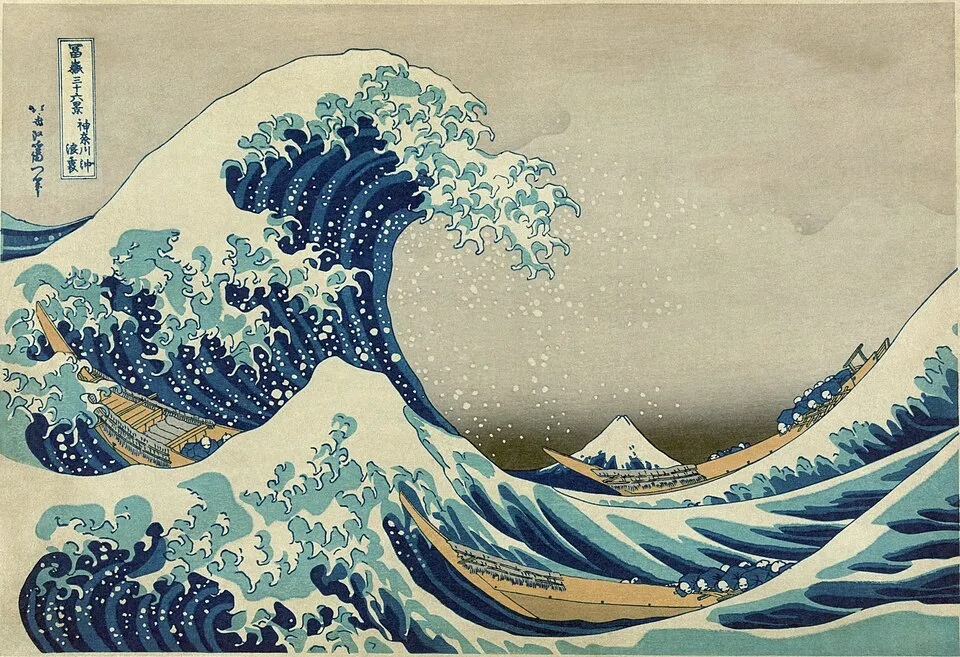
Numbered print. "Typically numbered, for example 12/75, limited edition prints may also be signed by the artist" (Maddox Gallery). "A certificate of authenticity (COA) is the documentary proof of a print's limited edition status. For the collector, it is both a declaration of value and a practical asset, particularly important when insuring, re-selling, or donating a work" (Abstract House). Image via Wikimedia Commons
Artist's Proofs and Certificates of Authenticity
"Artist's proofs, often marked A/P or A.P., are additional prints made outside the main edition, historically intended as the artist's personal copies. They are typically limited to around 10% of the edition size. In fine art print markets, artist's proofs often command a premium over the main edition numbers." In an edition of 50, you might see five artist's proofs. They are rarer than the main run, and the market prices that rarity.
"A certificate of authenticity (COA) is the documentary proof of a print's limited edition status. For the collector, it is both a declaration of value and a practical asset, particularly important when insuring, re-selling, or donating a work." Not all COAs are equal. "Buyers should be cautious of COAs that are vague on process details, unsigned, or issued without an edition number. The specificity of the document is a proxy for the seriousness of the producer." A COA that names the edition, the technique, the paper, the date, and the signature is worth more than one that says "original print" and nothing else. Artist's proofs and COAs are the infrastructure of trust that makes the limited edition market work. Without them, a print is just a print. With them, it is a collectible, documented, authenticated, and tradable. For more on protecting what you buy, see our guide to art insurance.
The Print Market: 52% Growth and New Galleries
"ArtTactic's latest Prints and Multiples report found that the category has grown its share in the auction market by 52 percent between 2015 and 2025." "Pace Prints announced in February that it will open an 11,700-square-foot facility in L.A. this fall." "Almine Rech introduced an editions arm and online sales platform in 2020; David Zwirner launched Utopia Editions in 2021; and Hauser & Wirth opened a dedicated editions space on West 18th Street in 2023." The major galleries are not dabbling in prints. They are building infrastructure for them.
New fairs have followed. "A handful of new fairs focusing on prints and editions have also premiered during this boom, including the Paris Print Fair in 2022, the Brooklyn Fine Art Print Fair in 2024 and the inaugural Signatures Art Fair opening in Paris this November." The business models behind them vary. "Most print and editions businesses follow one of two models: workshops that operate their own galleries or galleries that double as publishers by funding production elsewhere." "One common arrangement gives two-thirds of the proceeds to the publisher and one-third to the artist." "Another popular model awards artists only 10 percent of the sale proceeds until the workshop recoups its production costs, then shifts to a 50-50 split." The splits matter because they shape who can afford to make prints, and on what terms.
The principle is the one Joni Moisant Weyl of Gemini G.E.L. gives the Observer: prints are "not posters or reproductions, but original works of art that exist in multiples." That is the case the market is now making, with 11,700 square feet in L.A. and new fairs in Paris and Brooklyn. For more on where prints sit in the wider market, see our guide to contemporary art trends.
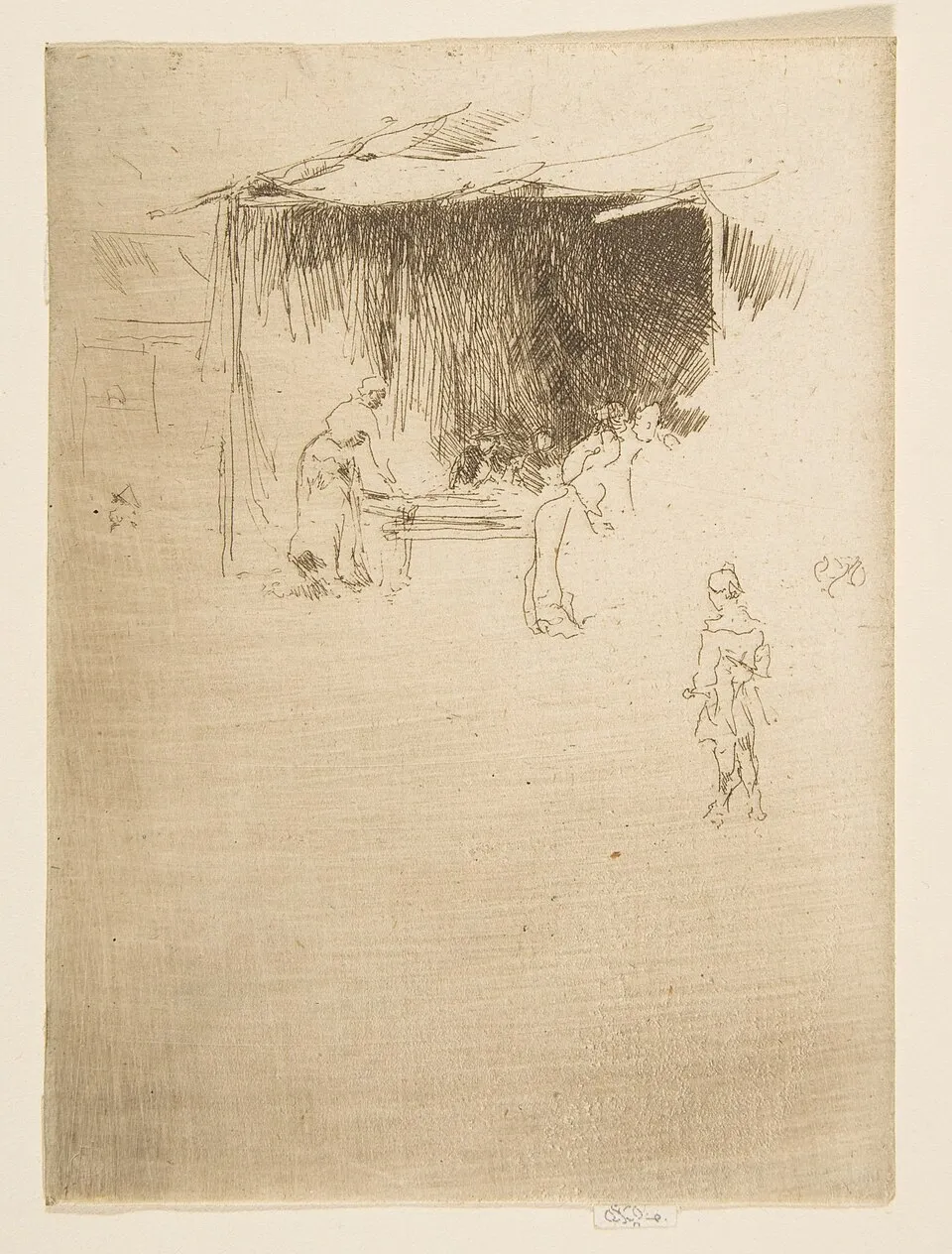
Prints at an art fair. "ArtTactic's latest Prints and Multiples report found that the category has grown its share in the auction market by 52 percent between 2015 and 2025" (Observer). "A handful of new fairs focusing on prints and editions have also premiered during this boom, including the Paris Print Fair in 2022, the Brooklyn Fine Art Print Fair in 2024 and the inaugural Signatures Art Fair opening in Paris this November" (Observer). Image via Wikimedia Commons
What the Difference Means for Buyers
For collectors, limited edition prints offer scarcity, collectibility, and investment potential. "Scarcity is the foundation. A print in an edition of 25 has an inherent supply constraint that an open-edition reproduction simply does not. As an artist's reputation develops, demand may increase while supply remains fixed, and edition numbers that seemed affordable at the time of purchase can appreciate significantly." "Factors that support appreciation: Small edition sizes (under 50), an artist with a developing or established institutional reputation."
For first-time buyers, open edition prints offer accessibility and enjoyment. "Affordable pricing, a fraction of original artwork cost. Multiple size options can be requested, perfect for any space. Great for gifting, beautiful art at accessible prices." You are buying something to live with, not something to trade.
For investors, the track record is what matters. "Limited edition prints occupy a different position to unique works. The size of the edition is set from the start, so collectors know how many examples exist and how often they have appeared for resale. In established artist markets, that track record makes prints easier to price and, when required, easier to sell." "Signed limited edition prints sit slightly closer to the original end of the spectrum. A signature can increase demand, particularly when the artist's autograph is rare or historically significant."
The choice between open and limited is not a choice between good and bad. It is a choice between different purposes: enjoyment versus collecting, accessibility versus scarcity, decoration versus investment. "Buying art because you love it is both simpler and more honest. That said, limited edition prints by established studios and artists do have a track record of appreciation." For more on who profits in the art world, see our guide to the economics of the art world.
Final Thoughts
"Limited edition prints are artworks produced in a fixed number, authorised by the artist or their estate. Once an edition is complete, no further works are made in that format. Because supply is capped from the outset, scarcity is built in." "This is what distinguishes a limited edition print from an open edition print, which can be reproduced indefinitely." "The limitation is not a marketing device. It is a structural commitment." Edition sizes: "Micro-editions (1-10): Rare. Small editions (11-50): The sweet spot. Mid-range editions (51-150): Still collectible. Large editions (150+): Approaching open-edition territory." "Artist's proofs, often marked A/P or A.P., are additional prints made outside the main edition, typically limited to around 10% of the edition size, often command a premium." "A certificate of authenticity (COA) is the documentary proof of a print's limited edition status." "The category has grown its share in the auction market by 52 percent between 2015 and 2025." "Pace Prints announced in February that it will open an 11,700-square-foot facility in L.A." "Almine Rech in 2020; David Zwirner in 2021; Hauser & Wirth in 2023." "Paris Print Fair in 2022, the Brooklyn Fine Art Print Fair in 2024 and the inaugural Signatures Art Fair." "One common arrangement gives two-thirds of the proceeds to the publisher and one-third to the artist." "Not posters or reproductions, but original works of art that exist in multiples." "Scarcity is the foundation. A print in an edition of 25 has an inherent supply constraint that an open-edition reproduction simply does not." "Buying art because you love it is both simpler and more honest."
If you are buying a print, ask three questions. First, is it a limited edition or an open edition? Second, if limited, what is the edition size, and is it small enough to create meaningful scarcity? Third, does it come with a certificate of authenticity, signed and numbered by the artist? If the answer to all three is yes, you are buying a collectible, something that may hold or build value over time. If the answer to any is no, you are buying a decoration, something to enjoy on your wall, which is perfectly fine, but not an investment. "There isn't such as thing as a 'better' option with art prints. Whichever you prefer, the important thing is that you choose the option that suits your home, desire and needs best." The print market has grown its share in the auction market by 52 percent between 2015 and 2025. It is growing because prints offer something that paintings do not: accessibility, liquidity, and a clear framework for understanding value. But the framework only works if you understand the difference between open and limited. Now you do. For more on the works that drive the top of the market, see our guide to famous paintings.


