Art Glossary
A comprehensive glossary of art terms, techniques, movements, and materials. From chiaroscuro to creative coding, find clear definitions for every art concept.
A
Abstract Expressionism: Gesture, Field, and the New York School (1940s-1950s)
Abstract Expressionism made New York the center of the art world. From Pollock's drip paintings to Rothko's color fields, learn how gesture and scale changed painting forever.
Acrylic Painting: Fast-Drying Synthetic Polymer Paint
Acrylic painting uses synthetic polymer emulsion as a binder. Learn how Pollock, Rothko, and Hockney adopted a mid-20th-century medium that dries in minutes and resists water.
Action Painting: Gestural, Physical Application of Paint
Action painting is the gestural, physical application of paint pioneered by Pollock and de Kooning. Learn its history, key artists, and how to spot it.
Alla Prima: Wet-on-Wet, Single-Session Painting
Alla prima is wet-on-wet painting completed in a single session. From Frans Hals to Monet to Sargent, learn the history and technique of direct painting.
Atmospheric Perspective: How Painters Use Color and Clarity to Depict Depth
Atmospheric perspective creates depth by making distant objects paler, bluer, and less detailed. Learn how Leonardo da Vinci codified it and how painters use it today.
B
Binder: The Substance That Holds Pigment Together and Makes Paint Stick
A binder is the substance that holds pigment particles together and adheres them to a surface. From animal glue to linseed oil to acrylic, learn binder history and types.
Bone Black (Ivory Black): The Charred-Bone Pigment That Painted the Shadows
Bone black, or ivory black, is a carbon pigment made from charred animal bones. Used since antiquity, it remains one of the oldest and most enduring black pigments in art.
Broken Color: Small Strokes of Pure Color for Optical Mixing
Broken color places pure, unmixed strokes side by side to blend in the eye. Learn how Monet, Van Gogh, and Seurat used this technique for brighter, vibrating color.
Brush: The Painter's Tool, From Paleolithic Reeds to Modern Synthetic Fibers
The artist's brush applies paint to surface. Learn brush types (round, flat, filbert, fan), hair types (hog, sable, synthetic), and the history from ancient Egypt to today.
C
Camaieu: Painting in a Single Color With Variations of Tone
Camaieu is painting in shades of a single color other than gray. From ancient Pompeii to Renaissance palaces to porcelain decoration, learn this monochrome technique.
Canvas Panel: Canvas Mounted on Rigid Board for Portable Painting
A canvas panel is primed canvas glued to a rigid backing like MDF or hardboard. Learn its history from Impressionist plein air studies to modern mass-produced panels.
Canvas: The Woven Fabric That Became the World's Painting Surface
Canvas is the woven fabric surface used for oil and acrylic painting. Learn its history from 15th-century Venice to modern cotton duck, types, weights, and how to choose canvas.
Carbon Black: The Pigment From Fire That Made Painting Possible
Carbon black is the pigment from burnt organic matter, used in cave paintings for 40,000 years. Learn its history, types from charcoal to lamp black, and how artists used it.
Casein: Milk Protein-Based Paint From Ancient Egypt to Modern Illustration
Casein is paint made from milk protein, used since ancient Egypt. Learn how Klimt, Warhol, and Native American artists used a fast-drying medium that dries hard and matte.
Chiaroscuro: Light-Dark Contrast for Volume and Drama
Chiaroscuro is the use of strong light-dark contrast to model form and create drama. From Leonardo to Caravaggio to Rembrandt, learn how it shaped Western painting.
Chinese Landscape Painting (Shanshui): Mountains, Water, and the Philosophy of Empty Space
Chinese landscape painting (shanshui) uses ink and brush to depict mountains and water as a meditative practice. Learn about Fan Kuan, Guo Xi, and the art of emptiness.
Cold Pressed Paper (Not): The Versatile Surface Most Watercolorists Choose
Cold pressed paper is watercolor paper with a lightly textured surface, the most popular choice for watercolor. Learn how it works, its history, and why 80% of painters prefer it.
Color Field Painting: Large Areas of Flat Color as Subject
Color Field painting uses large expanses of flat color as the subject itself. Learn how Rothko, Newman, and Still pioneered this Abstract Expressionist style.
Concept Art: Visual Development for Games, Film, and Animation
Concept art is visual development art for games, film, and animation. Learn its history from Disney's Snow White to AI-assisted workflows in 2026.
D
Diptych: The Two-Panel Painting From Roman Writing Tablets to Andy Warhol
A diptych is a two-panel painting, hinged or paired. From Byzantine ivory carvings to the Wilton Diptych to Warhol's Marilyn Diptych, learn how this format shaped art history.
Divisionism: Seurat's Systematic Color Separation Technique
Divisionism is Seurat's theory of separating colors into individual strokes for optical mixing. Learn its history, key artists, and how it shaped modern art.
Dreamtime: Aboriginal Australian Creation Mythology and Its Expression in Art
Dreamtime is the Aboriginal Australian concept of creation, when Ancestral Beings shaped the land. From rock art to Papunya paintings, learn how Dreaming stories become images.
Dry Brush: Minimal Paint on Brush for Broken Texture
Dry brush is a painting technique using minimal paint on a dry brush to create broken, textured strokes. From Durer to Wyeth, learn how it works.
Dutch Golden Age: Rembrandt, Vermeer, and the Art of Everyday Life (1580-1670)
The Dutch Golden Age (1580-1670) produced Rembrandt, Vermeer, and a revolution in genre painting, landscape, and still life. Learn how Protestant Holland reshaped what art could depict.
E
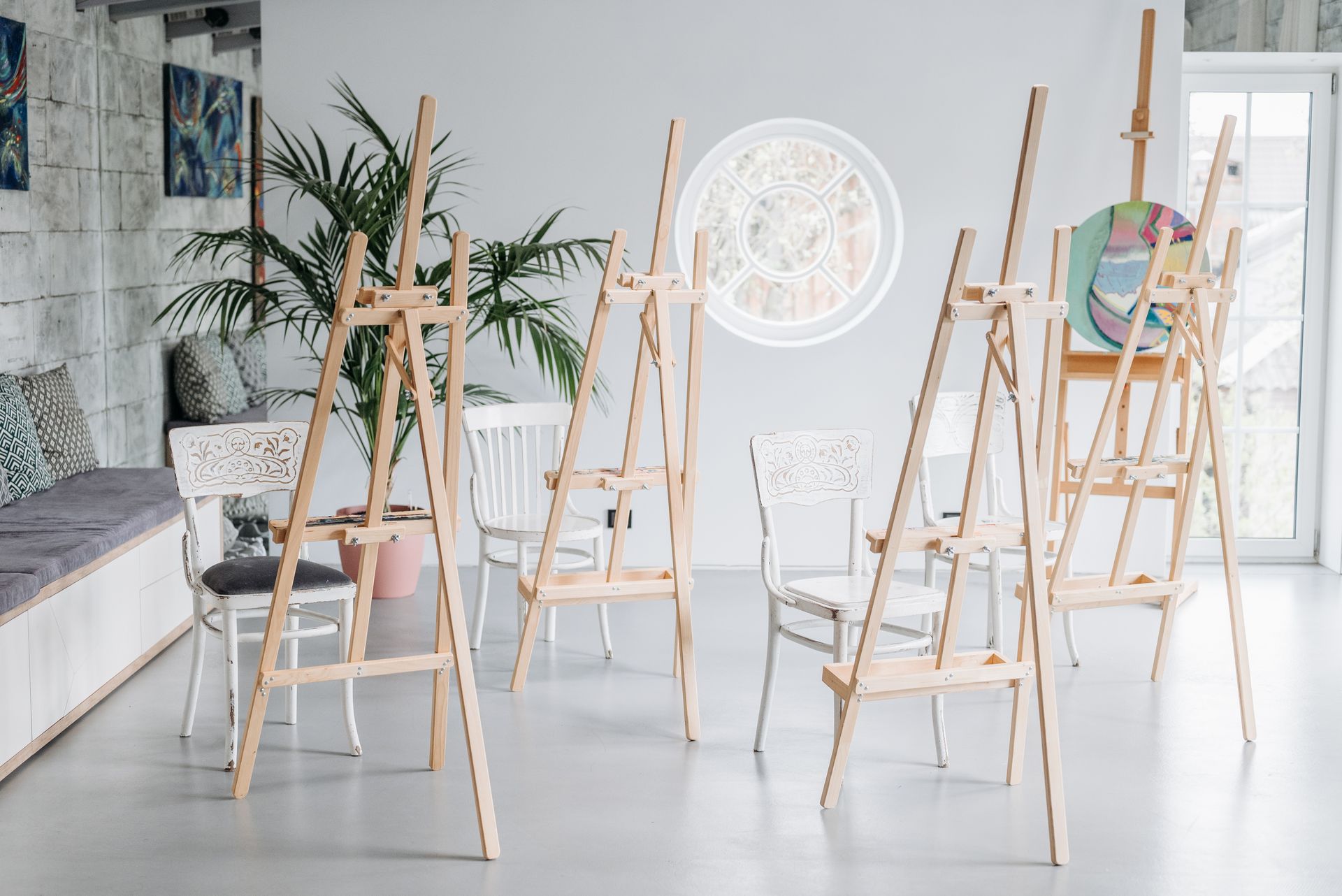
Easel: The Artist's Stand, From Ancient Egypt to the Studio Today
The easel is the upright support that holds a painting while the artist works. Learn its history from ancient Egypt to modern studio designs, types, and how to choose one.
Encaustic: Hot Wax Painting From Ancient Egypt to Modern Art
Encaustic is painting with pigmented hot beeswax, an ancient technique used for Egyptian mummy portraits. Learn how the Fayum painters and Jasper Johns used molten wax as paint.
F
Fat Over Lean: The Oil Painting Rule for Layering to Prevent Cracking
Fat over lean is the oil painting rule that each layer should contain more oil than the one beneath. Learn the science behind why it prevents cracking and delamination.
Fresco (Buon Fresco): Painting on Wet Plaster That Bonds With the Wall
Fresco is painting on wet plaster so the pigments bond with the wall. Learn how Michelangelo, Raphael, and Giotto used this ancient technique.
G
Genre Painting: Scenes of Everyday Life from Bruegel to the Present
Genre painting depicts scenes of everyday life. From Dutch taverns to Vermeer's interiors, learn how this underrated genre shaped art history.
Gesso: The Primer That Prepares Every Painting Surface
Gesso is the white primer applied before painting to seal and prepare the surface. Learn its history from medieval gypsum grounds to modern acrylic gesso and how to use it.
Glazing: Transparent Oil Layers for Luminosity and Depth
Glazing is the application of thin transparent oil paint layers over dry paint to create luminosity and depth. From Van Eyck to Rembrandt, learn how it works.
Gold Leaf (Gilding): Applying Thin Gold Sheets as Surface or Background
Gold leaf is the application of thin gold sheets as surface or background in painting. Learn gilding techniques from medieval icons to Renaissance altarpieces.
Gouache: Opaque Watercolor With a Matte Finish
Gouache is opaque watercolor made with heavier pigment and chalk filler. Learn how Durer, Goya, and Matisse used a medium that lets you paint light over dark on paper.
Grisaille: Painting Entirely in Shades of Gray
Grisaille is painting entirely in shades of gray, often to simulate stone sculpture. From Van Eyck to Goya, learn how this monochrome technique shaped Western art.
Ground: The Preparatory Layer Between Support and Paint
The ground is the preparatory layer applied to a painting support before painting. From medieval gesso to modern acrylic primer, learn its history, types, and function.
H
Halation: The Optical Glow Effect From Light Against Dark
Halation is the optical glow that appears where light meets dark in a painting. Learn how Baroque painters used dark halos and warm edges to make light appear to radiate.
Hard-Edge Painting: Abrupt Transitions Between Flat Color Areas
Hard-edge painting features abrupt transitions between flat color areas. Learn how Frank Stella, Ellsworth Kelly, and California painters defined this style.
History Painting: The Genre That Ruled the Academy, From Raphael to Picasso
History painting depicts significant human events: battles, myths, biblical scenes. From Raphael to Gericault to Picasso's Guernica, learn the genre that topped the academy.
Hot Pressed Paper: The Smooth Surface for Fine Detail and Botanical Art
Hot pressed paper is watercolor paper pressed through heated rollers for a smooth surface. Learn how it works, its history, and why botanical illustrators and realists prefer it.
Hudson River School: American Wilderness, Thomas Cole, and the First American Art Movement (1825-1870s)
The Hudson River School was America's first art movement, painting wilderness from the Catskills to the Andes. Learn about Thomas Cole, Frederic Church, and Bierstadt.
I
Illuminated Manuscripts: Hand-Decorated Texts With Gold From the Medieval World
Illuminated manuscripts are hand-decorated texts with gold leaf from the medieval period. Learn how they were made, from parchment to burnished gold.
Illustration Board: The Rigid Surface for Drawing, Painting, and Plein Air
Illustration board is paper mounted to a rigid backing, creating a warp-resistant surface for drawing and painting. Learn its history, types, and why illustrators and plein air painters use it.
Impasto Medium: Additives That Thicken Paint for Texture
Impasto mediums are additives that thicken oil and acrylic paint for visible texture. Learn what they contain, how they work, and how Rembrandt and Van Gogh used them.
Impasto: Thick Paint, Visible Brushwork, and Physical Texture
Impasto is paint applied so thickly it catches light and casts shadows. Learn how Van Gogh, Rembrandt, and Auerbach used this textured technique in oil painting.
Impressionism: Light, Broken Color, and Painting in the Open Air (1860-1886)
Impressionism was the movement that shattered academic painting by capturing fleeting light with broken brushstrokes outdoors. From Monet to Renoir to Morisot, learn how it worked.
Imprimatura: The Toned Ground Applied Before Painting
Imprimatura is a thin toned layer applied to a painting support before painting begins. Learn its history from the Renaissance to Rubens and why it matters.
Indigenous Australian Art: Dot Painting, Dreamtime, and 65,000 Years of Continuous Tradition
Indigenous Australian art spans 65,000 years from rock art to dot painting. Learn about the Papunya Tula movement, Emily Kngwarray, and the Dreamtime tradition.
Ink Wash: Tonal Painting With Diluted Ink
Ink wash is painting with ink diluted in water to create tonal gradations. Learn how Wang Wei, Sesshu Toyo, and contemporary artists use a medium where every stroke is permanent.
L
Landscape Painting: Nature as Subject, From Song Dynasty to Contemporary Art
Landscape painting depicts natural scenery as a subject in its own right. From Song Dynasty shanshui to Constable and Turner, learn how nature became art.
Lead White: The Toxic Pigment That Dominated Painting for 2,000 Years
Lead white was the most important white pigment in European painting for two millennia. Learn its history, why it was so valued, and how its toxicity led to its replacement.
Linseed Oil: The Binder That Made Oil Painting Possible
Linseed oil is the drying oil that binds pigment in oil paint. From Van Eyck to Rembrandt to modern conservation science, learn how it works and why it matters.
M
Mahl Stick: The Painter's Support Stick for a Steady Hand
A mahl stick is a padded stick that steadies a painter's hand while working on detail. Learn its history from 16th-century studios to Vermeer and why some painters still use one.
Marouflage: Adhering Painted Canvas to Walls and Ceilings
Marouflage is the technique of adhering a painted canvas to a wall or ceiling using adhesive. From Renaissance murals to modern conservation, learn how it works.
Medium (Painting): The Substance That Changes How Paint Behaves
A painting medium is any substance added to paint to change its properties. From stand oil and dammar to modern alkyd gels, learn how mediums shape oil painting.
Monotype: The Unique Print From a Painted Plate
Monotype is a printmaking technique that produces a single unique impression from a painted plate. From Castiglione to Degas to Chagall, learn how it works.
Mughal Painting: Indian Miniature Tradition, Akbar, Jahangir, and the Imperial Kitabkhana
Mughal painting fused Persian, Indian, and European traditions in the imperial workshops of Akbar and Jahangir. Learn about the Hamzanama, Mansur, and Abu'l-Hasan.
N
Naples Yellow: The Oldest Synthetic Pigment in Art History (3500 Years)
Naples yellow is lead antimoniate, one of the oldest synthetic pigments known. First used in Egyptian glass around 1500 BCE, it shaped painting from the Renaissance to the 19th century.
Neo-Expressionism: Raw Figuration and the 1980s Painting Boom (1970s-1980s)
Neo-Expressionism brought raw, figurative painting back to the art world. From Basquiat's street-sourced icons to Schnabel's plate paintings, learn how it dominated the 1980s.
Nihonga: Modern Japanese-Style Painting, Mineral Pigments, and the Invention of Tradition
Nihonga is modern Japanese-style painting using mineral pigments and animal glue. Learn about Yokoyama Taikan, Uemura Shoen, and Higashiyama Kaii.
O
Ochre: The Earth Pigment That Is Older Than Our Species
Ochre is the oldest known pigment, used by humans and Neanderthals for 300,000 years. Learn its history from prehistoric caves to modern painting, how it is made, and why it endures.
Oil Painting: Pigment in Drying Oil, From Van Eyck to the Present
Oil painting is pigment suspended in drying oil, most often linseed. Learn how Van Eyck, Rembrandt, and Monet used the slow-drying medium that dominated European art for 500 years.
Old Master: European Painters of Skill Before 1800
Old Master refers to European painters of exceptional skill who worked before 1800. From Leonardo to Rembrandt to Velazquez, learn what the term means and why it matters.
Orientalism: Western Depictions of the East, From Ingres to Said
Orientalism is the Western depiction of Eastern cultures. From Ingres' odalisques to Said's critique, learn how Europe painted the East and why it matters today.
P
Paint Tube: The Tin Container That Changed Painting Forever
The collapsible paint tube, patented in 1841, made plein air painting practical. From Rand to Renoir to Monet, learn how a tin tube reshaped art history.
Palette Knife: The Flat Blade That Went From Mixing Tool to Painting Tool
The palette knife is a flat-bladed tool for mixing and applying paint. Learn its history from medieval amassettes to Van Gogh, Courbet, and contemporary impasto painting.
Palette: The Painter's Mixing Surface, From Medieval Boards to Modern Studio Tools
The palette is the flat surface where painters mix colors before applying them. Learn its history, shapes, materials, and how artists from Vermeer to Monet arranged their paints.
Panel (Painting): The Rigid Surface That Predates Canvas by a Thousand Years
A painting panel is a rigid wood or composite surface for painting, the dominant support before canvas. Learn its history from Byzantine icons to modern MDF, types, and how to choose one.
Pentimento: Visible Traces of a Changed Composition Beneath the Surface
A pentimento is a visible trace of a changed composition beneath a painting's surface. Learn how X-ray and infrared imaging reveal artists' revisions from Rubens to Ensor.
Photorealism: Painting That Mimics Photography With Extreme Precision
Photorealism is painting that mimics photography with extreme precision. Learn how Chuck Close, Richard Estes, and Ralph Goings defined this American movement.
Pigment: The Colored Substance That Makes Paint Paint
Pigment is the colored substance used in paint, from prehistoric ochre to synthetic cadmiums. Learn its history, chemistry, types, and why some pigments last centuries.
Plein Air Easel (French Easel): The Portable Studio That Took Painting Outdoors
The plein air easel, or French easel, is a portable box easel with built-in storage that made outdoor painting practical. From the Barbizon School to today, learn its history.
Plein Air: Painting Outdoors on Location
Plein air is painting outdoors directly from nature. Learn how the paint tube, Valenciennes, Constable, and Monet turned outdoor observation into a revolution in painting.
Pointillism: Small Dots of Pure Color for Optical Blending
Pointillism is Seurat's technique of applying small dots of pure color that blend in the viewer's eye. Learn its history, key artists, and how to spot it.
Polyptych: The Multi-Panel Altarpiece That Dominated Medieval and Renaissance Art
A polyptych is a multi-panel painting, usually an altarpiece with hinged wings. From the Ghent Altarpiece to the Isenheim Altarpiece, learn how these complex works functioned.
Post-Impressionism: Van Gogh, Cezanne, Gauguin, and Seurat (1886-1905)
Post-Impressionism was not a single style but four artists who pushed beyond Impressionism in different directions. From Van Gogh's emotion to Cezanne's structure to Seurat's science.
Predella: The Base Panel of an Altarpiece and Its Hidden Narratives
A predella is the narrow base panel of an altarpiece, painted with small narrative scenes. From Duccio to Signorelli, learn how these overlooked panels shaped Renaissance art.
R
Realism: Painting Ordinary Life with Unflinching Honesty (1840-1880)
Realism was the 19th-century movement that rejected Romantic drama and painted ordinary people doing ordinary things. From Courbet's burials to Millet's gleaners, learn how it worked.
Rock Art: Cave Paintings, Petroglyphs, and the Earliest Human Art (40,000+ Years Ago)
Rock art is the oldest art on Earth. From Lascaux to Sulawesi, learn how cave paintings and petroglyphs reveal the origins of human image-making and what new science tells us.
Rough Paper: The Heavily Textured Surface for Expressive Watercolor
Rough paper is watercolor paper with the heaviest texture, left to dry with minimal pressing. Learn how it creates dramatic granulation, its history, and why landscape painters prefer it.
Rule of Thirds: The Compositional Guideline That Divides the Frame
The rule of thirds divides the frame into nine equal rectangles and places key elements along the lines or intersections. Learn its history, how artists use it, and what research says.
S
Scumbling: Dry Brush Dragging of Opaque Paint for Texture and Haze
Scumbling is dragging thin broken layers of opaque paint over a darker dry layer for texture, haze, and soft light. From Titian to Turner, learn how it works.
Secco: Painting on Dry Plaster, Less Durable Than Buon Fresco
Secco is painting on dry plaster using organic binders. Less durable than buon fresco but more flexible. Learn its history, techniques, and key examples.
Sfumato: Gradual Blending With No Visible Lines
Sfumato is Leonardo da Vinci's technique of gradual tonal blending with no visible lines. Learn how he used it in the Mona Lisa and Virgin of the Rocks.
Sgraffito: Scratching Through One Layer to Reveal Another
Sgraffito is scratching through a surface layer to reveal a contrasting color beneath. Learn its history from Renaissance facades to pottery to contemporary painting.
Sizing: The Sealant Layer That Protects Canvas and Paper From Oil
Sizing is the sealant applied to canvas or paper before gesso or ground to prevent oil penetration. Learn the history of rabbit skin glue sizing and why PVA size replaced it.
Solvent: The Liquid That Thins and Cleans Paint
Solvents thin paint, dissolve resins, and clean brushes. From turpentine to mineral spirits to citrus solvents, learn the history and science of painting solvents.
Stained Glass: Colored Glass, Lead Frames, and the Architecture of Light
Stained glass is colored glass assembled in lead frames to create images in windows. From Chartres to Tiffany, learn how this 1,000-year-old art form works.
Sumi-e: Japanese Ink Wash Painting With Brush and Ink
Sumi-e is Japanese ink wash painting using black ink, brush, and paper. Learn its history from Chinese origins through Sesshu to contemporary mindfulness practice.
Support: The Physical Surface Every Painting Is Made On
The support is the physical surface a painting is made on, from wood panels to canvas to copper. Learn its history, types, and why it matters for conservation.
T
Tempera: Egg-Based Paint, the Pre-Oil Standard
Tempera is paint made with egg yolk as a binder, the dominant medium in European painting before oil. Learn how Botticelli, Fra Angelico, and Andrew Wyeth used this ancient technique.
Tenebrism: Extreme Darkness With Shafts of Light
Tenebrism is Caravaggio's extreme chiaroscuro, where darkness dominates and light cuts through like a spotlight. Learn its history, artists, and how to spot it.
Tondo: The Circular Painting From Renaissance Florence to Modern Art
A tondo is a circular painting or relief, popular in Renaissance Florence for domestic devotional art. From Michelangelo's Doni Tondo to Botticelli, learn its history.
Triptych: The Three-Panel Painting From Byzantine Icons to Francis Bacon
A triptych is a three-panel painting, usually hinged, with a central panel and two wings. From Bosch's Garden of Earthly Delights to Bacon, learn its history and artists.
Trompe l'Oeil: Visual Deception and the Art of Fooling the Eye
Trompe l'oeil is the art of visual deception, painting objects so realistically they appear to exist in real space. From Pompeii to Pere Borrell del Caso, learn how it works.
Tronie: The Dutch Character Study Head That Is Not a Portrait
A tronie is a Dutch character study of a head, not a portrait. Learn how Vermeer, Rembrandt, and Hals used this genre to study expression, light, and costume.
Turpentine: The Painter's Solvent From Pine Resin to Modern Alternatives
Turpentine is the traditional solvent distilled from pine resin, used to thin oil paint and clean brushes. From Old Masters to modern safer alternatives, learn its history.
U
Ultramarine: The Blue From Lapis Lazuli That Once Rivaled Gold
Ultramarine is the deep blue pigment ground from lapis lazuli, once worth more than gold. Learn its history, how artists used it, and why synthetic versions changed painting.
Underpainting: The Foundational Layer Beneath the Visible Painting
Underpainting is the foundational layer beneath a painting's surface. Learn about grisaille, verdaccio, dead coloring, and how Vermeer and Rembrandt used it.
V
Vanitas: The Still Life Genre That Symbolizes the Transience of Life
Vanitas is the Dutch still life genre symbolizing the transience of life through skulls, hourglasses, and wilting flowers. Learn its history and key painters.
Varnish: The Protective Coating That Defines a Painting's Surface
Varnish is the transparent coating applied over finished paintings to protect and saturate the surface. From mastic to dammar to synthetic resins, learn its history.
Vehicle: The Liquid That Carries Pigment and Makes Paint Possible
The vehicle is the liquid that carries pigment in paint, combining binder and solvent. From linseed oil to gum arabic to acrylic polymer, learn how vehicles define paint types.
Verdaccio: Greenish Underpainting for Flesh Tones
Verdaccio is a greenish underpainting used to create lifelike flesh tones. Learn how Renaissance painters from Giotto to Michelangelo used green earth beneath warm skin colors.
Vermilion: The Brilliant, Toxic Red From Cinnabar
Vermilion is the brilliant red pigment made from cinnabar, a mercury ore mined for 9,000 years. Learn its history, toxicity, and how artists from Pompeii to Rothko used it.
Viewfinder: The Simple Frame That Teaches You to See
A viewfinder is a frame artists use to isolate and compose a scene. From Klimt's cardboard cutout to modern adjustable tools, learn how viewfinders shape composition.
W
Watercolor Paper: The Surface That Makes Watercolor Possible
Watercolor paper is thick, absorbent paper designed for water media. Learn its history, cotton vs. wood pulp fibers, weights from 90 lb to 300 lb, and how to choose the right surface.
Watercolor: Transparent Water-Based Paint on Paper
Watercolor is transparent paint made of pigment and gum arabic, applied with water on paper. Learn how Durer, Turner, and Homer used a medium that rewards directness and punishes hesitation.
Wet-on-Dry: Layering Over Dried Paint for Control and Precision
Wet-on-dry is applying fresh paint over a dried layer for sharp edges and controlled building. Learn how oil and acrylic painters use it for glazing and detail work.
Wet-on-Wet: Painting Into Wet Paint Before It Dries
Wet-on-wet is painting into still-wet paint so colors blend on the surface. Learn how oil paint's slow drying made this technique central to alla prima and plein air.
WPA Murals: New Deal Art for the People (1935-1943)
WPA murals were public artworks created under the Federal Art Project from 1935 to 1943. From Ben Shahn to Philip Guston, learn how the US government put artists to work painting America.
Why an Art Glossary?
Art has always had a language problem. Walk into any gallery and you will hear terms like chiaroscuro, impasto, sfumato, and pentimento thrown around as if everyone knows what they mean. Most people do not. They nod along, afraid to ask, and miss half of what the painting is actually doing.
This glossary exists to fix that. Every entry is written in plain English with real examples: specific paintings, specific artists, specific dates. When we explain plein air, we point you to Monet working beside the Seine in 1873, not a generic definition copied from a dictionary. When we cover creative coding, we start with Casey Reas and Ben Fry at MIT in 2001, not a vague paragraph about "art and technology."
The terms here span centuries and disciplines. You will find Renaissance techniques sitting next to digital art movements, printmaking terminology next to motion graphics concepts. That mix is intentional. Art does not stay in neat historical boxes, and neither does the vocabulary we use to talk about it. A painter working today might need to understand glazing just as much as a 3D animator needs to know what kinetic typography means.
Each definition is a starting point, not a finish line. We write them to be specific enough that you can recognize the technique the next time you see it, but short enough that you can read one in under five minutes. If a term leads you to a painting you had not considered before, or sends you down a rabbit hole about a movement you had never heard of, the glossary is doing its job.
New terms are added regularly. If there is a concept you keep running into but cannot find here, that is a gap we want to fill. The best art terminology does not stay still. It grows as artists invent new ways of working, and the language has to keep up.