
A single piece on a wall can say more than words ever could. What hangs there changes everything about the room's mood. Personal stories show up in colors, frames, shapes, not through talk but presence. Museum-grade paintings sit alongside bold posters without conflict. Emotion lives where eyes land first when entering a space. Function hides behind beauty, yet matters just as much. Homes lean into comfort because of choices made above eye level. Offices gain quiet strength from what covers their bare surfaces.
A deep look at wall art begins here. Types show up fast, styles pop in many forms, materials range wide. Picking the best piece leans on smart choices shaped by experience. Collectors feel it, designers know it, homeowners get it too. This piece lays out clear thoughts so vision matches reality when walls start talking.
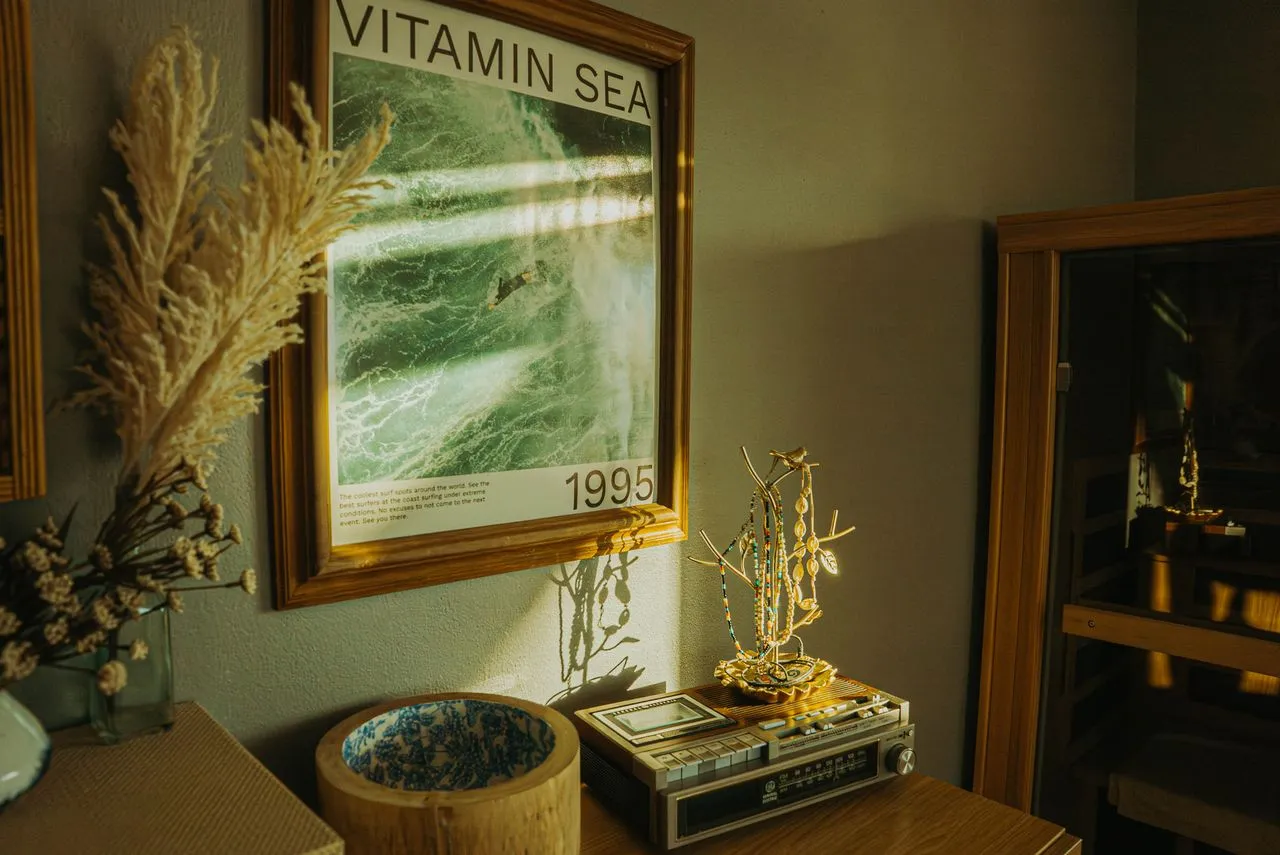
Photo by Steph Quernemoen on Pexels.com
The Role of Wall Art in a Space
Art on a wall can take many shapes. Sometimes it is painting, sometimes something built into the space itself. Visuals meant for vertical surfaces often shape how a room feels. Paintings hang there. So do crafted items that also serve another purpose. Not every piece needs a frame to belong. Some simply exist where people live, quietly changing the air.
Wall art can serve multiple purposes. It expresses personal taste and identity. It creates visual balance and focal points. It influences mood and atmosphere. It complements architectural features and decor. Paintings and prints might come to mind first, yet wall art actually includes many different forms and materials.
A Brief History of Wall Art
Wall art is not a modern invention. The earliest known wall paintings date back roughly 45,000 years. The cave paintings at Lascaux, discovered in 1940 in southwestern France, show animals rendered with surprising sophistication using mineral pigments applied to rock surfaces. These were not casual decorations. They were deliberate acts of image-making in spaces that required effort to reach and were likely used for ritual or communal purposes. The Encyclopaedia Britannica's entry on Lascaux provides a good overview of the cave's discovery and significance.

Lascaux cave paintings, approximately 17,000 years old. Dordogne, France. Some of the earliest known wall art, demonstrating that the impulse to make images on vertical surfaces is ancient. Image: Public domain, via Wikimedia Commons
From cave walls to church frescoes to the framed canvases of the Renaissance, wall art has evolved through countless forms. The Renaissance introduced the idea of paintings as movable objects that could be hung and rearranged, which eventually led to the modern concept of wall art as a decorative and expressive element in domestic and commercial interiors. For more on this history, our guide to Renaissance art covers the period when framed paintings became the dominant form.
Types and Materials of Wall Art
Paintings and Canvas Prints
Original paintings on canvas, board, or panel remain the most traditional form of wall art. Oil paintings offer rich texture and depth through techniques like impasto and glazing. Acrylic paintings provide bright, fast-drying color and are a popular choice for contemporary work. Canvas prints, which reproduce original paintings on canvas substrate, offer an accessible way to bring painted imagery into a space without the cost of an original.
Photography
Photographic prints have become one of the most popular forms of wall art. From Ansel Adams landscapes to contemporary street photography, the range of available imagery is effectively infinite. Photography prints are typically produced on archival paper, metal, or acrylic, and the choice of substrate significantly affects the image's appearance. Metal prints produce high-contrast, glossy images with deep color saturation. Acrylic face mounts create a sense of depth and luminosity that traditional paper prints cannot match.
Prints and Multiples
Printmaking encompasses linocut, etching, screen printing, lithography, and other techniques that produce multiple originals rather than reproductions. A screen print by a recognized artist is an original artwork, not a copy of one. Limited edition prints signed and numbered by the artist offer a middle ground between mass-produced posters and one-of-a-kind originals.
Textile and Fiber Art
Woven wall hangings, tapestries, macrame, and quilted pieces have seen a strong resurgence in recent years. The 2026 wall art trends reported by Urban Road and Mixtiles highlight texture as a defining trend, with woven and tactile pieces adding warmth and dimension that flat prints cannot provide. Textile art softens hard surfaces and brings a handmade quality that mass-produced items lack.
Sculptural and Mixed Media
Wall sculptures, mixed media pieces, metalwork, and ceramic reliefs extend wall art into three dimensions. These pieces cast shadows that change throughout the day as light shifts, adding a dynamic quality that flat work cannot achieve. Wood paneling with carved relief, ceramic tile installations, and mounted found objects all fall into this category.
Wall Art Trends for 2026
The current wall art trends reflect a broader cultural shift toward warmth, texture, and personalization. Japandi style, which blends Japanese and Scandinavian design principles, continues to gain traction with its emphasis on natural materials, muted palettes, and handcrafted quality. Warm minimalism pairs clean lines with textured surfaces and earthy colors. Biophilic design, which incorporates natural elements into interior spaces, is driving demand for botanical prints, nature photography, and organic forms.
Color trends for 2026 lean toward grounding neutrals paired with confident accents. Butter yellow, dill green, cherry red, and color drenching, where a single color is used across walls, trim, and ceiling for cohesive impact, are all gaining popularity. Abstract work with depth, meaning layered textures and built-up surfaces rather than flat color fields, is replacing the minimalist abstract prints that dominated the 2010s. Mindful maximalism, which layers multiple pieces in a curated rather than chaotic way, is pushing back against the all-white-wall aesthetic that defined the 2010s gallery-inspired interior.
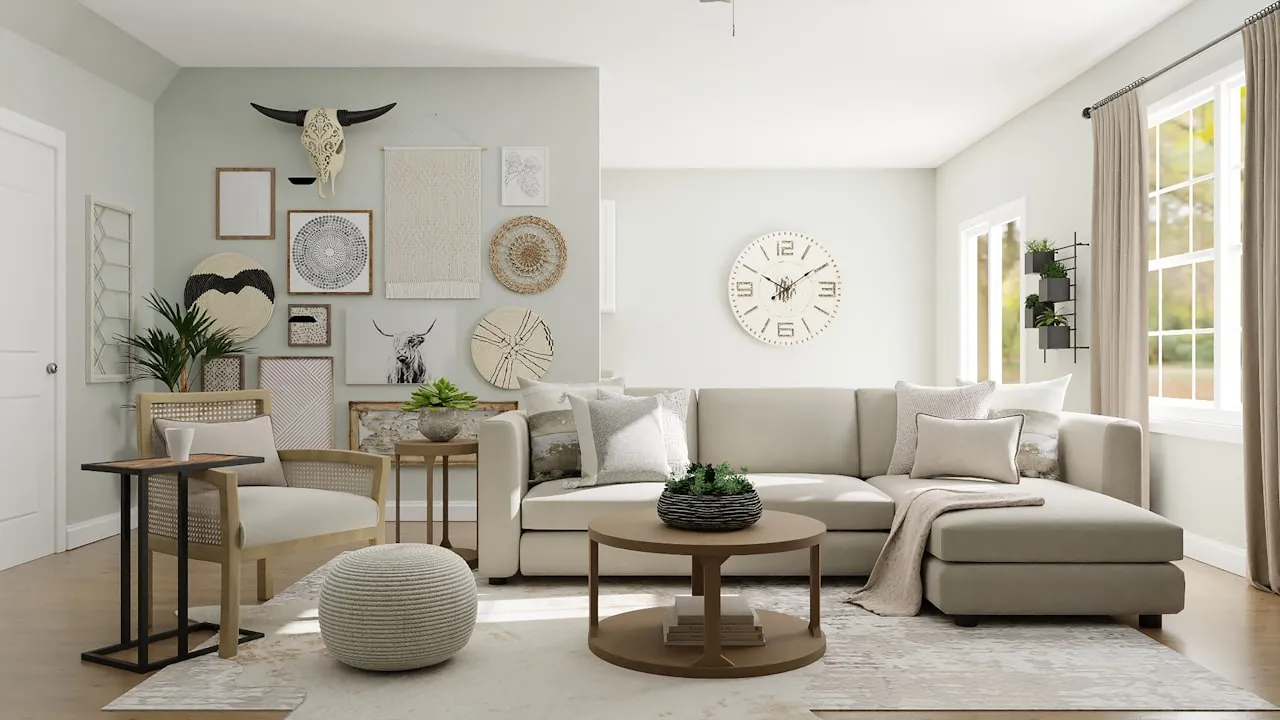
Textured wall art in a warm minimalist interior, reflecting 2026 trends toward natural materials and tactile surfaces. Photo via Pexels
How to Choose Wall Art: Five Practical Tips
1. Start With What You Love
This sounds obvious, but it is the most common mistake people make. They buy art that matches the sofa instead of art they actually want to look at every day. Furniture changes. Wall colors change. The art stays. Buy something that speaks to you personally, and then figure out how to make the room work with it. If you are not sure what you like, spend time browsing art for beginners guides and visiting galleries to develop your eye. Our guide on buying your first piece of original art walks through the process in detail.
2. Consider Color and Mood
Color shapes feeling. Blue tones create calmness. Red brings energy. Neutral tones provide balance. A splash of color on the wall might echo what is already in the room, or it could stand out by choosing a different path entirely. The psychology of color in art is well documented, and understanding the basics helps you make choices that produce the emotional atmosphere you want.
3. Think About Scale
A piece too large might dominate a room unexpectedly. Go bigger if you want impact that draws the eye right away. Balance is key when matching artwork to your sofa or shelf below. A common mistake is choosing art that is too small for the wall. As a general rule, the artwork should fill roughly two-thirds to three-quarters of the available wall space above a piece of furniture. Tiny prints can shine when clustered with others nearby. Room size plays a quiet role in what fits well visually. For more on how scale works in art, see our guide to scale in art.
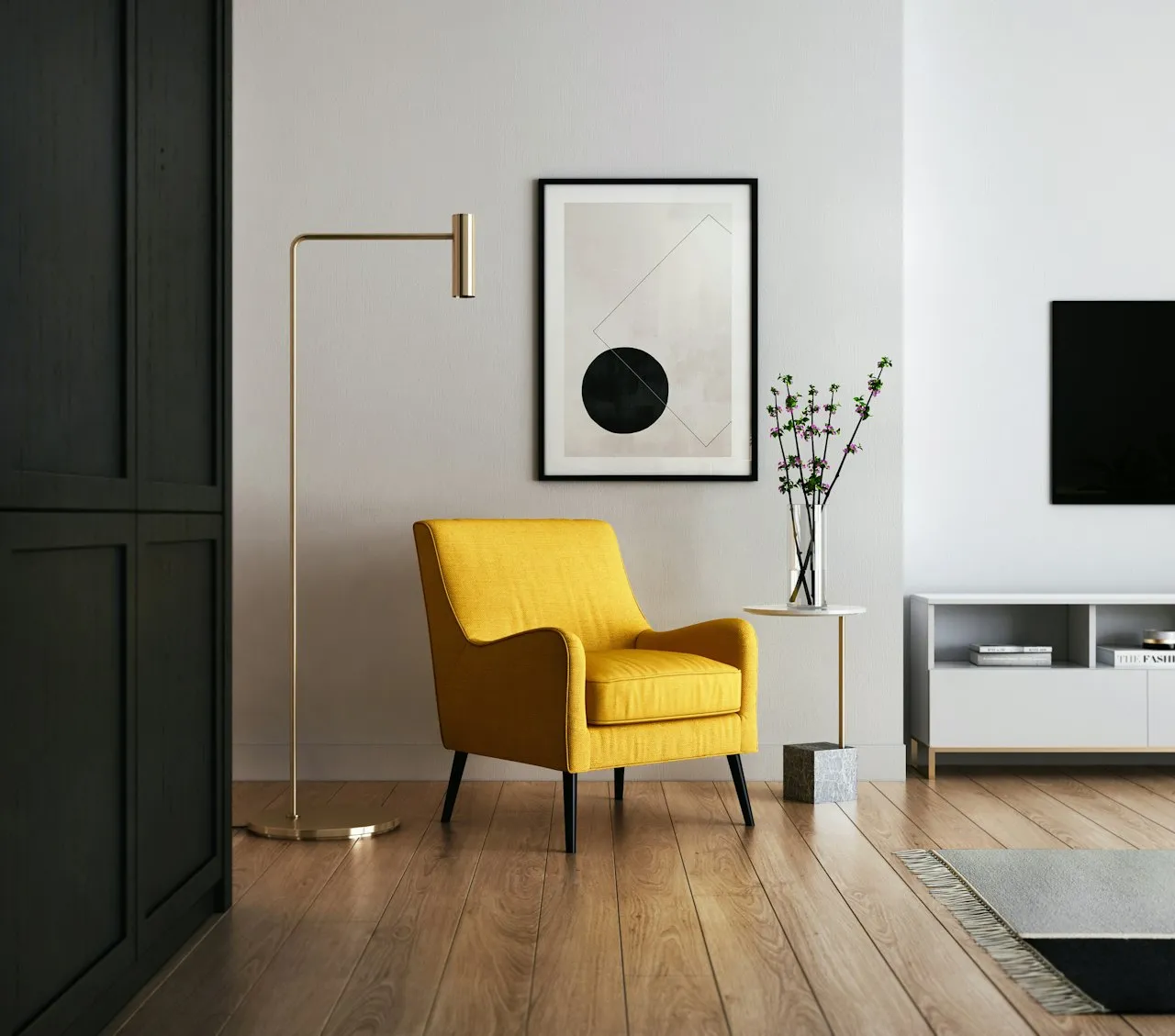
Scale comparison: small art behind a sofa versus larger art behind a sofa. The larger piece fills the visual space more effectively and creates a stronger focal point. Photo via Pexels
4. Mix Styles and Materials
What you feel about a piece decides its place on your wall. A snapshot from years ago, or colors by someone whose work speaks to you, these tie the room together in quiet ways. It is not just what looks right. It is what stays with you when you walk away. Do not be afraid to mix a vintage oil painting with a contemporary photograph, or a woven tapestry with a framed screen print. The mix is what makes a space feel curated rather than catalog-ordered.
5. Creating a Gallery Wall
A single glance can take in several pieces when they are arranged together on a wall. Grouping them brings rhythm without needing matching frames or sizes. Maintain consistent spacing between pieces. Use a unifying color or frame style to tie things together. Begin sketching where things go prior to mounting anything on walls. Mix sizes and orientations thoughtfully. A gallery wall works best when it looks intentional rather than accidental, and the best way to achieve that is to lay everything out on the floor first and experiment with arrangements before committing to nail holes.
Beyond the Home: Wall Art in Commercial Spaces
Art on walls does more than decorate empty surfaces. In places like hospitals, workplaces, or eateries, it quietly shapes how people feel when they walk in. Instead of just filling space, these visuals help tell a story about who runs the place. Mood shifts subtly where colors are warm or lines flow gently across large panels. Visitors might not notice details at first glance, yet something feels different, more welcoming.
In commercial settings, wall art can reinforce brand identity, improve mood and productivity, and create memorable environments. The Artsy guide to art in the workplace notes that studies have shown exposure to art in office environments can reduce stress and increase productivity. Restaurants, hotels, and retail spaces increasingly use curated art programs as a differentiator. For more on how art functions in public and commercial contexts, our guide to how context changes meaning explores how the same artwork communicates differently depending on where it is displayed.
Final Thoughts
What hangs on a wall might seem small, yet it speaks volumes. Through color and form, it carries meaning beyond mere looks. Every piece tells of who we are, what we honor, where we have been. Walk into any room, notice the walls. They guide mood, spark thought, shift attention without words. Public hallways or quiet bedrooms, surfaces talk just the same.
A fresh look at wall art, its kinds, its forms, its textures, opens doors to rooms that feel alive. What matters shows up in choices, not rules. Spaces shift when materials speak plainly. Style is not borrowed; it grows. Seeing options changes how walls breathe. Personal touches land softly when thought comes first. A choice here, maybe just one bold artwork, can shift how a room feels. Picking each piece with care turns empty walls into something alive. For more guidance on developing your eye, explore our complete reading order for art beginners. What is on your walls right now? Share in the comments below.


