
Herbert and Dorothy Vogel were a postal worker and a librarian in New York. They had a one-bedroom apartment in Manhattan and no significant inherited wealth. Between the 1960s and the late 1990s, they built one of the most important collections of minimal and conceptual art in private hands, over 4,000 works, by buying directly from artists, attending every opening they could, and never selling anything. That collection eventually went to the National Gallery of Art in Washington, D.C. The Vogels are the most famous example of a principle that is actually common: serious collecting does not require serious money. It requires consistency, attention, and genuine engagement with artists and their work.
This guide is for people starting from zero: no existing collection, limited budget, and some uncertainty about where to begin. It covers the best entry points at different price levels, strategies for developing taste and judgment, and the practical realities of care and documentation that every collector eventually has to address. As of 2026, data from Avant Arte's New Generation Survey shows that 40% of younger collectors are willing to spend more than a month's salary on a single artwork, and that prints and editions are the primary entry point for most new buyers. The infrastructure for accessible collecting has never been better. The question is knowing where to look.
Why Collect Art at All?
Investment is probably the wrong primary motivation, especially at the lower end of the market where most new collectors begin. The art market is illiquid, opaque, and difficult to predict. Works that seemed promising frequently do not appreciate significantly; works that seem unremarkable occasionally become valuable later. Collecting for financial return requires deep market knowledge, patience measured in decades, and capital to absorb losses. Treat any financial upside as a bonus.
The better reasons are the ones that hold regardless of what happens to market prices. Living with original art changes the experience of being at home. A print you chose, in a room you inhabit every day, is a different object from the same image on a screen. Original works carry information that reproductions cannot: texture, scale, the evidence of process, the physical presence of something made by a person. The connection with artists and their communities is real and often sustaining. And collecting builds knowledge over time: each acquisition teaches you something, and that knowledge compounds in ways that become visible only after years.
Budget-Friendly Ways to Collect
Limited Edition Prints
Prints are the most important entry point into collecting for most people with limited budgets, and they are not a compromise. A signed, numbered print by a significant artist is an original work, not a reproduction. It was authorized by the artist, produced in a defined edition, and carries the same relationship to the artist's practice as a painting or drawing. Many major collectors have print collections that are as serious as any other part of what they own.
The distinction to understand is between fine art prints, meaning original works produced in limited editions as works in their own right, and posters or photographic reproductions, which are commercial products with no edition limit. Fine art prints include etchings, lithographs, screen prints, woodcuts, linocuts, and digital prints produced in limited editions. They typically carry a pencil signature and an edition number: 15/50 means the fifteenth print in an edition of fifty.
At entry level, edition prints by emerging artists can be found for under $100 through artist websites, Instagram shops, and platforms including Artfinder, Saatchi Art, and Printed Matter. Mid-range prints by more established artists typically run from $200 to $2,000. Works by significant modern artists, including Bridget Riley, David Hockney, and Henry Moore, start at several thousand dollars through reputable dealers and auction houses. The 2026 Avant Arte survey found that 89% of younger collectors are drawn to prints by emerging artists, and 51% reported that prints gave them access to artist markets they could not otherwise enter.
When evaluating prints, check: edition size (smaller editions are generally more significant), whether the print is signed and numbered in pencil by the artist, the printing technique (screenprint, lithograph, etching, giclée), and the quality of the paper.
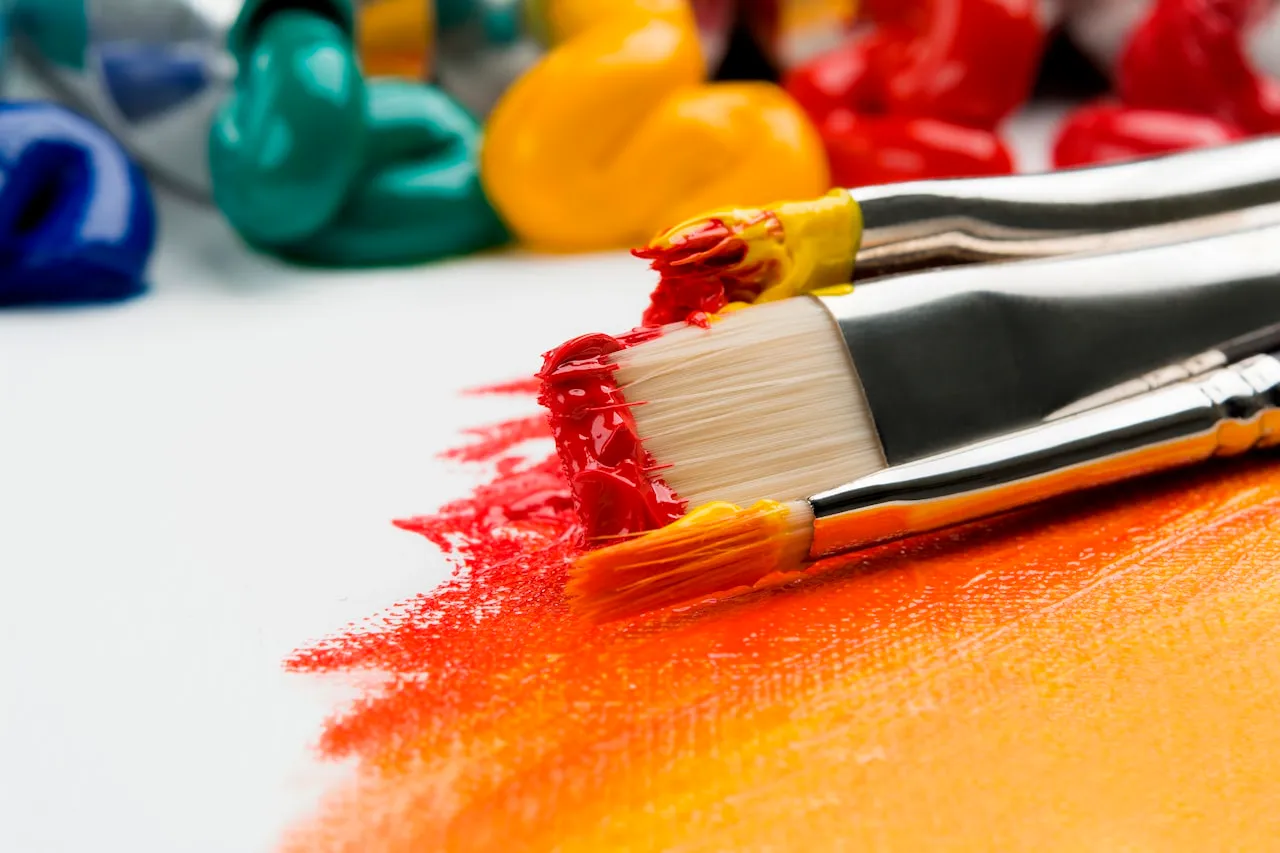
A well-curated collection does not require expensive pieces. It requires thoughtful selection and a consistent point of view. Photo by Darren Nunis on Unsplash
Emerging and Student Artists
Buying directly from emerging artists is both the most affordable and the most personally engaging form of collecting. Graduate shows at art schools are the most reliable regular source: every May and June in the UK, and on similar schedules in the US and Europe, art school degree shows present work by students completing bachelor's or master's degrees, almost all of it priced accessibly. Schools including RISD, SAIC, CalArts, Goldsmiths, and the Royal College of Art hold annual shows open to the public. Prices at graduate shows typically range from $50 for small works on paper to several hundred dollars for larger paintings.
The argument for buying at graduate shows is not just price. Artists at this stage are first presenting work to the public. Collectors who engage seriously here, who return to artists they have bought from, who collect consistently over time, are contributing to the conditions that allow artists to continue making work. For collectors who care about supporting art-making rather than just acquiring objects, this matters.
Instagram has become a genuinely important platform for discovery and direct purchase. Many artists sell work directly through their profiles or through linked shops. The 2026 market data shows that 51% of collectors have purchased through Instagram without seeing the work in person. The advantage of following artists on social media is that you see their practice develop, which gives you a richer understanding than any single gallery show provides.
Thrift Stores, Estate Sales, and Flea Markets
Secondhand venues are an underappreciated source of affordable art. Paintings, prints, drawings, and photographs turn up regularly at thrift stores, estate sales, and flea markets, often priced without expertise, which means works with real value appear at trivial prices regularly. Most of what you find will be unremarkable. Patience and a trained eye can yield genuine discoveries.
What to look for when thrifting art: check the surface for brushstrokes, pencil marks, or texture, since originals have a physical presence that reproductions lack. Good framing suggests someone valued the piece enough to frame it properly. Check the back for signatures, gallery labels, exhibition stickers, or any provenance information. And if a piece stops you in your tracks, that response is worth paying attention to.
Art Fairs and Affordable Art Events
The Affordable Art Fair, which runs in cities worldwide including New York, London, Amsterdam, and Hong Kong, caps prices to ensure accessibility, and the majority of works are considerably below the ceiling. The Other Art Fair showcases independent and emerging artists with prices typically under $5,000. The London Original Print Fair at the Royal Academy is focused specifically on prints from galleries across the UK and Europe and is an excellent place to see a wide range of printmaking at different price points.
Open studio events, where artists invite the public into their working spaces, are among the most valuable experiences for a new collector. They are typically free, give you direct access to artists and their practice, and often involve work at accessible prices. Most cities with active arts communities have organized open studio weekends throughout the year.
Collecting Strategies
Collect Around a Focus
The most common mistake new collectors make is buying randomly: a little of everything, across styles, periods, and mediums, with no connecting logic. A collection has a point of view. It tells you something about what the collector thinks and cares about. A focus does not have to be narrow or academic. It can be thematic, material, geographic, or technical. What it does is give each new acquisition context and make the whole more than the sum of its parts. It also builds expertise, which helps you make better decisions about what to buy and what to pass on.
Buy What You Love, and Challenge Your Tastes
Buy what genuinely moves you. Do not buy art as an investment, or because someone told you it would increase in value, or to impress people. The Vogels' collection became invaluable not because they were savvy investors but because they bought what they loved with absolute consistency. But also go further: regularly look at things that are not immediately appealing. Significant work often takes time to understand. Visit museums regularly to understand what makes art good. Attend gallery openings and read criticism. A well-curated wall of affordable art can be more personally meaningful than a single expensive painting bought without real engagement.
Build Relationships
Talk to gallery owners. Chat with artists at openings. Ask questions. Gallery owners will often work with you on price or payment plans if they know you are a serious, engaged collector. Artists may offer studio prices to buyers they know personally. The art world rewards curiosity and genuine interest, and the relationships you build become one of the most valuable parts of collecting.
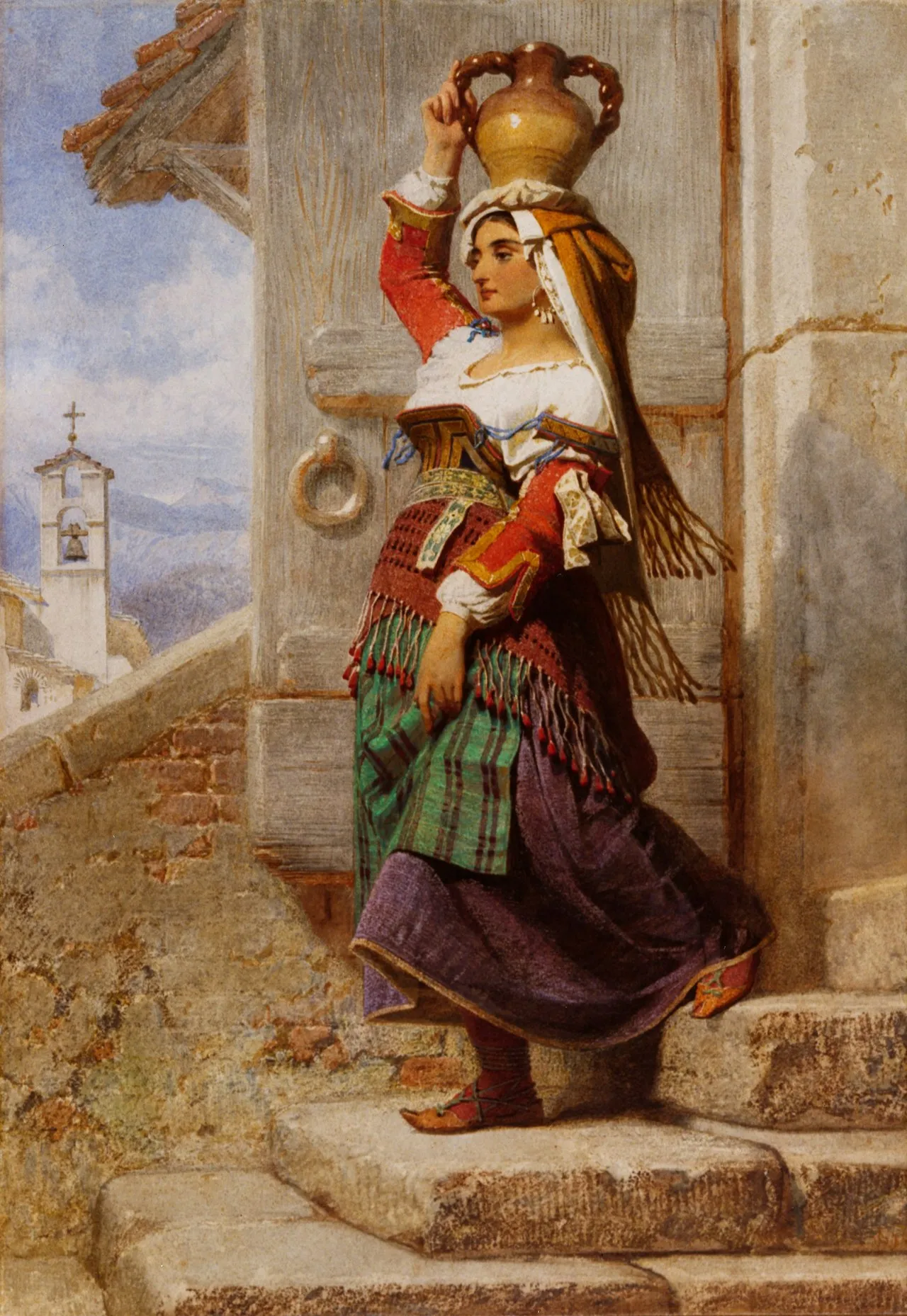
Small independent galleries often feature emerging artists with works priced accessibly for new collectors. Photo by Medhat Dawoud on Unsplash
Caring for Your Collection
Original works are affected by light, humidity, and temperature. Direct sunlight fades pigments, bleaches paper, and degrades varnishes. Works on paper should be hung away from direct light and framed with UV-filtering glass and acid-free matting. Oil paintings benefit from stable conditions: avoid exterior walls in cold climates, avoid hanging above radiators, and aim for 40 to 60% relative humidity in rooms where art is displayed.
Keep records from your first acquisition. Photograph each work from the front, back, and any significant details. Record the purchase price, date, source, and any provenance information the seller provided. Keep receipts. For works over a few hundred dollars, ask for a certificate of authenticity or at minimum a written description. This documentation is essential for insurance and becomes provenance that affects future value.
Final Thoughts
Building an art collection is a long-term practice. The Vogels built theirs over decades, on ordinary salaries, by showing up consistently and buying what they believed in. The collection that results from sustained, thoughtful engagement is more interesting than one assembled quickly with a large budget, because it reflects the collector's genuine development over time.
Start wherever you are. Buy one print from a local artist. Go to a graduate show and spend real time looking before you buy anything. Visit a thrift store with fresh eyes. The first acquisition is the hardest; after that, the practice builds its own momentum. For understanding what you are looking at as your collection develops, explore our guide to how to look at art, or learn how to start appreciating art if you are just beginning. What kind of art are you most interested in collecting? Share it in the comments.


