Paris Musees Open Access: 312,000 CC0 Images from 14 Paris Museums
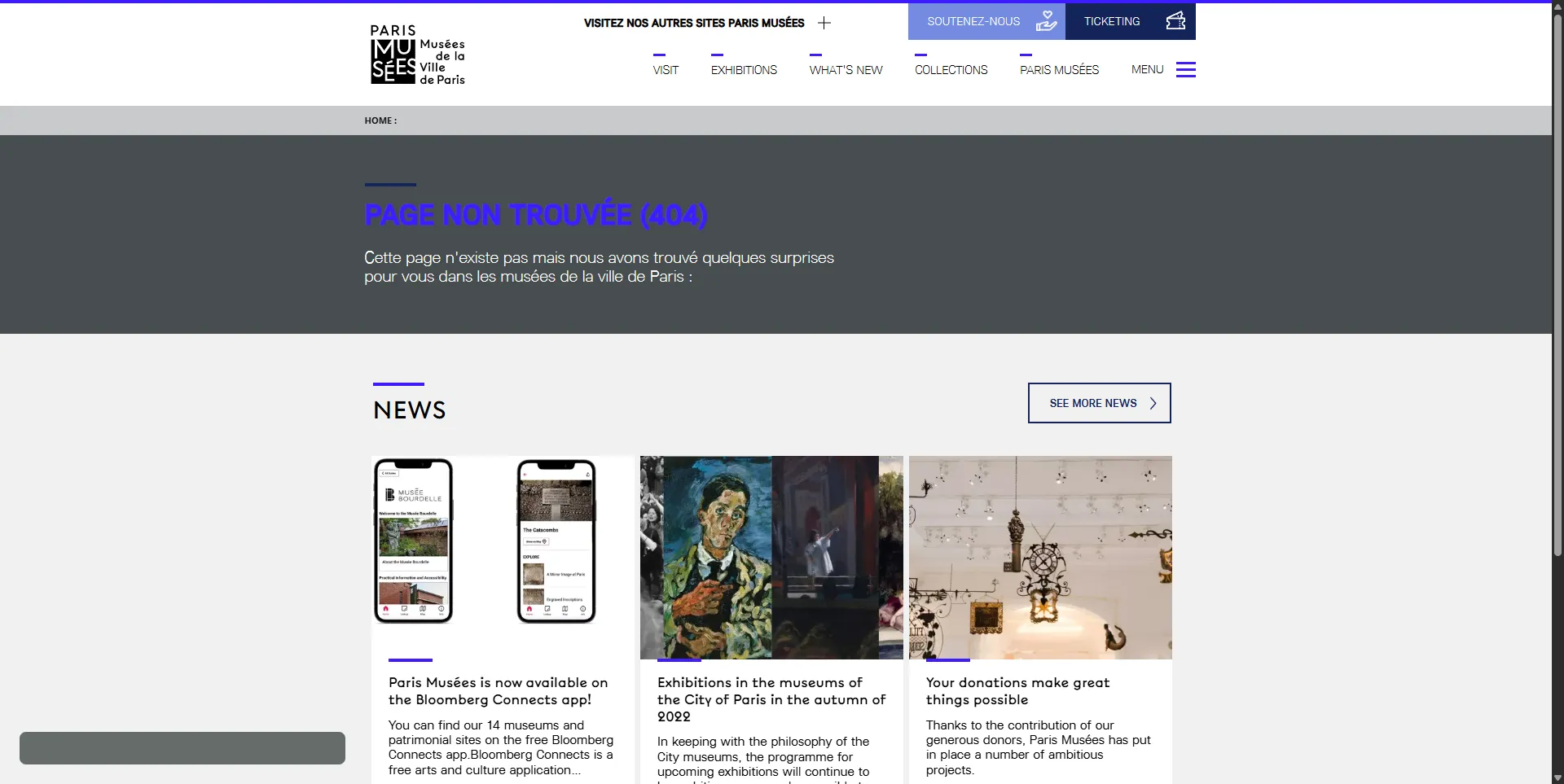
Paris Musees is the public institution that manages the 14 municipal museums of Paris, and its Open Content program provides free access to over 312,000 high-resolution images from the collections of these museums under a Creative Commons Zero (CC0) licence. Launched in January 2020, the Paris Musees open access program is one of the most generous offered by any French cultural institution, making an extraordinary range of French art and cultural heritage freely available for any use.
The 14 Paris municipal museums covered by the program include some of the most important and distinctive museums in France, from the Musee Carnavalet's extraordinary collection of Paris history through the Petit Palais's comprehensive collection of fine and decorative arts, the Musee de la Vie Romantique's intimate collection of Romantic-era art, and the Maison de Balzac's collection related to the great French novelist. The diversity of the collections reflects the extraordinary breadth of Paris's municipal museum system.
The program launched with approximately 100,000 images in January 2020 and has grown steadily to over 312,000 images as of 2026. New images are added as museums continue digitizing their collections.
The Petit Palais Collection
The Petit Palais is one of the most important of the 14 Paris municipal museums, holding a comprehensive collection of fine and decorative arts from ancient times through the early twentieth century. The collection is particularly strong in French nineteenth-century painting and sculpture, with major works by Gustave Courbet, Eugène Delacroix, and other leading figures of French Romantic and Realist painting.
The French nineteenth-century painting in the Petit Palais collection is one of the most important aspects of the open access program for artists and researchers who want to study this period. The collection covers the full range of French painting from the Neoclassical period through Impressionism and Post-Impressionism, with major works that document the extraordinary development of French painting in the nineteenth century.
The decorative arts collection at the Petit Palais is another important aspect of the open access program, with major works in ceramics, glass, metalwork, and other decorative arts media that document the full range of French decorative arts production from the medieval period through the Art Nouveau movement. The decorative arts collection is particularly valuable for designers and craftspeople who work with French decorative arts traditions.
The Musee Carnavalet Collection
The Musee Carnavalet holds one of the most important collections of Paris history in the world, with objects, paintings, photographs, and other materials that document the history of Paris from prehistoric times through the present day. The collection is particularly strong in materials related to the French Revolution and the nineteenth century, with extraordinary objects and documents that provide a direct connection to these pivotal periods in French and world history.
The French Revolution materials in the Carnavalet collection are among the most historically significant in the open access program, with objects and documents that provide a direct visual connection to one of the most important events in modern history. The collection includes portraits of revolutionary figures, objects associated with specific events, and other materials that document the specific visual culture of the revolutionary period.
The nineteenth-century Paris materials document the extraordinary transformation of Paris in the nineteenth century, from the medieval city that existed before Haussmann's renovation through the modern city that emerged from it. The collection includes paintings, photographs, and other materials that document the specific appearance of Paris at different moments in its nineteenth-century development.
The Musee de la Vie Romantique
The Musee de la Vie Romantique holds a collection focused on the Romantic period in French art and culture, with works by Ary Scheffer and other Romantic artists alongside objects and documents related to the literary and artistic figures of the Romantic movement. The collection is particularly strong in materials related to George Sand, the celebrated French novelist, with a comprehensive collection of objects and documents related to her life and work.
The Romantic period collection is particularly valuable for artists and researchers who want to study the specific visual culture of French Romanticism, including the specific approaches to portraiture, landscape, and other subjects that characterise Romantic art. The collection provides access to works that are not easily found in other open access repositories, reflecting the Musee de la Vie Romantique's specific collecting focus.
The Fashion and Costume Collections
Fashion and costume are another important category in the Paris Musees open access program, with collections from the Musee Galliera (Musee de la Mode de la Ville de Paris) and other Paris museums providing access to thousands of images of historical French fashion. The fashion collections are particularly valuable for fashion designers, illustrators, and researchers who want to study the specific development of French fashion from the seventeenth century through the twentieth.
The French fashion collections are among the most important in the world, reflecting Paris's historic role as the global centre of fashion design and production. The specific visual language of French fashion across different periods, including the characteristic silhouettes, fabrics, and decorative details that define different eras of French fashion, is documented in extraordinary detail in these collections.
The Search Interface
The Paris Musees open content portal provides an interface for browsing and searching the open access collections. The search allows filtering by museum, collection, date, and other parameters, making it possible to find images relevant to specific research or creative needs. The interface is available in both French and English, though the French version is more complete and sometimes contains additional metadata.
The download options provide access to images at multiple resolutions, with the highest resolution versions suitable for detailed study and large-format reproduction. The download process is straightforward, with each work's page providing clear information about the licence status and download options. No registration is required to download CC0 images.
Paris Musees vs. Other Museum Open Access Programs
Paris Musees occupies a specific niche among museum open access programs. The Smithsonian offers 5.1 million items across art, science, and history. The Rijksmuseum offers 800,000+ Dutch masterworks in ultra-high resolution. The New York Public Library offers 900,000+ items focused on everyday visual culture. Paris Musees offers 312,000+ images focused specifically on French art, Paris history, and French fashion, making it the best specialized resource for these subjects.
For curated public domain content from multiple institutions, Rawpixel also hosts some Paris Musees material alongside other museum collections. For contemporary stock photography, Unsplash or Pexels are better choices.
Insider Tips
The Paris Musees portal is available in English at parismusees.paris.fr/en/open-content, but the French version sometimes contains additional metadata and collection descriptions. If you are researching a specific work, check both language versions.
When searching, use the museum filter to narrow results to specific institutions. The 14 museums have very different collecting strengths, and filtering by museum produces more targeted results than broad keyword searches.
For fashion research specifically, filter by the Musee Galliera to access the fashion and costume collection. For Paris history, filter by Musee Carnavalet. For fine art, filter by Petit Palais.
Final Verdict: Who Is This Actually For?
Painters studying French art traditions will find the Petit Palais collection provides access to high-resolution images of major works from French Romantic, Realist, and Impressionist traditions, allowing detailed examination of technique.
Fashion designers and illustrators who work with French fashion traditions will find the Galliera collection provides an extraordinary range of reference material covering the full development of French fashion.
Historical researchers working on Paris history or the French Revolution will find the Carnavalet collection provides direct visual access to pivotal moments in French history.
Educators can use the CC0 images freely in teaching materials, presentations, and publications about French art, history, and culture without licensing costs.
For broader museum collections, the Smithsonian or Rijksmuseum offer more items. For contemporary stock photography, Unsplash or Pexels serve better. But for the specific combination of French art, Paris history, Romantic-era works, and French fashion, all under CC0 with no attribution required, Paris Musees is the best specialized resource available.
Start exploring at parismusees.paris.fr/en/open-content.