Openverse: One Search Box for 800 Million Free Images and Audio Files
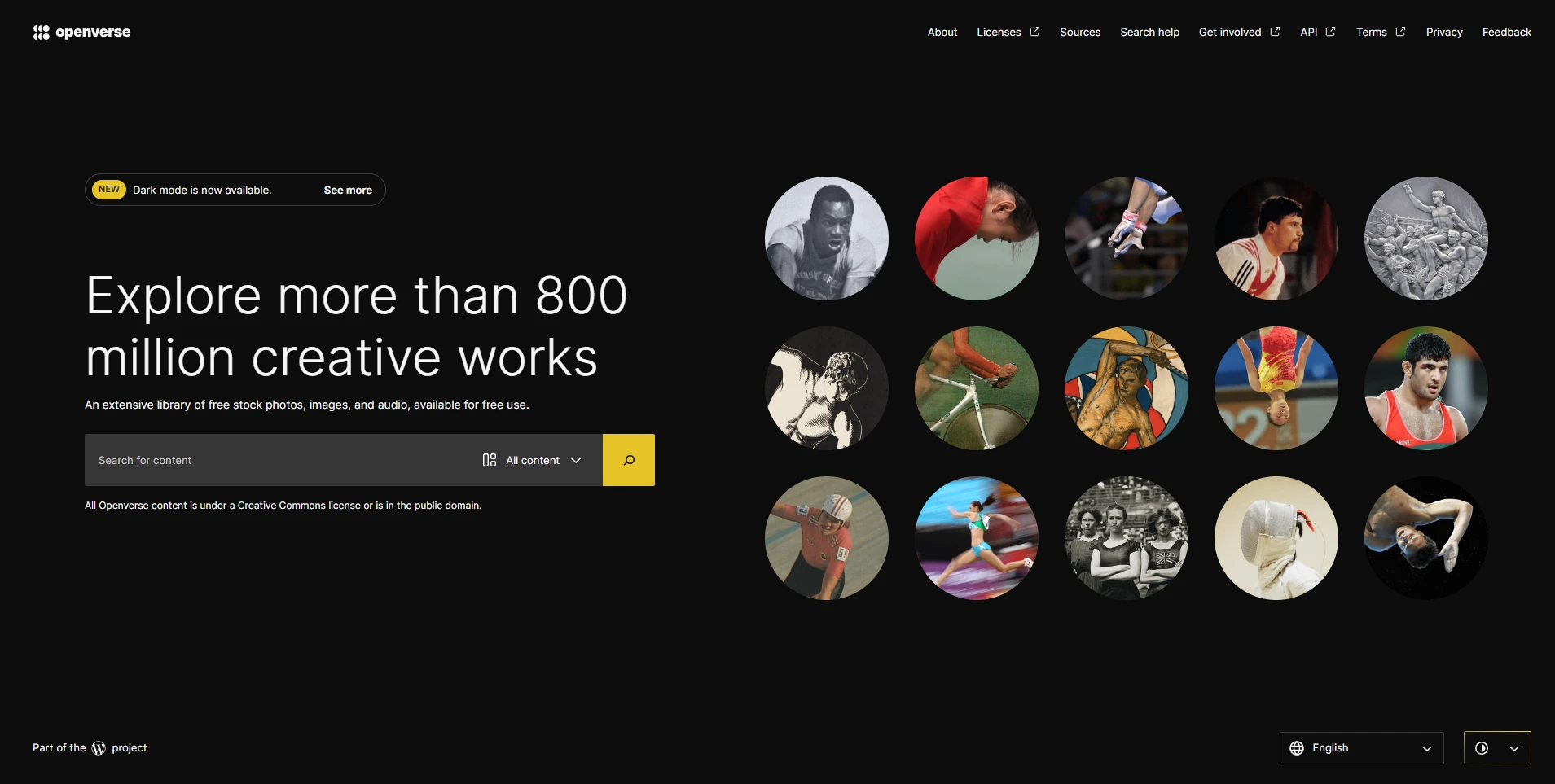
If you have ever wasted an hour jumping between Flickr, Wikimedia Commons, and five museum websites trying to find a CC-licensed image for a blog post, Openverse was built for you. It is a search engine that indexes over 800 million Creative Commons-licensed and public domain images and audio files from dozens of sources and lets you filter, find, and generate attribution in one place.
Openverse started life as CC Search, a project incubated at Creative Commons. In 2021, it moved to the WordPress community and rebranded as Openverse. It is now maintained by the WordPress open source community, runs at openverse.org, and is fully open source under the MIT license. The GitHub repository shows 284 releases with the latest push in July 2026.
What Openverse Actually Does
Openverse is a meta-search engine, not a content host. It crawls and indexes metadata from dozens of sources, including Flickr, Wikimedia Commons, Art Institute of Chicago, Cleveland Museum of Art, Europeana, the Smithsonian, Open Clip Art Library, SoundCloud, Jamendo, FreeSound, and the WordPress Photo Directory. When you find an image, clicking through takes you to the original source to download it.
The key advantage is single-search discovery. Instead of visiting each source individually, you enter one query and get results from all of them. The license filter ensures you only see content you can legally use.
License Filtering
This is Openverse's most valuable feature. You can filter results by license type:
- CC0 (Public Domain): No attribution required, any use permitted
- CC BY: Attribution required, any use permitted
- CC BY-SA: Attribution required, derivative works must share alike
- CC BY-NC: Attribution required, noncommercial use only
- CC BY-ND: Attribution required, no derivatives
- Public Domain Mark: Works believed to be in the public domain
If you need images for commercial work without attribution, filter for CC0 only. If you are writing a blog post and can provide attribution, CC BY opens up a much larger pool. The filter ensures you never accidentally use a noncommercial-only image in a commercial project.
Attribution Generator
For CC-licensed content that requires attribution, Openverse generates properly formatted attribution strings automatically. Click the "Attribution" button on any result and get a copy-paste-ready credit line with the creator name, work title, license, and source link. This eliminates the most common reason people fail to comply with CC licenses: not knowing how to format the attribution.
Collection Views
In 2024, Openverse introduced Collection views for tags, creators, and sources. When you search for an image and see a result from the Cleveland Museum of Art, clicking the source name takes you to a dedicated collection page showing all indexed works from that source. The same works for tags and individual creators.
This is genuinely useful for research. If you find one image from a museum that fits your project, the collection view lets you see everything else from that museum in Openverse's index without running a new search.
Audio Search
Openverse indexes audio from FreeSound, Wikimedia Commons, and Jamendo. You can search for music, sound effects, podcasts, and samples with the same license filtering as images. For video editors and podcast producers who need royalty-free audio, this is a significant time saver.
Major Content Sources
Openverse aggregates from dozens of sources, but a few stand out for their contribution to the index:
- Flickr: The largest single source, contributing hundreds of millions of CC-licensed photos
- Wikimedia Commons: Millions of public domain and CC-licensed images, audio, and video
- iNaturalist: Over 15 million images added recently, documenting global biodiversity through citizen science
- WordPress Photo Directory: CC0-licensed photos submitted by the WordPress community
- StockSnap: High-quality CC0 photography
- Cleveland Museum of Art: 37,000-plus CC0 artwork images
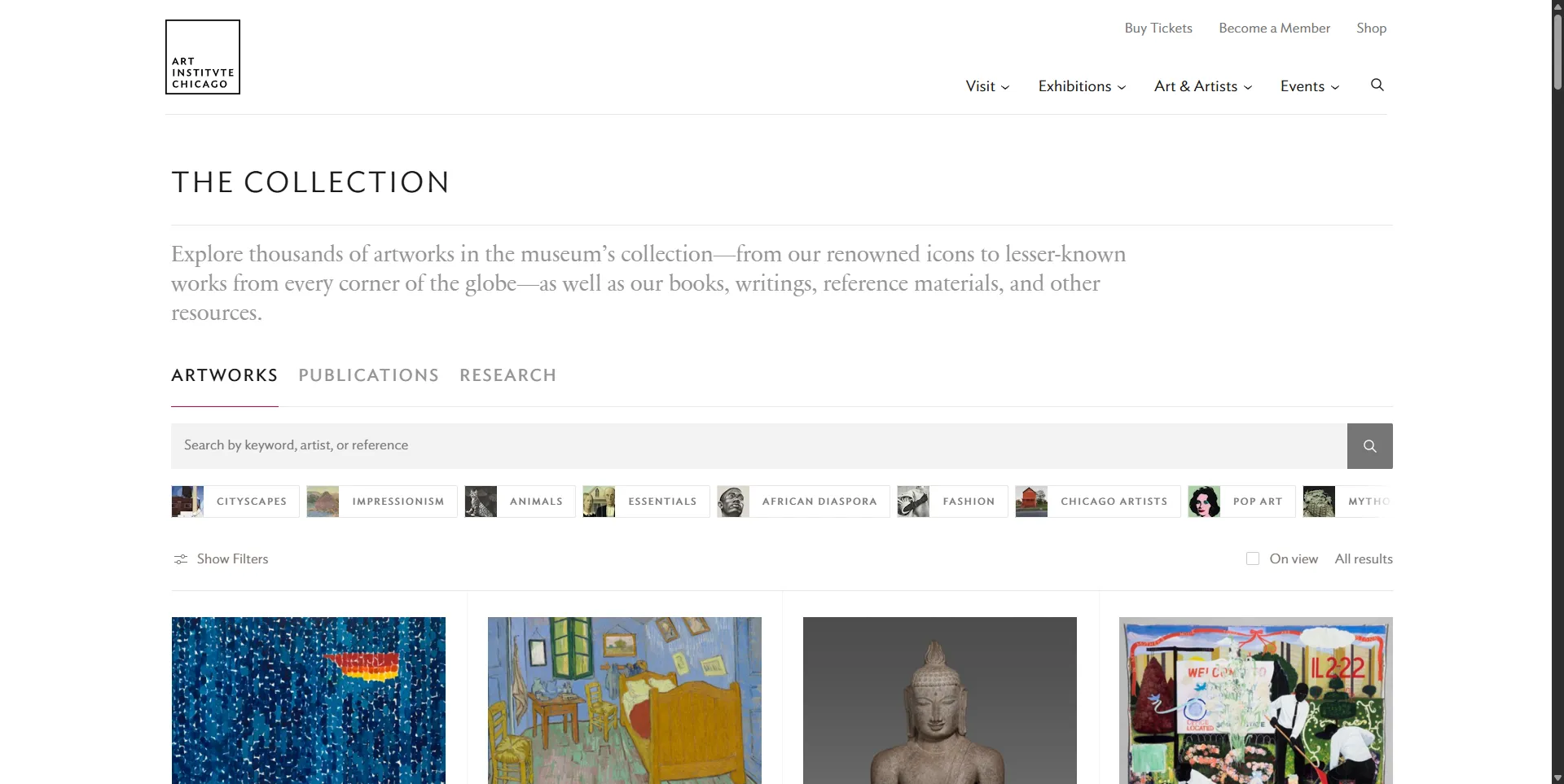
- Art Institute of Chicago: 50,000-plus CC0 artwork images
- Europeana: Millions of cultural heritage objects from European institutions
The iNaturalist addition is particularly notable for natural history illustrators and designers. Fifteen million citizen-science photographs of plants and animals, all CC-licensed, provide reference material that complements the historical illustrations available through the Biodiversity Heritage Library.
Technical Architecture
Openverse is built as a monorepo with three main components:
- Catalog: An Apache Airflow-powered system for downloading and storing metadata from source sites
- API: A Django REST API for querying the database, used by the frontend
- Frontend: A Vue and Nuxt application at openverse.org
The API is open and documented, allowing developers to build applications that query Openverse's index programmatically. This is useful for projects that need to surface CC-licensed content within custom interfaces.
The project is fully translated in 12 languages with additional partial translations, making it accessible to non-English-speaking users.
How It Compares
Compared to Wikimedia Commons, Openverse provides a cleaner search experience with better license filtering and attribution generation. Wikimedia Commons has more content but a less user-friendly interface.
Compared to Artvee, Openverse covers far more content types (audio, photos from many sources) but is less curated. Artvee offers a more polished browsing experience for public domain art specifically.
Compared to Unsplash or Pexels, Openverse includes content from those platforms' competitors (Flickr, Wikimedia) and offers license filtering that those platforms do not need (since all their content is free for commercial use). Openverse is the better choice when you need CC-licensed content from specific sources or when you need audio.
Compared to Adobe Stock or Shutterstock, Openverse is free but offers no workflow integration, no video, no 3D, and no premium content. It serves a fundamentally different need: finding openly licensed content rather than licensing premium content.
Practical Uses
Bloggers and content marketers can find CC-licensed images for articles and generate proper attribution in seconds. The license filter ensures compliance without legal research.
Video editors and podcasters can search for CC-licensed music and sound effects across multiple audio sources simultaneously.
Designers can find CC0 and CC BY images for commercial projects, filtering by license to ensure they only get content they can legally use.
Educators can find openly licensed images and audio for course materials, presentations, and online learning content.
Developers can use the Openverse API to build applications that surface CC-licensed content, such as WordPress plugins that insert Openverse images directly into blog posts.
Insider Tips
- Use the source filter to search specific institutions. If you only want results from the Cleveland Museum of Art, filter by
source=clevelandmuseum.
- The aspect ratio filter helps find images suited to specific formats: landscape for blog headers, square for Instagram, portrait for Pinterest.
- The extension filter lets you search for specific file types: JPG, PNG, GIF, SVG, or WEBP.
- For audio, filter by duration to find short sound effects or longer music tracks.
- Openverse has a content safety feature in development that will allow users to blur or opt in/out of specific types of sensitive content. Watch for this if you work in environments where content moderation matters.
Limitations
Search relevance can be inconsistent across sources. Because Openverse aggregates metadata from dozens of sources with different cataloging standards, the same search may return high-quality results from one source and poorly described results from another.
Openverse does not host content. When you click a result, you are redirected to the original source site to download the image. If that source site is down or has reorganized its URLs, the link may break.
Quality is mixed. Some sources (museum open access programs) have rigorous quality standards. Others (bulk Flickr uploads) include snapshots of varying quality. The license filter ensures legal safety but not visual quality.
Final Verdict: Who Is This Actually For?
Openverse is the best starting point for anyone who needs to find openly licensed images or audio across multiple sources in a single search. The license filtering and attribution generation solve the two biggest pain points of working with CC-licensed content: knowing what you can use and knowing how to credit it.
It is not a replacement for curated platforms like Artvee or premium stock sites like Adobe Stock. It is a discovery tool that sits on top of dozens of sources and makes them searchable through one interface. Use it to find content, then go to the source to download.
Start searching at openverse.org and check our reviews of Wikimedia Commons and Artvee for more focused alternatives.