Pexels: The King of Free Stock Video (and a Decent Photo Library Too)
While Unsplash dominates free stock photography, Pexels quietly built something arguably more valuable: the best free stock video library on the internet. Founded in 2014 in Germany by twin brothers Ingo and Bruno Joseph, Pexels started with around 800 photos and a simple premise that stock imagery should not look like stock imagery. The platform now hosts over 3.2 million photos and videos, attracts more than 100 million monthly visitors, and serves content searchable in 28 languages.
In 2019, Canva acquired Pexels along with sister platform Pixabay, integrating both libraries into Canva's design ecosystem while maintaining Pexels as an independent, freely accessible platform. The entity has since been formally renamed Canva Germany GmbH, though the brand remains unchanged. Pexels content now supports the visual layer of more than 30 billion designs created on Canva, and its API is used by over 10,000 developers. In 2026, Canva appointed Sam Sorscher as Global Head of Community for Pexels, signaling continued investment in the contributor network that feeds the platform.
The Video Advantage
This is where Pexels leaves every other free platform behind. The video library is remarkably comprehensive for a free service, covering categories that video creators actually need rather than whatever leftover footage a platform could scrape together.
The collection includes 4K and HD footage across a wide range of subjects: nature and landscapes, urban environments, technology and business, food and cooking, fitness and wellness, abstract textures, and seasonal content. Crucially, Pexels also offers a growing selection of vertical video optimized for TikTok, Instagram Reels, and YouTube Shorts, formats that have become essential for social media marketing but are underserved by most stock platforms.
For YouTubers, podcast producers, and social media managers, the availability of free B-roll footage changes the production calculus. A travel vlogger can supplement their own footage with aerial drone shots of destinations they could not film themselves. A tech reviewer can use clean footage of devices and workspaces to fill gaps in their edits. A small business can produce professional-looking promotional videos without allocating budget to expensive stock footage subscriptions.
In June 2026, Pexels launched Motion, a monthly curated edit of video footage that highlights creative uses of shutter speed and camera technique. This editorial curation helps surface footage that might otherwise get buried in search results, and it gives contributors recognition beyond raw download counts.
The video content on Pexels tends toward a modern, cinematic aesthetic. Contributors favor natural lighting, shallow depth of field, and smooth camera movements that give the footage a polished, contemporary feel. This stands in contrast to the sterile, overly produced look that characterizes much of the footage on paid platforms like Shutterstock.
The Pexels License
The Pexels License is straightforward and permissive. All photos and videos on the platform are free to use for both commercial and non-commercial purposes. You can download, modify, crop, filter, and incorporate content into any project without paying a fee or obtaining special permission.
Attribution is not required, though the platform encourages users to credit photographers when possible. This is a meaningful distinction for professionals working on high-volume projects where tracking and displaying attribution for dozens of images would create significant administrative overhead.
The license does include sensible restrictions. You cannot sell unmodified Pexels content as standalone prints, posters, or digital downloads. You cannot use identifiable people in content that implies endorsement of products or services without appropriate model releases. And you cannot redistribute Pexels content on competing stock photography platforms.
For the vast majority of use cases (websites, blogs, social media, presentations, marketing materials, app interfaces), the Pexels License provides all the freedom you need.
Search and Discovery
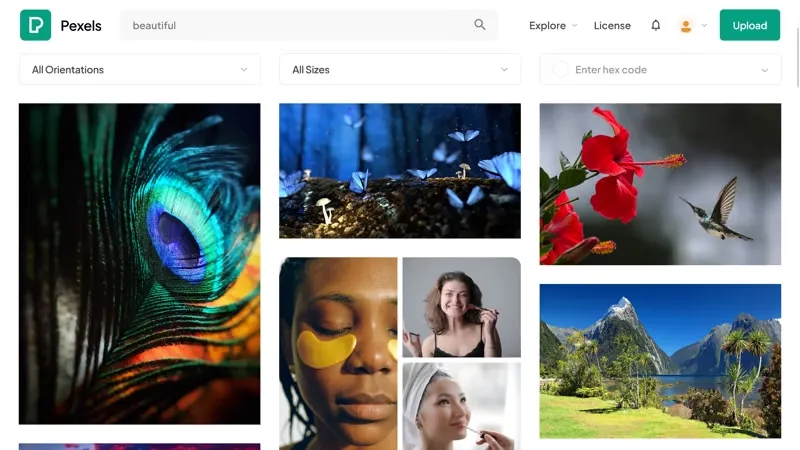
Pexels offers several tools for finding the right content quickly. The standard keyword search is effective for common queries, and the platform supports filtering by orientation, size, and color. The color search feature is particularly useful for designers working within specific brand palettes: you can search for images dominated by a particular hue, which helps maintain visual consistency across a project.
The platform also curates collections organized by theme, season, and trending topics. These collections are updated regularly and provide a useful starting point when you need inspiration rather than a specific image. The Leaderboard highlights the most popular contributors, whose portfolios often contain consistently high-quality work across multiple categories.
For developers, the Pexels API provides programmatic access to the entire photo and video library. The API is free for most applications, well-documented, and supports search, curated collections, and popular content endpoints. It powers image and video search features in numerous third-party applications, content management systems, and design tools.
The Canva Connection
Canva's acquisition of Pexels in 2019 brought additional resources and visibility to the platform without fundamentally changing its free model. Pexels content is now directly accessible within Canva's design editor, allowing millions of Canva users to search and insert free photos and videos without leaving their design workflow.
This integration has significantly expanded the reach of Pexels contributors, whose work now appears in presentations, social media graphics, and marketing materials created by Canva's massive user base. For contributors, this exposure can lead to recognition, followers, and opportunities that extend beyond the Pexels platform itself.
The acquisition also improved the platform's infrastructure, with faster load times, better search algorithms, and more reliable uptime. Canva's continued investment in Pexels, including the 2026 appointment of a dedicated community lead, suggests a long-term commitment to maintaining the free model as a complement to Canva's own premium content offerings.
Pexels vs. Unsplash vs. Pixabay
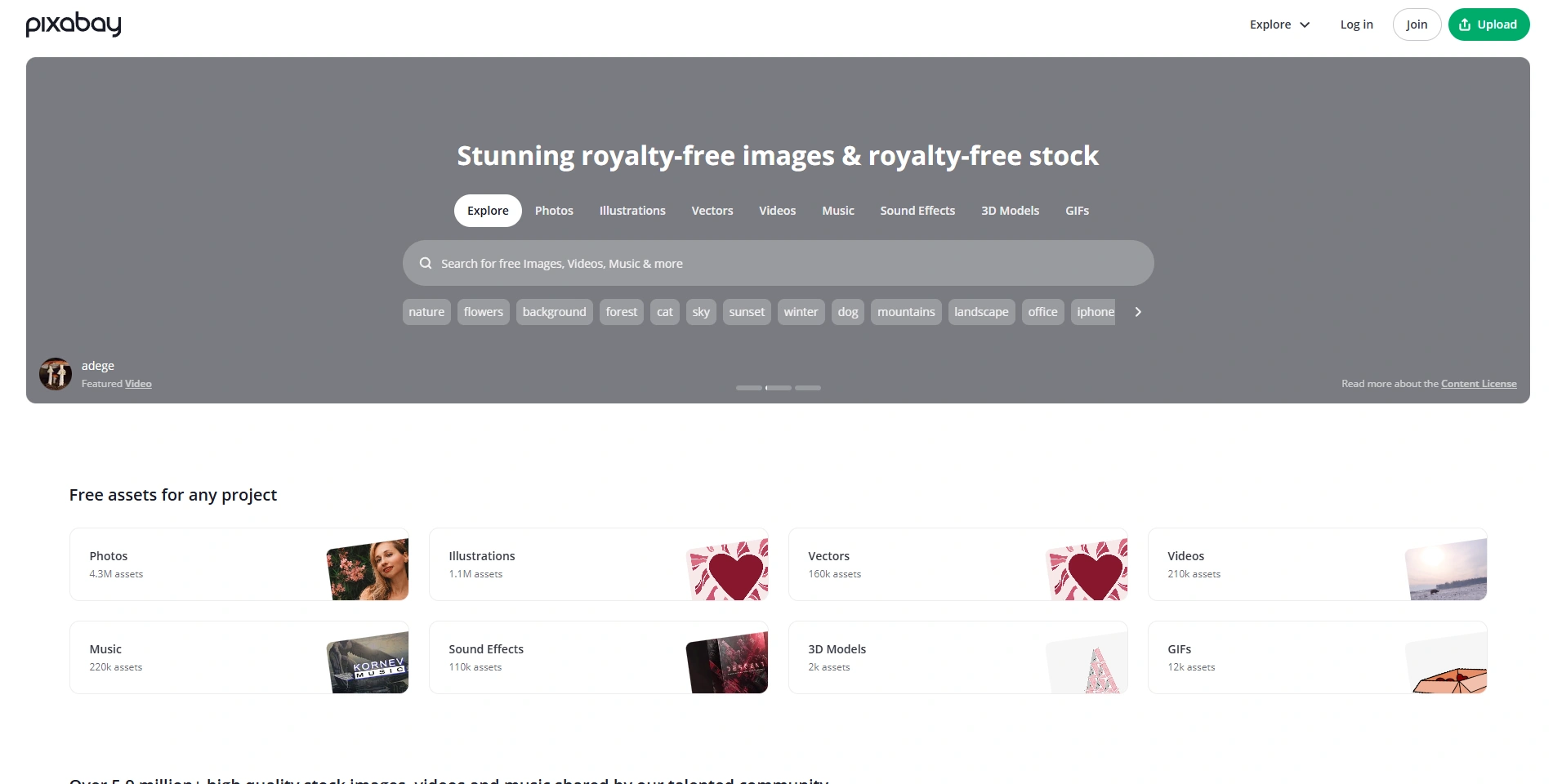
The three major free stock platforms, all now owned by larger companies, each serve different needs. Unsplash offers the highest average photography quality through selective curation, making it the go-to for hero images and web design. Pexels dominates free stock video with its 4K library and vertical formats. Pixabay provides the broadest media scope with over 6 million assets including illustrations, vectors, music, and 3D models.
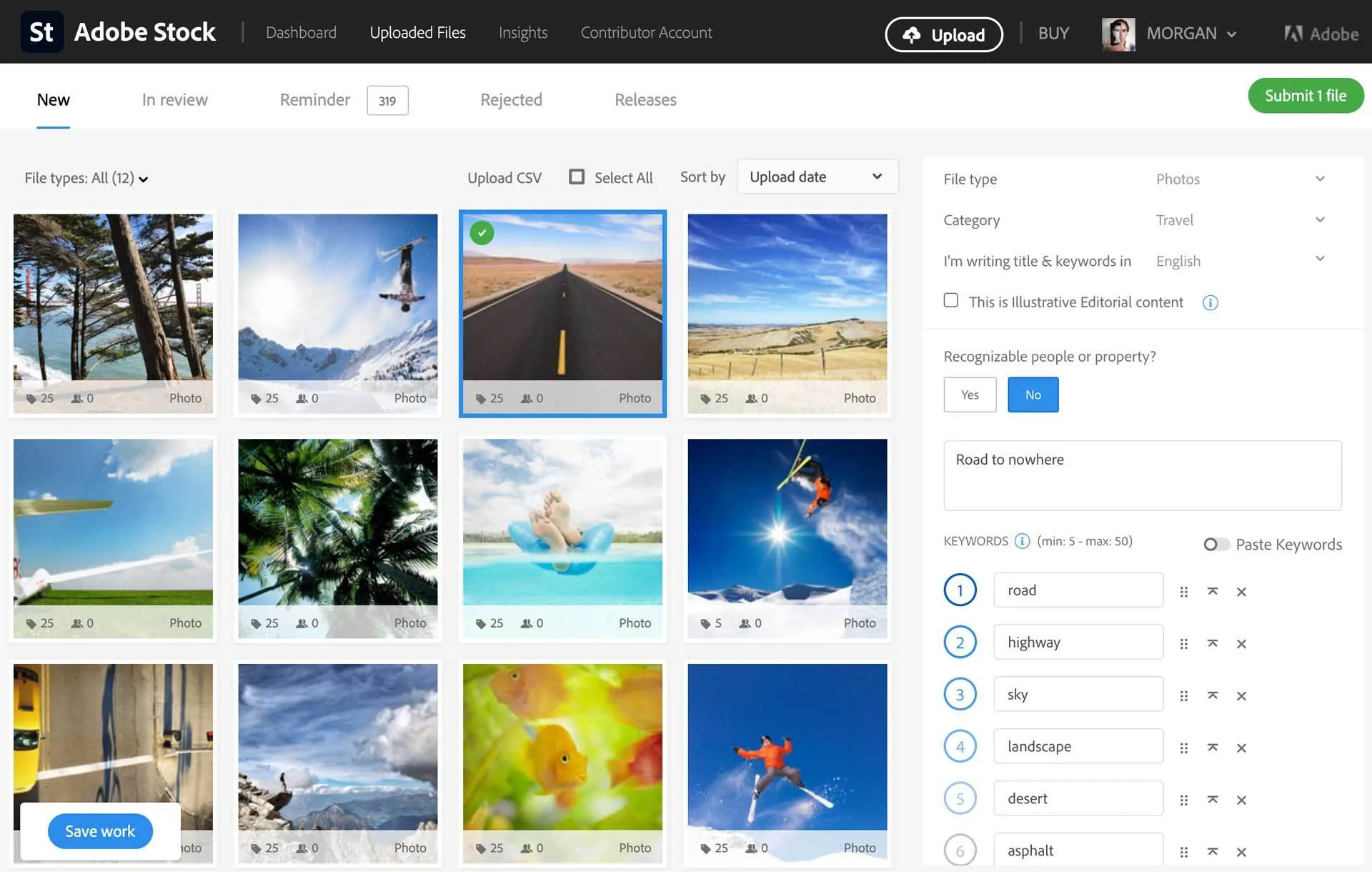
For video content specifically, no other free platform comes close to Pexels. Pixabay has a video section, but it is smaller and less curated. Paid platforms like Shutterstock offer vastly more video content, but at $59/month and up for video subscriptions, the cost is prohibitive for most independent creators.
Content Quality and Curation
Pexels maintains quality standards through a combination of community curation and editorial review. Not every submitted photo or video is accepted. The platform evaluates submissions for technical quality, composition, and relevance. This curation process helps maintain a higher average quality than platforms that accept all submissions indiscriminately.
That said, quality does vary. The best content on Pexels rivals what you would find on paid platforms, with professional-grade photography and cinematic video footage. But the library also contains images that are competent but unremarkable, adequate for blog posts and presentations but not distinctive enough for premium brand campaigns.
The platform's strength lies in lifestyle, nature, technology, and urban photography. Categories like medical imagery, industrial photography, and highly specific business scenarios are less well-represented, which is where paid platforms with larger contributor networks maintain an advantage.
Insider Tips
For video creators, filter by orientation and select vertical before searching. This immediately narrows results to footage formatted for TikTok, Reels, and Shorts, saving you from manually cropping horizontal clips. For photographers and designers, the color search tool is the single most underused feature on Pexels. If you are building a website with a specific brand palette, searching by hex color returns images that already match your design system, eliminating hours of post-processing.
The Leaderboard is worth checking periodically. Contributors who rank highly tend to produce consistently strong work across multiple categories, and browsing their portfolios often surfaces better content than generic keyword searches.
For developers, the Pexels API is free for most applications and supports both photo and video endpoints. The rate limit is 200 requests per hour, which is sufficient for most production use cases.
The Limitations
Like all free platforms, Pexels has trade-offs. The most significant is the absence of guaranteed model releases for images featuring identifiable people. While Pexels encourages contributors to obtain releases, the platform cannot verify compliance for every submission. For major commercial campaigns (national advertising, product packaging, billboards), this creates legal risk that paid platforms mitigate through systematic vetting.
The library, while large, is smaller than paid competitors like Shutterstock with its 500 million+ assets. Highly specific or niche search queries may return limited results, and the most popular images are used widely enough that visual distinctiveness can be a concern for brands.
Search filtering is less granular than on paid platforms. You cannot filter by model release status, number of people, specific demographics, or detailed compositional characteristics. For creative briefs that require very precise imagery, paid platforms offer more targeted results.
Final Verdict: Who Is This Actually For?
Pexels occupies a unique and valuable position in the stock media landscape. Its combination of free high-quality photography, an industry-leading free video library, a permissive license, and deep integration with Canva makes it an essential resource for creators at every level.
Video creators and YouTubers will find Pexels indispensable for B-roll footage. The combination of free 4K video, vertical formats, and a cinematic aesthetic makes it the best free resource for supplementing original video content.
Social media managers benefit from the endless supply of fresh, modern imagery and video clips suitable for Instagram, TikTok, LinkedIn, and Facebook posts. The ability to download and use content immediately, without licensing negotiations, keeps content calendars on schedule.
Web designers and developers can source hero images, background textures, and placeholder content quickly. The API integration makes it easy to build Pexels search directly into custom content management systems.
Small businesses and startups with limited marketing budgets can produce professional-looking websites, brochures, and advertisements using Pexels content, reserving their budget for custom photography only where it is truly necessary.
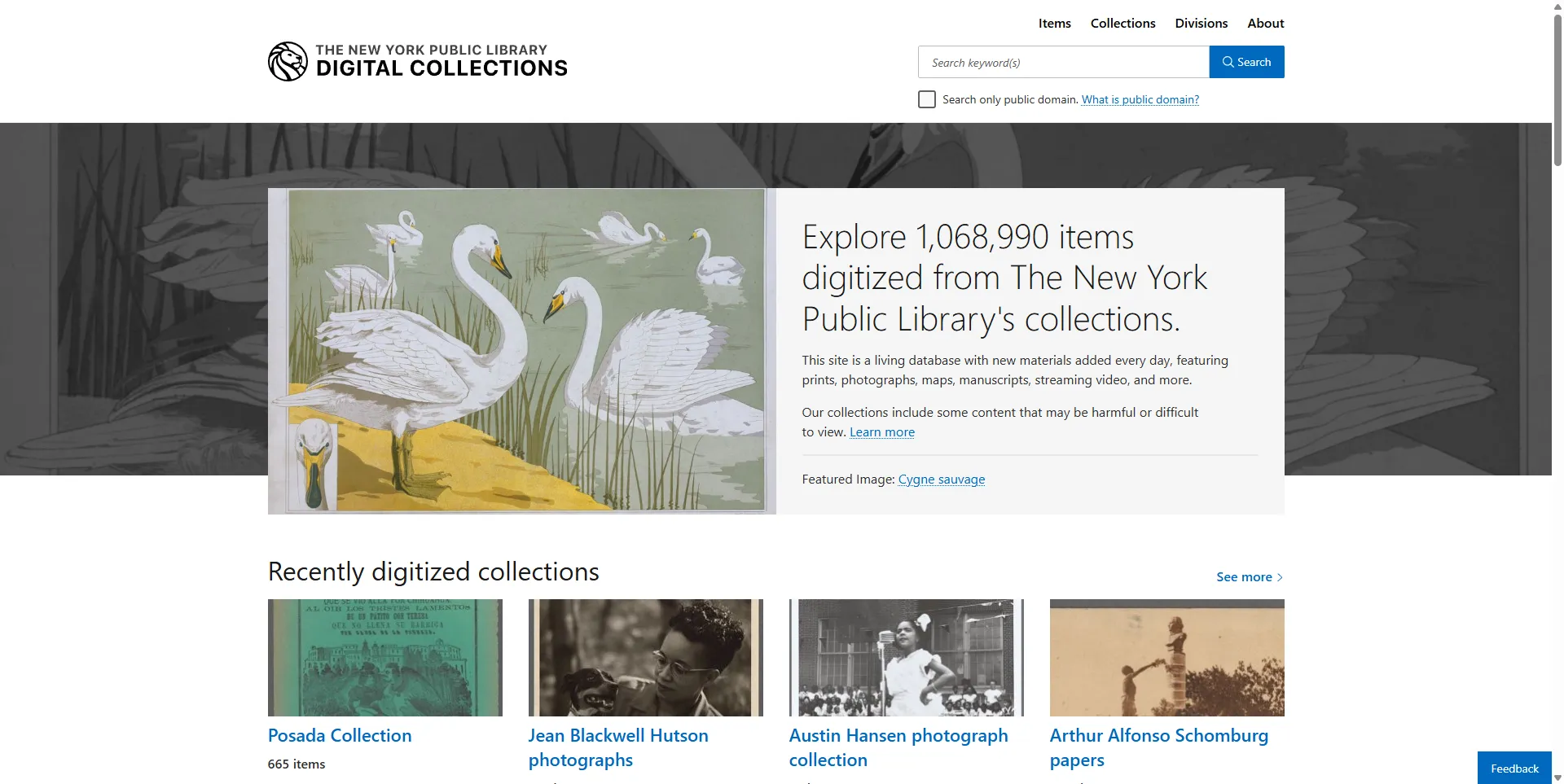
For video content in particular, no other free platform comes close to matching Pexels in terms of quality, variety, and usability. For photography where you need the highest aesthetic quality, Unsplash remains the stronger choice. For public domain artwork and museum collections, Smithsonian Open Access or Rawpixel are better specialized resources.
Start downloading free photos and video at pexels.com, or explore the Pexels API for programmatic access.