Rijksmuseum Open Data: Dutch Masterworks in 100MP, Free for Any Use
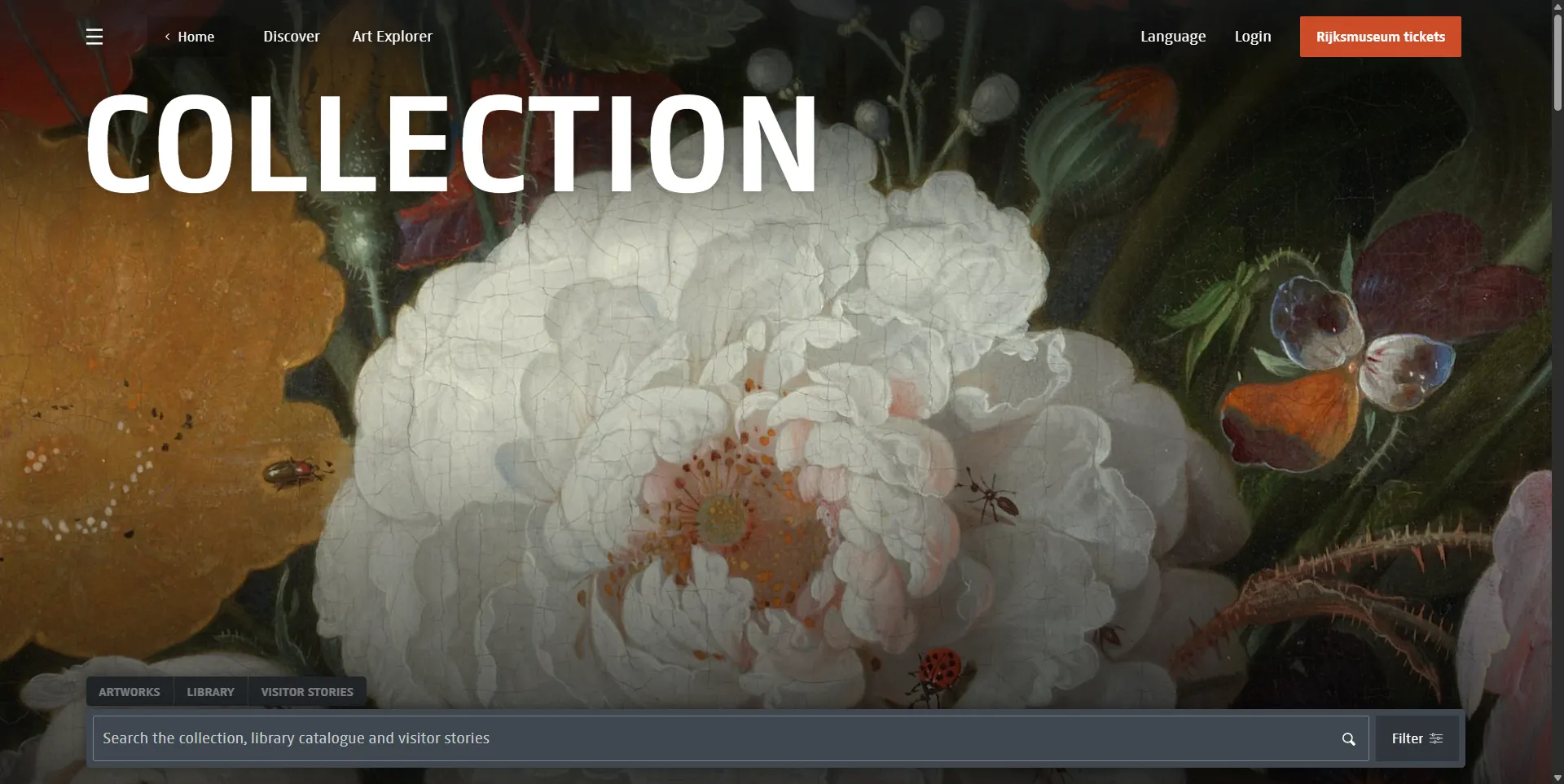
The Rijksmuseum Open Data program is one of the most generous and practically valuable open access initiatives ever undertaken by a major art museum. The Rijksmuseum in Amsterdam, home to the world's greatest collection of Dutch Golden Age painting, has made details for over 800,000 objects available through its Collection Online platform, most with high-resolution images, under a Creative Commons Zero (CC0) licence. No attribution is required and the images can be used for any purpose, including commercial use, without restriction.
The Rijksmuseum achieved worldwide fame in 2011/12 with a de facto open data policy linked to the Rijksstudio collection website. Since then, it has made all photos of copyright-free collection objects available as public property. In July 2024, the museum launched its first formal Information and Data Policy, expanding the de facto policy into a comprehensive framework aligned with FAIR data principles (Findable, Accessible, Interoperable, Reusable). In June 2026, the museum published practical tutorials covering the Search API, OAI-PMH, LDES, and IIIF, making it easier than ever for developers to work with the collection data.
The scale and quality of the Rijksmuseum's open access offering is extraordinary. The collection includes works by Rembrandt van Rijn, Johannes Vermeer, Frans Hals, Jan Steen, Pieter de Hooch, and hundreds of other Dutch and Flemish masters, many in resolutions so high that individual brushstrokes, craquelure, and the texture of the paint surface are clearly visible. For painters who want to study the technique of the Dutch masters at a level of detail that was previously available only to museum conservators, the Rijksmuseum open data is a genuinely transformative resource.
Rijksstudio: The Interface for Open Access
The Rijksmuseum's open access collection is accessible through Rijksstudio, the museum's online platform for exploring and downloading collection images. Rijksstudio provides a well-designed interface for browsing and searching the collection, with tools for creating personal collections of favourite works, downloading high-resolution images, and exploring the collection through curated themes and artist pages.
The search functionality is excellent, allowing users to search by artist, period, subject, medium, and other criteria. The results are presented as a visual grid that allows rapid scanning and comparison, and each work's page provides detailed information about the work's history, dimensions, materials, and condition alongside the downloadable image.
The download quality is exceptional. Many works in the Rijksmuseum collection are available in resolutions of 100 megapixels or more, producing image files that are large enough to print at enormous scale while maintaining full detail. For artists who want to study specific aspects of a painting, such as the way Rembrandt built up paint in the highlights of a portrait or the specific texture of Vermeer's surfaces, these ultra-high-resolution images provide a level of access that was previously impossible outside the museum itself.
The Dutch Golden Age Collection
The Dutch Golden Age collection is the heart of the Rijksmuseum and the primary reason that artists and researchers worldwide access the open data program. The seventeenth century was the golden age of Dutch painting, producing an extraordinary concentration of artistic talent and technical mastery that has never been equalled in such a small geographic area over such a short period.
Rembrandt van Rijn is represented in the collection by dozens of paintings, drawings, and prints, including the monumental Night Watch, one of the most famous paintings in the world, available in a gigapixel image that allows every detail of the enormous canvas to be examined in extraordinary detail. The Rembrandt holdings also include self-portraits, biblical scenes, portraits, and the extraordinary late works that represent the culmination of his career.
Johannes Vermeer is represented by several of his rare surviving paintings, including The Milkmaid and Woman Reading a Letter, available in resolutions that allow the specific quality of Vermeer's paint surface, his use of light, and the extraordinary precision of his observation to be studied in detail. For painters who want to understand how Vermeer achieved his distinctive effects, the Rijksmuseum's high-resolution images are an invaluable resource.
Frans Hals, Jan Steen, Pieter de Hooch, Jacob van Ruisdael, and dozens of other major Dutch masters are represented in the collection, providing a comprehensive picture of the extraordinary range and quality of Dutch Golden Age painting.
Beyond the Dutch Golden Age
While the Dutch Golden Age collection is the primary attraction, the Rijksmuseum's open data program covers the full breadth of the museum's collection, which extends well beyond Dutch painting.
Prints and drawings from the fifteenth century through the twentieth are well-represented, including an extraordinary collection of prints by Rembrandt and other Dutch and Flemish printmakers. The print collection is one of the finest in the world, and the high-resolution scans available through the open data program allow detailed study of technique and process.
Decorative arts including Delftware ceramics, silver, furniture, and textiles from the Dutch Golden Age and other periods provide a comprehensive picture of Dutch material culture and craftsmanship. These objects are valuable reference material for artists and designers working with historical subjects and decorative traditions.
Photographs from the nineteenth and early twentieth centuries document Dutch life, landscape, and culture in ways that are valuable for historical research and for artists working with historical reference.
Data Services and API Access
The Rijksmuseum operates multiple data access points through data.rijksmuseum.nl. The Search API allows querying the collection by keyword, artist, type, material, and other criteria. OAI-PMH enables bulk harvesting of metadata. LDES (Linked Data Event Stream) tracks changes over time, and IIIF provides standardized access to high-resolution images with zoom and pan capabilities.
The dataset is modelled in both the Europeana Data Model and Linked Art, making it interoperable with other cultural heritage data sources. In June 2026, the museum published step-by-step tutorials covering all four access methods, with concrete examples and working code.
The Rijksmuseum is also expanding its data services in phases: the Research Library catalogue was added in 2024, Object Documentation is planned for 2025, Research Data for 2026, and the Institutional Archive for 2027.
Practical Uses for Artists
For painters who want to study the technique of the Dutch masters, the Rijksmuseum open data provides access to images of a quality and resolution that enables genuine technical study. The ultra-high-resolution images of Rembrandt's paintings allow the specific way he built up paint in the lights, the texture of his impasto, and the transparency of his glazes to be examined in detail that reveals the actual mechanics of his technique.
For illustrators and designers who work with historical Dutch subjects, the collection provides an extraordinary range of reference material covering costume, interior design, landscape, and material culture of the seventeenth century. The accuracy and detail of Dutch Golden Age painting makes it one of the most reliable sources of historical reference available for this period.
For educators who want to teach the history of Dutch painting, the open data program provides access to high-quality images of major works that can be used freely in teaching materials, presentations, and publications without licensing costs.
The Rijksstudio Make Tool
Rijksstudio includes a Make tool that allows users to create their own products using Rijksmuseum images, including prints, phone cases, and other merchandise. This tool reflects the museum's commitment to making its collection genuinely useful and accessible rather than simply available, and it provides a practical way for individuals to engage with the collection beyond simply downloading images.
Rijksmuseum vs. Other Museum Open Access Programs
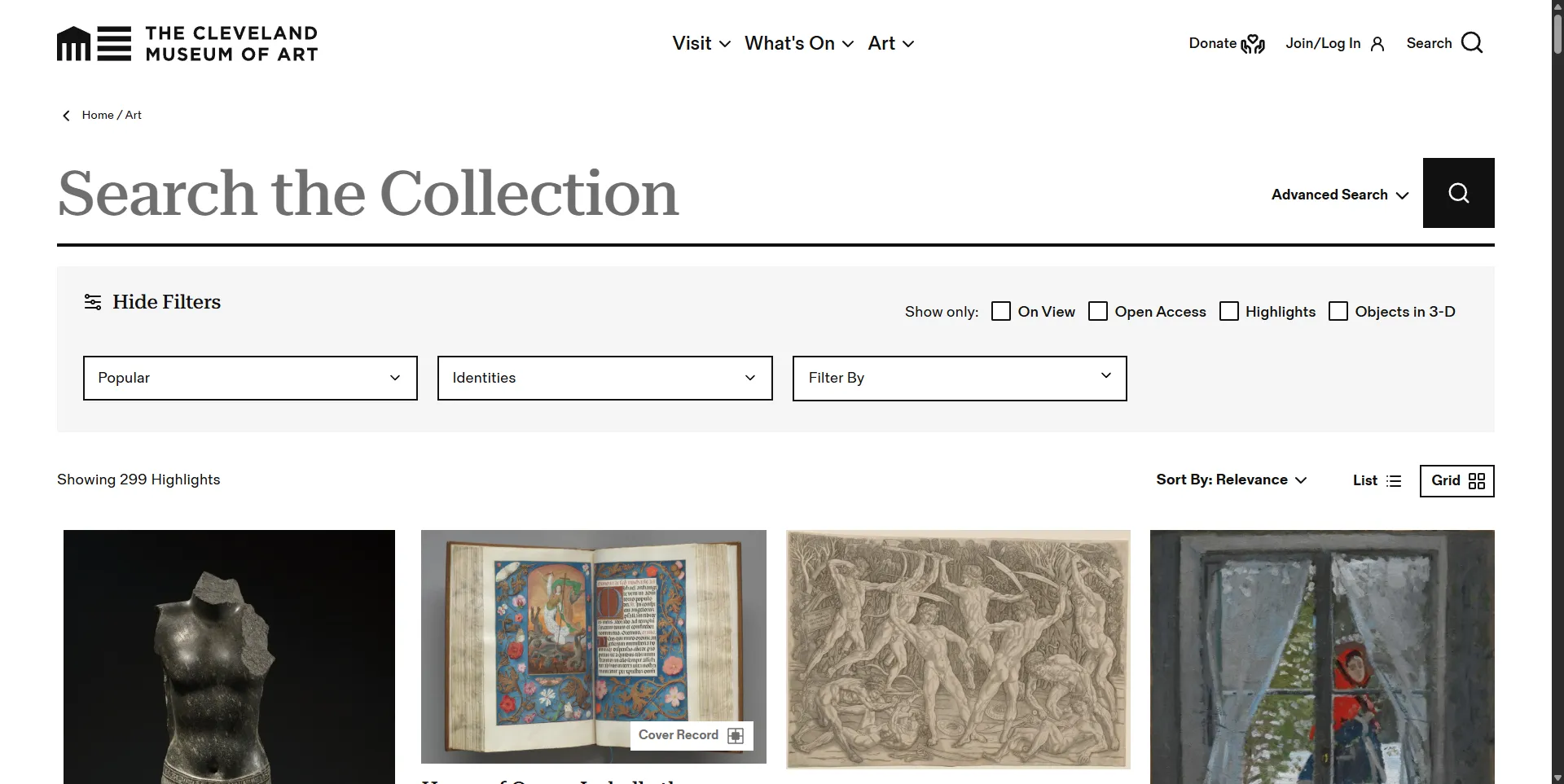
The Rijksmuseum was a pioneer of museum open access, launching its de facto policy in 2011/12, years before most institutions followed suit. The Smithsonian Open Access program (launched 2020, 5.1 million items) is larger in raw numbers, but the Rijksmuseum's focus on ultra-high-resolution images of paintings makes it uniquely valuable for technical art study. Paris Musees offers 312,000+ images from 14 Parisian museums, and the New York Public Library offers historical photographs, maps, and manuscripts under CC0. For curated public domain content from multiple institutions, Rawpixel also hosts Rijksmuseum material alongside other museum collections.
Insider Tips
When downloading from Rijksstudio, always check the copyright notice on each work's page. Most public domain works carry a CC0 designation, but some works still in copyright are marked with a CC BY 4.0 licence (attribution required). A small number of works with third-party copyright are not available as open data at all.
For the highest resolution downloads, use the IIIF viewer to zoom into specific areas of a painting before downloading. The IIIF protocol allows region-specific downloads, so you can extract a detail of a painting at full resolution without downloading the entire multi-gigabyte file.
For developers, start with the tutorials published in June 2026. They cover the Search API, OAI-PMH, LDES, and IIIF with practical examples and working code, making it significantly easier to get started with the data services than reading API documentation alone.
Final Verdict: Who Is This Actually For?
Painters studying technique will find the ultra-high-resolution images of Dutch masterworks genuinely transformative. The ability to zoom into Rembrandt's impasto or Vermeer's surface texture at 100 megapixels provides study material that was previously available only to museum conservators.
Illustrators and designers working with historical Dutch subjects get access to accurate reference material covering costume, interiors, landscape, and material culture of the 17th century.
Educators can use the images freely in teaching materials, presentations, and publications without licensing costs.
Developers and researchers benefit from the well-documented API, multiple data access protocols, and FAIR-aligned data model, which make the collection interoperable with other cultural heritage datasets.
For contemporary stock photography, Unsplash or Pexels are better choices. For broader museum collections, the Smithsonian offers more items. But for the specific combination of Dutch Golden Age masterworks, ultra-high-resolution imaging, and a mature, well-documented open data infrastructure, the Rijksmuseum remains the gold standard.
Start exploring at rijksmuseum.nl/en/collection, or access the data services at data.rijksmuseum.nl.