The Frick Collection: The Mansion Reopened, and the Paintings Look Better Than Ever
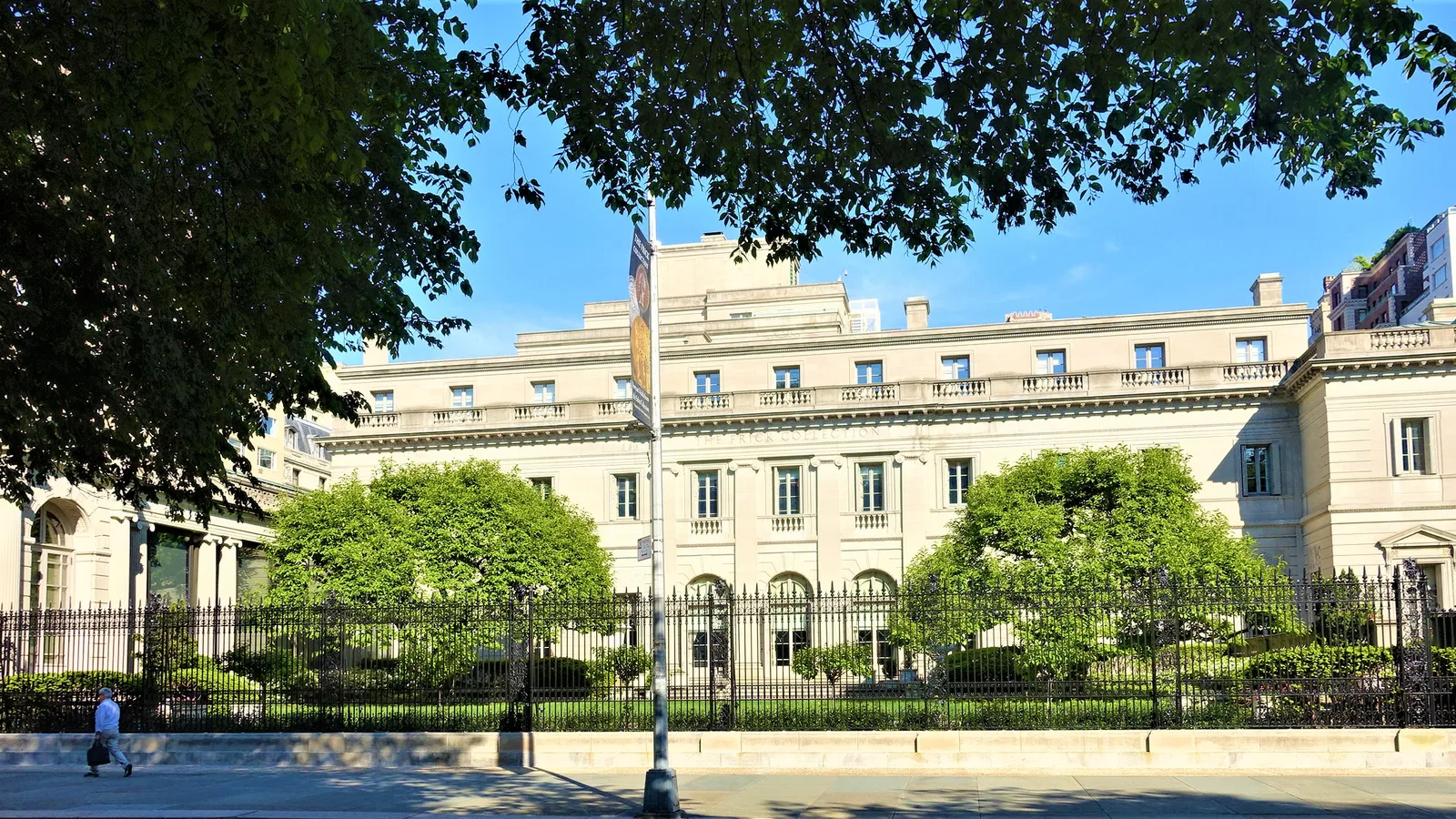
The Frick Collection on Fifth Avenue reopened on April 17, 2025 after a five-year, $220 million renovation by Selldorf Architects, and it is the most significant museum relaunch in New York this decade. Henry Clay Frick's 1914 mansion across from Central Park always held one of the finest small collections of old master paintings anywhere: three Vermeers, four Rembrandts, the greatest Holbein portrait pair in America, Bellini's St. Francis in the Desert. What changed is that the public can now see it properly.
The renovation restored the first-floor galleries to something close to their Gilded Age appearance, opened the second floor to the public for the first time (former family rooms now showing drawings, decorative arts, and small bronzes), added the 218-seat Stephen A. Schwarzman Auditorium, education rooms, a café, and the new Ronald S. Lauder Exhibition Galleries for the museum's first proper special-exhibition program. The 70th Street Garden, designed by Russell Page, is restored and newly visible from inside.
Admission is $30, $22 for seniors and visitors with disabilities, $17 for students, free for ages 10 to 18. Two critical rules: only children 10 and older are admitted, and photography is allowed only in the Garden Court. Pay-what-you-wish Wednesdays run 1:30 to 5:30 PM ($5 minimum if you book online). Hours are Wednesday through Monday 10:30 AM to 5:30 PM; closed Tuesdays. Advance timed tickets are required.
What the Collection Actually Holds
Three Vermeers in one house: Mistress and Maid, Officer and Laughing Girl, and Girl Interrupted at Her Music, all from the 1660s, hung together. That is a quarter of all the Vermeers in America and more than most European museums hold.
Holbein's portraits of Thomas More and Thomas Cromwell hang facing each other across the fireplace in the Living Hall, exactly as Frick wanted them: the saint and the fixer of the English Reformation in permanent confrontation. It is the most famous portrait pairing in Western art.
Bellini's St. Francis in the Desert (c. 1480) is the collection's single greatest painting, a Franciscan friar standing in a sun-drenched rocky landscape in an attitude that is not clearly prayer, ecstasy, or mere observation. It anchors the second floor's bellini room and repays long looking. The Fragonard Room preserves Jean-Honoré Fragonard's four large canvases of The Progress of Love commissioned by Madame du Barry, installed in boiserie paneling. Rembrandt's Polish Rider, Self-Portrait (1658), and Nicolaes Ruts fill out the Dutch holdings.
How the New Frick Works
The most practical change is upstairs. The second floor previously held offices; now the former bedrooms show intimate-scale works that never had room before: Whistler pastels, portrait medals, Renaissance bronzes, drawings, and prints. The new gallery space on the first floor runs a real temporary-exhibition program for the first time in the museum's history, which means loan shows now appear alongside the permanent hang.
The mansion's atmosphere survives the renovation. No wall labels; the Frick has always displayed works as if in a private house, and the small printed gallery guides plus the free digital guide do the explaining. The Garden Court, with its fountain and skylight, remains the calm center of the building and the only place you may take photos.
Compared to the Met and the Neue Galerie
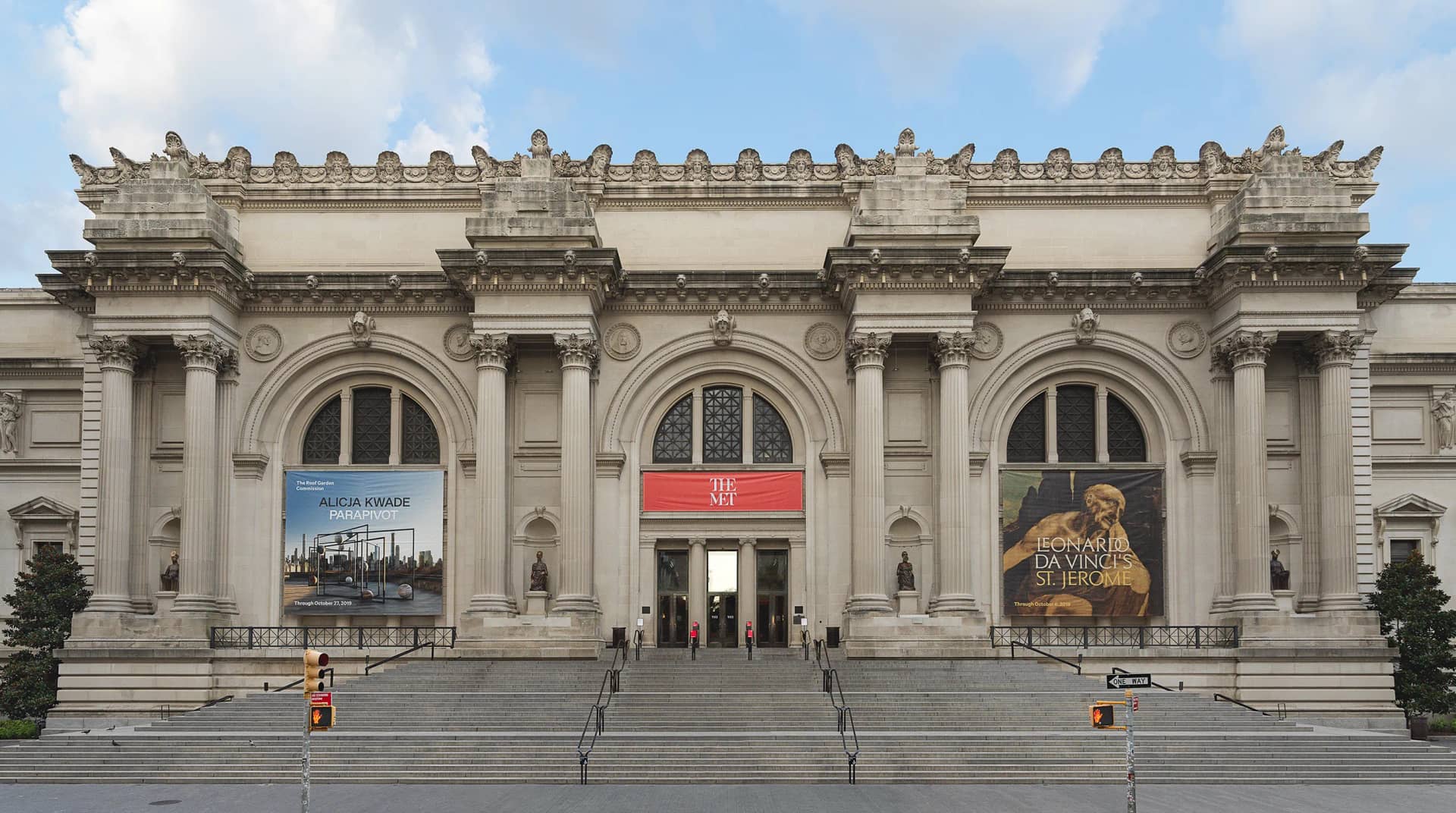
The Metropolitan Museum seven blocks north is the encyclopedia; the Frick is the essay. At roughly a tenth the size, it delivers arguably higher quality-per-square-foot, and the mansion setting gives every painting context. The Neue Galerie across the park covers German and Austrian modernism; the Frick covers everything before it. They are the ideal Upper East Side pairing for a day of small-museum going.
The Library and the First Fridays
The Frick Art Research Library on 71st Street, reopened alongside the museum, is one of the world's top art history reference libraries and is free to registered visitors; the reading room itself, all wood and green lamps, is worth seeing even if you have no research to do. Louis Vuitton First Fridays extend the museum to 9 PM on the first Friday of each month with free-with-ticket programming, music in the Garden Court, and a younger crowd than the daytime audience. It is the best-timed way to visit if you cannot make the Wednesday pay-what-you-wish window.
Who Should Visit
Old master lovers, Gilded Age architecture fans, and anyone who prefers museum intensity to museum scale. It is also the best New York option if you want Vermeer without the Met crowds. Skip it if you are traveling with children under 10 (they are not admitted), if photography matters to you beyond the Garden Court, or if you need a half-day's worth of content; the Frick is a two-hour museum at most. The $30 ticket is steep for the square footage, but there is no substitute for seeing Bellini's St. Francis and three Vermeers in a room-scale mansion on Fifth Avenue.