
MoMA Explained: How the Museum of Modern Art Shaped Modern Taste
MoMA defined modern art as a category. Discover how Alfred Barr's vision shaped what we think of as modern, what to see, and what most visitors miss.
Your cart is empty
Browse the store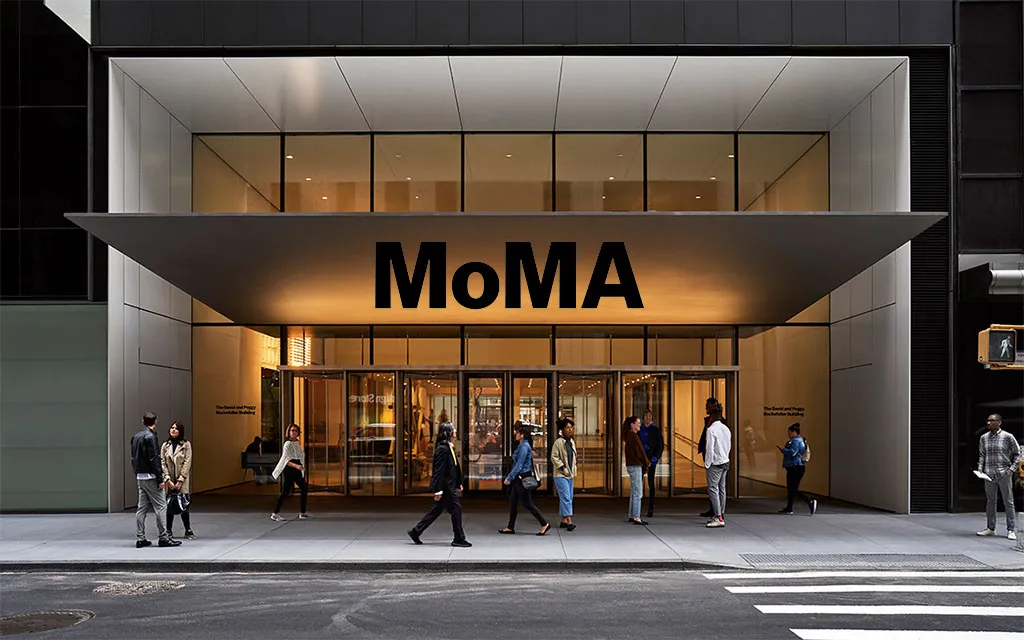
New York's Museum of Modern Art holds 200,000 works including Van Gogh's Starry Night and Picasso's Les Demoiselles. $30 admission, free Friday nights for NY residents. New director Christophe Cherix took over in 2025.
Discover other museums and cultural institutions you might be interested in
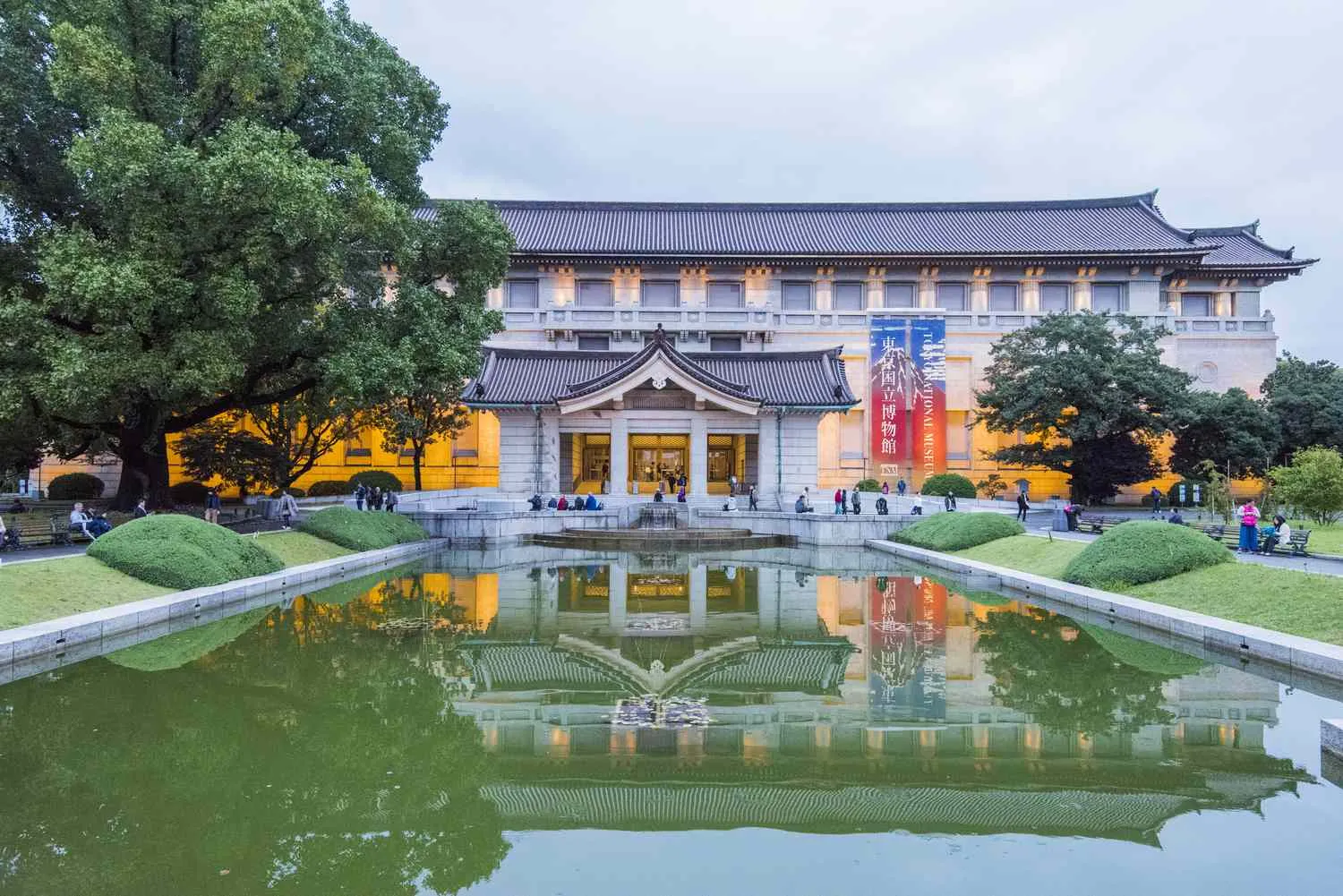
Japan's oldest and largest museum, holding 120,000 cultural properties including 89 National Treasures, in Ueno Park, Tokyo.
View details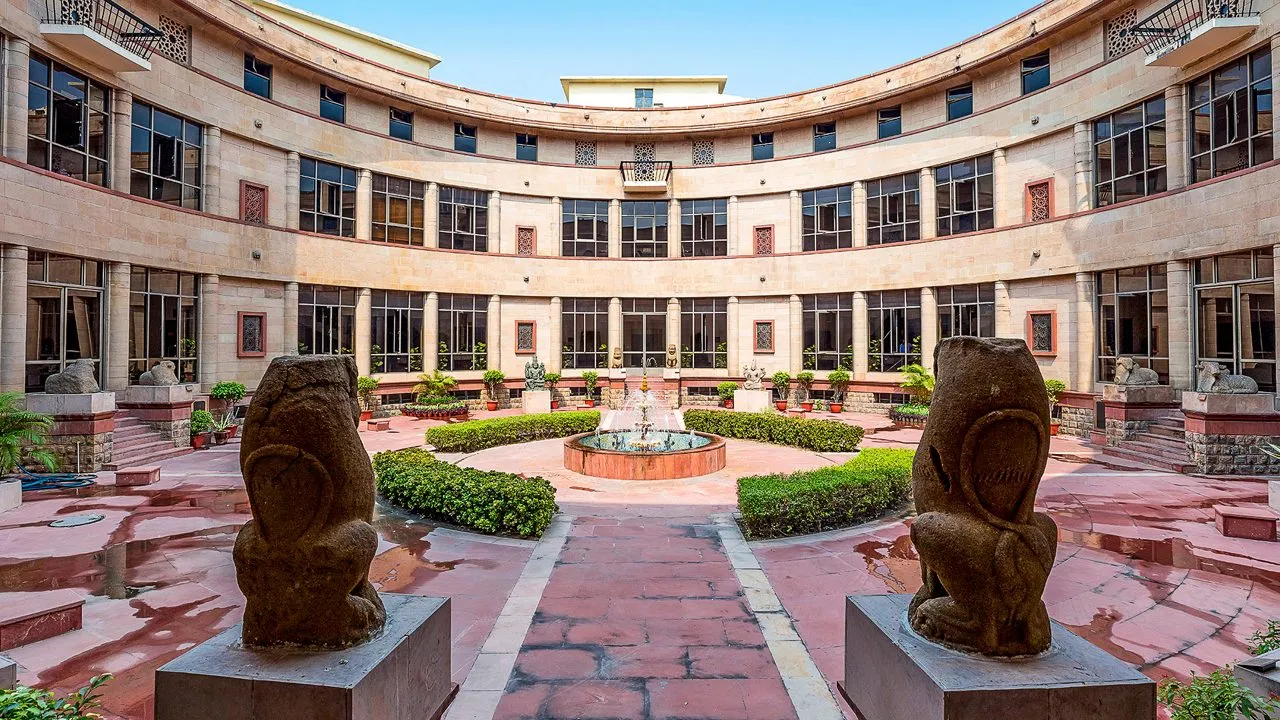
India's national museum on Janpath holds 200,000 artifacts spanning 5,000 years, but several galleries are closed for renovation and the collection is slated to move to the new Yuge Yugeen Bharat Museum by 2028.
View detailsExplore definitions from our glossary that connect to this museum
Appropriation art borrows existing images and gives them new meaning. From Sherrie Levine to Richard Prince, learn how this strategy reshaped art and copyright law.
Art Deco combined luxury materials with geometric forms to define the look of the 1920s and 1930s. Learn how it shaped skyscrapers, jewelry, and design.
Read more about this topic on our blog
MoMA defined modern art as a category. Discover how Alfred Barr's vision shaped what we think of as modern, what to see, and what most visitors miss.

Understand the distinct eras of Modern vs. Contemporary art — covering timelines, defining movements, key artists, and how each era reflects its historical moment. A practical guide for art enthusiasts.

New York replaced Paris as the art capital after World War II. The Ashcan School, Abstract Expressionism, Pop Art, and the gallery system of 57th Street and Chelsea made New York the center of the art world. Here is how it happened.
MoMA is open every day now. No more Tuesday closures. That is one of the first changes under Christophe Cherix, who became The David Rockefeller Director in 2025, succeeding Glenn D. Lowry after 30 years. The museum is also charging $30 for adults, up from $25, with seniors at $22 and students at $17. Children under 16 are still free. And the UNIQLO Friday Nights program offers free admission for New York State residents from 5:30 to 8:30 PM every Friday, with tickets reservable in advance.
The museum holds roughly 200,000 works of modern and contemporary art across six curatorial departments: Architecture and Design, Drawings and Prints, Film, Media and Performance, Painting and Sculpture, and Photography. It welcomes about 3 million visitors annually at its 53rd Street location in Midtown Manhattan, plus additional visitors at MoMA PS1 in Queens, which is free for all.
MoMA's exhibition program under Cherix is already making statements. Here is what is on view:
The Duchamp show is the headline. If you care about 20th-century art, this is the exhibition to see in New York in 2026. It connects the readymades to Conceptual art, Pop, and contemporary practice in a way that only MoMA's collection depth allows.
Yes, you have seen them on postcards and tote bags. They are still worth seeing in person.
Van Gogh's The Starry Night (1889) hangs in a fifth-floor gallery surrounded by other Post-Impressionist works. The painting is smaller than most people expect. The impasto is thicker than any reproduction can convey. Go early in the morning and you might get 30 seconds alone with it before the crowd arrives.
Picasso's Les Demoiselles d'Avignon (1907) is in the same gallery area. The fractured forms and distorted faces still shock 119 years after they were painted. This is the painting that art historians point to as the birth of modern art. Seeing it next to the Cézannes and Matisses that preceded it makes the rupture visible.
Dalí's The Persistence of Memory is smaller than a sheet of paper. The melting clocks are iconic, but the painting's scale makes it intimate rather than grand.
Warhol's Campbell's Soup Cans are displayed as a full grid, all 32 canvases in a row. The seriality is the point. You cannot understand the work from a single canvas reproduction.
Monet's Water Lilies panels span an entire gallery. The triptych is monumental, and the gallery was designed specifically for it. Sit on the bench and let the painting surround you.
MoMA's decision to collect photography, film, and design with the same seriousness as painting is what separates it from every other modern art museum. The photography collection holds over 25,000 works. The film archive includes over 30,000 films and 1.5 million film stills. The Architecture and Design department was the first of its kind in any museum worldwide.
If you only visit the painting galleries, you are seeing half of MoMA. The design galleries on the third floor include everything from a Bell 47D1 helicopter to an Atari 2600 to a kitchen by Charlotte Perriand. The photography galleries rotate frequently, showing different works from the collection every few months. And the film program screens daily, with everything from restored classics to contemporary premieres.
$30 is the sticker price. Here is how to reduce it:
Against the Metropolitan Museum, MoMA is narrower in scope but deeper in modern and contemporary art. The Met covers 5,000 years of global art. MoMA covers roughly 130 years of modern and contemporary art. If you want Rembrandt and ancient Egypt, go to the Met. If you want Picasso and Warhol, go to MoMA. Both charge $30.
Against the Museum of Fine Arts, Boston, MoMA has a stronger modern collection but a weaker pre-modern collection. The MFA has better Japanese art and American colonial painting. MoMA has better 20th-century art, period.
Against the Tate Modern in London, MoMA has a deeper historical collection (Tate Modern's collection starts later), but Tate Modern is free. That $30 versus free comparison stings, especially when both museums have comparable individual masterpieces.
Against the Thyssen-Bornemisza in Madrid, MoMA is larger and more comprehensive in modern art, but the Thyssen covers a broader chronological range in a single visit.
MoMA is for anyone who wants to understand 20th-century art. The collection is the canon. Van Gogh, Picasso, Dalí, Warhol, Monet, Matisse, Pollock, Rothko: they are all here, in depth, in the building where modern art was first given a museum.
It is not for someone on a tight budget who only has time for one museum in New York. At $30, it is expensive. If you are a New York State resident, the Friday night free entry makes it accessible. If you are not, consider MoMA PS1 (free) or the Frick Collection ($22) as alternatives.
The new director Christophe Cherix is still early in his tenure, but the exhibition program is already signaling a commitment to both the canonical works (Duchamp) and the underexplored (Architects of Liberation, Odili Donald Odita). The decision to open every day is a visitor-friendly change that costs the museum money but signals priorities.
MoMA remains the museum that defined modern art. The $30 ticket stings, but the collection delivers. Just do not spend all your time on the fifth floor with the icons. The design galleries, the photography rotations, and the film program are what make MoMA more than a greatest-hits collection.
Plan your visit at moma.org. For more on modern and contemporary art, explore our art schools directory or browse courses on modern art history.
Quiet Canvas is a space for artists and art lovers: essays, glossary terms, tools, and curated directories to support your creative practice.
Learn more →


