Mauritshuis: The Densest Concentration of Masterpieces in the Netherlands
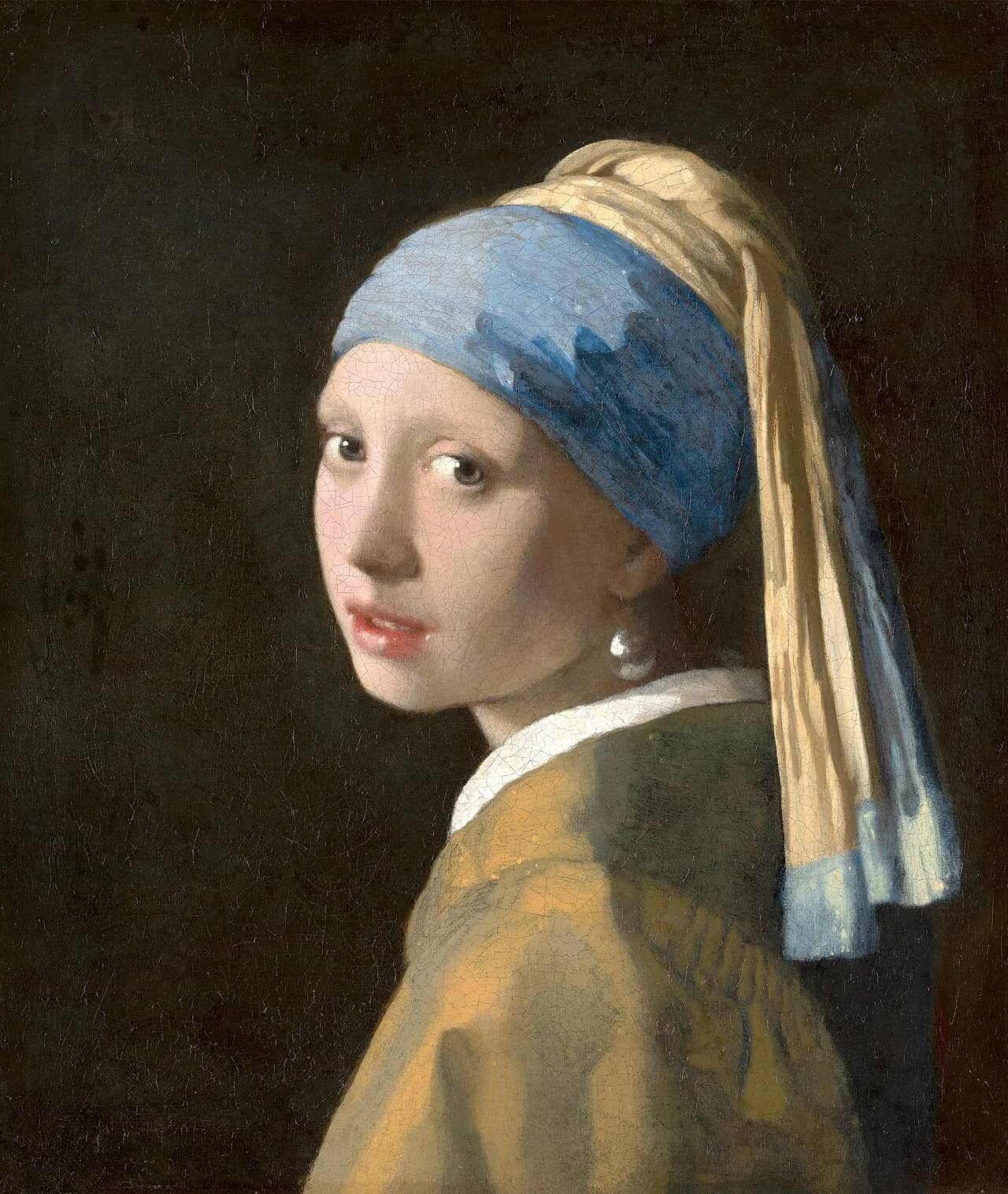
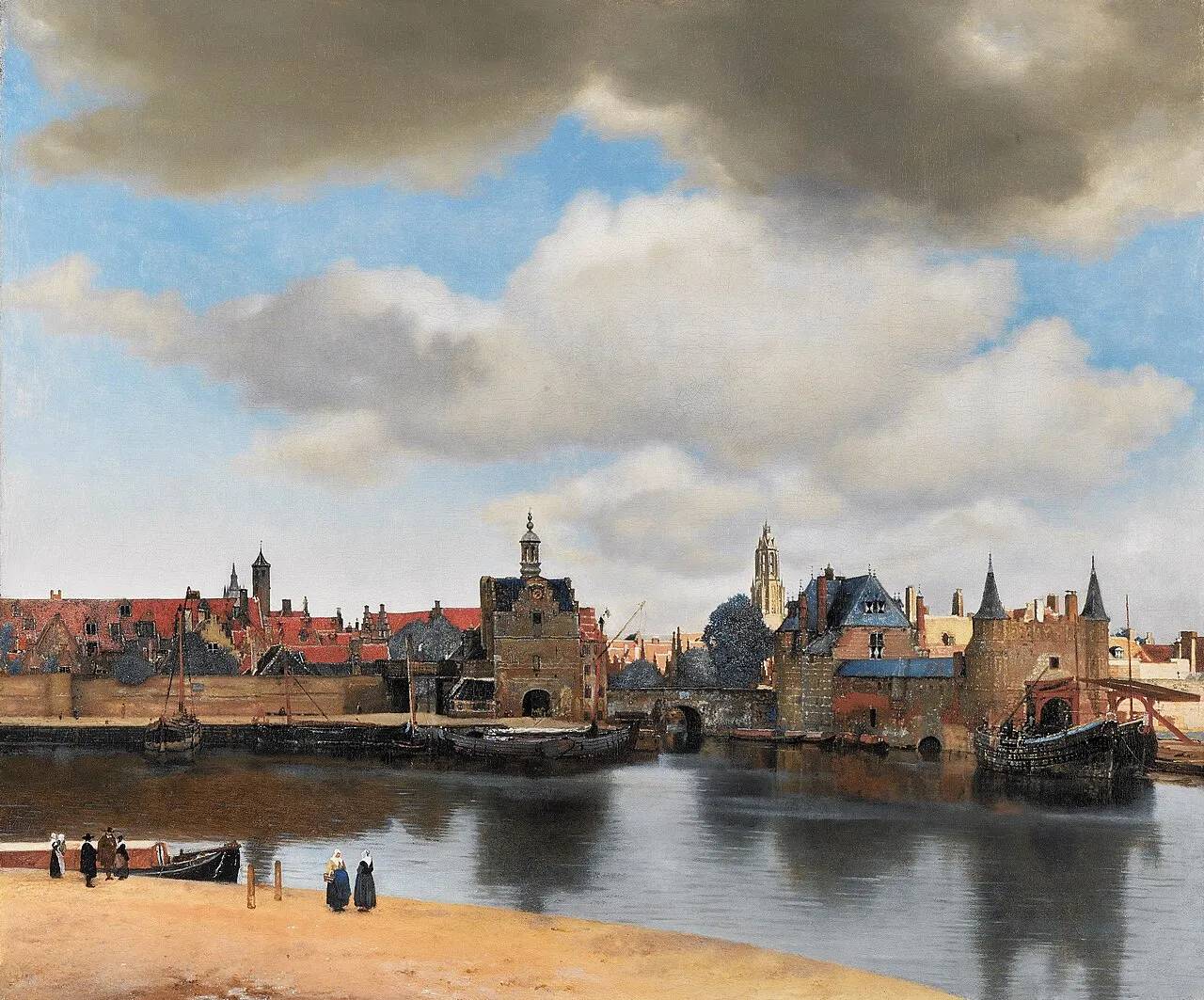
The Mauritshuis in The Hague is a small museum with an absurd hit rate. About 800 paintings hang in a 17th century lakeside mansion next to the Dutch parliament, and the density of famous objects is unmatched in the country: Vermeer's Girl with a Pearl Earring, Rembrandt's Anatomy Lesson of Dr. Nicolaes Tulp, Fabritius's The Goldfinch, Potter's The Bull, Vermeer's View of Delft, and eleven Rembrandts in total. If the Rijksmuseum is the comprehensive history of Dutch art, the Mauritshuis is the greatest-hits record.
The building is part of it. Johan Maurits van Nassau-Siegen's 1644 residence, restored in a major 2012-2014 expansion that added an underground wing, is exactly the scale a domestic interior of this kind should be: rooms, not halls. You are seeing paintings made for houses in a house.
Admission is €21, with a standout deal introduced in 2026: €4 entry every day from 4 to 6 PM, sold only at the ticket office for EU residents. That makes the Mauritshuis the first Dutch museum with a daily discounted late slot, and at two hours it is genuinely enough time to see the highlights without hurrying. Visitors under 19 are free, as are Museumkaart holders. Book a time slot online; the museum is cashless.
The Hit List
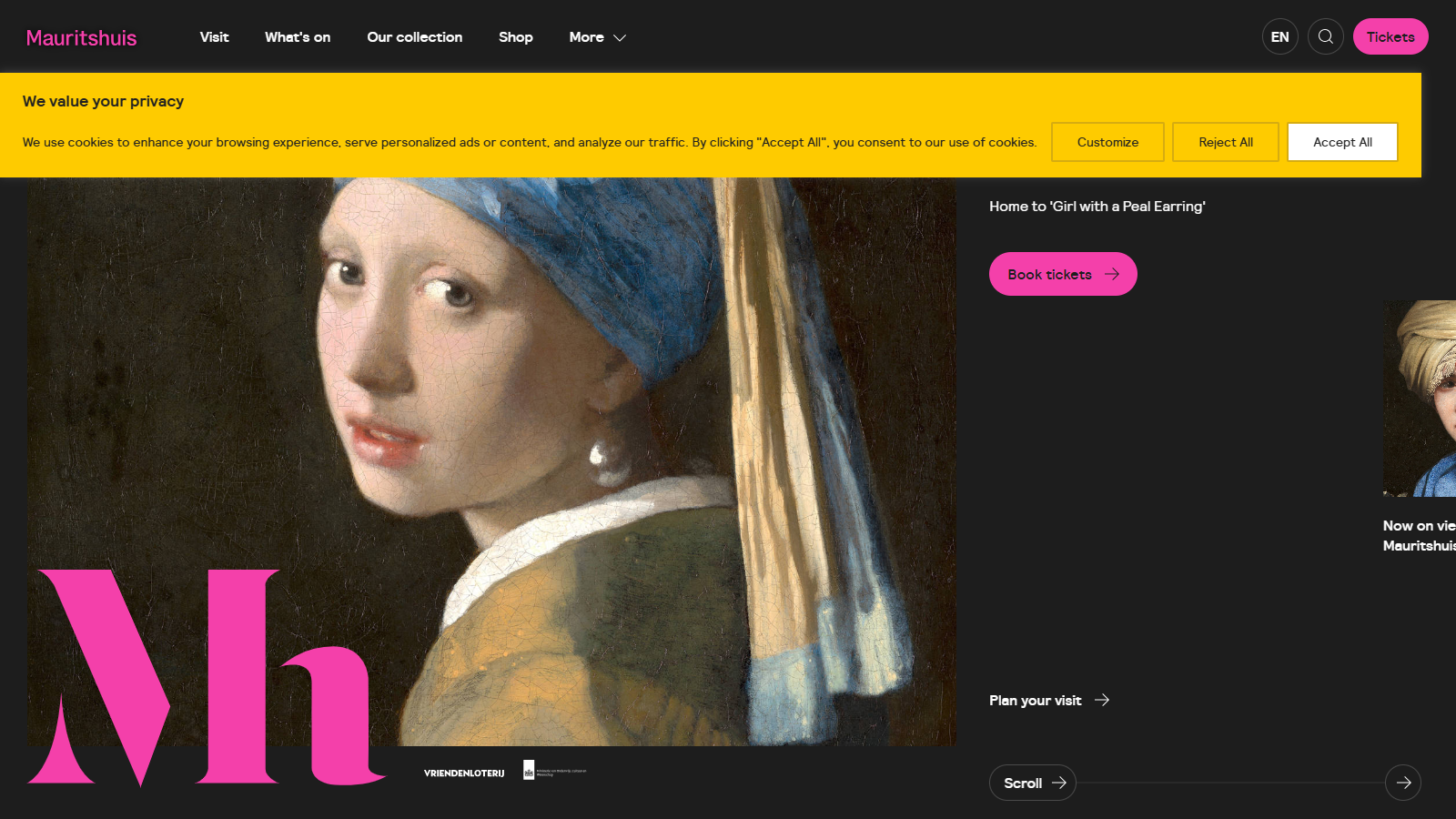
The Girl with a Pearl Earring (c. 1665) draws the crowds and justifies them. Vermeer's most famous tronie is technically not a portrait at all, which is why the sitter's anonymity works: the over-the-shoulder gaze and the impossible earring are a study in light and intimacy, not a likeness of a person. It returned to The Hague permanently in 2014 after the world tour that made it a global brand.
The Goldfinch (1654) by Carel Fabritius is the second icon. A tiny trompe-l'oeil of a chained bird on a feeder box, painted by Rembrandt's most gifted student the year he died in the Delft gunpowder explosion. Donna Tartt's novel made it internationally famous; seeing it in the flesh, inches away, you understand why the painting works as a visual trick.
Rembrandt's Anatomy Lesson (1632) was his breakthrough commission, painted when he was 26: surgeons gathered around a corpse while Dr. Tulp dissects an arm. It is in the same room as his late self-portraits, giving you the full arc from ambitious young man to old master in thirty feet of wall.
Vermeer's View of Delft (c. 1660-61) is the greatest cityscape ever painted. Marcel Proust called it the most beautiful painting in the world, and there is a strong case. Also unmissable: Potter's monumental Bull (1647), Frans Hals's Laughing Boy, and the Rubens and Van Dyck rooms on the ground floor.
The Mauritshuis x Thyssen Exchange
Through January 10, 2027 the museum is running Mauritshuis ❤️ Thyssen-Bornemisza, a reciprocal loan exhibition with Madrid's Thyssen museum: Dutch Golden Age highlights travel to Spain while works come the other way. If you are visiting The Hague this season, a slice of the collection is on loan abroad but the exchange pieces fill the walls.
Timing and Practicalities
From Amsterdam Centraal the direct train to Den Haag Centraal takes about 50 minutes, then it is a 10-minute walk past the Binnenhof. Budget two to three hours for a full visit; 90 minutes covers the highlights. The €4 window after 4 PM is the smartest money-saving play in Dutch museums right now. The adjacent Prince William V Gallery, a faithfully restored 1774 picture gallery packed floor-to-ceiling with paintings, is included in the €24 combo ticket or €8.50 standalone.
The Prince William V Gallery Across the Square
Ten minutes' walk away sits the Prince William V Gallery, the 1774 picture gallery where the Dutch royal collection was originally shown to the public. Restored to its original hang, paintings crammed frame-to-frame floor to ceiling in the 18th century style, it is the oldest continuously operating exhibition space in the Netherlands and a useful corrective to the Mauritshuis's white-wall elegance. The €24 combo ticket covers both; standalone entry is €8.50. It is open Tuesday to Sunday noon to 5 PM and sees a fraction of the main museum's foot traffic, making it the quiet half of the visit.
Who Should Visit
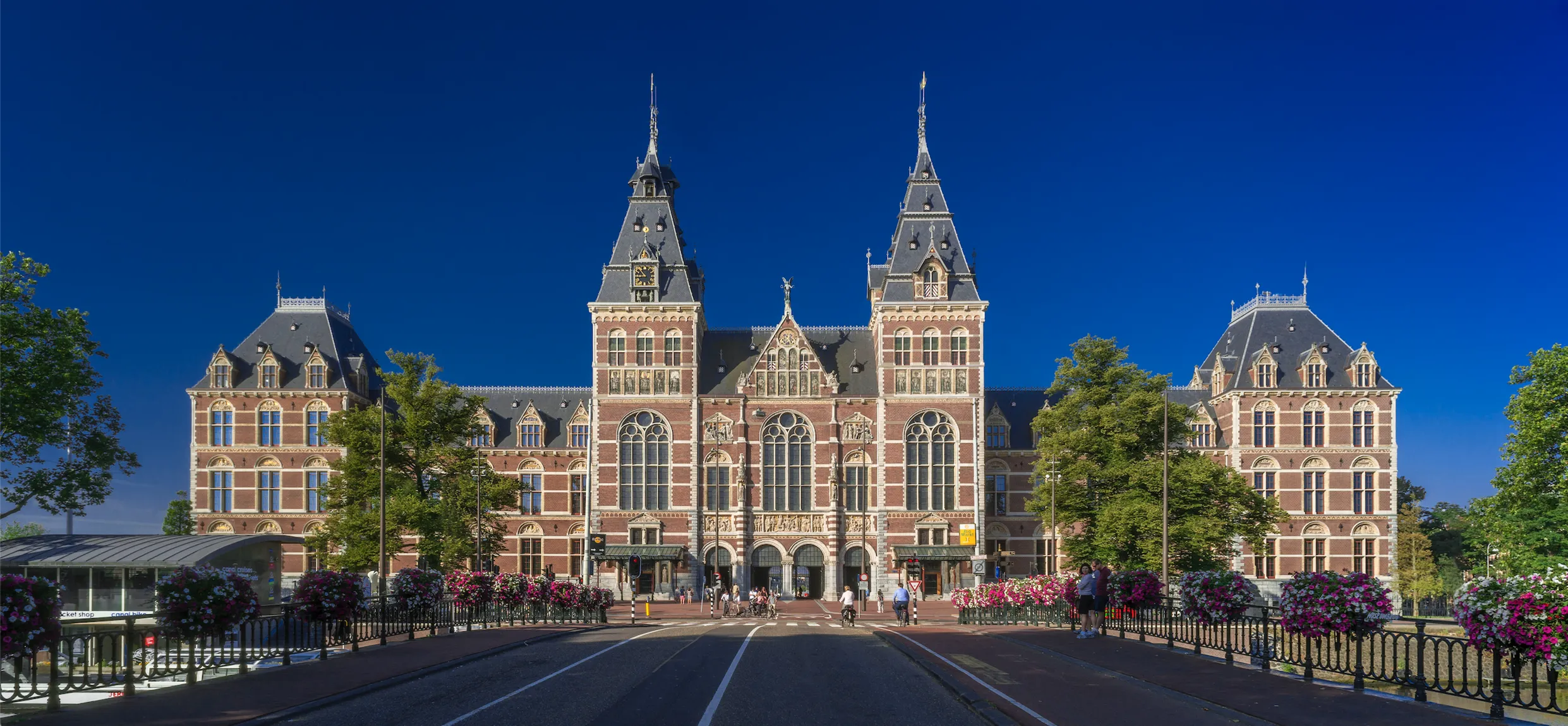
Dutch Golden Age fans, Vermeer pilgrims, and anyone who finds the Rijksmuseum's scale exhausting. The Mauritshuis does the same era with three dozen masterpieces instead of three thousand objects, and in a setting the work was made for. Skip it if you are on a one-day Amsterdam stopover and cannot spare the train trip; the Rijksmuseum's Vermeers cover the basics. For everyone else, this is the best museum-per-hour ratio in the Netherlands, and the €4 after-4 PM slot is the best value in European museums in 2026. Combine it with the Binnenhof next door and you have the perfect half-day Hague itinerary before the train back to Amsterdam.