
The British Museum: Empire, Controversy, and the Rosetta Stone
The British Museum has 8 million objects from 2 million years of human history. Discover the Rosetta Stone, the Parthenon Marbles, and the controversy that will not go away.
Your cart is empty
Browse the store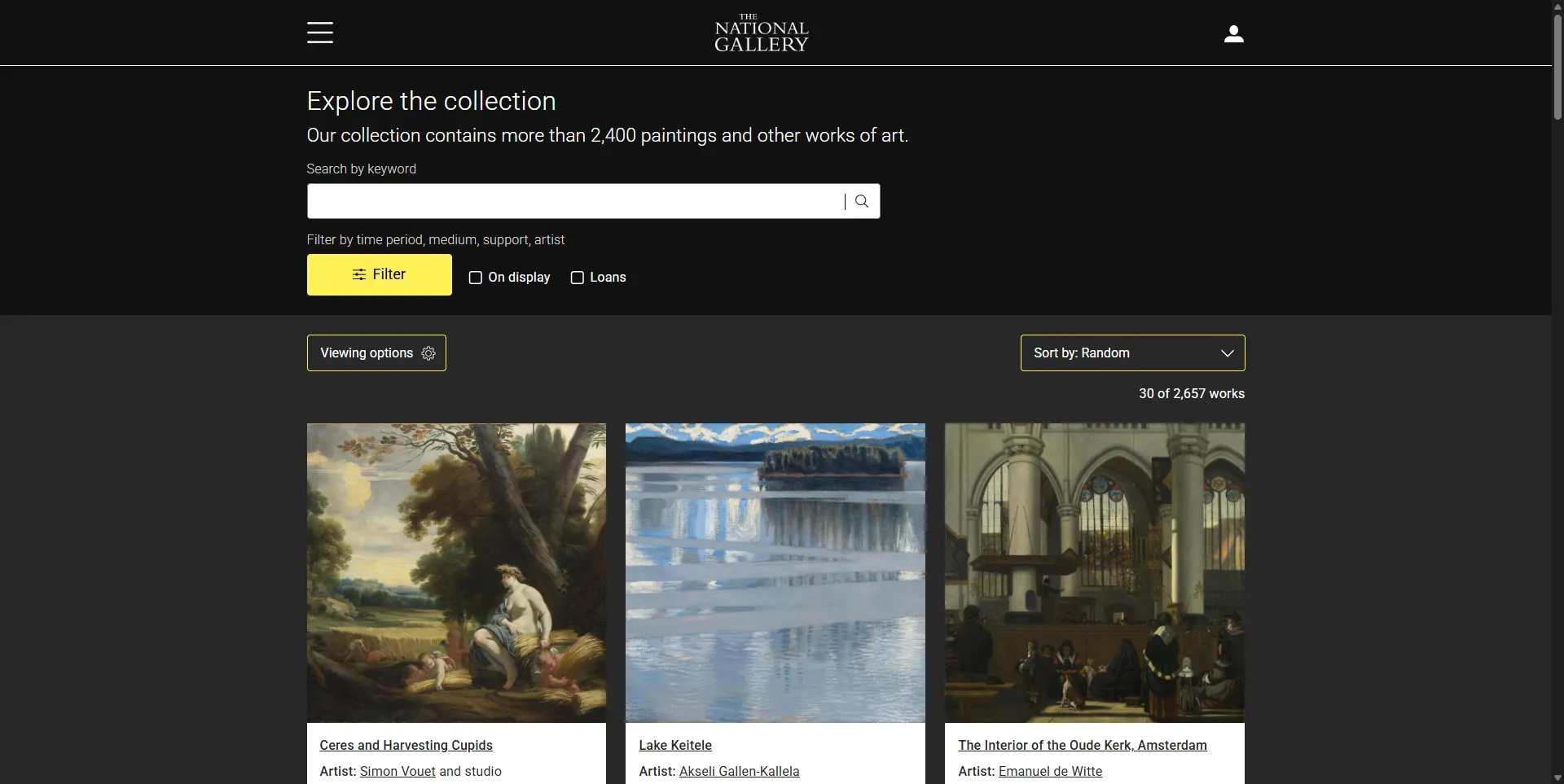
The National Gallery London offers 2,300+ painting images but restricts reuse to CC BY-NC-ND (non-commercial, no derivatives). Structured data is CC0. Elasticsearch API available.
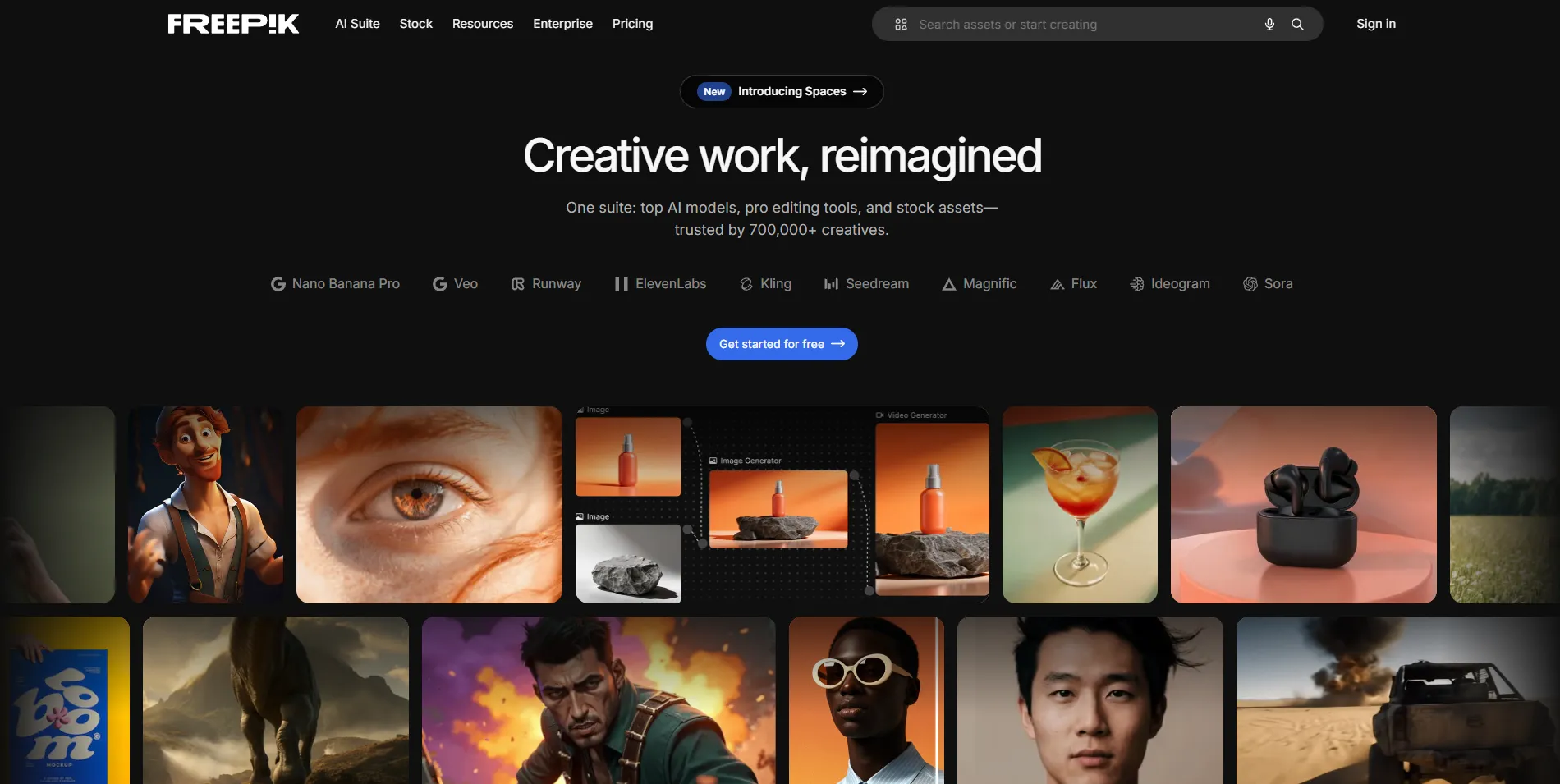
Discover other stock image sites you might be interested in
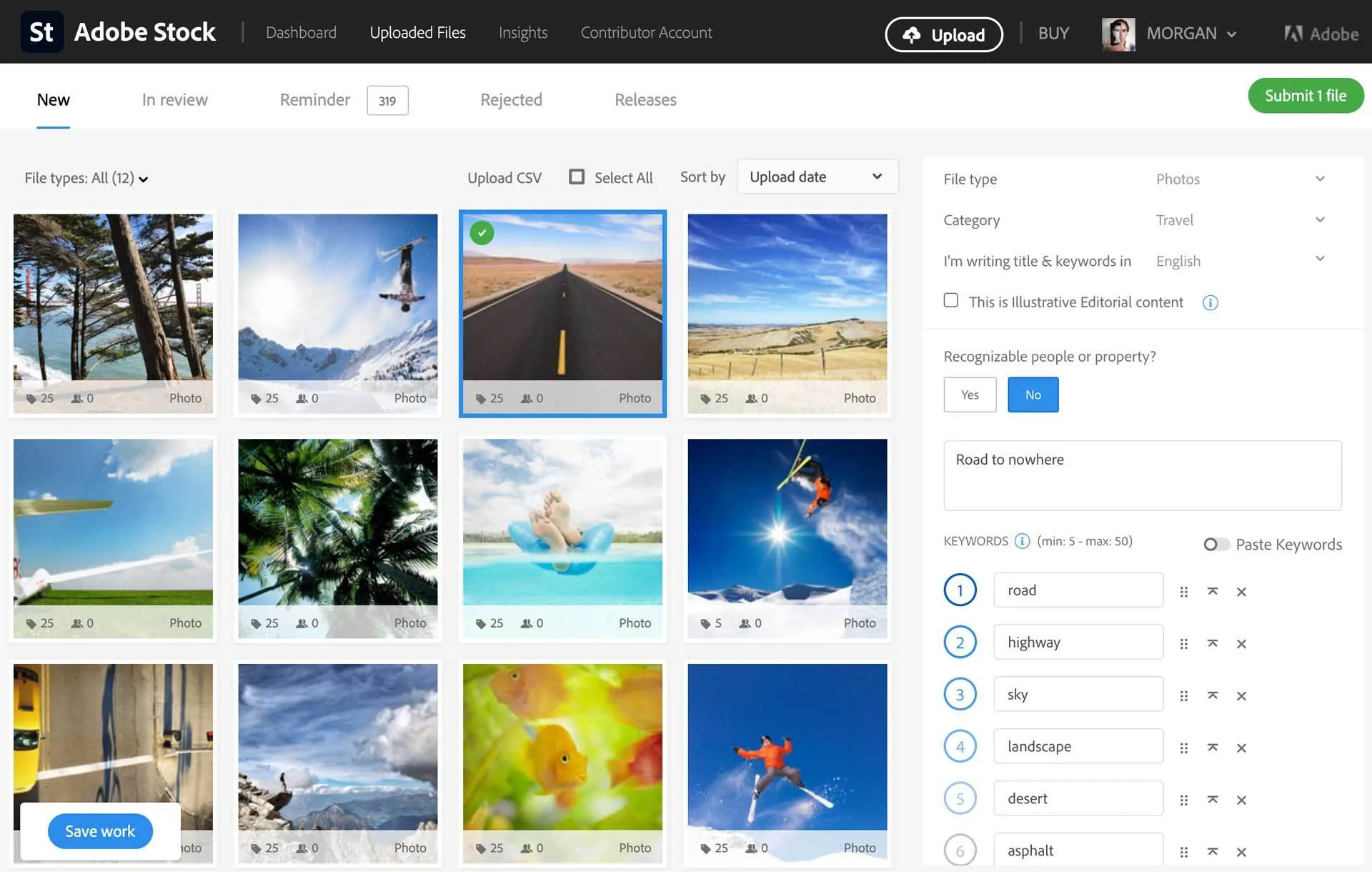
Adobe Stock raised prices 33 percent in 2026 and rebranded as Adobe Stock with AI Edits. Worth it for Creative Cloud users who want AI-powered editing built into their stock workflow.
View details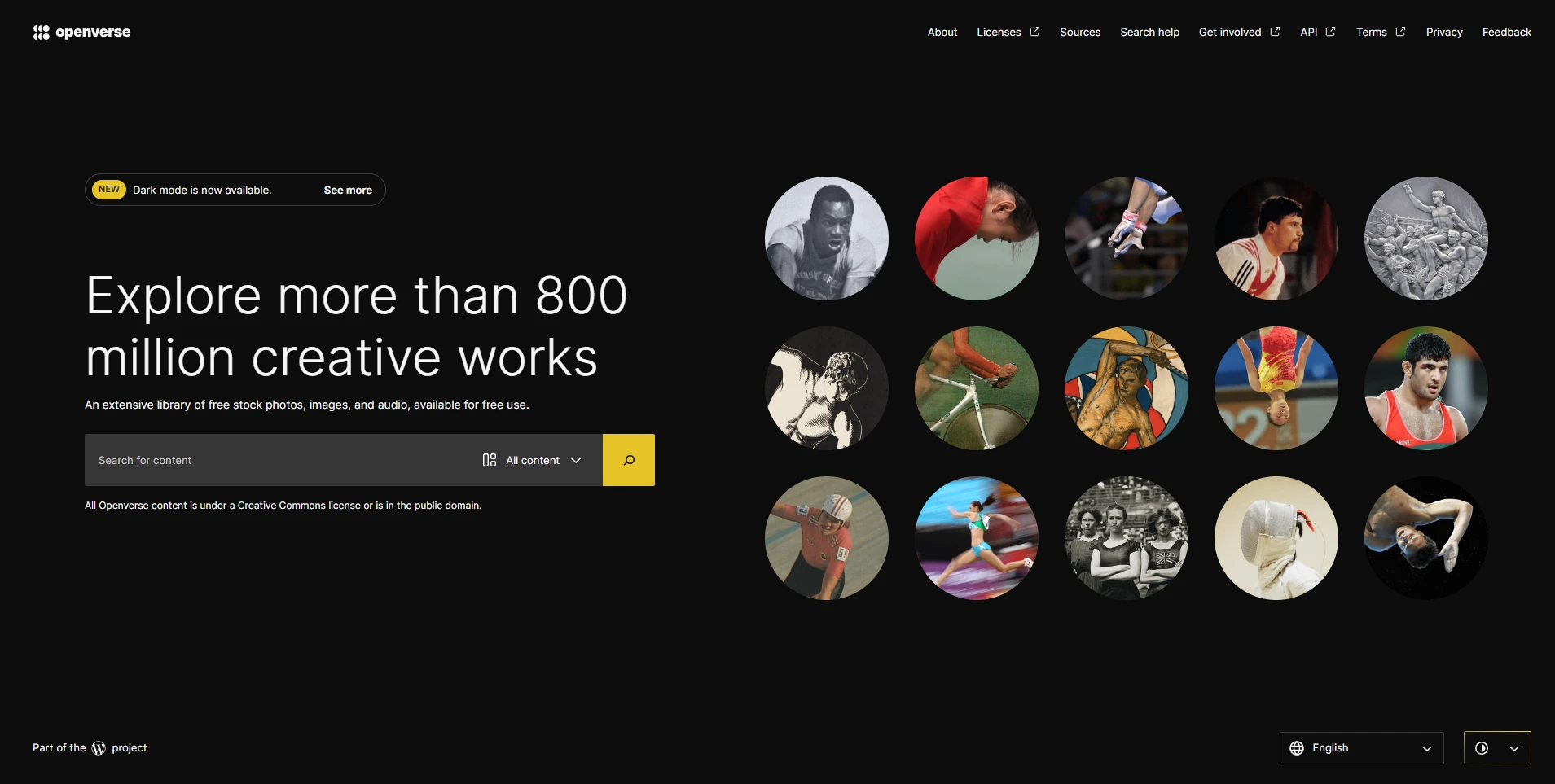
Openverse indexes over 800 million CC-licensed and public domain images and audio files from dozens of sources. Free search with license filtering, attribution generation, and collection views for tags, creators, and sources.
View detailsExplore definitions from our glossary that connect to this stock site
Bone black, or ivory black, is a carbon pigment made from charred animal bones. Used since antiquity, it remains one of the oldest and most enduring black pigments in art.
Naples yellow is lead antimoniate, one of the oldest synthetic pigments known. First used in Egyptian glass around 1500 BCE, it shaped painting from the Renaissance to the 19th century.
Read more about this topic on our blog
The British Museum has 8 million objects from 2 million years of human history. Discover the Rosetta Stone, the Parthenon Marbles, and the controversy that will not go away.

Tate Modern is the world's most-visited modern art museum inside a former power station on the Thames. Discover the Turbine Hall, the Rothko room, and how to navigate it.

Explore the life and art of Johannes Vermeer. From Girl with a Pearl Earring to his extraordinary handling of window light, discover why he painted so few works and why each one rewards a lifetime of looking.
The National Gallery in London holds one of the greatest collections of Western European painting in the world. Over 1,000 paintings are on display at any given time, from Uccello and Gentileschi to Turner and Van Gogh. You can download high-resolution images for free. But here is what the gallery does not tell you prominently enough: the images are licensed CC BY-NC-ND, which means non-commercial use only, no derivatives allowed, and attribution required.
This is not CC0. If you want to put a Van Gogh from the National Gallery on a product you sell, you cannot do it legally under their licence. If you want to crop, modify, or remix an image, you cannot do it legally. The Met and the NGA Washington both offer CC0, which allows any use including commercial. The National Gallery London does not. This is the most important thing to understand about this resource.
The National Gallery releases its collection data under three different licences:
This tiered approach means the gallery gives away its data but controls its images. For developers who want collection metadata, the CC0 data is genuinely useful. For artists and designers who want to use the images, the restrictions are significant.
Despite the licensing restrictions, the National Gallery's collection is exceptional. Founded in 1824, it focuses specifically on Western European painting from the 13th through the early 20th centuries. This focus has produced one of the most carefully curated painting collections in the world.
Italian Renaissance holdings include Leonardo da Vinci's "The Virgin of the Rocks" and the Burlington House Cartoon, two of the most important Leonardo works outside Italy. Major works by Raphael, Titian, and Botticelli make this one of the finest Italian Renaissance collections anywhere.
Dutch and Flemish painting includes Rembrandt's "Belshazzar's Feast" and numerous portraits, Vermeer's "A Young Woman Standing at a Virginal," and major works by Rubens, Van Dyck, and Frans Hals.
Spanish painting includes Velazquez's "The Rokeby Venus," one of the most celebrated paintings in the collection, plus major works by Goya, El Greco, and Zurbaran. The Zurbaran exhibition runs until August 2026.
British painting includes Turner's "The Fighting Temeraire," consistently voted the greatest painting in Britain. Constable, Hogarth, and other British masters round out the collection.
French painting covers Poussin and Claude through the Impressionists and Post-Impressionists, with major works by Monet, Renoir, Seurat, Cezanne, and Van Gogh. The upcoming "Renoir and Love" exhibition opens October 2026, and "Van Eyck: The Portraits" opens November 2026.
The National Gallery provides an Elasticsearch API for querying collection data. You send HTTP GET requests to their endpoint with JSON payloads using Elasticsearch version 7.17 query syntax. The API returns JSON formatted according to their CIIM middleware standard.
This is a more technical API than the Met's keyless REST API. It requires understanding Elasticsearch query syntax, and the response structure is described as "extensive and complex" in the gallery's own documentation. They have published a full data standard, but note that it is a work in progress.
For developers who need structured collection data, the CC0 licence on the data means you can use it freely. The API gives you access to the same data that powers the gallery's website.
The National Gallery is free to visit. General admission is free, with donations welcome. The gallery is open daily from 10am to 7pm, with extended hours on Friday until 9pm. Closed December 24 to 26 and January 1. Entrance is via the Sainsbury Wing at Trafalgar Square, London WC2N 5DN.
Exhibition tickets include free general admission. Members get unlimited free access to all exhibitions. The Smartify app provides information on paintings and can be used to scan works during your visit.
Compared to the Met Open Access, the National Gallery London has a smaller collection (2,300 vs 492,000+) and more restrictive licensing (CC BY-NC-ND vs CC0). The Met allows commercial use. The National Gallery London does not. Both have exceptional collections, but the Met is far more useful for commercial creative work.
Compared to the NGA Washington, the National Gallery London has a comparable collection quality but far more restrictive licensing. The NGA offers CC0. The National Gallery London offers CC BY-NC-ND. For the same type of European old master paintings, the NGA is the better choice for unrestricted use.
Compared to the Getty Open Content, the National Gallery London is more restrictive. The Getty offers CC0. The National Gallery London offers CC BY-NC-ND. The Getty has more images (88,000 vs 2,300) and allows commercial use.
Check the licence before using any image. The CC BY-NC-ND licence is restrictive. Non-commercial means you cannot sell products using these images. No derivatives means you cannot crop, modify, or remix them. Attribution is required.
Use the structured data for development projects. The CC0 structured data is freely usable. If you are building an app or tool that needs collection metadata, the Elasticsearch API and CC0 data licence make this possible.
Visit in person for the best experience. The gallery is free to visit and open daily. Over 1,000 paintings are on display. The Smartify app provides additional context during your visit.
Check the exhibition schedule. Major exhibitions for 2026 and 2027 include Zurbaran (until August 2026), Renoir and Love (October 2026), Van Eyck: The Portraits (November 2026), and Catharina van Hemessen (March 2027).
Use the Met or NGA for commercial projects. If you need old master paintings for commercial use, the Met and NGA Washington both offer CC0 licensing on comparable works. The National Gallery London's CC BY-NC-ND licence makes commercial use impossible without separate licensing arrangements.
The National Gallery London is for educators who need high-quality painting images for non-commercial teaching materials. It is for researchers who need CC0 structured data through the Elasticsearch API. It is for anyone visiting London who wants to see one of the greatest painting collections in the world for free.
It is not for you if you need images for commercial use (use the Met or NGA Washington instead), if you need to modify or remix images (the NoDerivs restriction prevents this), or if you need a large collection (2,300 images is small compared to other open access programs).
Browse the National Gallery collection online. Check the licensing page before using any image. For developers, the Elasticsearch API documentation provides query syntax and sample requests. For commercial image licensing, contact the gallery directly to inquire about permissions beyond the CC BY-NC-ND terms.
Quiet Canvas is a space for artists and art lovers: essays, glossary terms, tools, and curated directories to support your creative practice.
Learn more →


