Rijksmuseum: The Night Watch Is Being Restored in Public. Go Watch.
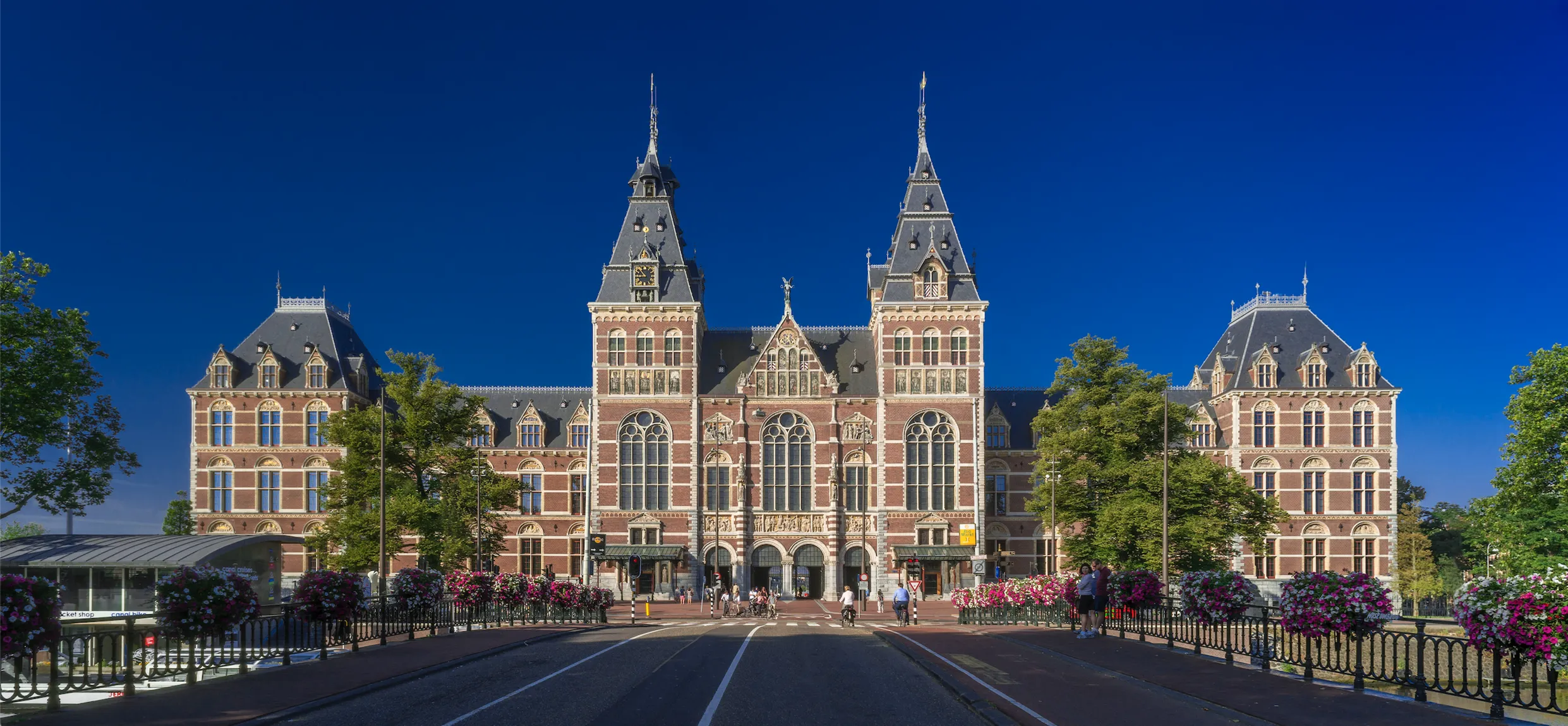
The Rijksmuseum in Amsterdam displays 8,000 objects from a total collection of over 1 million, spanning Dutch art and history from the Middle Ages to the 20th century. Its centerpiece is Rembrandt's The Night Watch (1642), and right now you can watch it being restored live in the Gallery of Honour. Operation Night Watch, the largest research and conservation project in the museum's history, is taking place in a glass-walled enclosure around the painting, visible to every visitor who walks through the Gallery of Honour. The current phase, studying the effects of vibrations on the canvas, runs through mid-September 2026 and temporarily reduces visibility of the painting. This is not a drawback. It is a once-in-a-lifetime opportunity to see conservation science happening in real time on one of the most important paintings in the world.
General admission is €22.50, or €25 when a special exhibition is running. Children 18 and under are always free. The museum is open daily from 9 AM to 5 PM, 365 days a year. You must book a start time in advance; only Friends of the museum can walk in without a reservation.
What to See If You Only Have Two Hours
Go straight to the Gallery of Honour on the second floor. This is the architectural spine of the museum, a sequence of four rooms leading to the Night Watch Gallery at the end. The gallery is designed so that each room contains masterpieces of a specific genre: Rembrandt, Vermeer, Frans Hals, Jan Steen. You walk through Dutch Golden Age painting in chronological order, building toward The Night Watch as the climax.
The Night Watch (1642) is at the far end. Rembrandt transformed what should have been a conventional militia group portrait into a dramatic scene of movement, light, and shadow. Figures emerge from darkness into brilliant illumination. A young girl in golden light moves through the crowd. A dog barks. A drummer beats his instrument. Captain Cocq strides forward. The painting was controversial from the start because Rembrandt violated the conventions of group portraiture, which required each member to be equally visible and equally lit. Instead, he created art.
In the side rooms, Vermeer's The Milkmaid (c. 1658) is the most beloved painting in the museum after The Night Watch. A kitchen maid pours milk from a jug. The scene is utterly simple. The rendering of light through the window, the texture of the bread, the concentration on the maid's face transforms a mundane domestic moment into something approaching the sacred. The Rijksmuseum holds four Vermeers in total, including The Letter Reader and Woman in Blue Reading a Letter.
Rembrandt's The Jewish Bride (c. 1665) is in the same gallery. Vincent van Gogh said he would give ten years of his life to sit before it for two weeks with only a crust of bread to eat. The painting's tenderness and the extraordinary impasto of the paint surface justify the hyperbole.
If time permits, the Doll's Houses collection on the ground floor is unexpectedly fascinating. Two 17th-century doll's houses, owned by Petronella Oortman and Petronella Dunois, are miniature masterpieces of domestic interior design, furnished with tiny but meticulously crafted objects that document Dutch material culture in exacting detail.
Current and Upcoming Exhibitions in 2026
Metamorphoses ran from February 6 to May 25, 2026, in the Philips Wing.
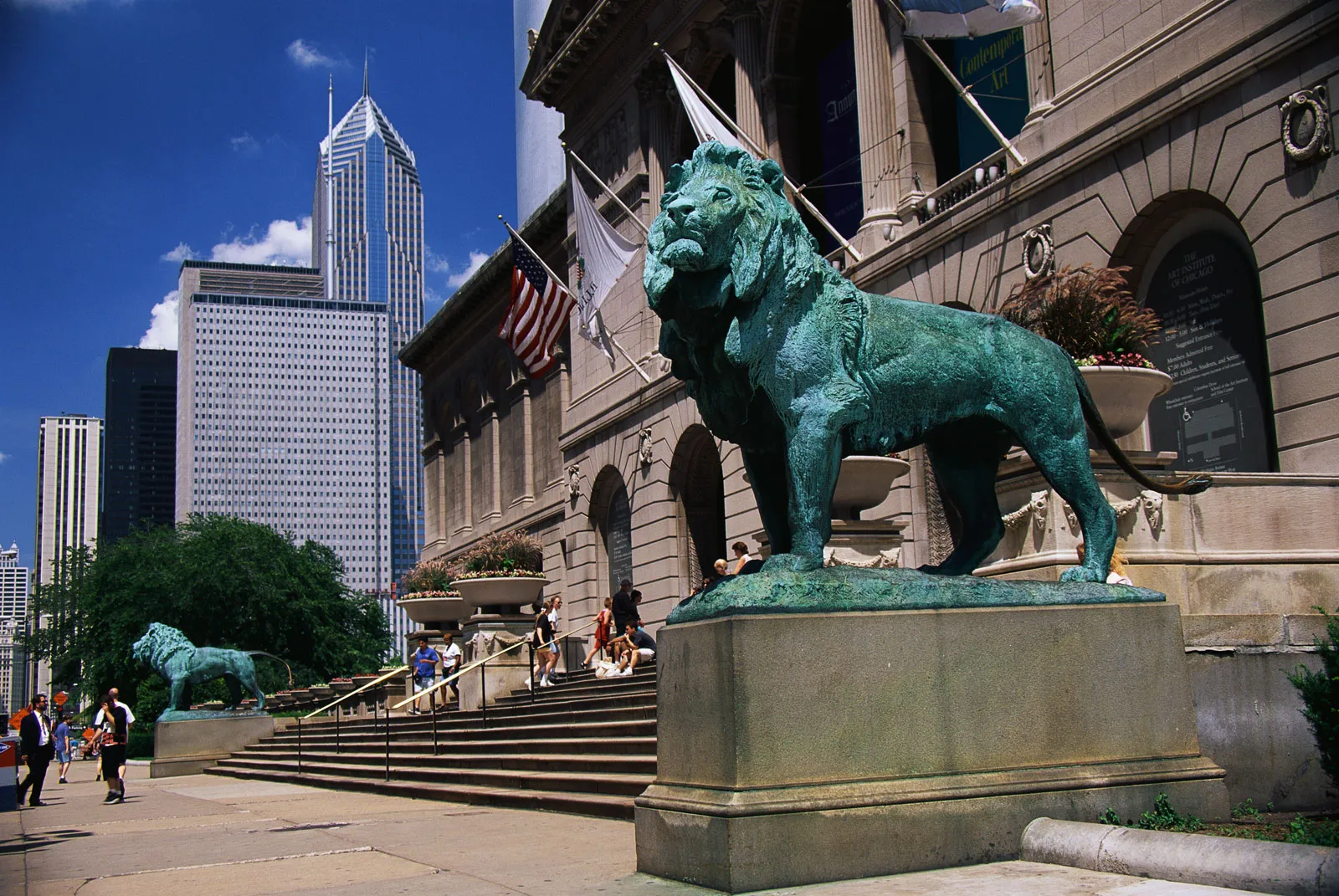
The major autumn exhibition is Willem de Kooning at Work (October 9, 2026 to January 17, 2027), developed in collaboration with the Art Institute of Chicago and The Willem de Kooning Foundation. Featuring over 120 works, it is the first comprehensive overview of de Kooning's drawings ever shown in the Netherlands, complemented by a selection of his most celebrated paintings and sculptures. One hundred years after de Kooning left Rotterdam for New York, the Rijksmuseum is bringing him back. Two of his most iconic paintings, Woman I and Woman and Bicycle, will be displayed concurrently in the Gallery of Honour, placing de Kooning among the great masters of Dutch painting. This is a bold curatorial statement, and it will be controversial.
Also opening October 9: Kadir van Lohuizen: The North Sea, a photography exhibition documenting the energy transition on and around the North Sea, with exclusive access to offshore wind farms, solar farms, hydrogen plants, and CO2 storage facilities across five countries.
Looking further ahead to February 2027: The Art of Drawing, a major survey of the revolution in drawing around 1600 in the Northern Netherlands, featuring over 100 highlights from European and American collections.
How It Compares
The Rijksmuseum is the definitive museum for Dutch Golden Age painting, in the same tier as the Prado Museum for Spanish art and the Alte Pinakothek for German and Flemish Old Masters. No museum in the world has a deeper collection of Rembrandt, Vermeer, and 17th-century Dutch painting.
Against the Louvre, the Rijksmuseum is smaller and more focused. The Louvre covers all of Western art plus antiquities; the Rijksmuseum covers primarily Dutch art and history. But within that focus, the Rijksmuseum's depth is unmatched. The Gallery of Honour alone contains more Vermeers than the Louvre, the Metropolitan Museum of Art, and the National Gallery in London combined.
Against the Van Gogh Museum, which is a 2-minute walk away on the same Museumplein, the Rijksmuseum is broader in scope and historical range. The Van Gogh Museum has the world's best Van Gogh collection; the Rijksmuseum has everything else in Dutch art history. Both are essential, and both can be visited in a single day if you start early.
Insider Tips
Book your start time in advance. The Rijksmuseum requires a timed entry ticket. Book online at rijksmuseum.nl. During peak season (April to September and school holidays), slots sell out days ahead. Only Friends of the museum can walk in without a booking.
Arrive at 9 AM. The museum opens at 9, an hour earlier than most major European museums. If you are at the door at 9, you can walk the Gallery of Honour in near-silence for 30 to 45 minutes before the first wave of tour groups arrives.
Operation Night Watch reduces visibility of the painting. The current research phase, studying vibration effects on the canvas, runs through mid-September 2026. The painting is partially obscured by equipment. This is frustrating if you want a clear photo, but it is a rare chance to see conservation science in action. If you want an unobstructed view of The Night Watch, visit after mid-September.
The Rijksmuseum app is free and excellent. Download it before your visit. It includes smart routes (a 90-minute highlights tour, a 60-minute family tour), audio commentary on hundreds of works, and interactive maps. The paid audio guide costs €6.50, but the app covers most of the same content for free.
The Cuypers Library is worth visiting. The oldest and largest art history library in the Netherlands is on the second floor, and its magnificent 19th-century reading room is open to museum visitors. It is one of the most beautiful rooms in Amsterdam and most tourists walk right past it.
The museum garden is free. The Rijksmuseum garden, open from 9 AM to 6 PM, is free to enter and contains sculptures, fountains, and seasonal plantings. It is a good place to rest between museum visits.
Getting there: The museum is at Museumstraat 1. The nearest tram stops are Rijksmuseum (trams 2 and 5) and Spiegelgracht (tram 2 and 12). From Amsterdam Centraal station, it is a 20-minute walk or a 15-minute tram ride.
Practical Information
Admission: €22.50 for adults, €25 when a special exhibition is running. Free for children 18 and under. Free for Friends of the museum. Audio guide: €6.50. The free Rijksmuseum app covers most of the same content.
Hours: Daily 9 AM to 5 PM, including all holidays. The shop and café are open until 6 PM. The garden is open from 9 AM to 6 PM.
Book tickets: rijksmuseum.nl
Final Verdict: Who Is This Actually For?
Anyone interested in Dutch art, Rembrandt, Vermeer, or European painting. The Rijksmuseum is not optional for an Amsterdam trip. The Gallery of Honour is one of the great museum experiences in the world, and Operation Night Watch adds a layer of behind-the-scenes access that most museums never provide. The upcoming de Kooning exhibition in October 2026 will be the most talked-about show in the museum's recent history. At €22.50, admission is mid-range for a European mega-museum, and the free Rijksmuseum app means you do not need to pay extra for an audio guide. Skip it only if you have zero interest in pre-1900 art, in which case the Stedelijk Museum next door is your better bet.