Yaddo: The Artists' Colony That Invented the Model
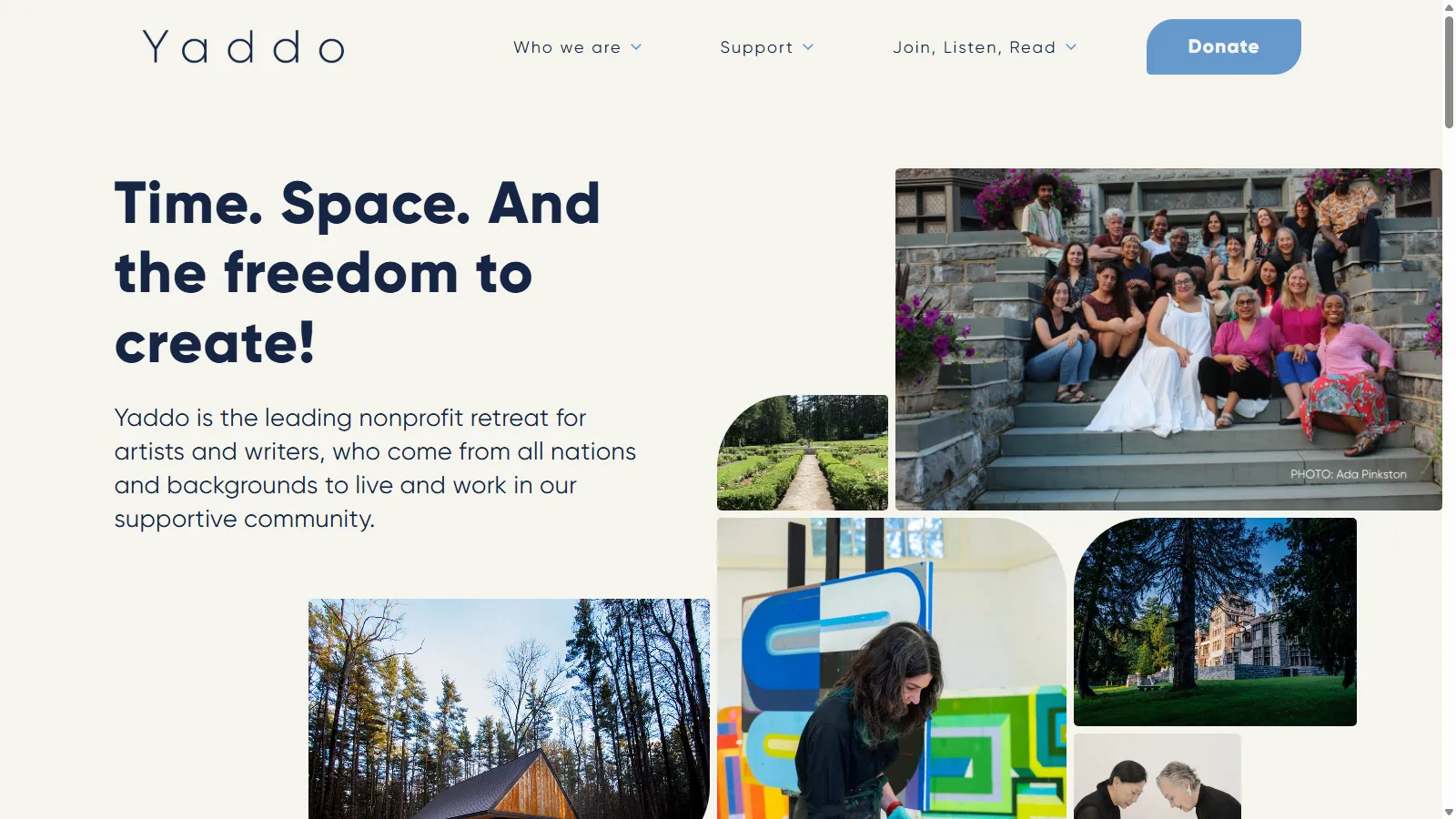
Yaddo is the residency your favorite artist already went to. Since 1900, the 400-acre estate in Saratoga Springs has hosted James Baldwin, Flannery O'Connor, Leonard Bernstein, Sylvia Plath, and basically everyone else whose name anchors a syllabus. Philip Roth called it the place he did his best work. The estate operates on the same model today: room, board, and a studio, free, for two weeks to two months.
Unlike its older New Hampshire rival, MacDowell, Yaddo sits on a working estate with formal gardens, lakes, and the famous statuary that makes it feel more like a preserved 19th-century compound than a retreat center. Residents eat in a mansion dining room and work in studios scattered through the woods, from the West House writing rooms to the composer cabins and the visual arts studios in the woods.
What You Get and What It Costs
The residency itself is free: private bedroom, dedicated studio, and meals included. Residents cover their own travel, though a limited number of access grants offset travel costs for artists who could not otherwise attend. There are no production requirements, no exhibition obligations, and no teaching duties.
The $35 application fee is the only cost to apply. For a residency of this caliber, that is remarkably cheap compared to pay-to-stay programs across Europe and Asia.
How to Apply
Two cycles per year, both through SlideRoom:
- Winter cycle: portal opens November 20, closes December 20 (or when 1,600 applications arrive, whichever comes first). Residencies start May through the following March.
- Summer cycle: portal opens June 1, closes July 1. Residencies start November through the following June.
Applications are judged by a rotating peer panel. The work sample carries the weight: 7 images for visual artists, 20 pages of fiction, 10 pages of poetry, or equivalent discipline-specific material. First-round review is anonymous, so strip your name from every file. Letters of reference are not currently required.
The Real Eligibility Rules
Artists enrolled in degree programs cannot apply. You can only apply once every other calendar year regardless of outcome. Yaddo supports individual artists making new work, so designers, technicians, and auxiliary roles are out. Repeat residents are judged by the same standard as first-timers.
The competition is real. Yaddo receives well over a thousand applications per cycle for a fraction of the spots, and the December cap means the portal can close early. Submit in the first week of December, not the last day.
What the Fee Actually Signals
The $35 fee is a screening device as much as revenue: it prices out speculative applications while staying cheap enough that cost never blocks a serious artist. Yaddo also waives the fee in documented hardship cases, so money should never be the reason you skip the application. The estate runs on endowment and donations, which is why the residency itself costs residents nothing and why the alumni network fundraises hard to keep it that way.
Insider Tips
Apply early in the window because of the application cap. Choose work samples that read as finished and recent rather than impressive but old. If you are invited, ask about the access grant immediately; it exists precisely because the estate knows travel costs filter out lower-income artists.
Visual artists should look at residency length honestly. Two weeks suits a focused project; two months suits a body of work. Request the length your project actually needs, since shorter stays are slightly less competitive.
The Yaddo Versus MacDowell Question
Artists inevitably weigh Yaddo against MacDowell, and the differences are practical. MacDowell caps residencies at eight weeks on 450 acres with 32 studios; Yaddo runs two weeks to two months on 400 acres with slightly larger cohorts. Both are free, both carry equal prestige, and plenty of artists do both. Yaddo's two-cycle deadline structure means more frequent entry points, while MacDowell's rolling sessions spread the year thinner.
The honest difference is atmosphere. MacDowell reads as monastic New England retreat; Yaddo reads as Gilded Age estate. Artists who want the grander backdrop and a busier social current tend to prefer Yaddo.
The Yaddo Experience
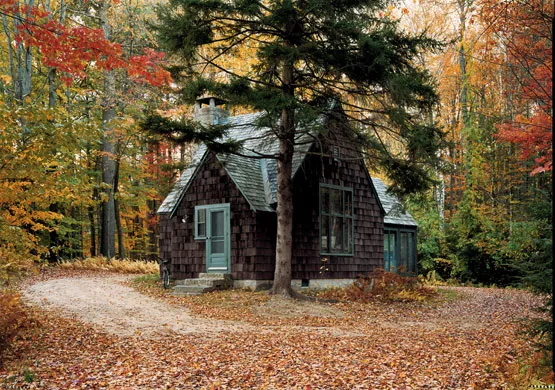
Days at Yaddo have the same shape they had a century ago: breakfast in the mansion, lunch delivered to your studio door in a basket, dinner communally. Studios range from the famous West House writing rooms to the composer cabins scattered through the woods. There are no obligations beyond your own work, and the evening talks and readings are optional.
The alumni weight is the quiet benefit. A Yaddo line on a CV signals peer validation in a way institutional residencies cannot, and the estate's network continues after you leave through fellowships, awards, and a deeply connected alumni community.
Who Should Apply
Working artists, writers, and composers who need protected time and can benefit from a serious peer community. If you need funding alongside space, look at the Rome Prize or Rijksakademie instead. If you want the oldest, most decorated residency name in American art, this is it.