Rijksakademie: Two Funded Years in Amsterdam, and a Jury Worth Passing
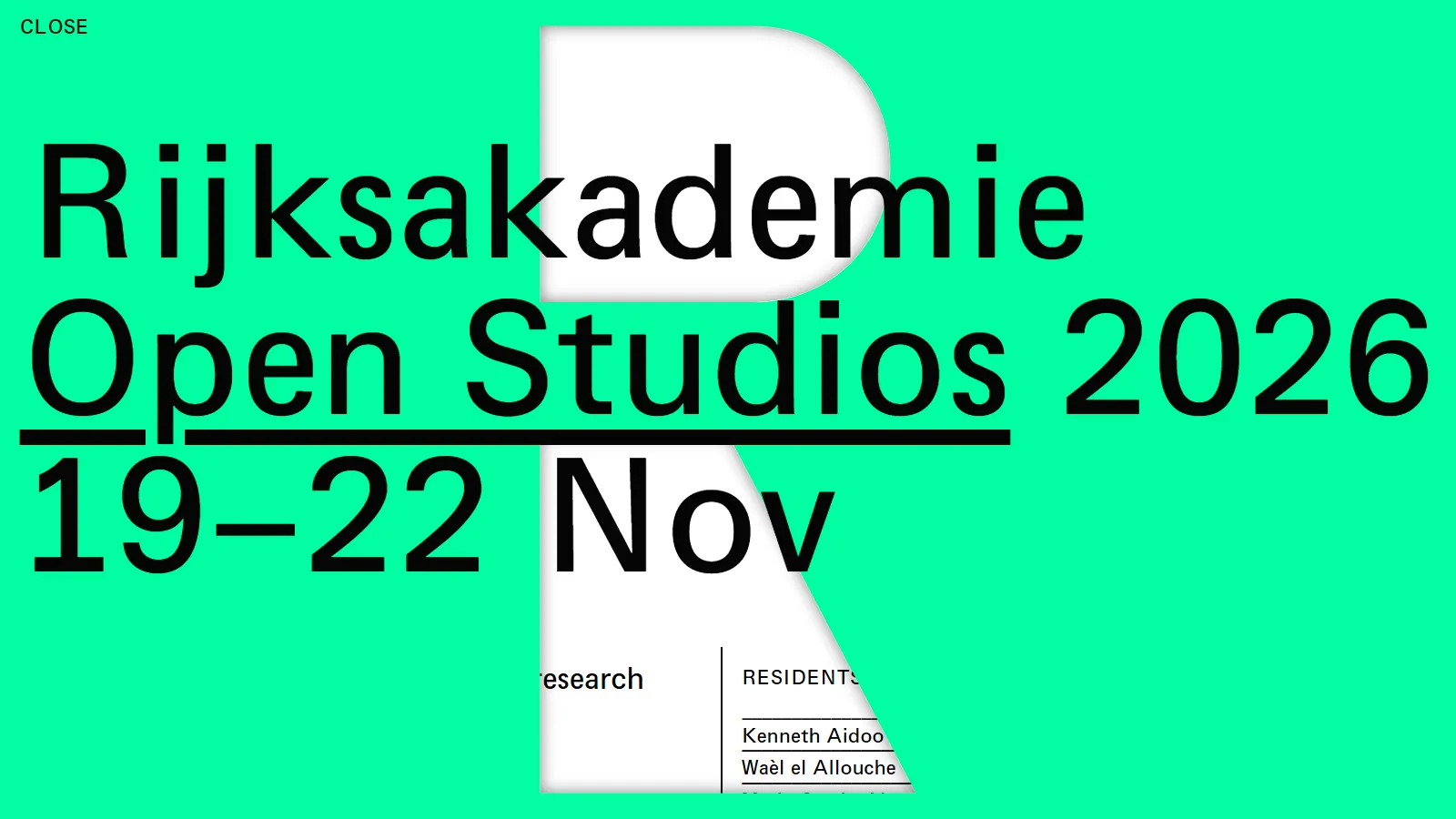
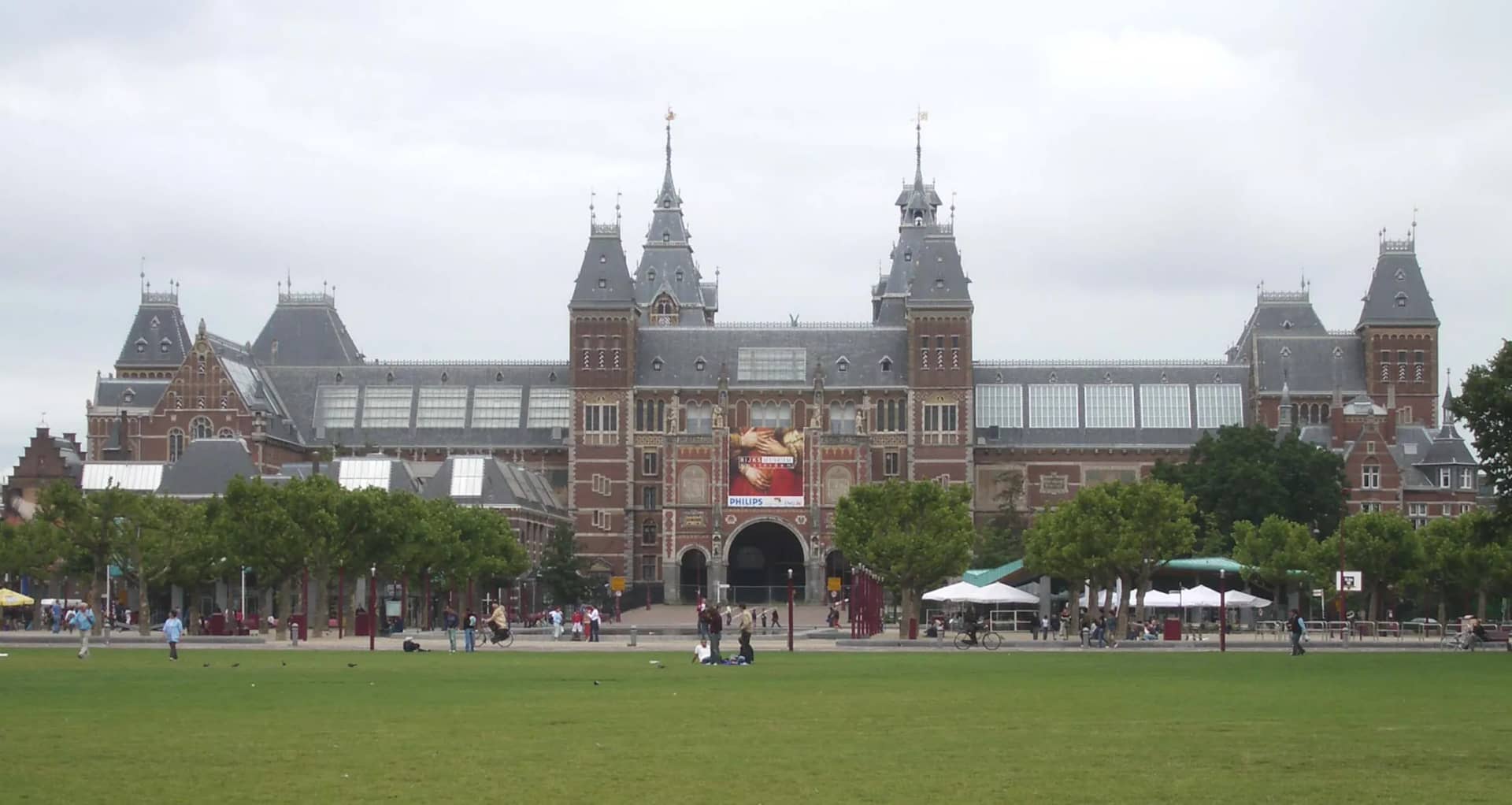
The Rijksakademie is not a residency you attend for a quiet month. It is a two-year, funded research period inside a converted cavalry barracks in Amsterdam, with around 50 artists in residence at any time, technical workshops that rival a small factory, and advisors flown in from the top of the international art world. Alumni include Navid Nuur, Marlene Dumas era peers, and a steady flow of artists who arrive unknown and leave biennale-listed.
The numbers tell you the scale: about 23 new residents are selected each year from a global pool, half from the Netherlands and half from everywhere else. Each receives a private studio, a €19,800 annual stipend paid monthly, and a €2,500 work budget, with most residents staying the full two years rather than one.
What You Get and What You Give
The package is unusually complete: studio, stipend, work budget, access to specialist-run workshops in materials from ceramics to digital fabrication, a serious library and art collection, and help finding modestly priced Amsterdam housing. Visa support is included for international residents.
Two honest caveats. Residents pay a participation fee of €1,875 per year, due before each residency year starts, which nets against the stipend. And the academy asks residents to help fundraise the roughly €20,000 fellowship that finances their own residency, meaning you will lend your name and work to fundraising efforts during your stay.
Who Can Apply
Open to artists of all countries and disciplines, with no formal degree requirement. The academy recommends two to three years of independent professional practice before starting, and strongly suggests applicants be finished with a BA or MA for at least two years. There is no age limit, but the average resident is about 30, and applicants over 36 are asked to explain why the residency matters now.
Two restrictions matter: alumni of the Jan van Eyck Academie or De Ateliers cannot apply, and you may apply a maximum of three times in your life. The application fee is €60, waived for applicants from DAC-list countries.
The Application
Open calls run roughly annually, with the 2028 residency call opening January 1, 2027. The multi-stage jury reviews portfolio, statement, and motivation, then narrows to a shortlist. English is the working language; no formal language test is required.
This is a long game. With three lifetime attempts permitted, apply when your work is genuinely ready rather than the first year you notice the call.
The Costs Hidden Inside the Funding
The stipend headlines well; the math deserves the honest version. Subtract the €1,875 annual participation fee and the effective stipend is roughly €17,900 a year before Amsterdam living costs, which in 2026 means a modest but genuinely workable income inside a city with a serious housing crunch. The work budget is real money for production, and the housing assistance is the practical detail that makes international participation possible.
Residents should also know the fundraising ask is structured, not voluntary in spirit: you will contribute work and presence to the academy's benefit efforts during your stay. Most residents report it as a fair trade, but go in knowing it is part of the deal.
What Two Years Buys
The two-year structure is the Rijksakademie's real argument. Most residencies end right when your thinking starts to shift; here, the second year is where experimentation turns into resolved work. Workshops cover ceramics, printing, metals, plastics, wood, photography, digital media, and conservation, each run by a specialist who will teach you the process rather than guard it.
The advisor visits matter as much as the space. Curators, writers, and established artists cycle through studios for one-on-one conversations that routinely become exhibition invitations, and the alumni network stretches across every biennial and major gallery program in Europe.
The International Half
Half the cohort comes from outside the Netherlands, and the residency is structured around that mix rather than treating internationals as guests. Studios sit side by side, workshops are shared, and the advisor program draws critics and artists from across Europe and beyond. For non-Dutch artists the move to Amsterdam is the logistical reality; for Dutch artists the draw is the international cohort arriving to them.
Insider Tips
The jury wants evidence of direction, not polish. A coherent recent body of work with a plausible reason two years of research would change it beats a scattered but technically impressive portfolio. Amsterdam housing is the practical choke point; accepted residents get help, but start thinking about the city early because the housing market is real.
If you are choosing between the Rijksakademie and the DAAD Artists-in-Berlin Program, note that the DAAD is by nomination for visual artists, so the Rijksakademie is the one you can actually apply for.
Who Should Apply
Visual artists a few years into a serious practice who want two funded years of research inside an international community, and who can articulate why Amsterdam's workshops and critical dialogue would alter their work. If you need a shorter commitment or a production-focused residency, look elsewhere. This is the European gold standard, and it behaves like one.