

The Vatican Museums: Sacred Art, Secular Power, and the Sistine Chapel
The Vatican Museums have 70,000 works across 7 km of galleries. This guide covers the Sistine Chapel, the Raphael Rooms, the Gallery of Maps, and how to survive it.
Your cart is empty
Browse the store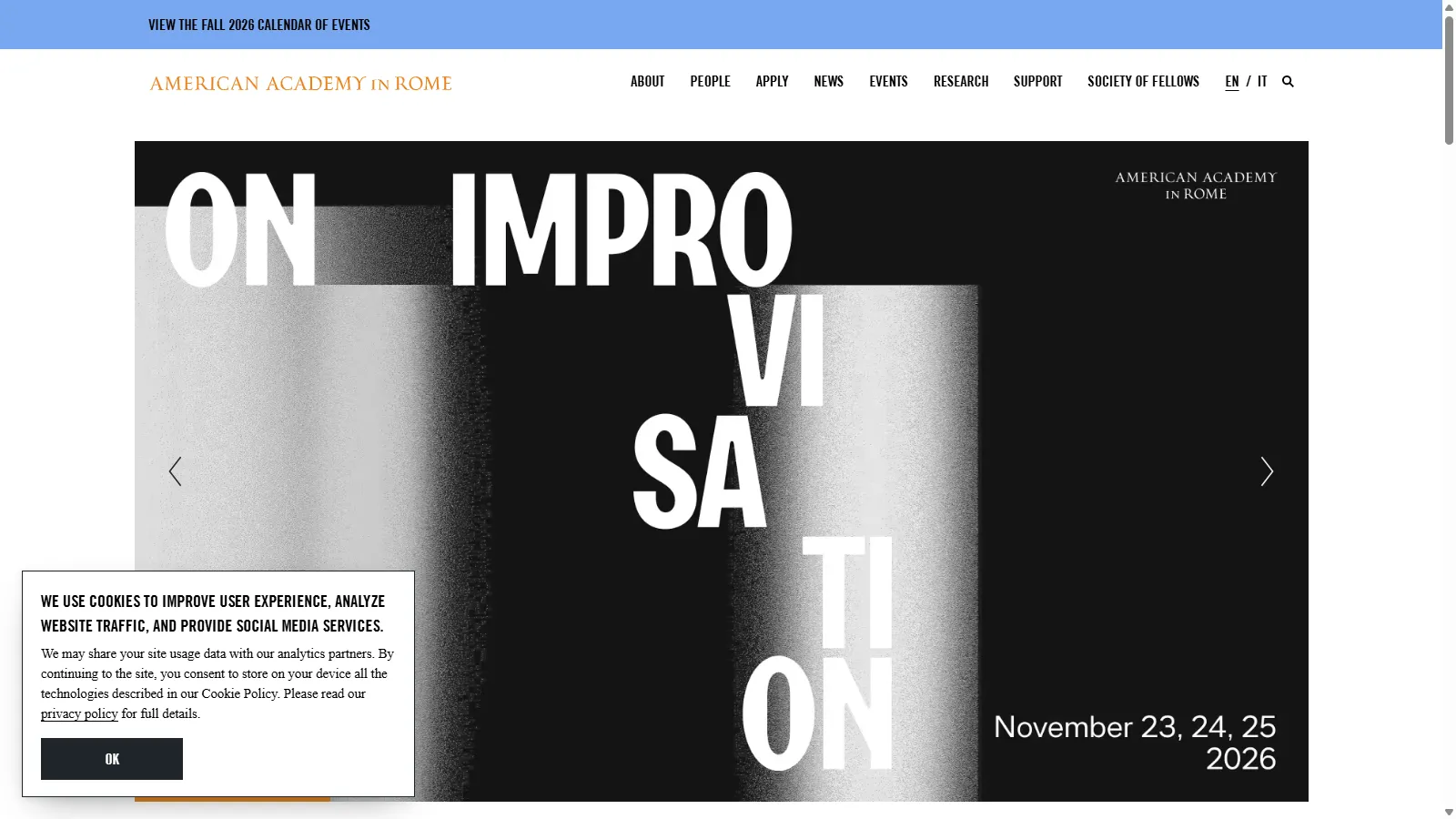
The century-old Rome Prize awards about 30 artists and scholars a stipend of $16,000 or $30,000 plus room and workspace atop the Janiculum Hill.
Last updated on November 15, 2026
Discover other opportunities you might be interested in
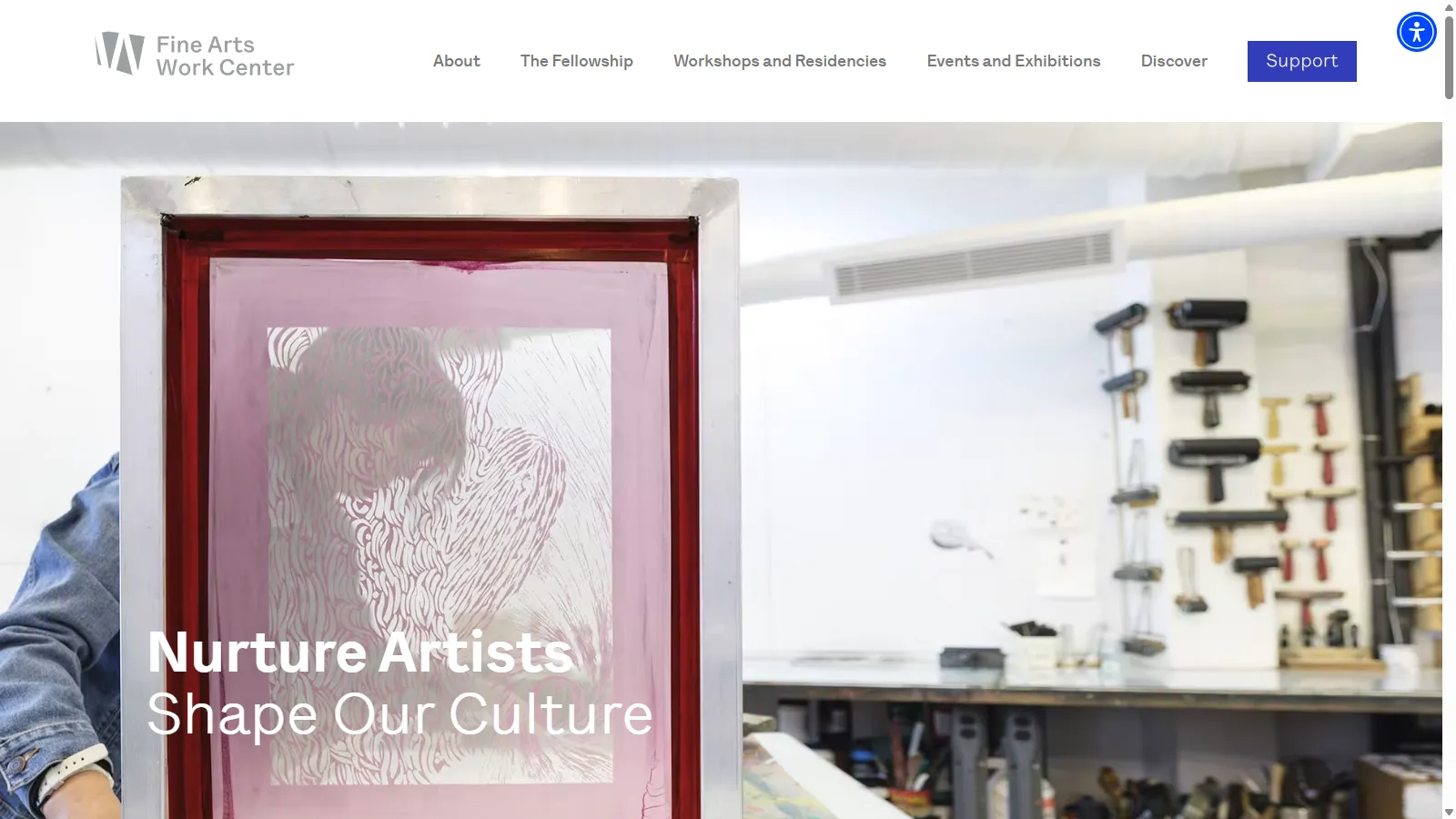
Seven-month funded residencies in Provincetown for 20 emerging visual artists and writers each year, with housing, studio, and a monthly stipend.
View details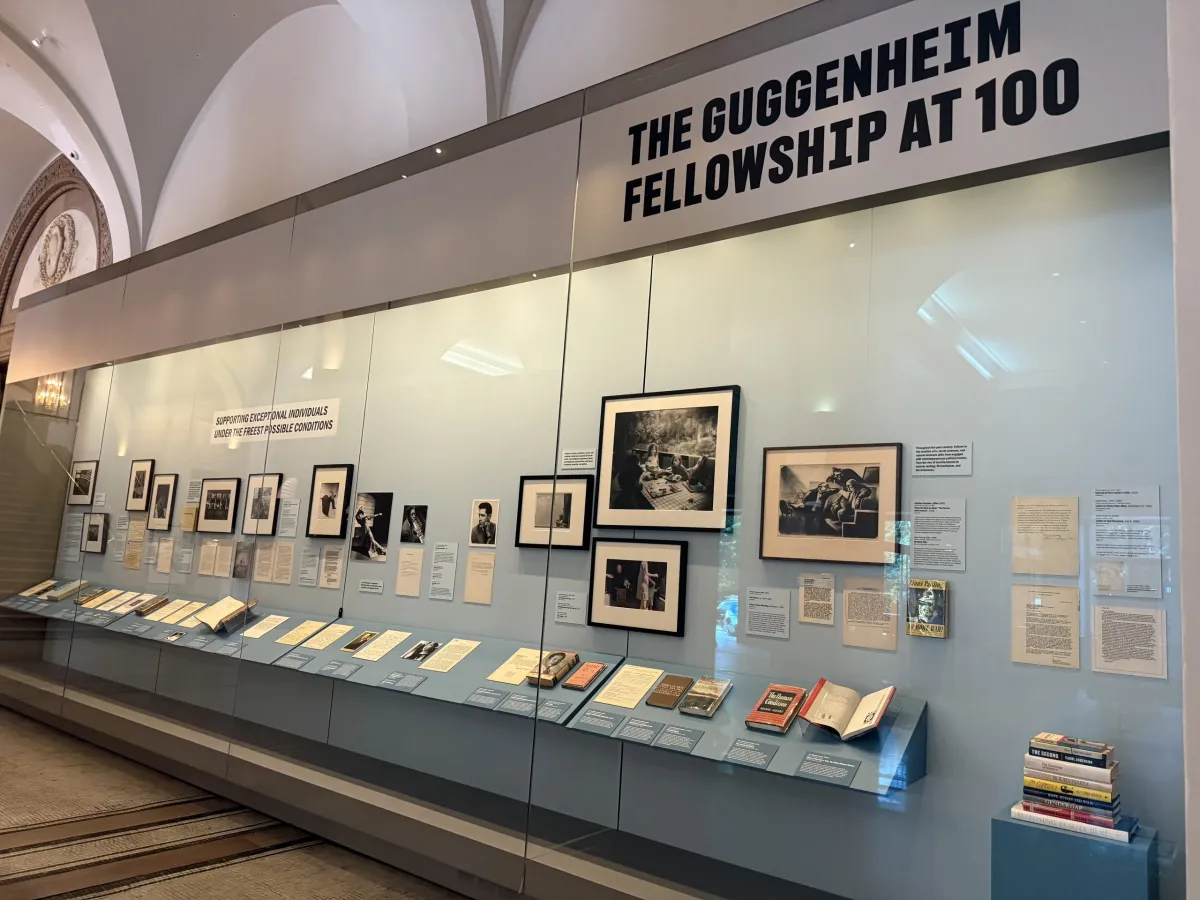
Prestigious fellowship with ~5% acceptance rate. 223 fellows awarded in 2026 from nearly 5,000 applicants. Avg stipend $40,000-$55,000. US/Canada citizens.
View detailsRead more about this topic on our blog
The Rome Prize is the fellowship American artists name-check in the first line of a bio. Founded in 1894 and housed in a McKim, Mead and White villa on the Janiculum Hill, the American Academy in Rome awards about 30 prizes a year across visual arts, architecture, design, literature, musical composition, and the humanities. Winners live at the Academy for a half or full term with a stipend, a bedroom with private bath, a private workspace, and weekday lunch and dinner cooked by the Rome Sustainable Food Project.
The stipends are real money: $16,000 for half-term fellows and $30,000 for full-term fellows running September through June. Fellows with children under eighteen live in subsidized apartments nearby.
Eligibility is the first filter: visual arts applicants must be US citizens with at least three years of professional commitment, and previous Rome Prize winners and current undergraduates are ineligible. A handful of categories, like Environmental Arts and Humanities, also accept foreign nationals resident in the US for three years.
The visual arts application asks for a current CV, a one-page proposal explaining why the work needs Rome, three references rather than letters, and up to 18 images or 10 minutes of video. Applications run through the Academy's online portal at $50 for one category by the November 1 early deadline, or $80 between November 2 and 15; additional categories cost $10 more each.
The proposal is the jury's real test, and the Academy is explicit about it: they fund projects that need to happen in Rome. Generic studio time is not the pitch. Artists who win typically have a project anchored in the city's collections, sites, or communities, whether that means studying specific works at the Vatican Museums or working with the Italian conservation world.
The community dimension matters too. Thirty fellows span disciplines deliberately, so a painter eats lunch beside a medievalist and a composer. The Academy programs lectures, open studios, and public events through the year, and fellows are expected to be present for the community rather than treating the villa as a hotel.
The US citizenship rule excludes most of the world's artists, full stop. If you are not eligible, the DAAD Artists-in-Berlin Program or Rijksakademie are the international alternatives. The fellowship also expects you to pause your life: fellows cannot hold full-time jobs during the term, and the September-to-June commitment is a real relocation.
Competition is fierce across the board, with visual arts among the most crowded categories. And while the stipend is generous by residency standards, Rome is not a cheap city, and the fellowship replaces your income for the term rather than supplementing it.
The thirteen disciplines span ancient studies through visual arts, but visual artists compete inside their own category against painters, sculptors, photographers, film and video artists, and installation and digital practitioners. The jury for visual arts rotates annually and draws from working artists and curators rather than administrators, which is why the winners skew toward strong mid-career practices over early promise.
Adjacent categories worth knowing: architecture and design fellowships accept visual practitioners whose work edges toward spatial practice, and the Environmental Arts and Humanities category opens eligibility beyond citizens. Read the category guidelines before defaulting to visual arts.
The Academy occupies a hilltop estate a fifteen-minute walk from Trastevere, with gardens, a library, gallery space, and the convivio tradition of shared meals in the main dining room. Fellows attend lectures, concerts, open studios, and excursions that pull the Academy's network into daily life; it is deliberately social, so hermits should apply elsewhere.
The stipend plus free weekday meals makes Rome genuinely affordable for the term, but the Academy's own materials warn that partners and family require planning, since standard housing is single-occupancy.
Apply by November 1 to save $30 on the fee; the contents are identical. For visual artists, the references matter more than the list suggests, so choose people who can speak to your trajectory, not just your fame. The jury convenes in January and February with finalist interviews in spring, so do not plan travel for those months.
If your project could plausibly be done elsewhere, rework it until it cannot. The Academy's FAQ effectively says so, and juries read hundreds of proposals a year that fail on exactly that point.
US-based artists and scholars with a project that genuinely requires Rome's collections, sites, or scholarly resources, and who can pause their lives for half a term or a full academic year. If you want the single most prestigious residential fellowship American art offers, this is the application that matters.
Hand-picked matches from our other directories
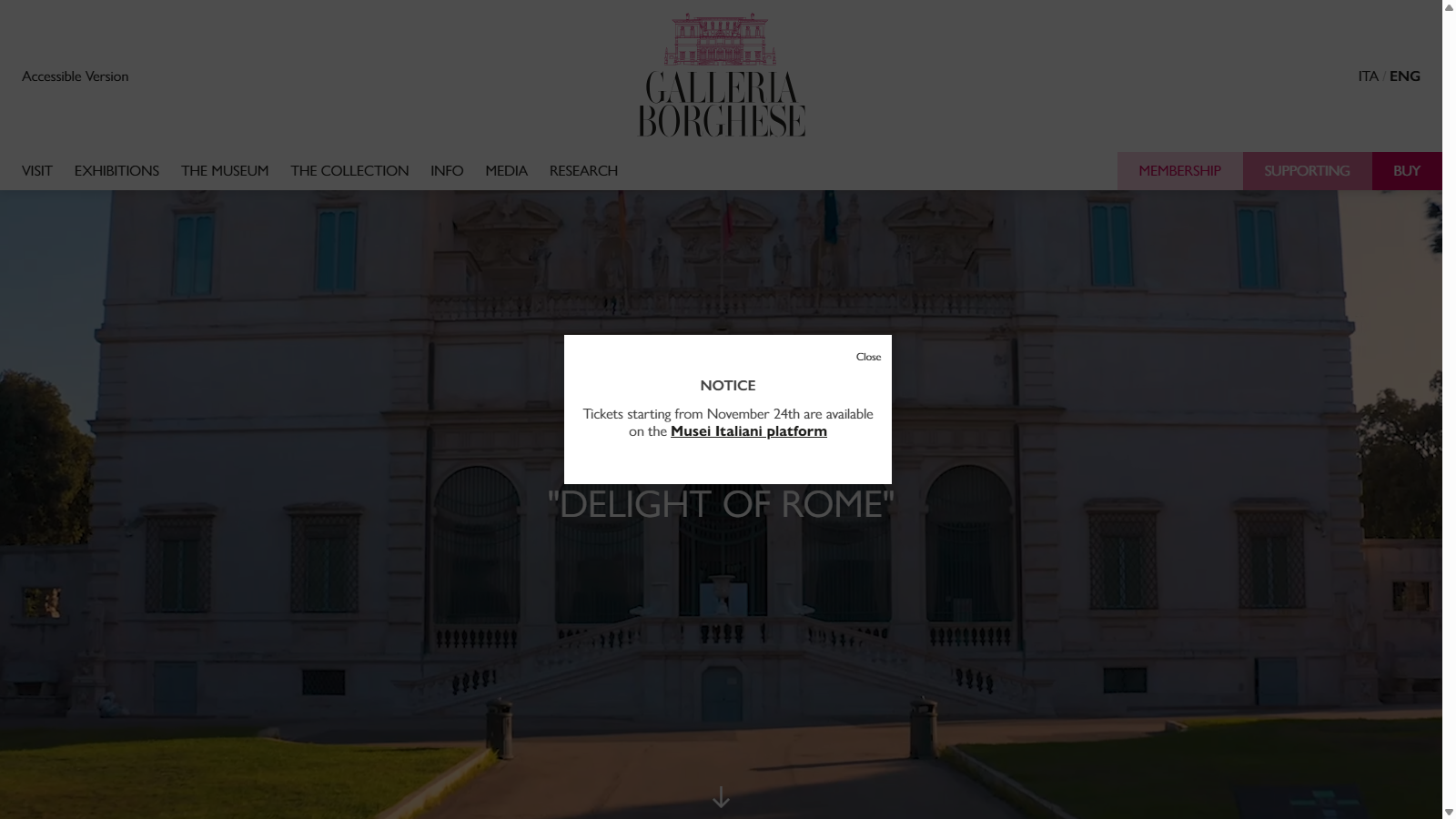
Rome's Borghese Gallery is the finest small museum in Italy: 6 Caravaggios, Bernini's greatest sculptures, timed 2-hour slots of 180 people. €16+€2, book weeks ahead.
View details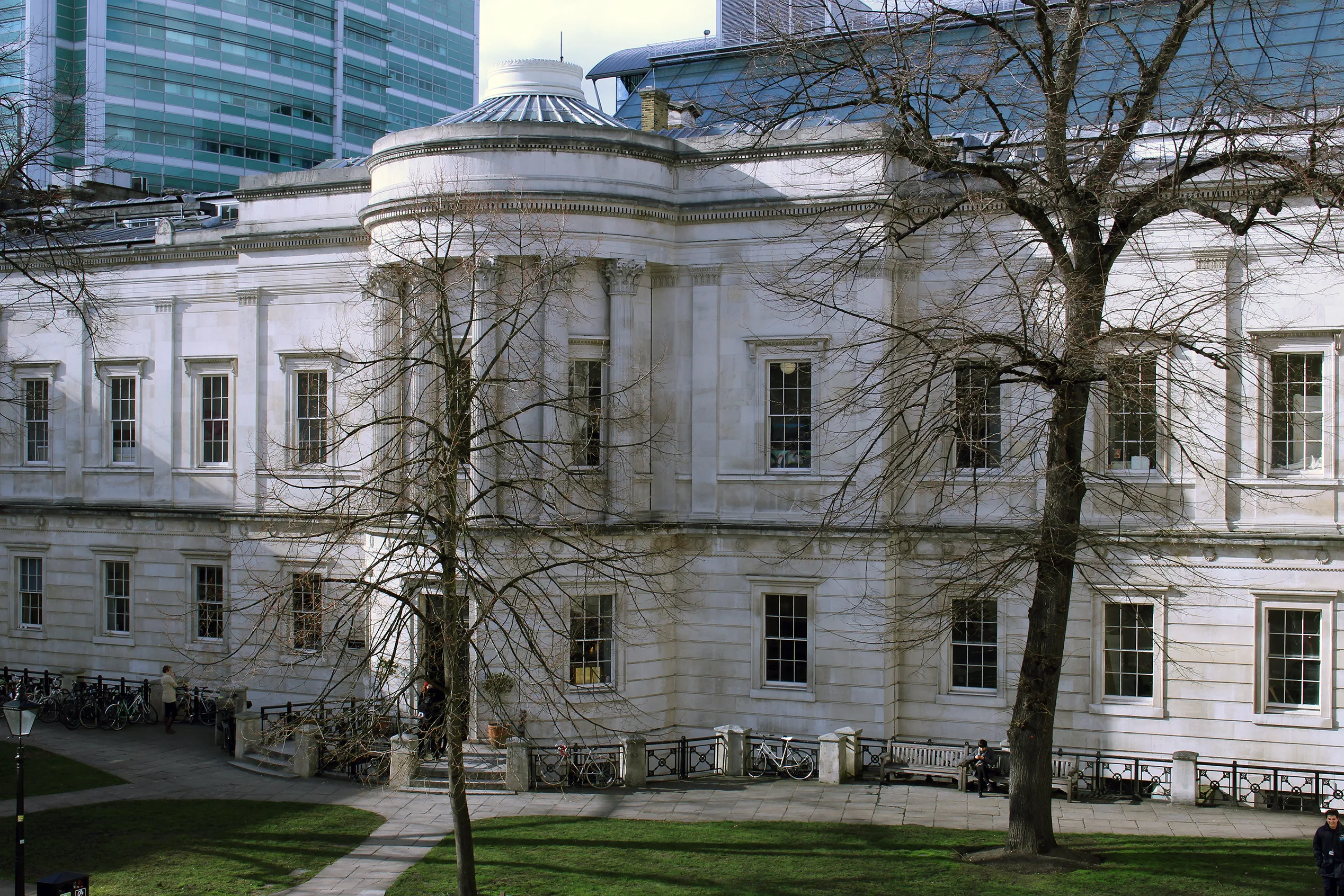
One of the most prestigious fine art schools in the world, the Slade School of Fine Art at University College London has trained generations of significant British and international artists since 1871.
View detailsQuiet Canvas is a space for artists and art lovers: essays, glossary terms, tools, and curated directories to support your creative practice.
Learn more →


