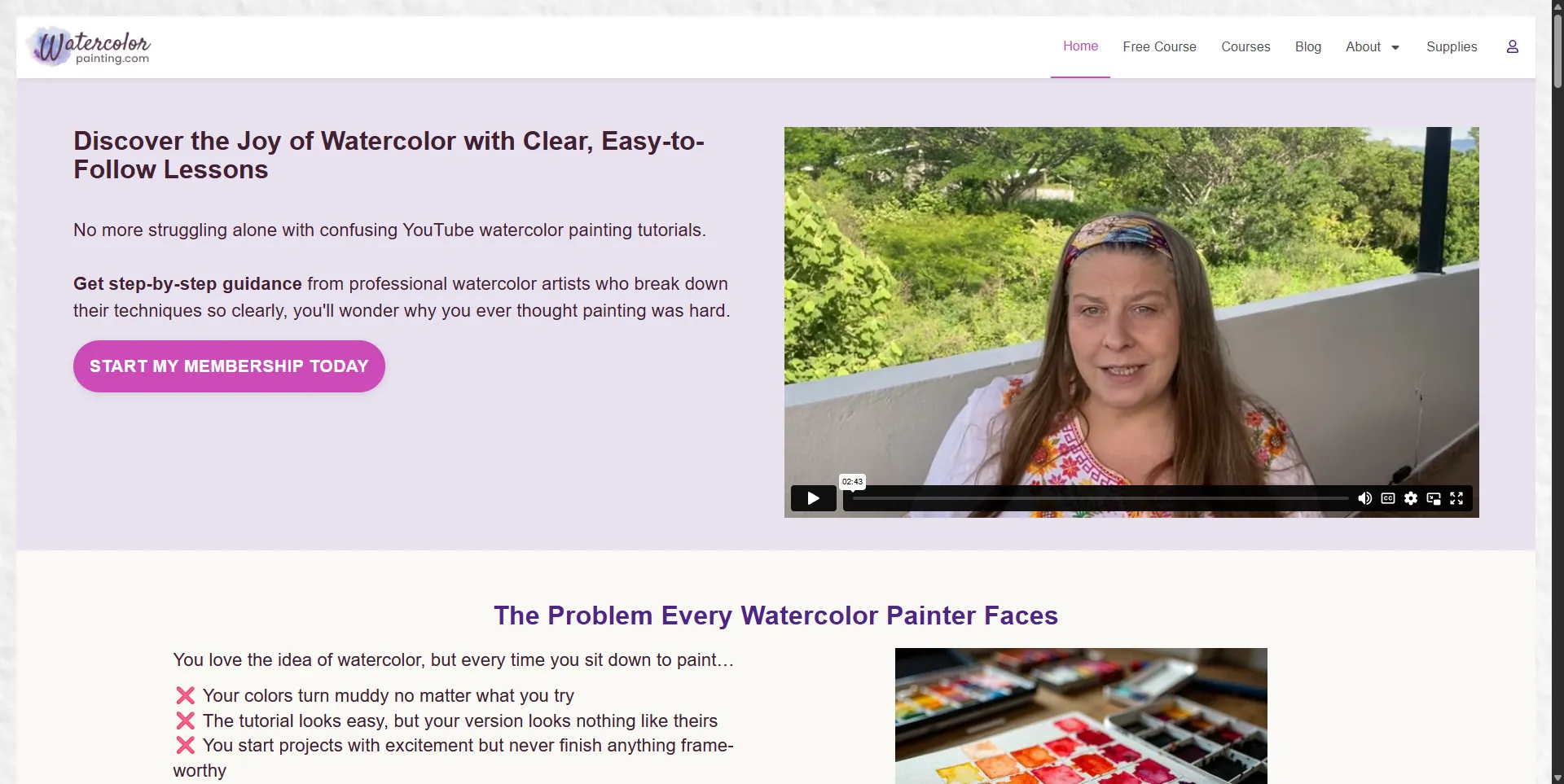

Digital Art: The Modern Creative Frontier Explained
From 1960s code art to 2026 AI museums, digital art has transformed what painting and creativity mean. Here is the full history and where it stands now.
Your cart is empty
Browse the store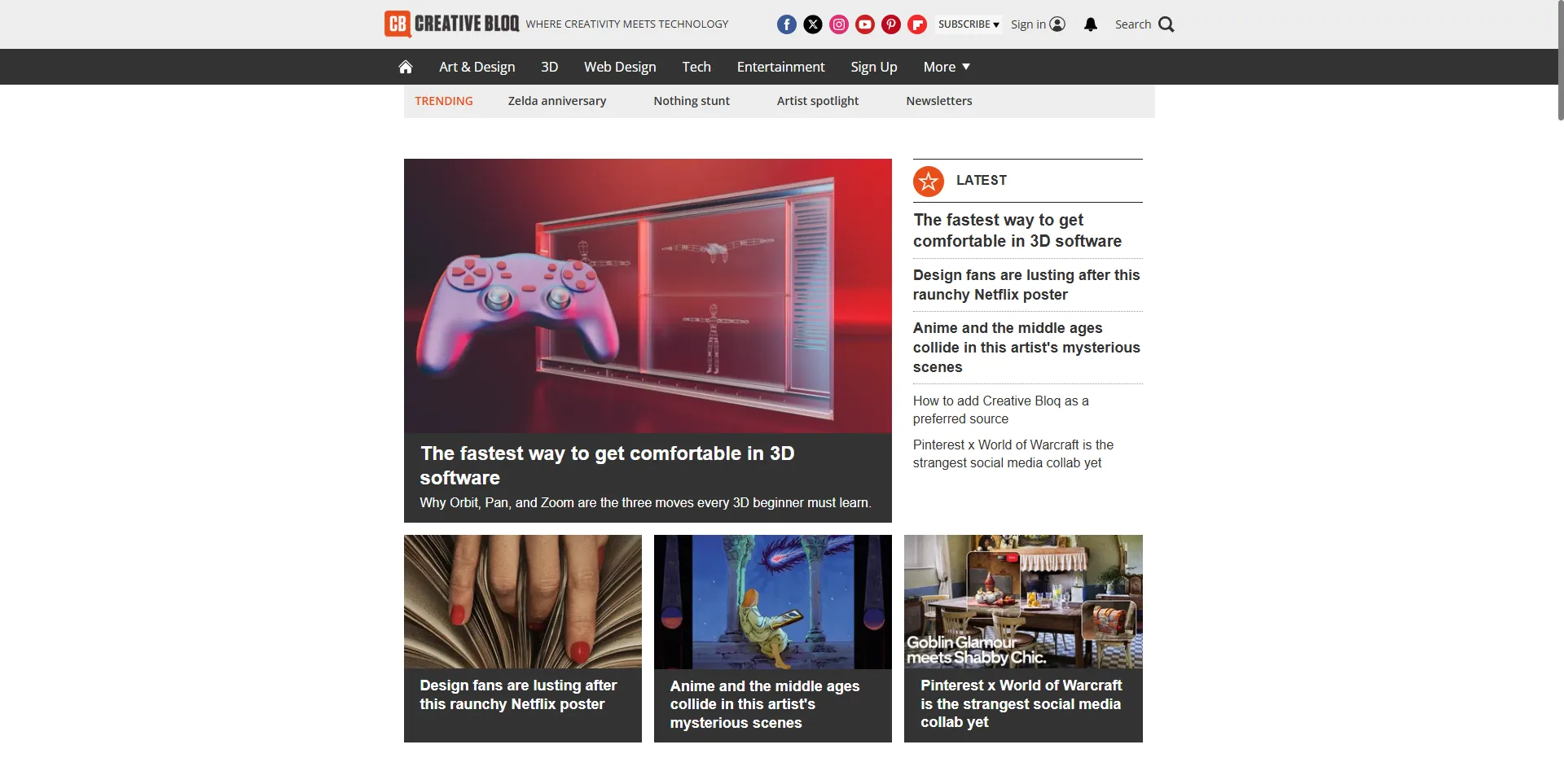
Creative Bloq is Future plc's digital art and design publication covering tutorials, software reviews, and industry news for working creatives. Honest look at its strengths and blind spots.
Discover other art communities you might be interested in
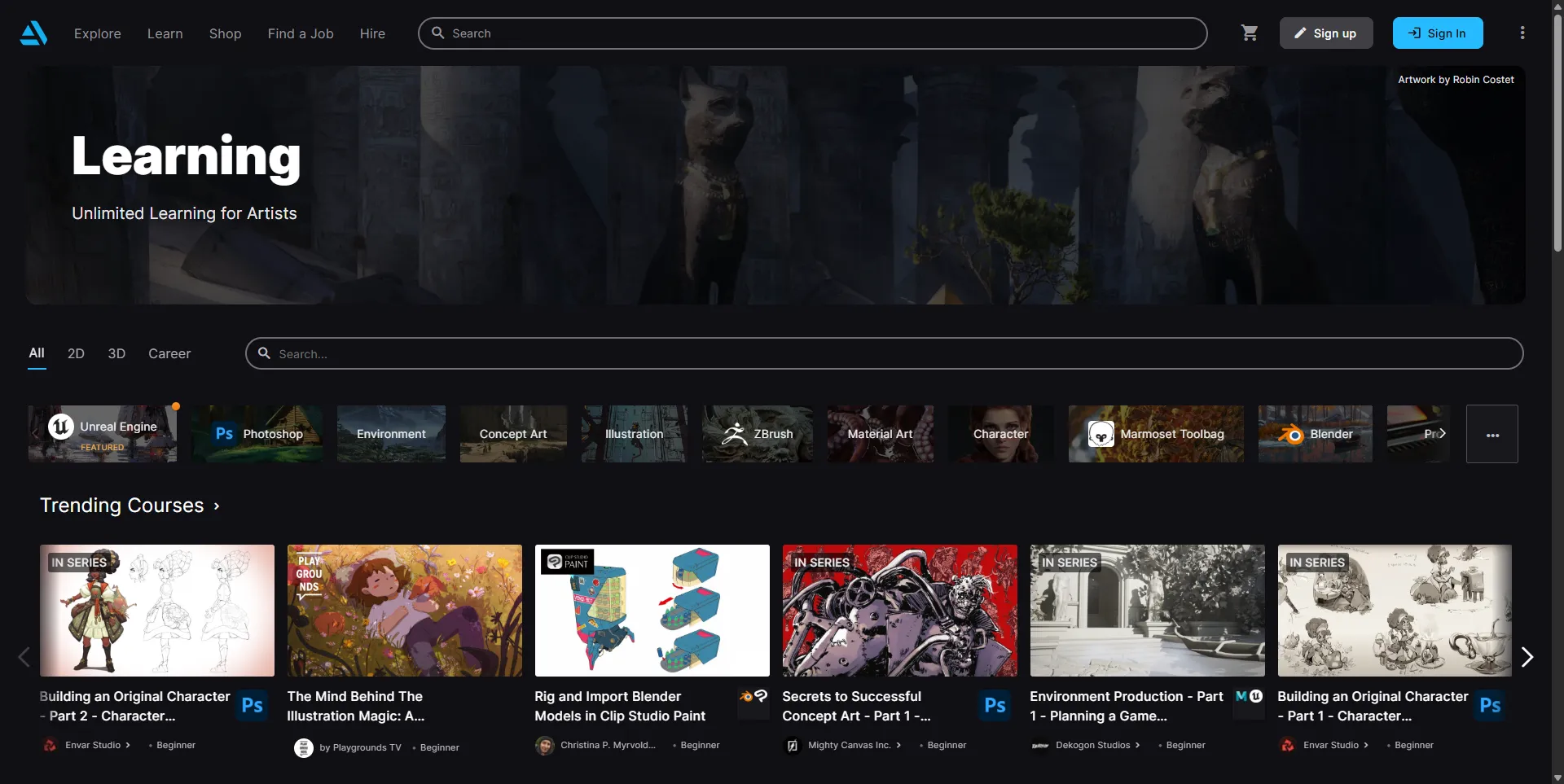
ArtStation Learning offers professional-grade courses from working entertainment artists, covering 3D, concept art, and VFX skills the industry actually hires for.
View details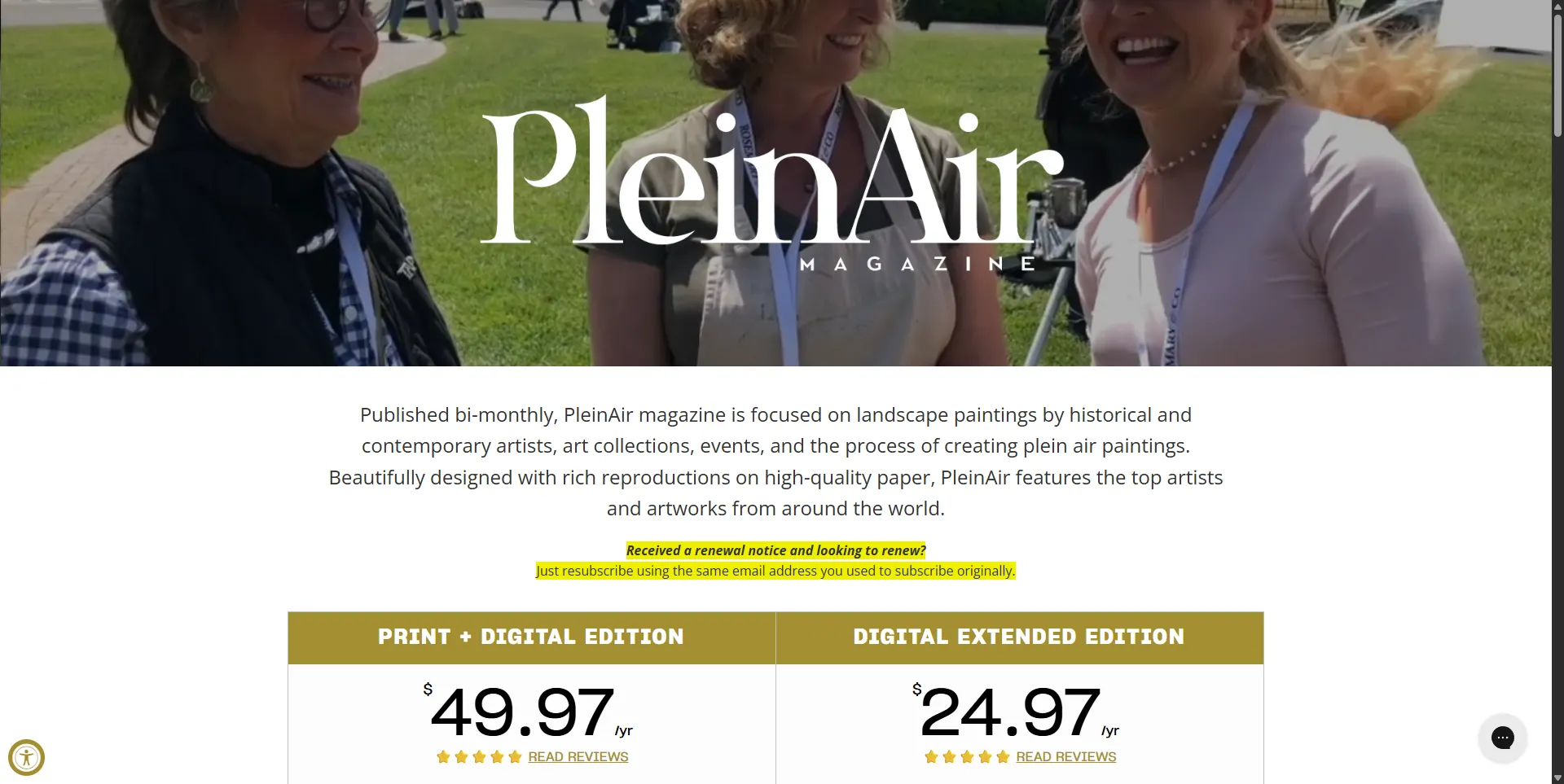
The only publication devoted to outdoor painting, with technique articles, artist profiles, the annual PACE convention, podcasts, and a national events guide.
View detailsExplore definitions from our glossary that connect to this community
Motion graphics is graphic design set in motion. Learn its history from Saul Bass and John Whitney to After Effects, key artists, and how animation became design.
3D modeling is the process of creating three-dimensional objects in digital space. Learn its history from the 1975 Utah teapot to Meta's SAM 3D and Roblox's AI Build in 2026.
Read more about this topic on our blog
From 1960s code art to 2026 AI museums, digital art has transformed what painting and creativity mean. Here is the full history and where it stands now.

Doodle art is more serious than it looks. From medieval manuscript margins to Zentangle and professional illustration, here is the full story of the humble doodle.

Pop Art turned soup cans, celebrities, and comic strips into fine art. Learn how Warhol, Lichtenstein, and Hamilton used commercial imagery to challenge what counted as art in the 1950s and 60s.
In June 2026, Creative Bloq launched an "AI in Focus 2026" content series sponsored by Nvidia. The series promised to explore how AI is changing graphic design, digital art, filmmaking, and game development. It also promised to demonstrate how Nvidia GeForce RTX GPUs speed up creative applications. This is Creative Bloq in miniature: genuinely useful coverage wrapped around a commercial engine that funds the whole operation.
Owned by Future plc and headquartered in Bath, UK, Creative Bloq has been publishing daily since 2012. It calls itself "the world's leading art and design site," and the claim is not unreasonable. The site covers digital art, graphic design, illustration, 3D, VFX, typography, web design, and traditional art with a mix of tutorials, reviews, news, and inspiration galleries. But understanding what Creative Bloq actually is requires understanding its parent company's business model, because that model shapes every editorial decision on the site.
Future plc made GBP 76.7 million in affiliate revenue in the year to September 2025, according to Press Gazette. That is down 6% from the previous year due to a 10% drop in website sessions across B2C brands. Affiliate revenue is the money generated when readers click product links in articles and buy something. Creative Bloq is one of Future's most important affiliate properties.
This matters because it explains the site's content structure. The "best drawing tablets" buying guide, the "best digital art software" roundup, the hardware reviews of Wacom pen displays and iPad Pro accessories: these are not public service content. They are affiliate commerce content, designed to rank in Google search results for purchase-intent queries and convert clicks into commission revenue. The quality is often good, but the motivation is transactional.
In 2025 and 2026, Future has been pushing three new initiatives across its brands. Signal reframes affiliate content as personal buying advice from individual writers. Collab gives vetted external creators access to a pared-down version of Future's CMS so they can publish directly to Creative Bloq and other Future sites. Future+ is a free membership programme that encourages users to sign in for personalised features and discounts. As of December 2025, Future had signed up 67,000 members in the first ten weeks of Future+ going live.
Insider tip: When you read a Creative Bloq buying guide, scroll to the methodology section if one exists. Some guides are updated regularly with fresh testing. Others are clearly SEO placeholders that recycle manufacturer specifications. The difference is usually visible in how specific the hands-on experience sounds. A review that mentions actual brush lag on a specific canvas size has been tested. A review that lists specs from a press release has not.
The tutorial content is where Creative Bloq earns its reputation. The Photoshop, Illustrator, and Procreate tutorials are written by working professionals and tend to be specific enough to follow along with. The Procreate coverage has grown substantially as iPad-based digital art has exploded, and the site now covers Adobe Fresco, Clip Studio Paint, and Krita with reasonable depth.
The artist spotlights are a pleasant surprise among the affiliate content. Features on illustrators, concept artists, and designers working at studios like Aardman, Pixar, and independent game developers provide genuine insight into professional creative workflows. These pieces read like they were written by people who actually talked to the artists, because they were.
The industry news coverage is timely and well-sourced. When Adobe ships a major Photoshop update, when Wacom announces a new Cintiq, when a studio closes or a major exhibition opens, Creative Bloq covers it quickly and accurately. For working creatives who need to track industry developments, the news feed is a legitimate daily resource.
The site's biggest weakness is the tension between editorial quality and affiliate pressure. Buying guides sometimes recommend products that are objectively not the best choice for artists but generate higher commission rates. The "best digital art software" guides tend to overweight subscription-based products from Adobe and Corel while underrepresenting free or one-time-purchase alternatives like Krita or Paint Tool SAI. The hardware guides lean heavily toward Wacom and Apple products because those brands convert well, even when Huion and XP-Pen offer comparable performance at lower prices.
The inspiration galleries are another weak spot. They function more as SEO-optimized listicles than genuine curation. A post titled "50 stunning examples of digital art" is designed to capture search traffic, not to provide a thoughtful survey of contemporary work. For serious art inspiration, platforms like ArtStation and Behance offer far better discovery tools.
The site also has a scope problem. Traditional art, painting, and drawing get minimal coverage compared to digital tools and commercial design. If you work in oils, watercolour, or printmaking, Creative Bloq has very little for you. Gurney Journey and Painting Perceptions serve traditional painters far better.
Against Digital Arts Online (also Future-owned), Creative Bloq is broader and more frequently updated. Against It's Nice That, Creative Bloq is more practical and tool-focused but less culturally curious. Against Design Week, Creative Bloq covers more ground but with less editorial depth on any single topic.
The site's closest competitor in the tutorial space is YouTube. For hands-on software instruction, free video tutorials on YouTube routinely outperform Creative Bloq's written tutorials in both clarity and specificity. The advantage Creative Bloq holds is searchability: you can find a specific technique in a written tutorial faster than scrubbing through a 20-minute video.
Working digital artists and designers who need to track software updates, hardware releases, and industry news will find Creative Bloq useful as a daily or weekly check-in. The news coverage and tutorials are genuinely valuable for professionals who work primarily in digital media.
Beginners shopping for their first tablet or software should read the buying guides with appropriate scepticism. Cross-reference recommendations against user reviews on Reddit communities like r/digitalart and independent YouTube reviewers before purchasing.
Traditional painters and fine artists should look elsewhere. Creative Bloq's editorial focus is overwhelmingly digital and commercial, and the site has little to offer artists working in physical media.
Creative Bloq is a competent, commercially driven publication that serves digital creatives well for news, tutorials, and product awareness. It is not an authoritative critical voice. It is not a fine art resource. It is a gear-and-tutorials site with good industry news coverage and a clear financial incentive to recommend products. Read it for the tutorials and the news. Take the buying guides with a grain of salt. And if you want serious art community engagement, pair it with Muddy Colors for illustration or Lines and Colors for broader visual art coverage.
Visit creativebloq.com to explore tutorials, reviews, and industry news. For related resources, check out our profiles on ArtStation, Behance, and Concept Art World.
Quiet Canvas is a space for artists and art lovers: essays, glossary terms, tools, and curated directories to support your creative practice.
Learn more →


