
Game Design as Art: Environmental Storytelling and Visual World-Building
Game design is one of the most sophisticated visual arts of the 21st century. Discover how environmental storytelling and visual world-building make games fine art.
Your cart is empty
Browse the store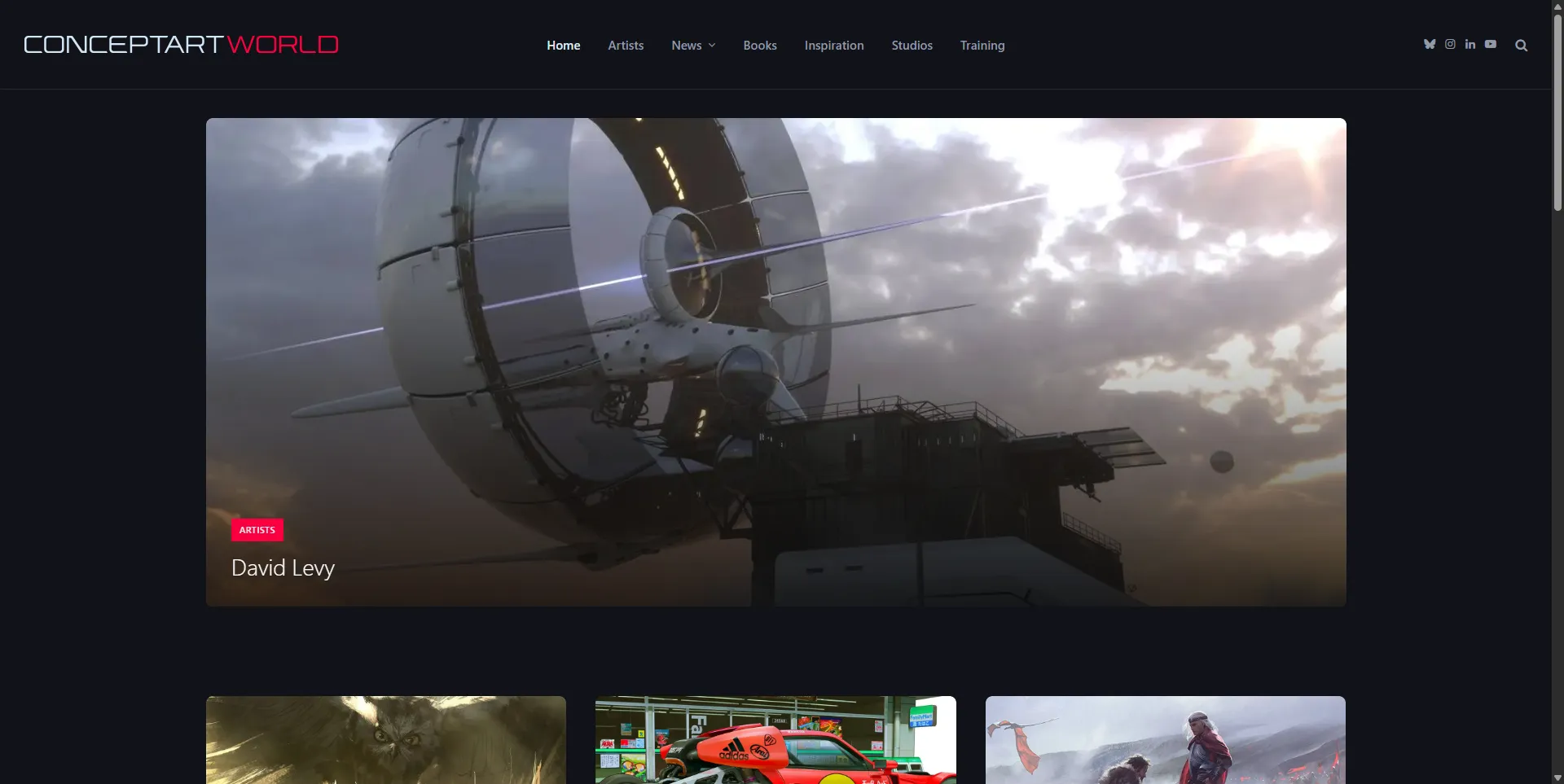
A curated showcase of professional concept art from games, film, and animation, featuring artist interviews, art book previews, and industry news since 2008.
Discover other art communities you might be interested in
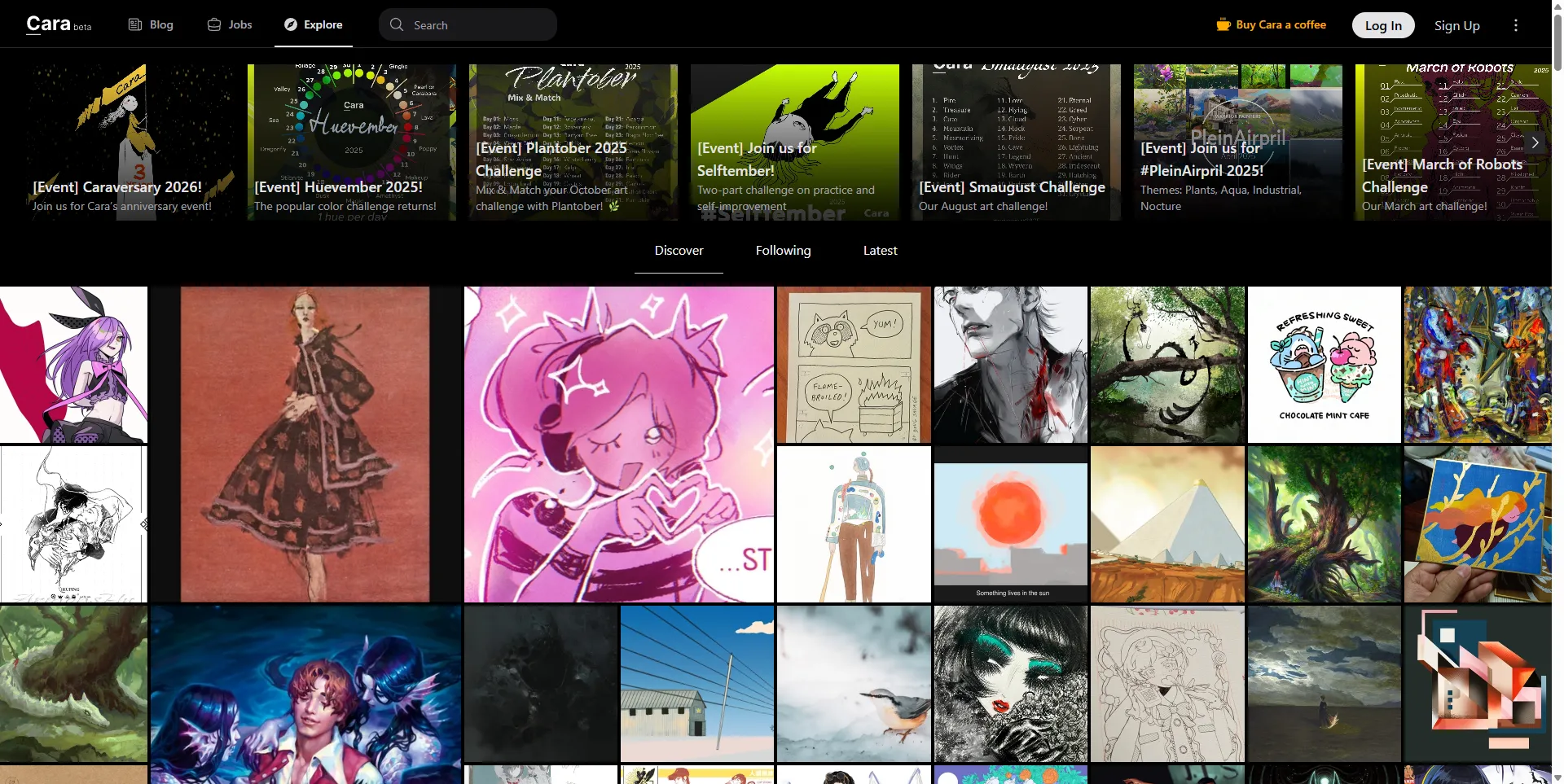
The anti-AI artist platform founded by Jingna Zhang, now hosting 1M+ artists and 5M+ images with Glaze protection and a chronological feed free of algorithmic manipulation.
View details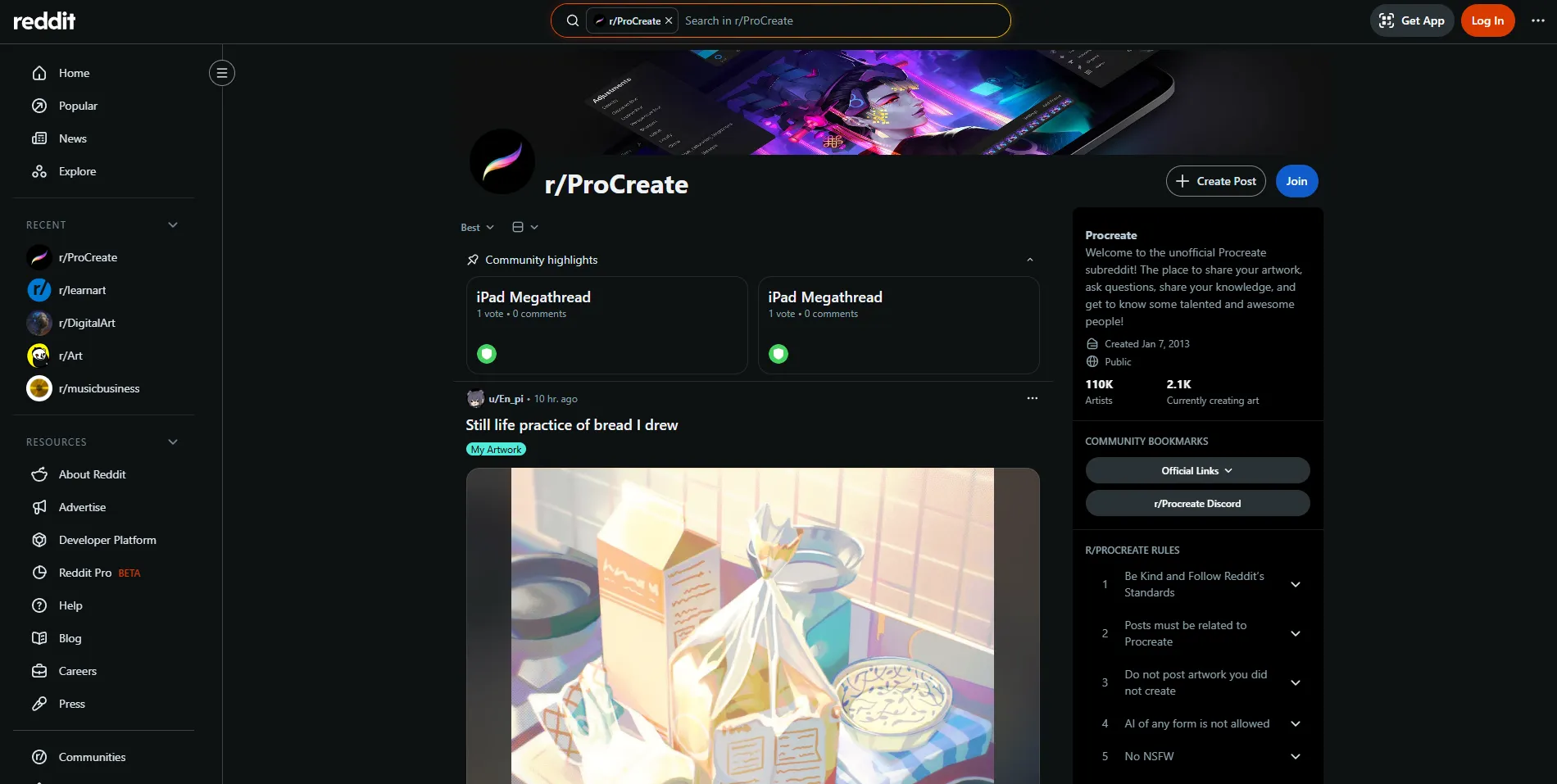
The largest online community for Procreate users, with nearly 400,000 members sharing artwork, custom brushes, workflow tips, and hardware advice for iPad digital art.
View detailsExplore definitions from our glossary that connect to this community
Concept art is visual development art for games, film, and animation. Learn its history from Disney's Snow White to AI-assisted workflows in 2026.
Motion graphics is graphic design set in motion. Learn its history from Saul Bass and John Whitney to After Effects, key artists, and how animation became design.
Read more about this topic on our blog
Game design is one of the most sophisticated visual arts of the 21st century. Discover how environmental storytelling and visual world-building make games fine art.

How video games became a serious visual art form: from the painterly worlds of Journey and Shadow of the Colossus to Elden Ring's gothic mythology. A guide to game art direction, concept art, and what makes interactive visuals different.
The ArtStation State of the Art Report 2026 confirmed that concept art is the second most proclaimed skill in artist portfolios, right behind 3D modeling. Recruiters at major studios list concept art as one of the most in-demand skills for hiring. But where do you go to see the best professional concept art being produced today, beyond scrolling ArtStation's trending page? Concept Art World has been answering that question since 2008.
Founded nearly two decades ago, Concept Art World is one of the most respected and widely followed online showcases for professional concept art. The site features curated galleries of work from games, film, and animation alongside artist interviews and career resources. It is specifically oriented toward the professional concept art world, covering the work, artists, and production contexts of concept art for major entertainment productions.
The galleries are the heart of the site. Unlike ArtStation, where anyone can post work, Concept Art World's galleries are curated. The editorial team selects professional concept art from major games, films, and animated productions, providing a filtered view of the best work being produced in the field.
The game art galleries cover concept art from major game releases across all platforms and genres, from the photorealistic environments of AAA action games through the stylised characters of indie games. The breadth reflects the diversity of the games industry and the range of artistic approaches used in professional game development.
The film art galleries cover concept art from major film productions, including both live-action films with significant VFX work and animated features. The film art galleries are particularly valuable for concept artists who want to understand the specific approaches used in film production, which differ from game development approaches in important ways.
The animation art galleries cover concept art from animated television series and feature films, providing access to the specific approaches to character design, environment design, and visual development used in professional animation.
Insider tip: The curation is the value. On ArtStation, you have to filter through thousands of posts to find the professional work. Concept Art World does that filtering for you. If you are studying for a concept art career, spend 30 minutes a day browsing the galleries here rather than scrolling ArtStation's trending page. The quality bar is higher because the content is selected, not algorithmically surfaced.
The artist interviews feature conversations with professional concept artists about their work, creative process, and professional practice. The interviews cover specific techniques and workflows, the challenges of working in different production contexts, and the career paths that led the interviewees to their current positions.
The studio spotlight features provide in-depth coverage of specific game studios, film studios, and animation companies, with detailed discussion of the visual approaches and production processes used by each studio. These spotlights are particularly valuable for aspiring concept artists who want to understand the specific culture and working methods of studios they are interested in working for.
Insider tip: The interviews often reveal specific workflow details that are not available elsewhere: which software the artist used, how they managed client feedback rounds, what reference materials they relied on. Read the interviews with a notebook handy. The specific workflow details are more useful than the general career advice.
The career resources section addresses the specific challenges of building and maintaining a professional concept art career. Topics include how to develop a professional portfolio, how to approach studios and art directors, and how to navigate the concept art job market.
The portfolio advice is particularly valuable, covering the specific requirements of professional concept art portfolios and the common mistakes that aspiring concept artists make. The State of the Art Report 2026 listed the top problems recruiters see in candidate portfolios: missing technical skills, lack of professional polish, weak fundamentals, unrealistic portfolio scope, poor presentation, and unclear role in team projects. Concept Art World's portfolio advice addresses these specific issues directly.
Insider tip: The portfolio advice on Concept Art World is grounded in the experience of working professionals who have both created and reviewed concept art portfolios. Pay attention to the specific examples of what works and what does not. The advice is more actionable than generic portfolio guides because it comes from people who actually make hiring decisions.
Concept Art World regularly features previews and reviews of art books from major games, films, and animated productions. These art books are among the most important resources for concept artists who want to study professional work in depth, and the site's coverage helps artists identify the most valuable books for their specific interests.
The art book previews typically include high-quality images from the books alongside discussion of the specific work they contain, providing a genuine preview of the content rather than simply a description. This helps artists make informed purchasing decisions and provides a valuable reference even for artists who do not buy the books.
Insider tip: Art books from major productions are expensive. Use the previews on Concept Art World to evaluate whether a specific book is worth the investment before purchasing. The previews are generous enough to give you a real sense of the content quality.
The industry news coverage keeps concept artists informed about the latest developments in games, film, and animation, including new production announcements, studio openings and closings, and other developments that affect the concept art job market.
The job and opportunity listings provide information about open positions at studios looking for concept artists. The listings cover positions at studios of all sizes, from major AAA game studios through smaller independent studios and animation companies.
Insider tip: The job listings on Concept Art World are not as comprehensive as the ArtStation Jobs board. Use Concept Art World for industry news and curated showcase content, and use ArtStation for active job searching. The two platforms complement each other.
Concept Art World occupies a specific niche that no other platform matches exactly. ArtStation is the primary portfolio platform for concept artists, but its content is user-generated and unfiltered. Concept Art World provides curation that ArtStation cannot. ArtStation Learning offers tutorial content but not the curated showcase format. Muddy Colors is a blog focused on illustration and fantasy art with some concept art coverage, but it is not specifically a showcase platform.
For concept artists, the optimal setup is to use ArtStation as your portfolio and job search platform, Concept Art World for curated inspiration and industry news, and Cara for community engagement if you want an anti-AI environment. Each platform serves a different purpose in a concept artist's workflow.
Concept Art World is for concept artists and aspiring concept artists who want a curated view of the best professional work being produced in games, film, and animation. If you are targeting a career in concept art and want to study the specific approaches used in professional productions, the galleries, interviews, and art book coverage here are genuinely valuable.
It is not for hobbyists looking for casual art browsing, for artists outside the entertainment industry, or for artists who need a portfolio hosting platform. Concept Art World is a showcase and resource, not a portfolio platform. You still need ArtStation for your actual portfolio.
Visit conceptartworld.com to browse the galleries and read the latest interviews. For related resources, see our profiles on ArtStation, ArtStation Learning, and Muddy Colors.
Quiet Canvas is a space for artists and art lovers: essays, glossary terms, tools, and curated directories to support your creative practice.
Learn more →


