
Adult Art Classes: What to Expect and How to Find the Right One
Never held a brush? Adult art classes welcome beginners with no experience. Here's what to expect, how to find the right class, and why it's never too late to start making art.
Your cart is empty
Browse the store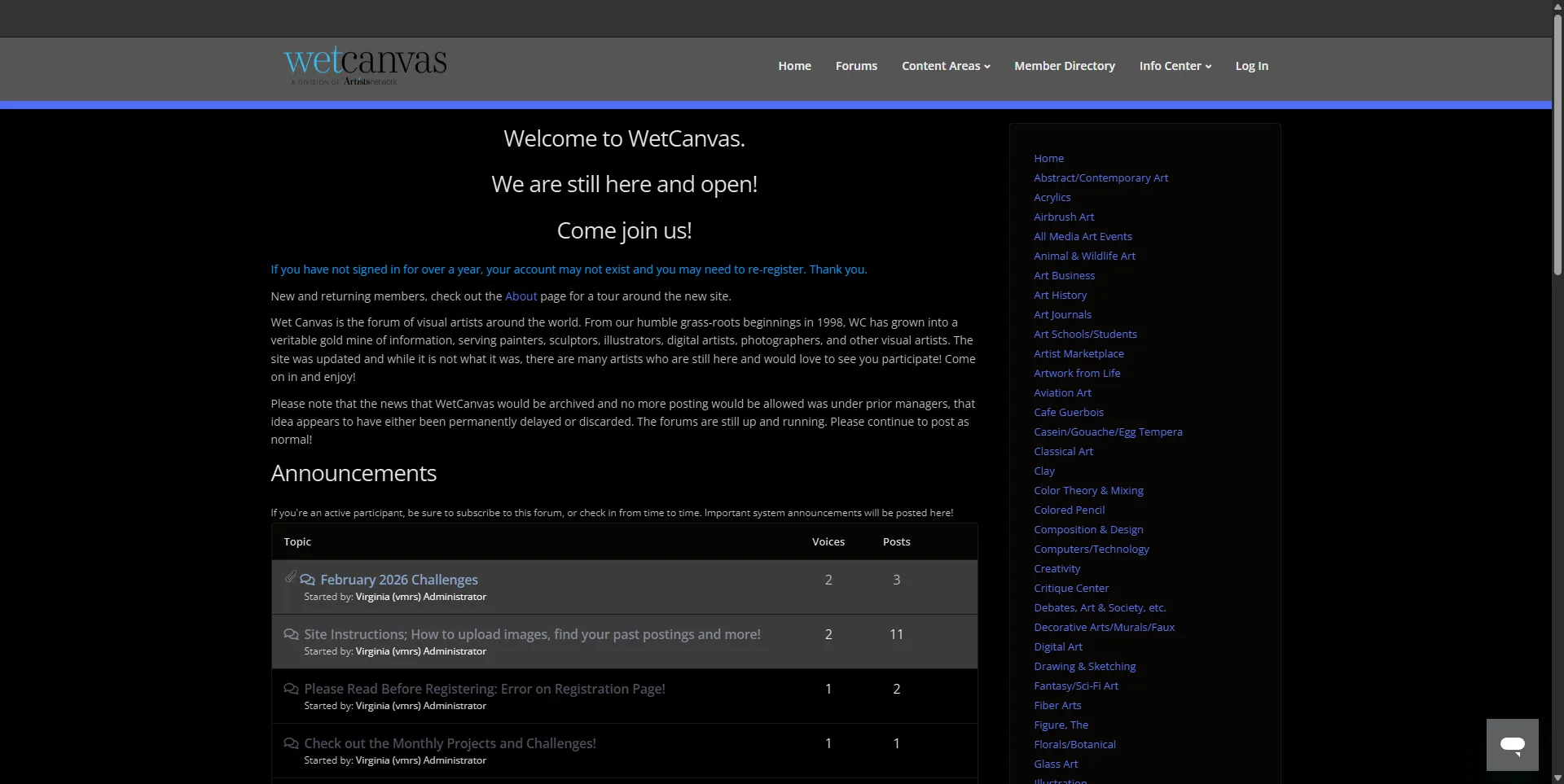
One of the internet's oldest and largest forums for traditional media artists, featuring decades of archived critiques, a massive reference image library, and active sub-forums for every major painting and drawing medium.
Discover other art communities you might be interested in
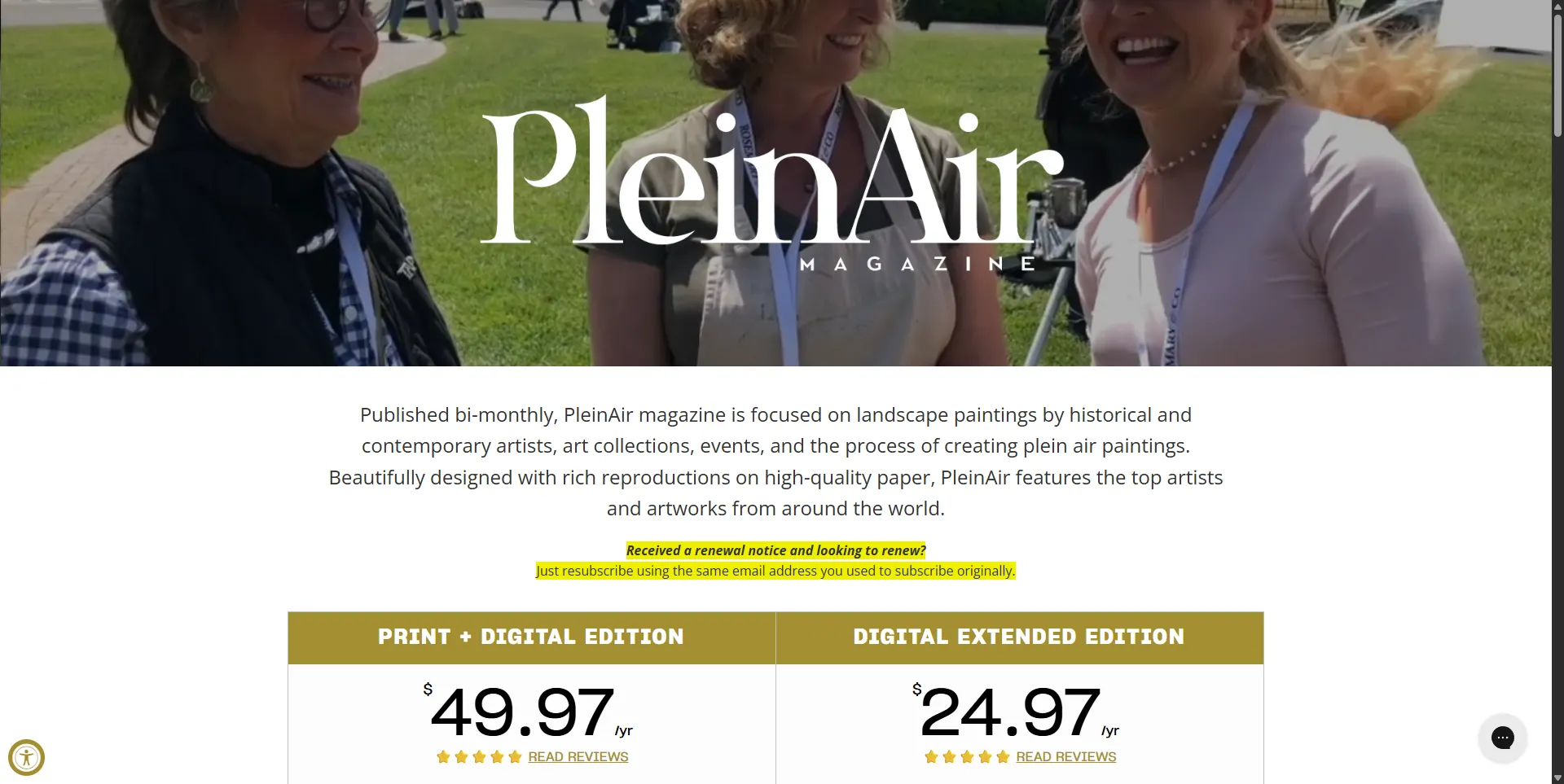
The only publication devoted to outdoor painting, with technique articles, artist profiles, the annual PACE convention, podcasts, and a national events guide.
View details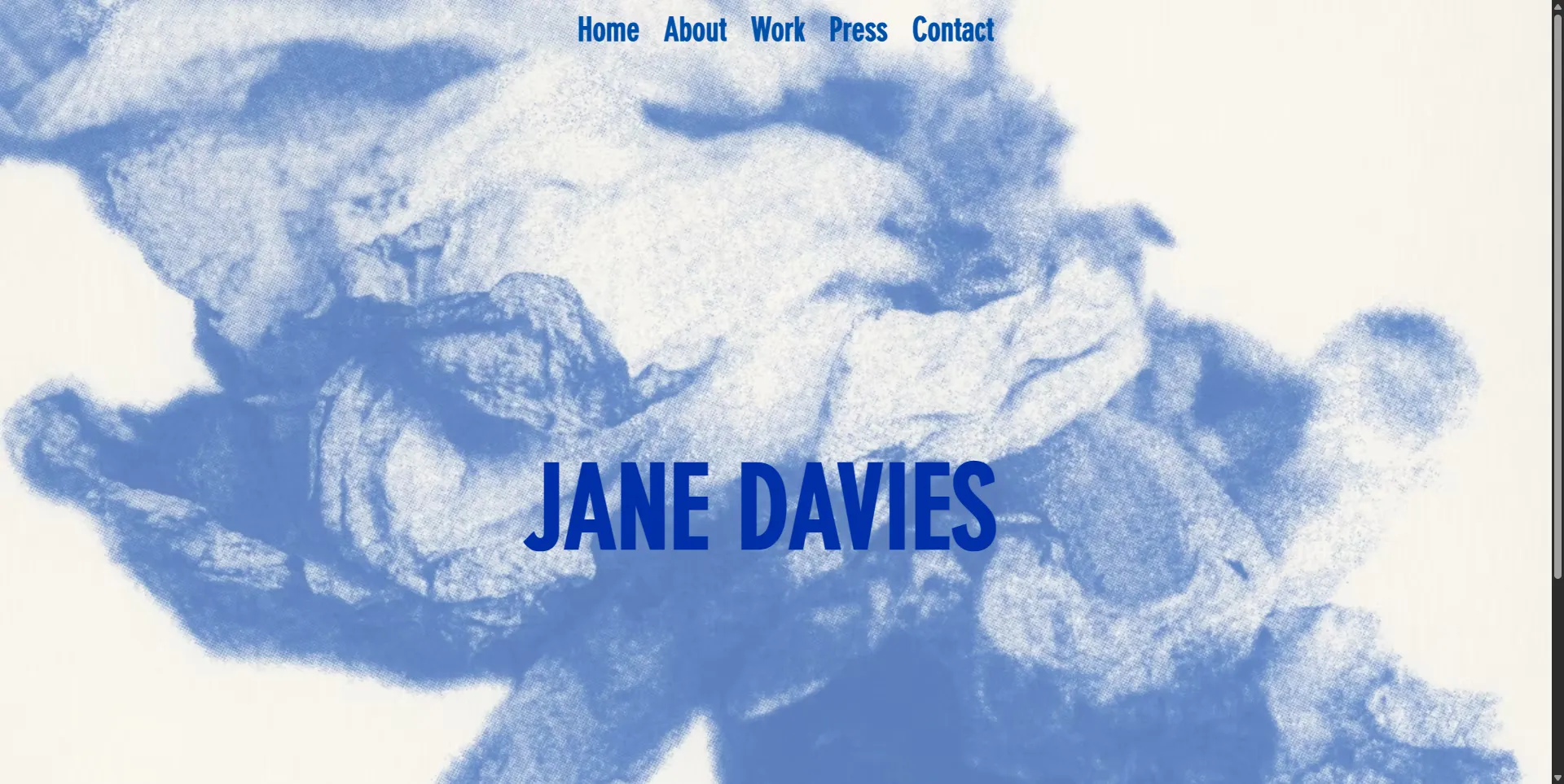
Vermont-based abstract painter Jane Davies offers a two-decade blog archive, year-long online classes, and in-person workshops on colour, mark-making, and visual language.
View detailsExplore definitions from our glossary that connect to this community
Fixative is a spray applied over charcoal, pastel, and pencil drawings to prevent smudging. From Loriot's 18th-century secret to modern acrylic sprays, learn its history.
Pastel is a stick of pure pigment held together with minimal binder. Learn how Degas layered pastels with fixative, how La Tour built portraits in the 18th century, and why pastel blurs drawing and painting.
Read more about this topic on our blog
Never held a brush? Adult art classes welcome beginners with no experience. Here's what to expect, how to find the right class, and why it's never too late to start making art.

52 sketchbook prompts, one for every week of the year. From "draw your morning coffee" to "copy a Renaissance master." No talent required, just a pencil and 15 minutes a week.

Drawing every day accelerates motor learning. 15 minutes a day beats 3 hours once a week. Research shows consistent practice builds skill faster than talent. Here is what happens and how to start.
WetCanvas has been running since 1998. That is older than Facebook, older than YouTube, older than Reddit. In internet years, it is ancient. And unlike most communities from the late 90s, it is still active. WetCanvas remains one of the largest online communities for traditional media artists, with forums covering every major painting and drawing medium and an archive of discussions spanning more than a quarter century.
The forum's longevity is not an accident. It persists because it does something that newer platforms do not: it provides a structured, medium-specific space where traditional media artists can get detailed technical feedback from people who have been painting for decades. Reddit's art communities are larger and faster, but their content disappears into a feed. Instagram is visual but conversation-hostile. WetCanvas is a forum, and forums keep their conversations organized, searchable, and accessible years after they were written.
WetCanvas is organized into medium-specific forums that let artists find discussions relevant to their practice without wading through unrelated content. The major forums cover:
Each forum maintains its own community of practitioners, from professional painters to serious amateurs to students at every level. The medium-specific organization means that when you post a question about oil painting glazing techniques, the people who see it are oil painters, not digital artists or watercolorists.
Insider tip: Before posting a question, search the forum archive. WetCanvas has been running for 27 years, and the chances that your question has been asked and answered before are high. Searching the archive will often give you better answers than posting a new thread, because older threads may include responses from members who are no longer active but had decades of experience.
The Reference Image Library is one of WetCanvas's most distinctive features. Built up over decades through member contributions, it provides a curated collection of reference photographs that members can use freely in their paintings and drawings. The library includes landscapes, still life objects, animals, figures, and other subjects that artists commonly need reference for.
The reference images come with clear terms of use that allow artists to use them as reference without the copyright concerns that arise when using photographs found elsewhere online. For artists who need reference for specific subjects and want to avoid copyright issues, the WetCanvas reference library is a genuinely valuable resource that predates the stock photo industry's current licensing complexity.
Insider tip: The reference library is organized by subject category. If you are looking for a specific type of reference (birds, landscapes, figures, architecture), browse the category rather than searching by keyword. The categorization system has been refined over decades and is more reliable than keyword search for finding what you need.
WetCanvas runs regular art challenges that provide structured practice opportunities. These challenges typically run for a defined period, with members sharing their work in a dedicated thread and receiving feedback from other participants.
The 30-in-30 challenges, where participants commit to completing 30 paintings or drawings in 30 days, are among the most popular on the site. Participants consistently report that completing a 30-in-30 challenge produces significant skill development and a greater sense of confidence in their ability to produce work regularly. The challenge format provides structure, accountability, and the shared experience of working alongside other artists toward the same goal.
The challenges also expose participants to a range of approaches to the same subject, which is itself educational. Seeing how 20 different artists interpret the same reference image or challenge prompt is a learning experience that no single tutorial can replicate.
The critique culture on WetCanvas is one of its most valuable aspects. The community has developed a culture of critique that is genuinely helpful rather than merely encouraging. Members provide specific, actionable feedback that addresses the actual issues in a work rather than offering vague praise.
This is where WetCanvas's age becomes an asset. The forum's long history means that many members have been painting for decades and have been part of the community for years. They have seen the same mistakes hundreds of times and know how to fix them. The critique you receive on WetCanvas is often more specific and more technically informed than what you will get on Reddit or Instagram, because the forum format attracts and retains serious practitioners who are willing to write detailed, multi-paragraph responses.
Insider tip: When posting a work for critique, include your materials, your reference (if applicable), and what specific aspects you want feedback on. Posts that say "any feedback welcome" tend to get generic responses. Posts that say "I am struggling with the values in the foreground, using oils on canvas board, here is my reference" get specific, targeted critique.
The archive of WetCanvas discussions is one of the most comprehensive free resources available for traditional media painters. Virtually every technique question, material question, and creative challenge that artists encounter has been discussed in the WetCanvas forums, and the search function makes it possible to find relevant discussions efficiently.
For artists working through specific technical challenges, the archive often contains detailed discussions of exactly the issue they are facing, with multiple perspectives from experienced practitioners. This accumulated knowledge represents one of the most important contributions the WetCanvas community has made to the broader art education landscape. It is the thing that no newer platform can replicate, because it takes decades to build.
Beyond technique and medium-specific discussions, WetCanvas maintains an art business section covering the practical aspects of building and sustaining an artistic career. Topics include pricing artwork, finding galleries and exhibition opportunities, building an online presence, working with collectors, and the specific challenges of different art career paths.
The business content reflects the community's understanding that artistic development and career development are both important aspects of a sustainable practice. The perspectives shared in these forums come from working artists who have navigated the business side of art, not from career coaches selling courses.
WetCanvas is not the only online community for traditional media artists, but its forum format and 27-year archive make it unique.
r/Watercolor has 920,000 members and is more active day-to-day, but Reddit's feed format means conversations disappear quickly. WetCanvas threads stay visible and searchable indefinitely. For watercolor specifically, the two communities complement each other: use r/Watercolor for rapid responses and current discussions, and WetCanvas for archived expertise and detailed critique.
r/learnart covers art fundamentals and education, with structured learning paths and critique threads. It is better for systematic learning but lacks WetCanvas's medium-specific depth and decades of archived discussions.
The Virtual Instructor offers structured courses with live instruction for traditional media. It is better for guided learning but is a paid platform without the community-driven knowledge archive that WetCanvas provides for free.
ArtStation is the dominant platform for digital art and professional portfolio display. It is not oriented toward traditional media artists and does not have the forum-based community structure that WetCanvas offers.
For traditional media artists who want detailed, medium-specific feedback from experienced practitioners and access to a 27-year archive of technical discussions, WetCanvas remains the best free resource available.
WetCanvas is for traditional media artists who want detailed technical feedback and access to decades of accumulated community knowledge. If you work in oils, watercolor, pastel, acrylic, or colored pencil and want critique from people who have been working in the same medium for years, this is where you will find them. The forum format is older and less visually polished than social media platforms, but it is better for the kind of long-form, detailed discussion that traditional media artists benefit from.
It is not for you if you want rapid, casual feedback on social media-style posts. The forum format is slower than Reddit or Instagram, and the community skews older. If you are a digital artist, ArtStation or r/DigitalArt are better fits. And if you want structured learning with an instructor, The Virtual Instructor is the better choice.
Visit WetCanvas to browse the forums, or search the archive for your specific medium and technique questions. For related resources, see our profiles on r/Watercolor, The Virtual Instructor, and Watercolor Painting Blog.
Quiet Canvas is a space for artists and art lovers: essays, glossary terms, tools, and curated directories to support your creative practice.
Learn more →


