
Game Design as Art: Environmental Storytelling and Visual World-Building
Game design is one of the most sophisticated visual arts of the 21st century. Discover how environmental storytelling and visual world-building make games fine art.
Your cart is empty
Browse the store
Crimson Daggers is the surviving heir to conceptart.org's legacy: an old-school art forum where sketchbooks, mentorships, and hard critique culture persist in the age of social media.
Last updated on November 15, 2026
Discover other art communities you might be interested in

The Character Design Challenge is the internet's largest monthly character contest: 25,000+ members submit designs each month on Facebook, judged by guest industry professionals since 2015.
View details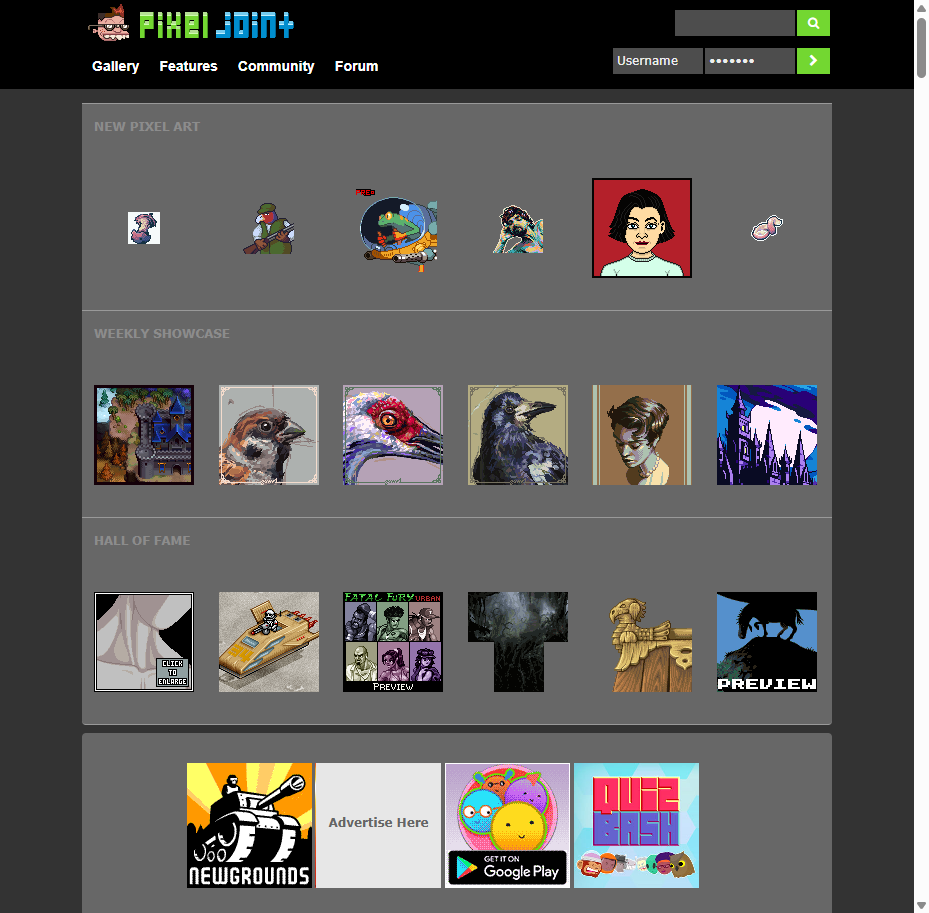
Pixel Joint is the internet's oldest and most respected pixel art community: a gallery with monthly rankings, a 20-year-old forum, and a culture of genuine technical critique.
View detailsExplore definitions from our glossary that connect to this community
Concept art is visual development art for games, film, and animation. Learn its history from Disney's Snow White to AI-assisted workflows in 2026.
Illustration board is paper mounted to a rigid backing, creating a warp-resistant surface for drawing and painting. Learn its history, types, and why illustrators and plein air painters use it.
Read more about this topic on our blog
Game design is one of the most sophisticated visual arts of the 21st century. Discover how environmental storytelling and visual world-building make games fine art.

Discover gouache, the opaque painting medium used by illustrators, designers, and fine artists from medieval manuscript painters to Mary Blair. Learn how it works, how it differs from watercolor, and how to get started.

Discover how art journaling and sketchbooks can unlock your creativity, even if you cannot draw. Learn practical techniques, materials, and approaches for building a rewarding creative practice.
Crimson Daggers is the last important traditional art forum still operating at a meaningful level, a community founded in 2011 that has effectively inherited the role of the defunct conceptart.org as the home of serious critique-driven art discussion. It is not large, not fast, and not optimized for the attention economy; that is exactly why it matters. In an internet where art communities moved to feeds, Discord servers, and algorithmic platforms, Crimson Daggers stayed a forum, and it is now the best surviving example of what an old-school artist community actually looks like.
The format is a classic phpBB-style board with sections for sketchbooks, critiques, art discussion, resources, challenges, and off-topic talk. The sketchbook section is the heart of the community: artists keep long-running threads where they post work over months and years, get detailed technical feedback, and track their development in public. The critique culture is direct and specific; members expect you to post your process and your mistakes, and they give real feedback rather than the "nice work!" of social media.
When conceptart.org finally died for good in late 2019 after years of decline and intermittent downtime, the community that had defined internet-era concept art critique lost its home. The refugees scattered to Reddit, Discord, and ArtStation, but a significant portion migrated to Crimson Daggers, which was already the most active of the old-style forums. The site now functions as the de facto successor archive of that era's culture: the same emphasis on fundamental skills, on posting rough work instead of finished pieces, on hard critique rather than validation, and on the mentor-mentee relationships that forums made possible before everything became a broadcast.
This inheritance matters because forum-era art critique was qualitatively different from what replaced it. Forums kept threads searchable and permanent, critique accumulated across years, and the "show your work" culture meant that the community's collective knowledge was preserved in a way that feeds simply cannot replicate. Crimson Daggers preserves that mode of interaction at a time when no other community does.
The sketchbook system is the primary draw. You start a thread, post work regularly, and over time the thread becomes a public record of your development that other members can follow and respond to. The community's culture rewards consistent posters and contributors; lurkers get less out of it than active members. Critique sections let you post a specific piece for feedback. Art discussion threads cover theory, career questions, and the technical debates that never go out of date. Occasional community challenges and mentorship arrangements fill out the rest.
The forum also hosts an archive of rescued threads from other dead communities, including a recovered archive of conceptart.org's Art Discussion section saved by members before the site went down. This archive function is unusual: the community has become the library for the older internet's art knowledge.
Against WetCanvas, Crimson Daggers is smaller and younger but serves the same forum function for concept art and illustration where WetCanvas covers traditional media. Against The Rookies, it is informal and unstructured by comparison; The Rookies gamifies development while Crimson Daggers relies on direct community engagement. Against Reddit's critique communities, it is slower, deeper, and more permanent.
The forum's survival is worth a direct note because it is not free to run. The site's administrator covers hosting costs personally, roughly 400 euros a year, funded in part by a PayPal donation link that members use to keep the lights on. There is no monetization layer, no ads, no premium tier; it exists because the members who use it want it to exist. That is a fragile model but it has outlasted every commercially backed art forum of its generation, which is a quiet lesson in what makes a community durable. When you post on Crimson Daggers you are participating in a system that is maintained by goodwill rather than a business model, and the culture reflects that: feedback is a gift, not a service, and the expectation is that you will give as much critique as you take.
Artists who want the kind of sustained, critical feedback that social media cannot provide, and who miss (or never experienced) the forum era of internet art communities. It is specifically good for people who want to maintain a public sketchbook over years and who prefer asynchronous deep feedback to real-time chat. It is not for anyone looking for a large audience, a job board, or a contest pipeline; for those, ArtStation, The Rookies, or DeviantArt serve better. But for the specific experience of serious, peer-level, long-form critique, Crimson Daggers is the last of its kind, and it is worth joining before it is gone, if only to remember what this kind of community used to feel like.
Quiet Canvas is a space for artists and art lovers: essays, glossary terms, tools, and curated directories to support your creative practice.
Learn more →Hand-picked matches from our other directories
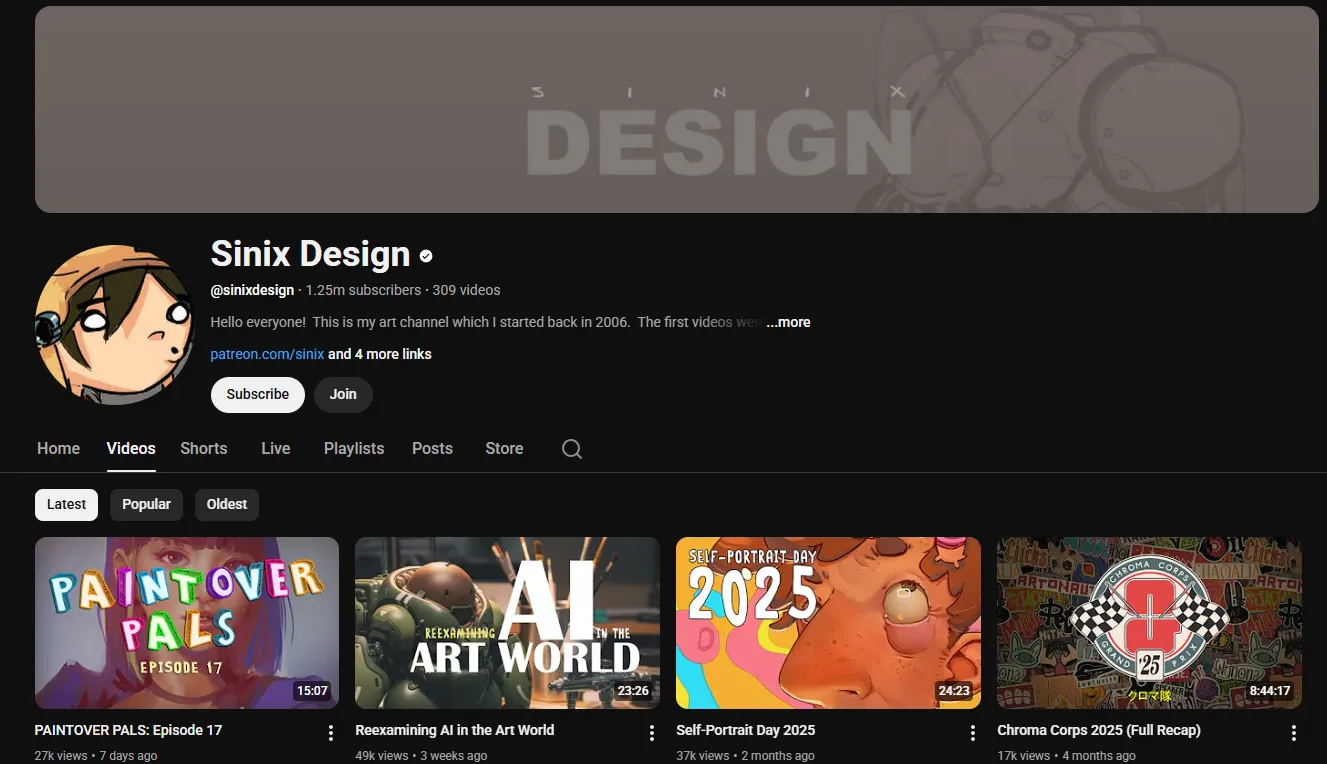
Robert Stacy's Sinix Design teaches visual appeal and design thinking to 1.27M intermediate artists. Known for Paintover Pals critiques and shape language theory that fills the gap Proko leaves open.
View details
Concept art is visual development art for games, film, and animation. Learn its history from Disney's Snow White to AI-assisted workflows in 2026.
View details
One of the oldest and most respected art colleges in the United States, MICA offers BFA and MFA programs across fine arts, design, and interdisciplinary practice from its campus in Baltimore, Maryland.
View details
Adobe's dedicated drawing and painting app for iPad and Windows combines live watercolour and oil brushes with pixel and vector tools, designed specifically for artists who want a natural media feel in digital painting.
View details


