
Gouache is the medium that professional illustrators have trusted for decades, the medium of vintage travel posters, mid-century animation concept art, and Mughal miniature painters working five hundred years ago. It is water-based and dries quickly like watercolor, but it is opaque rather than transparent, which changes everything about how you can use it. With gouache, you can paint light over dark. You can correct a mistake by simply painting over it. You can build up flat, vivid areas of color that read with crisp, graphic clarity. And yet most art students never encounter it, because it sits in an awkward middle position between watercolor and acrylic that courses often skip past.
That is a real gap in most art educations, because gouache rewards the skills you develop in both watercolor and acrylic work while offering something neither quite provides: a water-based medium with the body, coverage, and matte finish that makes it ideal for illustration, design, and a certain kind of painterly flatness that oil and acrylic rarely achieve naturally.
In this guide, you will learn exactly what gouache is, how it differs from the media it most resembles, its history across cultures and centuries, the core techniques that define how it is used, and how to build a gouache practice from scratch.
What Is Gouache and How Does It Differ From Watercolor
Gouache shares watercolor's basic formula: pigment suspended in gum arabic, water-soluble and applied with water. The critical difference is that gouache contains a higher concentration of pigment and includes white chalk or other opaque white pigment in its formulation. This makes it opaque where watercolor is transparent.
In practical terms, watercolor works by allowing the white of the paper to show through transparent layers of color, creating luminosity. The paper IS the light in a watercolor painting. This means corrections are very difficult; once you paint dark over light, the underlying light is largely lost. The paper acts as your lightest value, and everything you add is darker. For a deeper look at how watercolor exploits transparency, our guide to watercolor fundamentals covers the key differences in approach.
Gouache reverses this logic. Because it covers whatever is beneath it, you can paint light colors over dark colors, correct mistakes by overpainting, and work back and forth between light and dark areas without worrying about losing transparency. The finished surface is flat and matte, with a velvety quality that photographs exceptionally well.
The comparison with acrylic is also instructive. Both are water-based and opaque, but acrylic dries to a plastic, slightly glossy film that is water-resistant once dry. Gouache dries matte and remains slightly water-soluble even after drying, which means you can reactivate it with water to make corrections or adjustments. This is an advantage in certain situations and a liability in others; humidity can cause dried gouache to lift if subsequent layers are worked too wet.
A Long History: From Medieval Manuscripts to Animation Studios
The basic technique of painting with opaque water-based pigments goes back to medieval European manuscript illumination. Monks and lay artists used a mixture of pigment, egg white, and chalk to create the vivid, flat illustrations and decorated initials of books of hours and religious texts. The term "gouache" comes from the Italian "guazzo," meaning a water-based paint, which entered the French language in the 17th century as the medium became more systematically defined.
In the Mughal Empire of 16th and 17th-century India, opaque water-based paints were central to the extraordinary tradition of miniature painting. Artists working for emperors like Akbar, Jahangir, and Shah Jahan produced small, densely detailed images on prepared paper using a closely related medium. The Mughal miniatures are extraordinary demonstrations of what fine brushwork in an opaque water-based medium can achieve: figures, architectural detail, foliage, and jewel-like decorative patterns rendered with a fineness and control that remains astonishing.
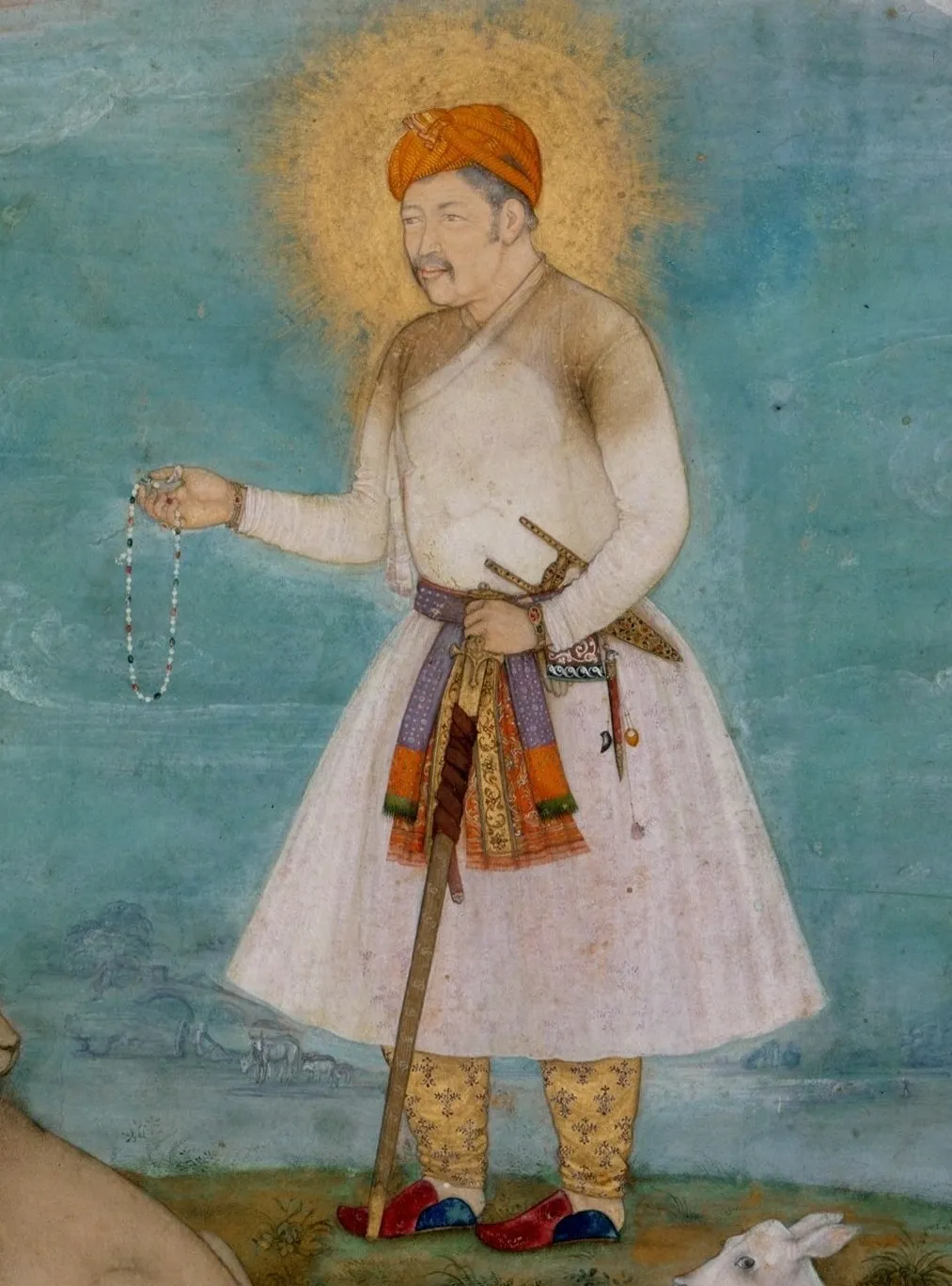
Mughal school, folio from the Akbarnama (c. 1590), opaque watercolor (gouache) and gold on paper. Victoria and Albert Museum, London. Mughal miniature painters were among history's most sophisticated users of opaque water-based media, achieving extraordinary detail at small scale. Image: Public domain, via Wikimedia Commons
In 20th-century commercial art, gouache became the standard medium for illustration and graphic design. The flat, matte areas of color it produces reproduce reliably in print, and its workability meant that commercial illustrators could build up complex images quickly and make client revisions without starting over. Mary Blair, who designed concept art for classic Disney animated films including "Cinderella" (1950) and "Alice in Wonderland" (1951), worked primarily in gouache. Her bold, flat color shapes, strong silhouettes, and unexpected color combinations became defining visual influences that are still recognizable throughout Disney's visual identity.
Core Gouache Techniques
Gouache's properties create some specific working habits that differ from both watercolor and acrylic. Understanding these habits from the start prevents the frustration of applying techniques from the wrong medium.
Consistency Is Everything
The most important variable in gouache is paint consistency. Very thin gouache behaves more like watercolor, with some transparency. Very thick gouache can crack when it dries if applied too heavily. The ideal consistency for most applications is cream or thick yogurt: fluid enough to flow from the brush without dragging, but not so thin that it becomes transparent. Slight variations in this consistency determine whether the paint lies flat and opaque or whether it shows brush texture and tonal variation.
Working Wet-on-Dry for Flat Color
For the clean, graphic flat areas that define gouache's distinctive look, let each layer dry completely before adding the next. Apply the paint with a soft brush in single, even strokes, working in one direction to avoid streaking. The result, when done well, is a perfectly even area of matte color with no visible brushwork. This is harder to achieve than it sounds; it requires consistent paint consistency and a light, even touch.
Wet-on-Wet for Soft Blends
For softer transitions, work the second color into the wet first color quickly and with a light touch. Gouache blends on the surface, but because it dries faster than oil and the pigment load is high, the window for wet-on-wet blending is short. This forces decisive, quick mark-making, which produces energy in the painting even when you are creating soft gradients.
Reworking and Corrections
Because gouache remains slightly water-soluble when dry, you can reactivate a dried area with a damp brush and rework it, or simply paint over it with fresh paint. This is one of gouache's great practical advantages. However, overworking a wet area will lift underlying layers and create muddy mixing. The professional approach is to let layers dry fully, then overpaint with clean, consistent paint in a single confident pass.
Mixing Gouache Colors
Gouache dries slightly darker than it appears when wet, which requires adjustment when mixing tones that need to match or relate. Mixed colors can also shift slightly in temperature as they dry. Experienced gouache painters learn to mix slightly lighter and warmer than the target value, accounting for these shifts. Testing a mixed color on a scrap of paper and letting it dry before committing to the main work saves significant frustration.
Gouache in Contemporary Practice
While gouache's commercial illustration use has declined as digital tools have taken over much of that market, its presence in fine art and gallery practice has grown significantly since the early 2000s. The medium's matte surface, tactile quality, and speed of working attract painters who want the physicality of paint without oils' slow drying time or the plastic quality of acrylic.
Artists like Neo Rauch, who works primarily in oil, have cited gouache's directness as an influence, and many contemporary figurative painters use gouache for studies and smaller works. The South African painter Marlene Dumas frequently uses ink and gouache in her portraits and figure studies, exploiting the medium's capacity for both precise control and fluid accident.
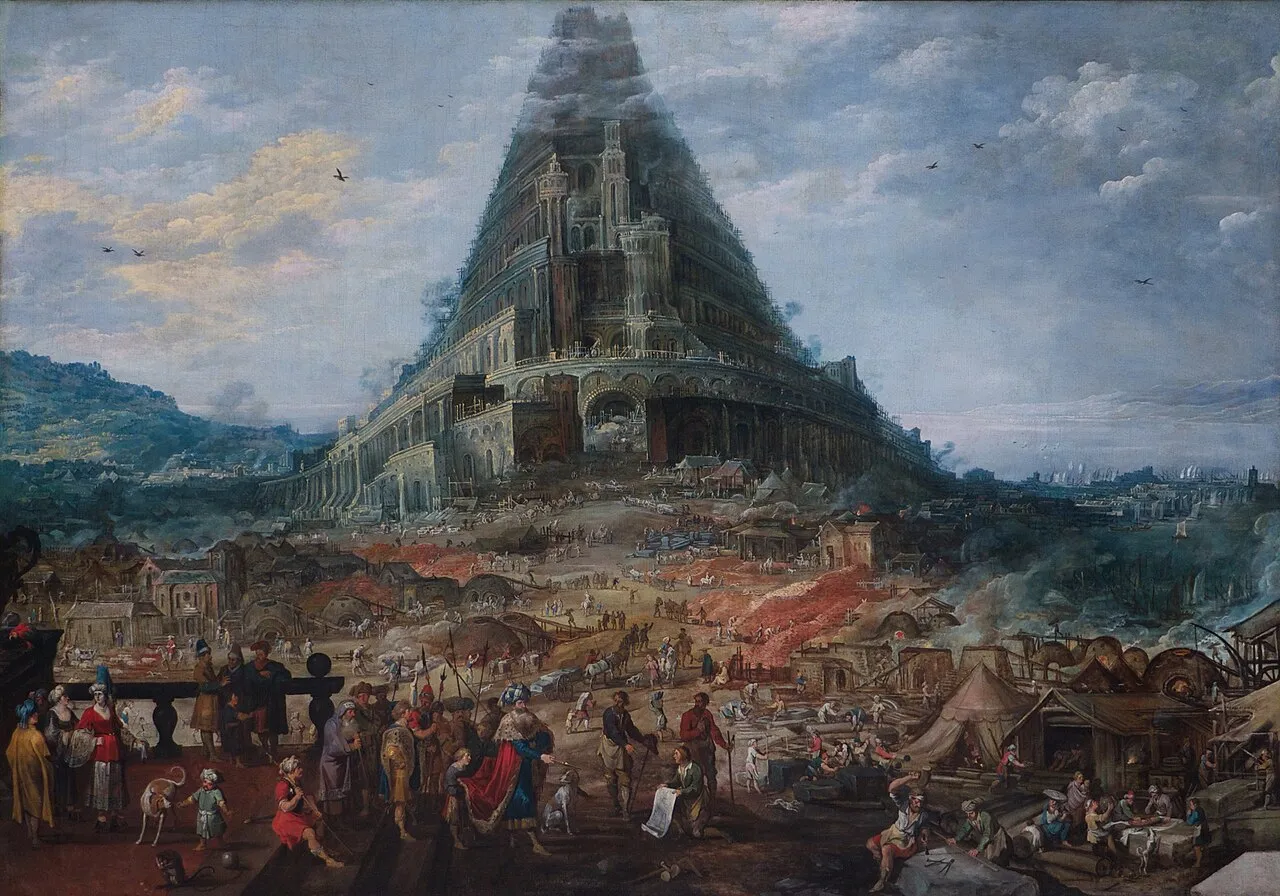
Josse de Momper the Younger, "Mountain Landscape with Figures and a Castle" (c. 1610), gouache on paper. A Flemish example of how gouache was used for independent artworks rather than just manuscripts or preparation, demonstrating the medium's established European tradition. Image: Public domain, via Wikimedia Commons
Getting Started: What You Need
A basic gouache setup is simple. For paint, Winsor and Newton Designer's Gouache is the professional standard for illustration; Holbein Artist Gouache has excellent pigment quality for fine art use. Student brands like Reeves are functional for learning. Start with a limited palette of eight to ten colors plus titanium white, which you will use constantly to lighten mixtures.
For brushes, the same synthetic rounds and flats used for acrylic work well for gouache. Wash brushes thoroughly after each session, as gouache can dry in the ferrule and damage the bristles if left.
Paper should be heavier than standard drawing paper; 140lb watercolor paper or illustration board are both appropriate. Gouache can buckle lightweight paper when applied wet, and the surface texture affects the final appearance of the paint.
The best first exercises in gouache are simple color studies: flat areas of a single color, gradients mixing two colors, and overpainted corrections to build confidence with the medium's reworkability. Understanding color temperature and mixing will accelerate your progress significantly.
Final Thoughts
Gouache occupies a unique position in the painter's toolkit: opaque enough for total coverage and precise control, water-based enough for easy cleanup and reworkability, and matte enough for a graphic clarity that no other medium matches. Its history spans medieval manuscripts, Mughal miniatures, commercial illustration, and contemporary gallery practice, which means there are countless models to study and approaches to explore.
If you have worked in watercolor and felt frustrated by its unforgiving transparency, or if you want the speed and opacity of acrylic without the plastic surface, gouache is the most logical next medium to try. From here, you might also explore acrylic painting for comparison, or visit our broader discussion of visual elements in art to develop the compositional skills that will make your gouache work more effective.


