
Game Design as Art: Environmental Storytelling and Visual World-Building
Game design is one of the most sophisticated visual arts of the 21st century. Discover how environmental storytelling and visual world-building make games fine art.
Your cart is empty
Browse the store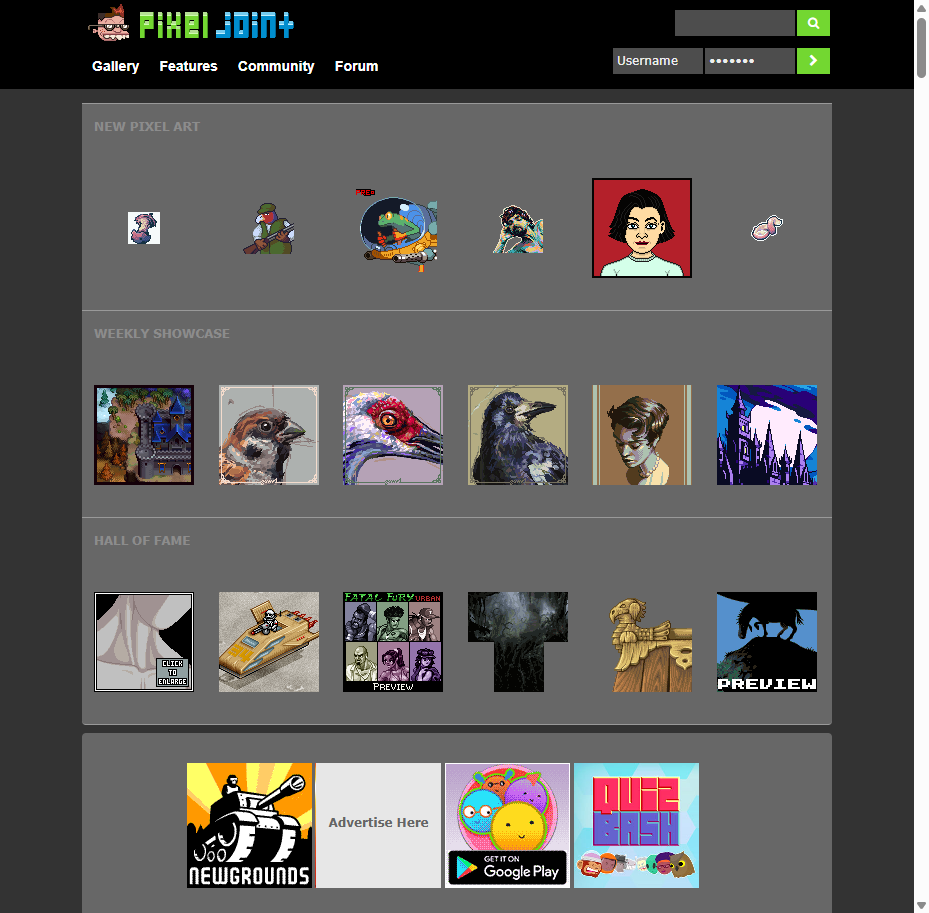
Pixel Joint is the internet's oldest and most respected pixel art community: a gallery with monthly rankings, a 20-year-old forum, and a culture of genuine technical critique.
Last updated on November 15, 2026
Discover other art communities you might be interested in

Crimson Daggers is the surviving heir to conceptart.org's legacy: an old-school art forum where sketchbooks, mentorships, and hard critique culture persist in the age of social media.
View details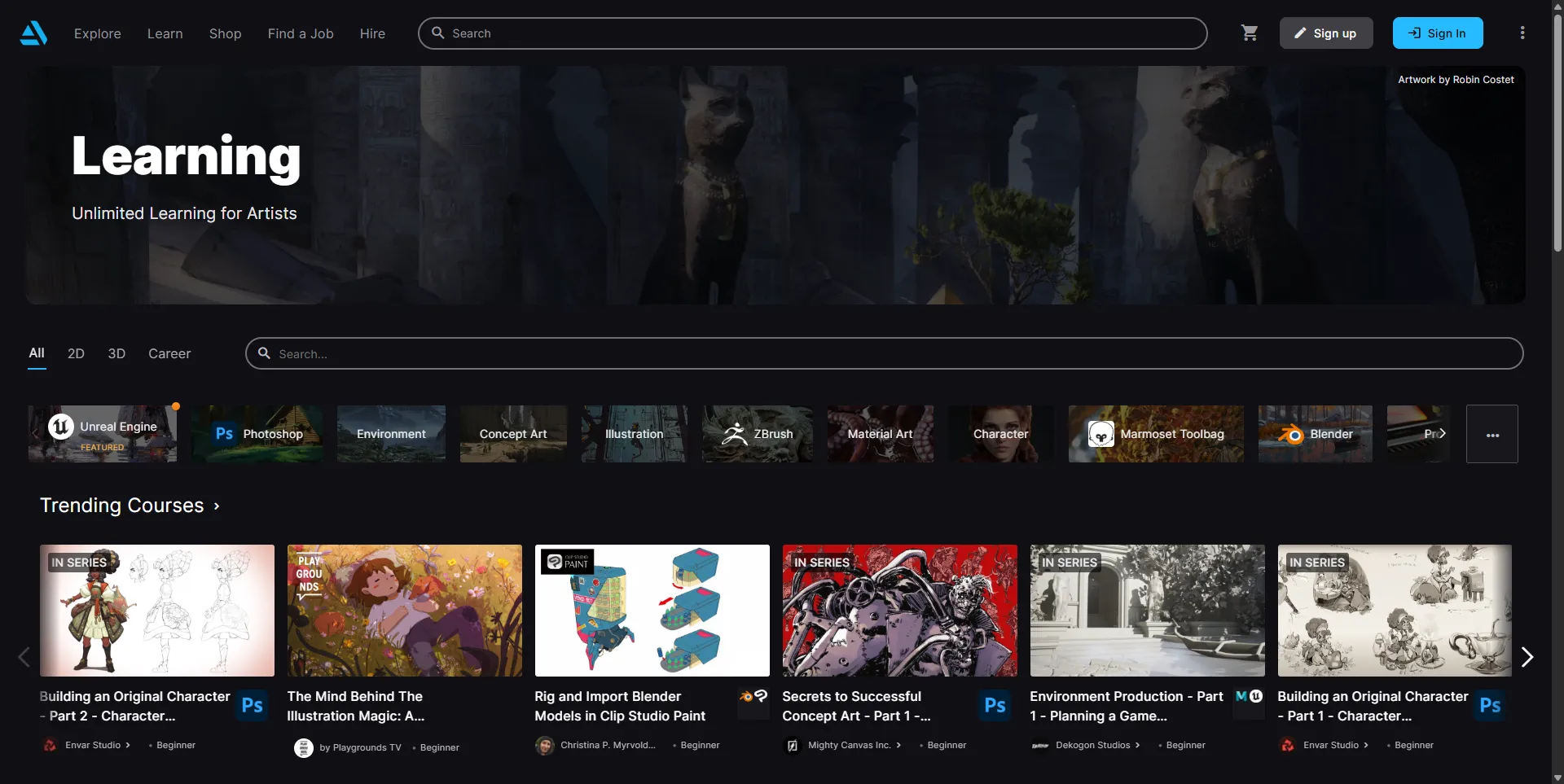
ArtStation Learning offers professional-grade courses from working entertainment artists, covering 3D, concept art, and VFX skills the industry actually hires for.
View detailsExplore definitions from our glossary that connect to this community
Concept art is visual development art for games, film, and animation. Learn its history from Disney's Snow White to AI-assisted workflows in 2026.
Pixel art uses individual pixels as the building blocks of images. Learn its history from early video games to 2026 gallery exhibitions and key artists.
Read more about this topic on our blog
Game design is one of the most sophisticated visual arts of the 21st century. Discover how environmental storytelling and visual world-building make games fine art.

Art Basel, Frieze, TEFAF, the Armory Show: art fairs are where the global art world gathers to buy, sell, and discover. This guide explains how they work, what you'll see, who attends, and how to get the most out of your first visit.
Pixel Joint is the oldest and most respected dedicated pixel art community online, a gallery-and-forum hybrid that has been running since 2004 and still sets the standard for what serious pixel art discussion looks like. It is not the biggest community in raw terms, but its 268,000+ registered members include most of the artists who defined the form over the past two decades, and its monthly ranking system and strict curation make it the best place on the internet to see pixel art as an actual craft rather than an aesthetic.
The site is split into two linked halves. The gallery accepts submissions and curates them into a ranked, searchable archive of the best pixel art ever posted, with monthly Top Pixel Art lists and a Hall of Fame for the all-time greats. The forum, running in classic old-school style with separate sub-boards for work in progress, resources, challenges, and off-topic talk, is where the community's critique culture lives. Together they form a self-contained ecosystem that has outlived almost every other pixel art community of its era.
What separates Pixel Joint from a general art site is the technical seriousness of its feedback. Pixel art is an unusually constrained medium: resolution, palette size, banding, jaggies, cluster analysis, hue shifting, dithering patterns. The community's long-standing users can look at a piece and identify the exact technique errors, and the forum's long threads on individual works are still the best public education available in these specifics. Post a pixel piece to Reddit and you get upvotes. Post it here and you get told which columns of pixels need antialiasing and why your ramp breaks at the fourth value.
The weekly and monthly challenges keep that culture exercised. Recent themes like the Pixelween series in October 2026 and the recurring "Joint" collaborative projects give the community regular reasons to produce work under constraints, and the annual Secret Santa, now in its 22nd year as of November 2026, is the community's signature event, pairing members to make gifts for each other with a November sign-up deadline and a December reveal.
The curated gallery is the site's public face. Submissions go through moderation, the best work gets featured into monthly and all-time rankings, and the archive now stretches back more than two decades, making it the single best searchable record of the form's evolution. Browsing the Hall of Fame is the fastest way to understand what pixel art can actually do at its highest level, from game-ready sprite sheets to painterly isometric scenes that read as fine art.
Against DeviantArt, Pixel Joint is smaller but incomparably deeper on the technical specifics of its medium. Against Polycount, the other long-running technical art forum, it occupies the pixel niche where Polycount owns 3D. The closest current rival is the pixel art side of r/PixelArt on Reddit, which is larger but shallower; Pixel Joint's users are the ones who tend to migrate in the other direction.
Beyond critique, the forum hosts the parts of pixel art culture that do not fit in a gallery. The Job Offerings board is one of the oldest continuously running pixel art job boards on the internet, where indie game studios post sprite, tile, and animation work and the community's portfolios are the hiring pool. The Resources and Support section archives two decades of technique threads, palette files, software comparisons, and tutorials that are still the reference standard. And the small collaborative boards, including the recurring Hexquisite Corpse-style joint canvases where members each take a tile, produce some of the most technically impressive collaborative pixel work on the internet. The community is slower than Discord alternatives but more durable: a technique thread from 2008 is still findable and still correct in 2026.
Anyone making pixel art seriously, whether for games, for practice, or for the love of the form. It is the best place to learn the actual craft from people who have been doing it since before indie games made it trendy. The tone is welcoming to beginners as long as you are genuinely trying; the critique is direct but it is the kind that makes you better. If you are only looking for likes, a general platform will serve you better. If you want to actually learn the medium at its technical core, Pixel Joint is where the teachers live. It is also the only community where the 22-year archive of critique is still available to read, which makes it a historical resource as much as an active one. Even if you never post, browsing the Hall of Fame and the top monthly galleries is the fastest education in the form that exists.
Quiet Canvas is a space for artists and art lovers: essays, glossary terms, tools, and curated directories to support your creative practice.
Learn more →Hand-picked matches from our other directories
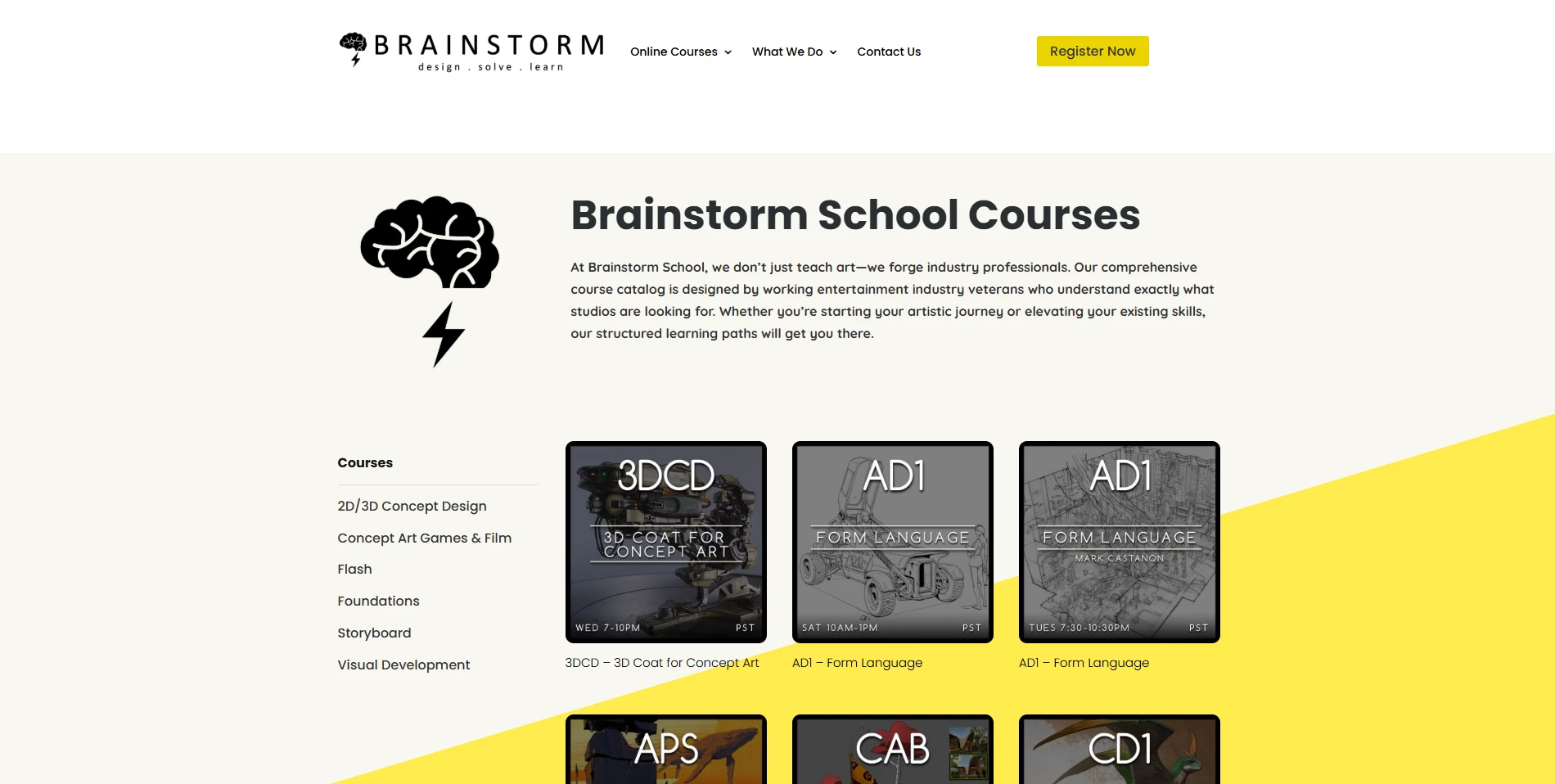
Brainstorm School teaches live online concept art courses from working studio artists. 10-week terms, $800-$1,200 per course. Honest review inside.
View details
Arts Queensland funds Queensland-based artists and organizations through the Queensland Arts Project Fund, offering up to $20,000 for individuals and $70,000 for organizations.
View details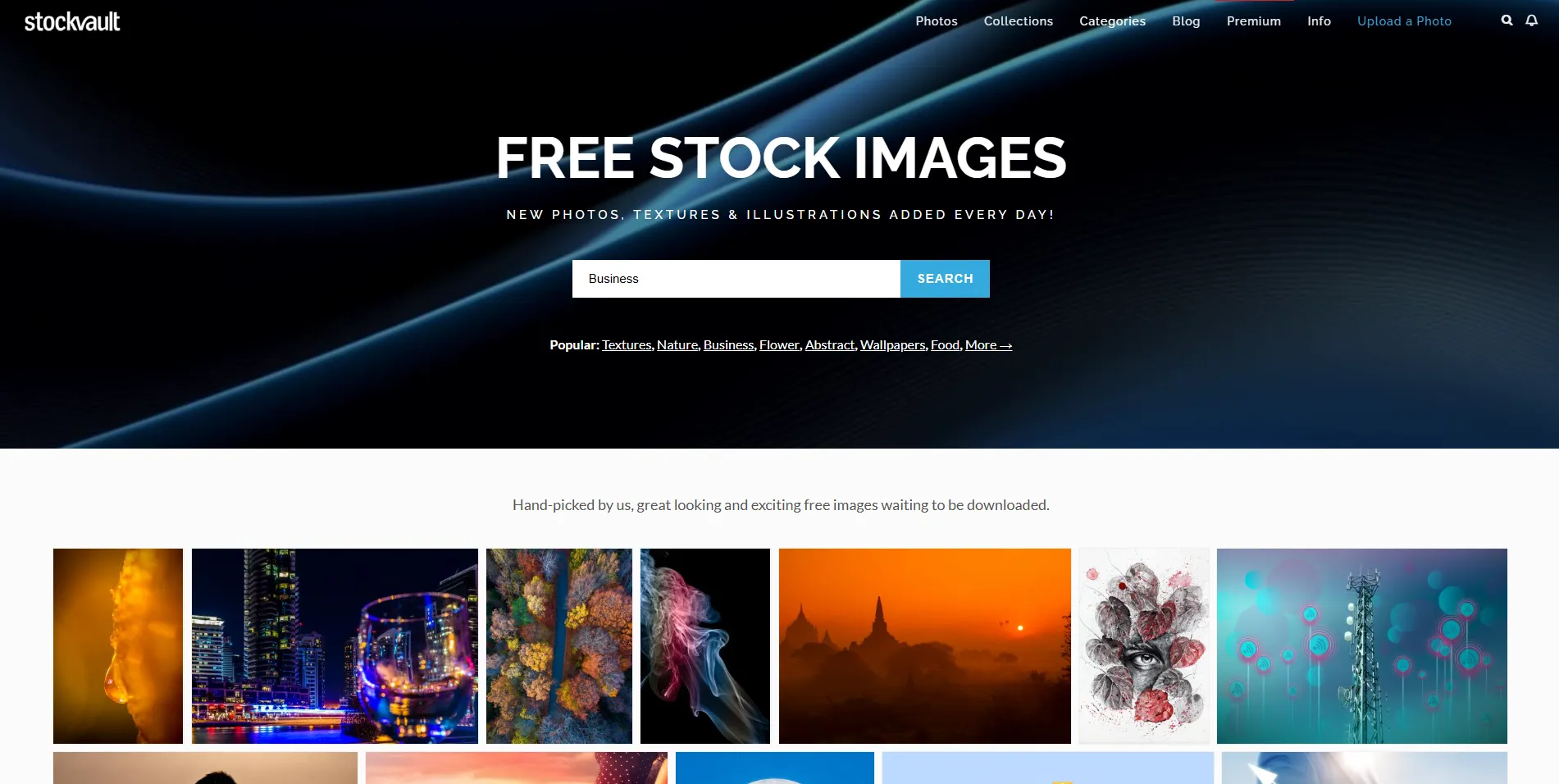
StockVault has offered free stock photos and textures since 2004. With 138,000+ images and its cult Free Texture Friday series, it is a niche resource for designers who need grunge, paper, and metal textures without registration.
View details
20 retail stores and a major online operation. Jerry's stocks 70+ brands including their own SoHo and Tusc and Pine lines. 2026 price increases and live workshops. Honest review.
View details


