
Game Design as Art: Environmental Storytelling and Visual World-Building
Game design is one of the most sophisticated visual arts of the 21st century. Discover how environmental storytelling and visual world-building make games fine art.
Your cart is empty
Browse the store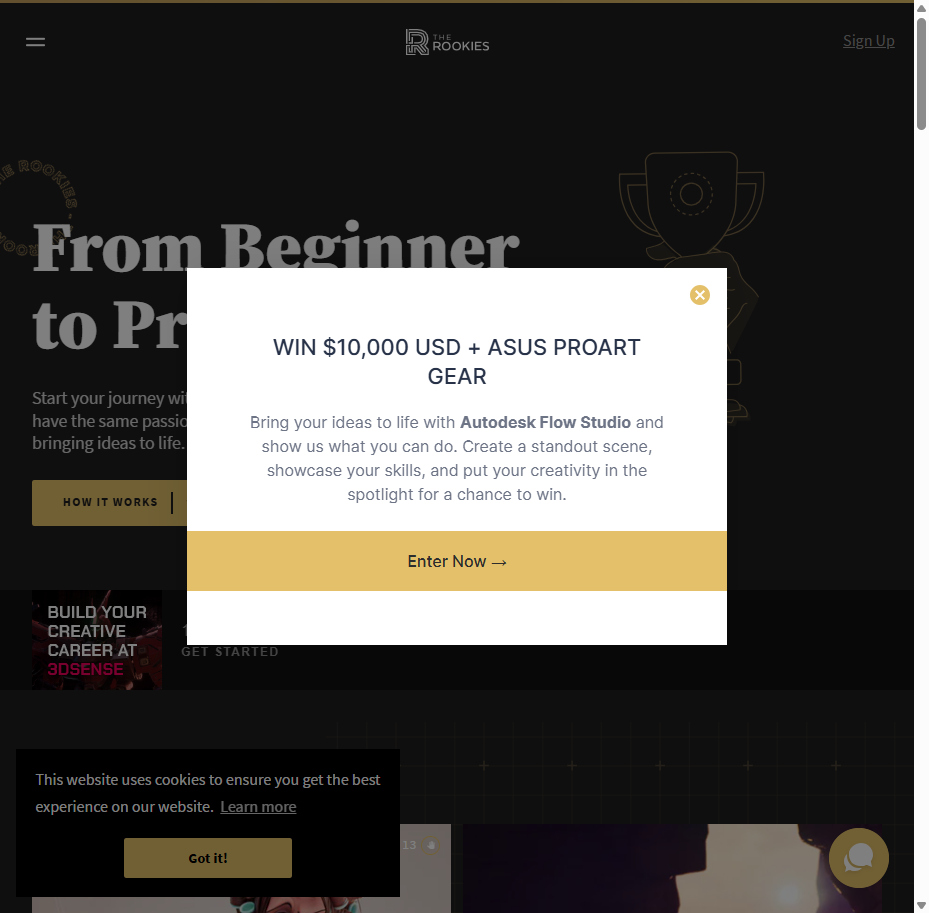
The Rookies is the largest community for emerging digital artists in games, film, and animation, home to the annual Rookie Awards and direct industry connections.
Last updated on November 15, 2026
Discover other art communities you might be interested in
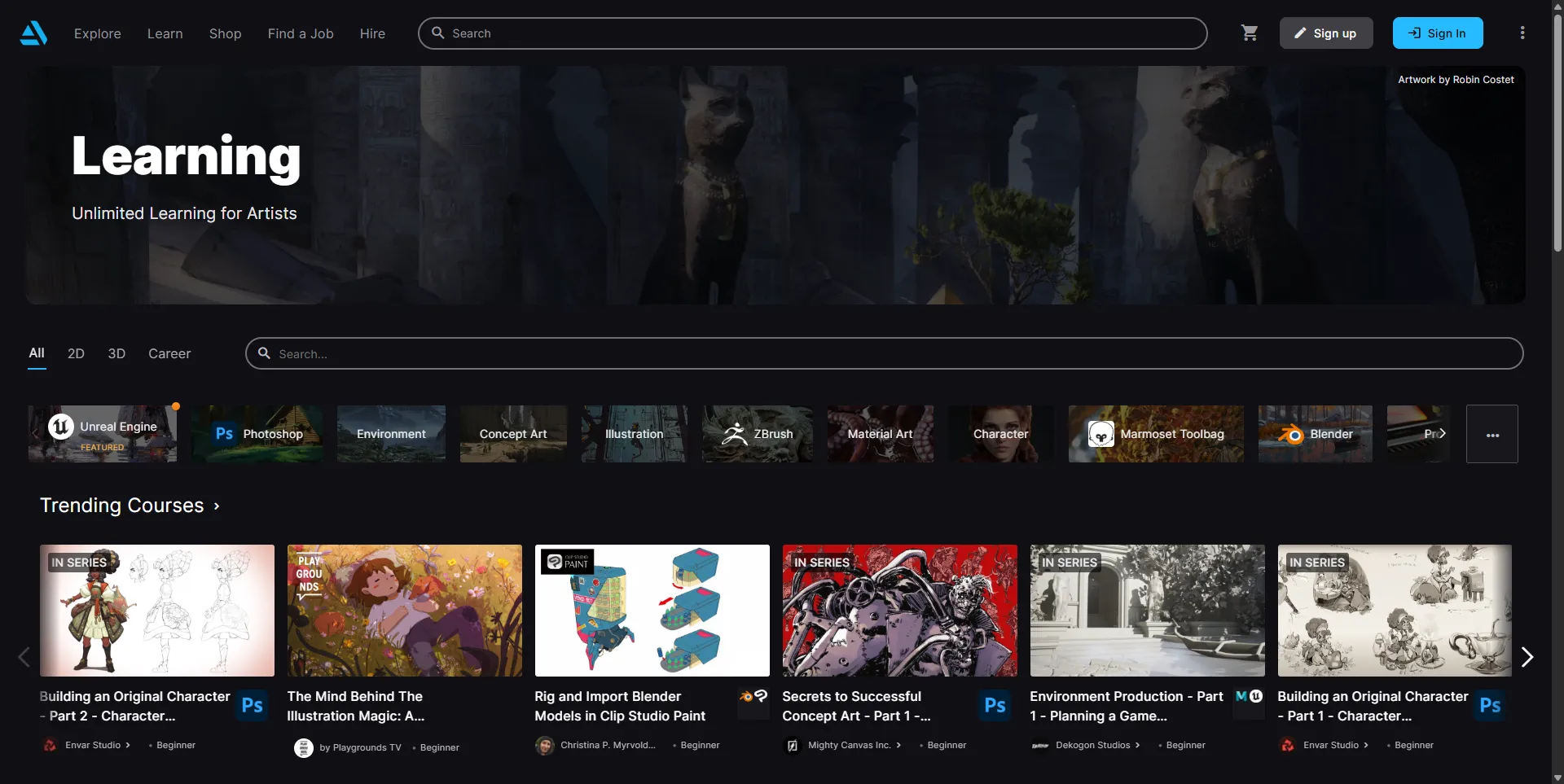
ArtStation Learning offers professional-grade courses from working entertainment artists, covering 3D, concept art, and VFX skills the industry actually hires for.
View details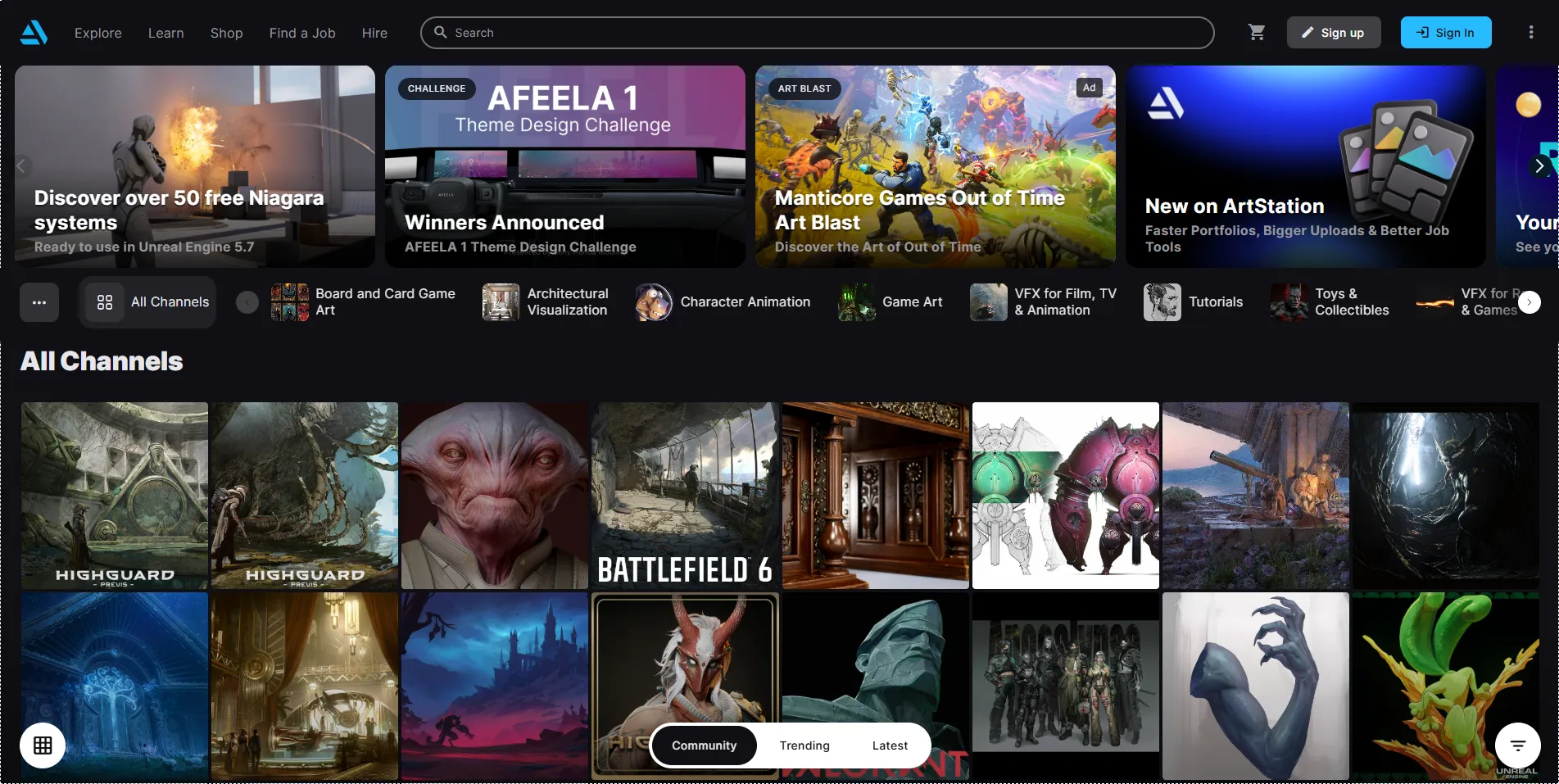
The industry-standard portfolio platform for 10M+ entertainment artists, with a job board, challenges, learning resources, and the State of the Art Report tracking hiring trends.
View detailsExplore definitions from our glossary that connect to this community
Concept art is visual development art for games, film, and animation. Learn its history from Disney's Snow White to AI-assisted workflows in 2026.
Motion graphics is graphic design set in motion. Learn its history from Saul Bass and John Whitney to After Effects, key artists, and how animation became design.
Read more about this topic on our blog
Game design is one of the most sophisticated visual arts of the 21st century. Discover how environmental storytelling and visual world-building make games fine art.

How video games became a serious visual art form: from the painterly worlds of Journey and Shadow of the Colossus to Elden Ring's gothic mythology. A guide to game art direction, concept art, and what makes interactive visuals different.

Trace digital art from 1960s plotter drawings to AI image generation. This complete history covers every landmark moment in creative computing and digital making.
The Rookies is the largest dedicated community for early-career digital artists working toward jobs in games, film, animation, and visual effects. It sits in the gap between casual art-sharing sites and professional networks: not a portfolio dump, not LinkedIn, but a structured pipeline that takes someone from first uploads to industry attention through contests, certifications, live sessions, and direct employer exposure. As of November 2026, the platform reports over 138,000 members, 5,000 career opportunities, and 12,000 tracked success stories.
The model is built around five steps: learn, build a portfolio, interact with professionals, enter challenges, get hired. Each step is gamified with badges and certificates that signal progress to recruiters browsing the site. The community is international and the platform is based in Australia, but the audience it serves is the global entertainment-art hiring market.
The Rookie Awards is the site's centerpiece and the reason most members join. The 16th annual edition ran through June 22, 2026, with 12 industry-aligned categories including 2D and 3D animation, VFX, game development, digital fashion, and concept art. Entrants get direct visibility with judging studios and recruiters, plus optional Career Opportunities tracks that bundle mentorships, internships, or job offers from partner companies into the prize structure.
The contest's particular value is that it is calibrated for beginners. You are not competing against industry veterans; the field is filtered to students, self-taught artists, and hobbyists at their first professional stage. That distinction matters for confidence as much as for fairness, and it is what makes the Awards genuinely useful as a portfolio milestone rather than a prestige lottery.
Member profiles combine a traditional portfolio with a gamified progression system. You upload work, collect badges for milestones (first upload, first contest entry, first feedback given), and build a public record of development that studios can browse. The platform layers on free courses, monthly live sessions with the Rookies team, a job board pulling in partner listings, and mentorship connections with industry professionals who volunteer to answer questions.
The Live Sessions are monthly and run by the platform's own staff, covering onboarding, contest strategy, and career topics; the September 2026 session was a general getting-started walkthrough. The Resources section aggregates thousands of free tutorials written by members slightly ahead of you on the path, which produces a peer-taught feel that is different from polished course-platform content.
ArtStation is the industry-standard portfolio host and the place professionals maintain their public work. The Rookies is the on-ramp to ArtStation: smaller, friendlier, designed to develop you toward the point where an ArtStation portfolio makes sense. If you are a working professional, ArtStation is where recruiters actually look first. If you are a student or self-taught artist without industry connections, The Rookies gives you the structured path ArtStation assumes you already have. Behance is broader and design-adjacent; The Rookies is deliberately narrow on entertainment art, which keeps the feedback and contests relevant to the people hiring for those jobs.
The base membership is free and covers portfolio hosting, community access, contest entry, and the live sessions. The platform makes its money through school partnerships and employer-facing recruitment tools, not through charging students, which keeps the incentives aligned toward getting members hired rather than upselling them. The certified school directory inside the platform lists partner institutions whose graduates get fast-tracked exposure, which is useful context: if you are choosing a school anyway, The Rookies' rankings and reviews are one of the few places where programs are compared on actual graduate outcomes rather than marketing spend. Even if you never enter a contest, the portfolio reviews and the recorded live session archive are worth the free account on their own.
For a student or self-taught artist aiming at games, animation, or VFX, The Rookies is the single best structured community to join. It is free at the base tier, it gives you a real milestone (the annual Awards), and it connects you to hiring in a way that uploading to a generic portfolio site never will. For established professionals it is less useful; your portfolio belongs on ArtStation and your network on LinkedIn. For everyone else, and especially for the large population of talented artists who are technically ready for work but invisible to studios, this is where you start being seen. The June 2026 Awards closed entries, but the platform runs challenges year-round and the 2027 Awards cycle is already the next milestone worth building toward. The community also runs smaller briefs and challenges between award seasons, so there is always something to post. The badges and certificate system also gives you a concrete record of participation that recruiters can check at a glance.
Hand-picked matches from our other directories

Concept art is visual development art for games, film, and animation. Learn its history from Disney's Snow White to AI-assisted workflows in 2026.
View details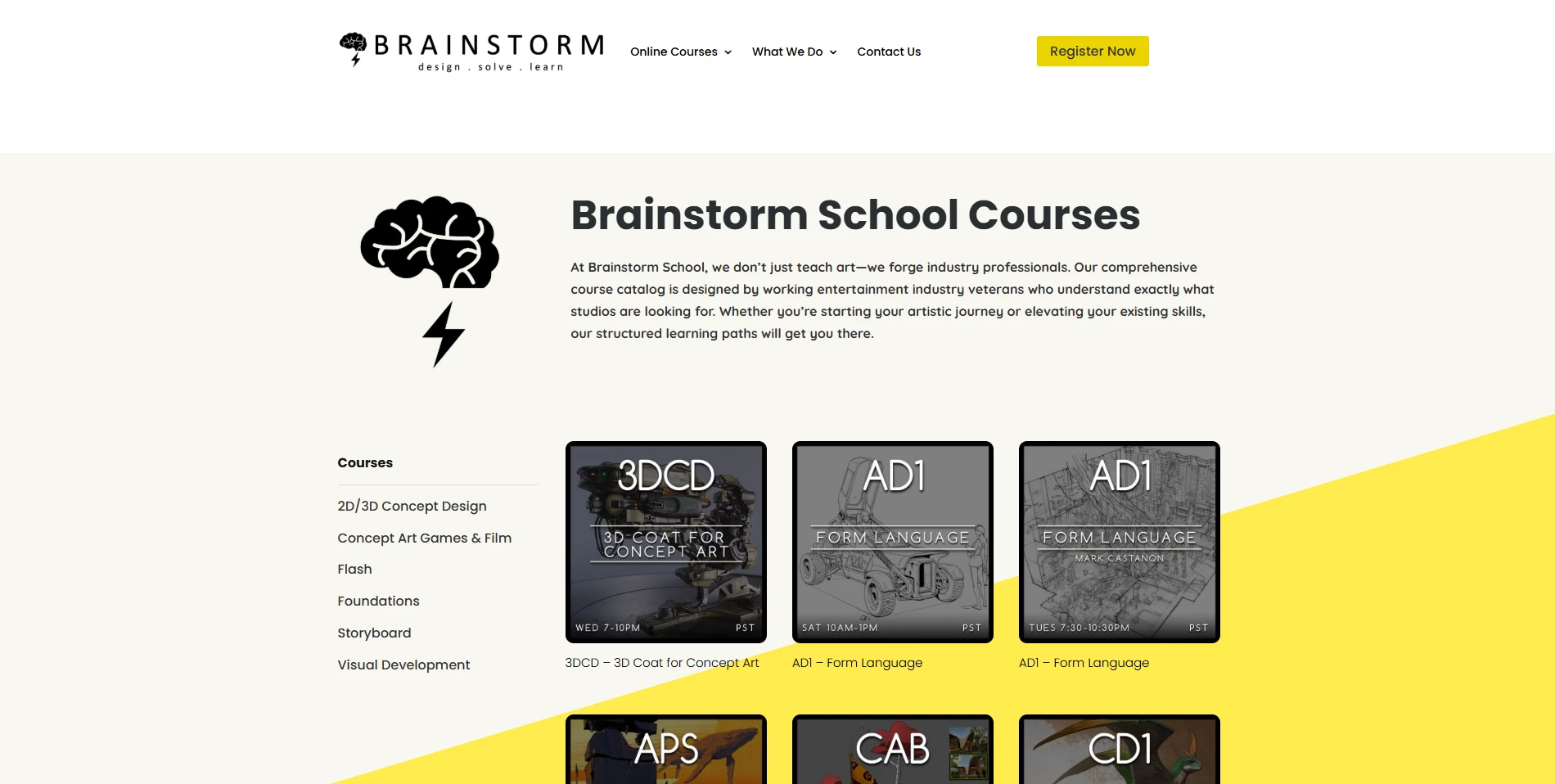
Brainstorm School teaches live online concept art courses from working studio artists. 10-week terms, $800-$1,200 per course. Honest review inside.
View detailsQuiet Canvas is a space for artists and art lovers: essays, glossary terms, tools, and curated directories to support your creative practice.
Learn more →