
ArtCurious asks: "Could the Mona Lisa be a forgery? Was Van Gogh's death truly self-inflicted? And what made the Impressionists so exceptional?" The Lonely Palette "returns art history to the masses, one artwork at a time," opening each episode with museum visitors talking about what they see, then exploring the artwork in depth. Talk Art, hosted by actor Russell Tovey and gallerist Robert Diament, "demystify the art world without critiquing it ad nauseam." ArtHoles features comedian Michael Anthony conducting "painstaking research on the infamously tumultuous lives of artists and yells about it for hours." These are not your professor's art history lectures. They are funny, irreverent, well-researched, and wildly entertaining, and they are changing how people learn about art. As one critic wrote: "art podcasts are doing some of the work to make this world more accessible, and doing it well. Podcasts about art and design are consistently innovative and diverse. Unlike travel podcasts, this is a small genre that feels dynamic." The best art podcasts in 2026 are not just educational. They are "vital because they are about far more than art. They cover economics, history, and politics in their analysis. Creativity has never existed in a vacuum and art podcasts paint a picture of our world through aesthetics."
Podcasts are an ideal medium for art education because they are free, portable, and intimate. You can listen while commuting, cooking, or walking, and the audio format forces hosts to describe visual art in language, which is itself a form of art criticism. The best art podcasts make you want to look up the artworks they discuss, to see what the host is describing, to check your own perception against theirs. This guide covers the best art podcasts in 2026: ArtCurious (the stories), The Lonely Palette (the museum), Talk Art (the contemporary world), ArtHoles (the biographies), The Week in Art (the news), Art History for All (the accessible), and how to choose the right podcast for your interests. For more on art history education, see our guide to teaching yourself art history.
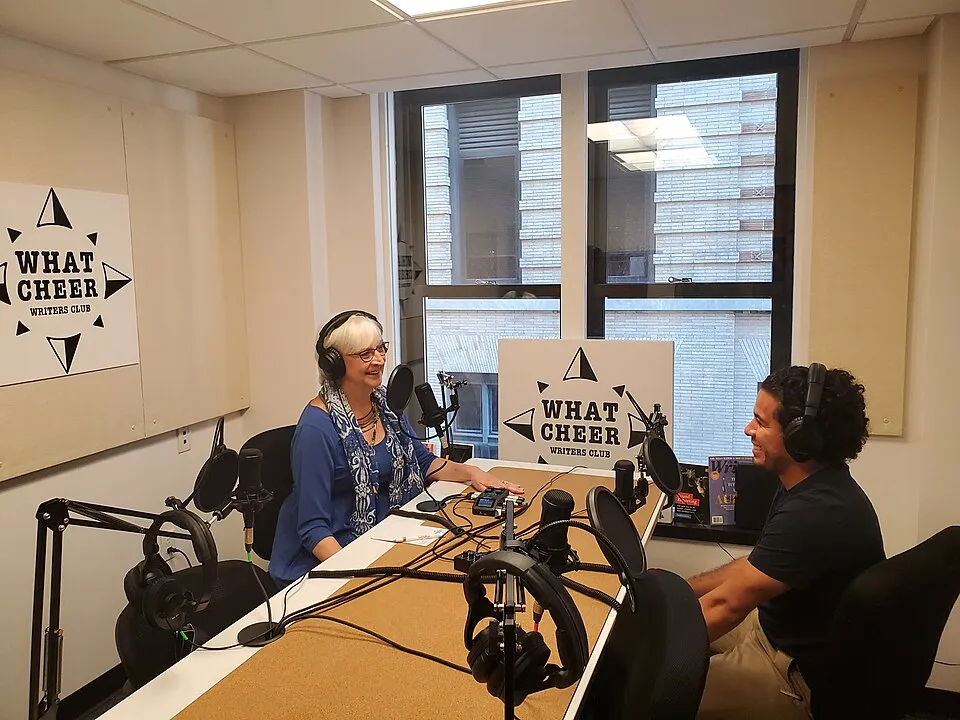
Podcast microphone and headphones. Art podcasts have become "one of the most compelling spaces for contemporary conversation" about art, culture, and the art world. Image via Wikimedia Commons
ArtCurious: The Stories (Jennifer Dasal)
ArtCurious is hosted by Jennifer Dasal, a contemporary art curator with nearly twenty years of art-historical studies and experience. The podcast explores "the most unusual tales from the art world" and is designed for everyone: "art fans and newbies." As Dasal puts it: "This isn't like a college lecture, droning on about archaic art terminology (like chiaroscuro or contrapposto) or the importance of linear perspective (um, okay). We're interested in the juicy stuff: did Van Gogh actually commit suicide? Was a British painter actually Jack the Ripper? And how did the rivalry between Michelangelo and Raphael produce one of the best works of art EVER?"
Episodes are typically 20 to 30 minutes. Dasal divides seasons thematically. Past themes have included World War II, shock art, and true crime/fine art. The storytelling is narrative: each episode is a story, not a lecture. ArtCurious has been featured in O, The Oprah Magazine, PC Magazine, ArtDaily, NPR, and Salon.
ArtCurious is the best podcast for listeners who want art history as entertainment. The stories are genuinely fascinating (art history is full of mysteries, scandals, and bizarre events), and Dasal tells them well. If you think art history is boring, ArtCurious will change your mind. For more on the stories behind famous artworks, see our guide to famous paintings and what they are about.
The Lonely Palette: The Museum (Tamar Avishai)
The Lonely Palette is hosted by Tamar Avishai, "a smooth-voiced art fanatic who provides detailed descriptions of classic and modern artworks that transcend the audio format." Each episode takes place at the Boston Museum of Fine Arts, opening with museum-goers talking about what they see and feel, followed by Avishai's "insightful delineation of each artist's process."
Episodes are typically 20 to 30 minutes. The opening, museum visitors reacting to art, is what makes the podcast unique. The visitors' reactions are unscripted, unfiltered, and often surprising. They see things the art historian misses, and miss things the art historian sees. The tension between the two is the podcast's engine. In June 2024, Avishai was Storyteller-in-Residence at the National Gallery of Art in Washington, DC, where she spent a week recording curators, museum staff, and visitors talking about what brought them to the museum and what keeps them there. The Lonely Palette is a proud founding member of Hub & Spoke, a collective of independent, idea-driven podcasts founded in 2017.
"After numerous seasons, it has become a comprehensive art course in its own right." The Lonely Palette is the best podcast for listeners who want to learn how to look at art. Avishai's descriptions are so vivid that you can see the artwork in your mind, and the museum-visitor format teaches you that your own reactions are valid, even if you do not know the history. For more on looking at art, see our guide to how to look at art for beginners.
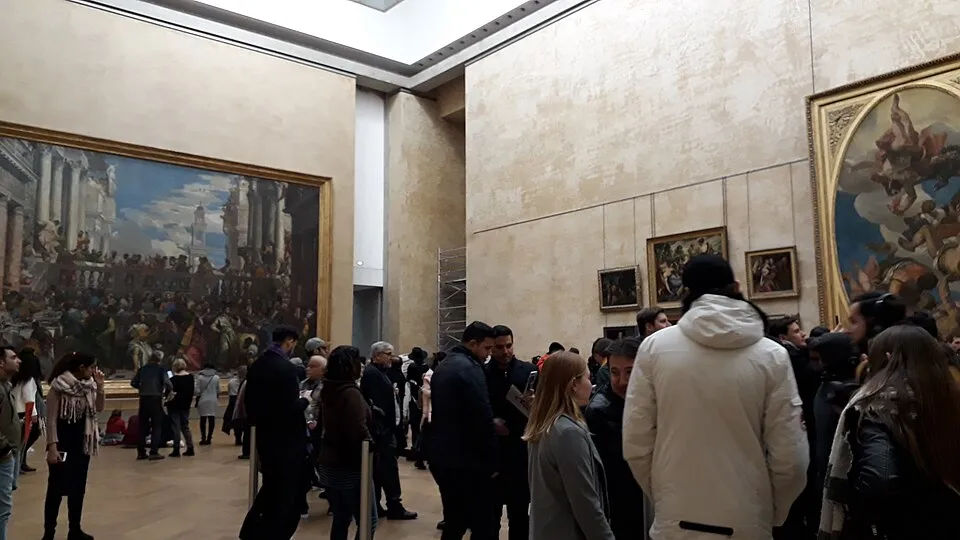
Museum visitors looking at art. The Lonely Palette opens each episode with museum-goers' reactions, then explores the artwork in depth: "return art history to the masses, one artwork at a time." Image via Wikimedia Commons
Talk Art: The Contemporary World (Russell Tovey and Robert Diament)
Talk Art is a British podcast presented by actor Russell Tovey and gallerist Robert Diament. "These unabashed art lovers use their show to discuss trends in contemporary art and their experiences collecting work." The podcast is not academic. It is conversational, enthusiastic, and accessible. "Tovey and Diament have natural rapport, making their interviews with artists and gallerists interesting, rather than alienating."
Episodes are typically 40 to 60 minutes, featuring interviews with artists, gallerists, and curators. The tone is casual: two friends talking about art they love, and the lack of pretension is the point. "If you're keen to learn more about today's art scene, especially in London, this podcast should be your next listen." Talk Art is the best podcast for listeners who want to understand the contemporary art world, not art history, but the living, breathing art world of galleries, fairs, auctions, and studios. It demystifies the art world without dumbing it down. For more on the contemporary scene, see our guide to contemporary art trends in 2026.
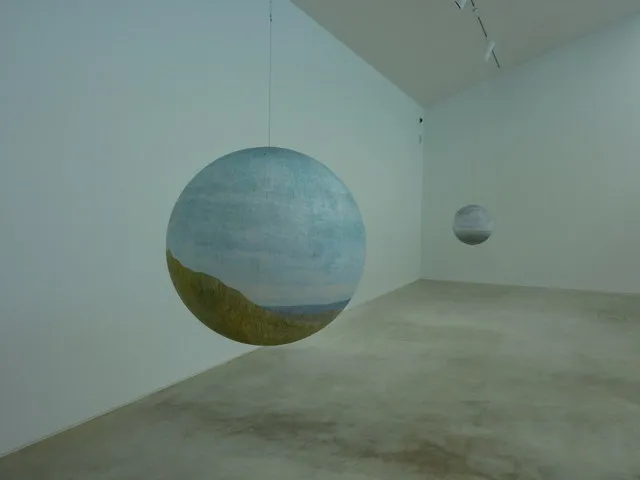
Contemporary art gallery. Talk Art, hosted by actor Russell Tovey and gallerist Robert Diament, "demystify the art world without critiquing it ad nauseam," making the contemporary art scene accessible to everyone. Image via Wikimedia Commons
ArtHoles: The Biographies (Michael Anthony)
ArtHoles is hosted by Michael Anthony, a comedian with "no background in art history, which is why listening to him go down art-historical rabbit holes is so delightful." Anthony conducts "painstaking research on the infamously tumultuous lives of artists and yells about it for hours." As Anthony puts it: "For most of my life, I had zero interest in art or art history because I thought it was boring. Turns out, I was wrong. Now it's all-consuming because the stories are insane and I don't do moderation well."
Episodes are long, often 2 to 3 hours, and deeply researched. So far, ArtHoles has covered Pablo Picasso, Jackson Pollock, Michelangelo Merisi da Caravaggio, and Frida Kahlo. Episodes are very spaced out but trust the process. The tone is exasperated, passionate, and funny. Anthony is genuinely outraged by how these artists behaved, especially toward women. ArtHoles is the best podcast for listeners who want deep, entertaining biographies of famous artists. The 2 to 3 hour format allows for genuine depth. You will learn more about Picasso's life in one ArtHoles episode than in most books. The comedian's perspective is not a gimmick. It is a lens that makes the biographies alive, opinionated, and real. For more on one of the artists covered, see our guide to Van Gogh.
The Week in Art: The News (The Art Newspaper)
The Week in Art is produced by The Art Newspaper and hosted by Ben Luke. The podcast covers "the latest in the global art world": exhibitions, auctions, museum appointments, controversies, and trends. It is the news podcast of the art world.
Episodes are typically 40 to 50 minutes, released weekly. The format includes news round-up, interviews, and feature segments. The tone is professional and informed. This is journalism, not entertainment. The Week in Art is the best podcast for listeners who want to stay current with the art world. If you want to know what exhibitions are opening, what sold at auction, and what controversies are brewing, this is the podcast. It is the art world's newspaper in audio form. For more on the contemporary scene, see our guide to contemporary art trends in 2026.
Art History for All: The Accessible (Allyson Healey)
Art History for All is hosted by Allyson Healey, an art historian. The premise: "the listener does not have to have any prior knowledge of art history (thus 'art history for all')." The podcast "engages everyone, regardless of their feelings about art" and "ventures beyond traditional art history to help listeners discover personal connections with art."
Episodes are typically 30 to 45 minutes, each focusing on one artwork. Healey examines the artwork's historical context and broader significance while "questioning its relevance." The approach is accessible but not dumbed-down. Healey is an art historian, and the analysis is rigorous, but the language is plain. Art History for All is the best podcast for listeners who want a structured, artwork-by-artwork introduction to art history. The "no prior knowledge" premise makes it the most accessible podcast on this list, and the "personal connections" approach makes art history feel relevant, not remote. For more on getting started, see our guide to art for beginners.
How to Choose the Right Podcast for You
For beginners: start with The Lonely Palette (accessible, museum-based, teaches you how to look) or Art History for All (no prior knowledge needed, one artwork at a time).
For story-lovers: ArtCurious (mysteries, scandals, unusual tales from art history).
For contemporary art: Talk Art (London scene, artist interviews, collecting) or The Week in Art (global art news).
For deep biographies: ArtHoles (2 to 3 hour deep dives, comedian's perspective, passionate and funny).
For staying current: The Week in Art (weekly news, exhibitions, auctions, controversies).
The best approach: subscribe to 2 or 3 podcasts from different categories. Listen to one for stories (ArtCurious), one for looking (The Lonely Palette), and one for the contemporary world (Talk Art). The combination gives you past, present, and practice: history, news, and ways of seeing. For more resources, see our guide to art history YouTube channels and our guide to teaching yourself art history.
Final Thoughts
The best art podcasts in 2026 are "vital because they are about far more than art. They cover economics, history, and politics in their analysis." ArtCurious (Jennifer Dasal) tells "the most unusual tales from the art world" in 20 to 30 minute narrative episodes. The Lonely Palette (Tamar Avishai) opens each episode with museum visitors at the Boston MFA, then explores the artwork in depth, and "after numerous seasons, it has become a comprehensive art course in its own right." Talk Art (Russell Tovey and Robert Diament) "demystify the art world without critiquing it ad nauseam" in 40 to 60 minute interviews. ArtHoles (Michael Anthony) features a comedian with no art history background doing "painstaking research on the infamously tumultuous lives of artists and yells about it for hours" in 2 to 3 hour deep dives on Picasso, Pollock, Caravaggio, and Kahlo. The Week in Art (The Art Newspaper, Ben Luke) covers "the latest in the global art world" in 40 to 50 minute weekly episodes. Art History for All (Allyson Healey) examines one artwork per episode with "no prior knowledge" needed.
The best approach: subscribe to 2 or 3 from different categories, one for stories, one for looking, one for the contemporary world. The combination gives you past, present, and practice. Art podcasts are free, portable, and intimate, and the audio format forces hosts to describe visual art in language, which is itself a form of art criticism. The best art podcasts make you want to look up the artworks they discuss, to see what the host is describing, to check your own perception against theirs.
Pick one podcast from this list. Download one episode. Listen to it on your commute, your walk, your lunch break. Then look up the artwork they discussed. See it for yourself. The podcast gave you the context. Now give yourself the image. That is how art education works in 2026: free, portable, and driven by your curiosity.


