
The first time many people walk into a contemporary art museum, they feel a specific kind of embarrassment. Everyone else seems to understand something they do not. Other visitors pause in front of a canvas painted entirely white and appear to be thinking deeply. You stand there wondering what on earth the pause is about, then move on quickly before someone notices that you do not get it.
Here is the truth about that experience: most of those other visitors are faking it too. Research published in Empirical Studies of the Arts found that art comprehension anxiety is widespread among museum visitors, even frequent ones, and that the anxiety itself is the primary barrier to engagement, not a lack of taste or intelligence. The problem is not that you do not understand art. The problem is that you have been told, implicitly, that understanding is a prerequisite for responding. It is not.
This guide is about how to start a genuine relationship with art, not how to perform one. The starting point is simpler than you have probably been led to believe.
Drop the Idea That Art Requires Understanding
The most damaging myth about art appreciation is that you need to understand a work before you can respond to it. This is backwards. Response comes first. Understanding, if it comes at all, comes later, and it enriches what you already feel rather than creating the feeling from scratch.
Think about how you respond to music. You do not need to know music theory to feel moved by a piece. You do not need to understand the historical context to find something beautiful or unsettling. The emotional response is immediate and real, and any knowledge that comes later adds depth to something that already existed. Art works the same way.
The question "Do I understand this?" is the wrong starting point. It shuts down curiosity before it has a chance to open. The question "What do I notice?" is better. The question "What does this do to me?" is better still. Those are questions you can answer honestly without any background knowledge at all.
How to Look: Starting from Zero
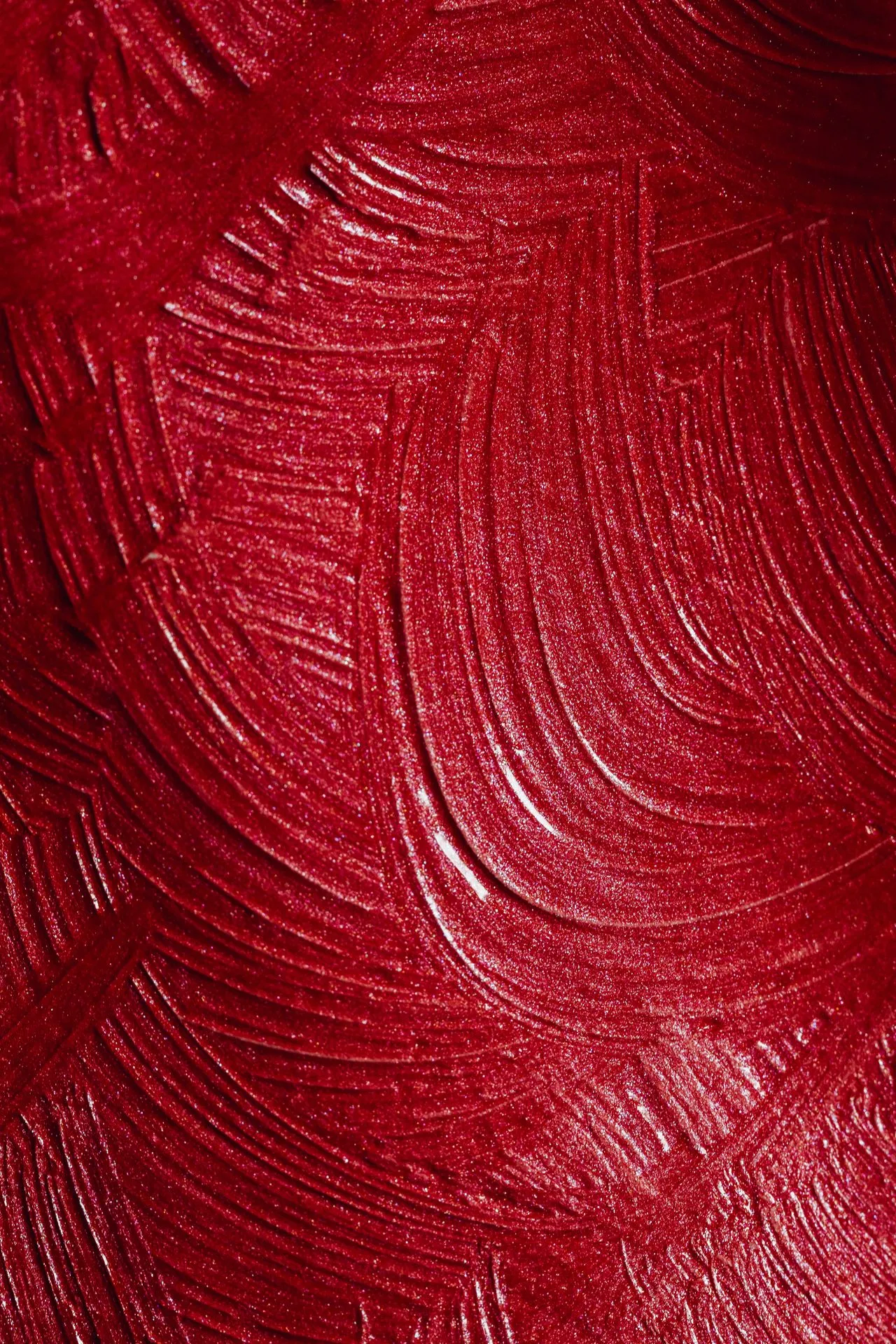
Photo by Karola G on Pexels.com
The single most effective thing you can do to start appreciating art is to slow down. Museum visitors spend an average of eight to thirty seconds in front of any given artwork. That is enough time to register that something is there. It is not enough time to actually look at it.
Try this: the next time you encounter a work that does not immediately do anything for you, stand in front of it for two full minutes. Do not read the label yet. Just look at what is physically in front of you. Notice the colors. Notice where your eye goes first and where it travels next. Notice what is in the foreground and what recedes into the background. Ask yourself whether the surface looks rough or smooth, and whether you can see how the image was made.
Two minutes is a long time in a gallery, and most works will begin to reveal something in that span. Not because two minutes unlocks hidden meaning, but because looking carefully is itself the activity, and most people have never actually tried it with a painting.
What to Notice When You Look
Color is the most direct entry point. Warm colors such as reds, oranges, and yellows tend to feel active, close, and energetic. Cool colors such as blues, greens, and greys tend to feel contemplative, distant, and quiet. Look at what colors dominate a work and ask yourself how they make you feel before you think about what they depict. Color affects the body before the conscious mind catches up. This is why people cry in front of Rothko paintings that are, literally, just rectangles of color.
Scale matters enormously and is almost impossible to appreciate from a reproduction. A painting by Mark Rothko that is ten feet tall creates a completely different physical experience than the same painting on a phone screen. When you stand in front of a large canvas, it enters your peripheral vision. When you look at a very small painting, you lean in and it becomes intimate and private. The choice of scale is always intentional.
Brushwork tells you something about how the painter worked and what they valued. In a Vermeer, the brushstrokes are essentially invisible; the surface is as smooth as enamel, and the priority was the illusion of light on objects. In a Van Gogh, the brushstrokes are so visible and energetic that they become part of the subject. You can see the physical act of making in every mark. Neither approach is better. They are different answers to different questions about what a painting should do.
Your Emotional Response Is a Legitimate Starting Point
Many people dismiss their emotional reactions to art as unsophisticated. They feel something but assume that what they feel is less valid than what an expert would think. This is exactly wrong.
Your emotional reaction to a work is data. A painting that makes you feel uneasy is doing something specific with color, scale, composition, or subject matter to produce that unease. A painting that makes you feel calm is doing something else. The feeling is real and it is caused by specific formal decisions the artist made. The interesting question is not whether you should feel it, but why you feel it. That question is the beginning of genuine engagement with art.
The [Harvard Art Museums' Slow Art programs](https://harvardartmuseums.org/learn/programs/slow-art) have consistently found that visitors who are encouraged to sit with a single work for ten minutes, without instruction, report significantly richer experiences than those who move through galleries at normal pace. The method works because it removes the pressure to understand and replaces it with permission to notice.
Compare Two Works to Sharpen Your Eye
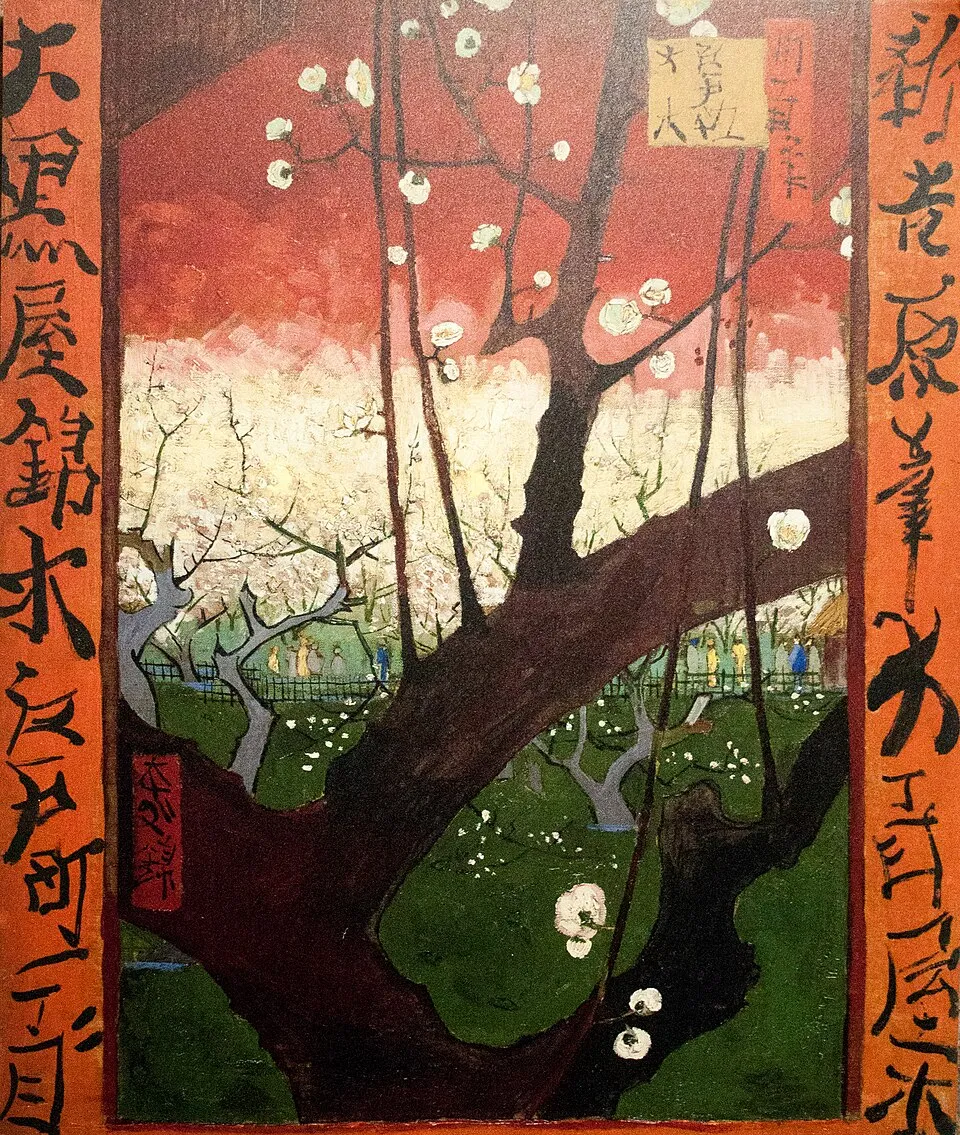
Left Hiroshige, Plum Park in Kameido, 1857, Right: Vincent van Gogh, Flowering Plum Tree (after Hiroshige), 1887
One of the fastest ways to sharpen your eye is to look at two works side by side. Comparison does not require knowledge; it requires attention. Van Gogh made a direct copy of Hiroshige's "Plum Park in Kameido" (1857) in 1887. Both works show flowering plum trees at night. Looking at them together, you immediately see what Van Gogh changed: the flat, decorative surface and clear outlines of the Japanese woodblock print became urgent, textured, gestural brushwork in Van Gogh's version. He was not copying; he was translating, and the translation tells you something precise about what each artist valued.
You can do this with any two works on the same subject. Look at how different artists handle light. Look at how they treat the edges of forms. Look at what they choose to include and what they leave out. The differences you notice are real observations, not guesses, and they are the raw material of genuine art understanding.
Build a Vocabulary Gradually
Having a few basic terms helps you articulate what you are already noticing. You do not need a full art history education to benefit from knowing what impasto means (thick, textured paint applied in visible strokes), what chiaroscuro means (the dramatic contrast between light and shadow, most associated with Caravaggio), or what sfumato means (Leonardo's technique of blurring edges to create soft transitions between tones).
These terms are tools for describing what you can already see. When you stand in front of a painting and notice that some areas are built up with thick ridges of paint while others are thin and transparent, you are noticing impasto versus glazing. The word does not create the observation; it just lets you hold it more precisely. Our guide to essential art vocabulary covers the terms that will be most useful most often.
Start Small and Make It a Habit
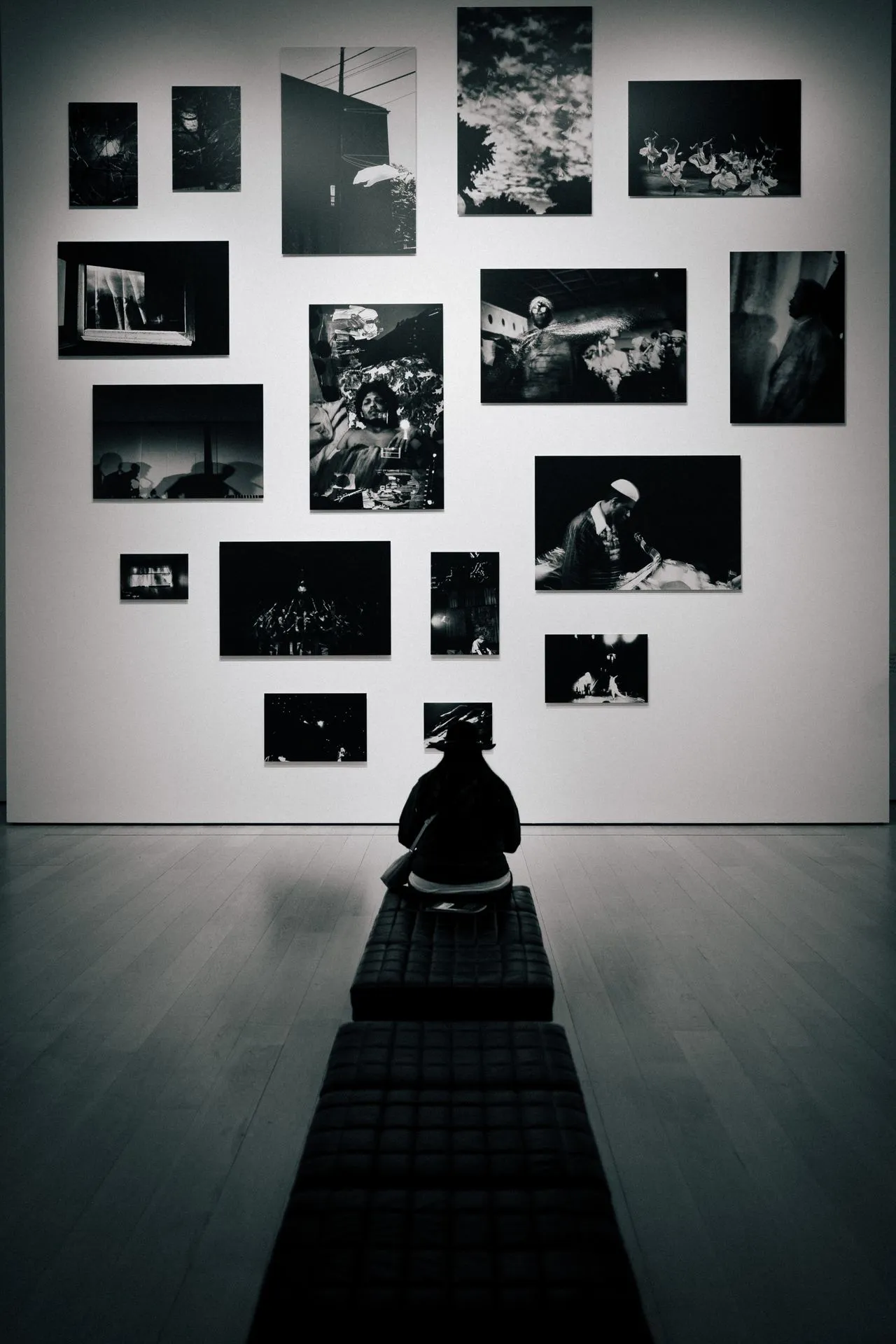
Photo by Kyle Miller on Pexels.com
Do not try to appreciate an entire museum in one visit. Pick five works and spend real time with each one. If one of them genuinely does nothing for you after two minutes, move on without guilt. Appreciation is not the same as liking, and not every work is for every person. The goal is not to like everything you see. The goal is to see everything you look at.
Keep a simple record of what you have looked at and what struck you. It does not need to be elaborate: a note on your phone with the artist's name and one observation is enough. Over time, patterns will emerge. You might realize you are consistently drawn to paintings with strong contrast between light and dark, or that you respond strongly to works that use a very limited palette, or that large-scale work affects you more than small intimate pieces. These patterns are the beginning of a personal relationship with art that will deepen for the rest of your life.
Revisit works you have seen before. A painting you looked at six months ago will often show you something different now, not because the painting changed, but because you did. This is one of the most reliable pleasures of building an art habit, and it has no equivalent in any other form of consumption.
Final Thoughts
You do not need permission to engage with art, and you do not need expertise to have a genuine response. You need attention, and you need to give yourself enough time to actually look. Start with what you notice. Follow what you feel. Ask why. The understanding that comes from that sequence is more solid than anything you could get from reading about a painting before you stand in front of it.
For a more structured approach to what to look for when you are in front of a painting, see our guide to how to look at art for beginners. And when you are ready to take a first museum visit seriously, our guide to how to visit an art museum covers everything from planning to slow looking strategies that make the experience worth having.


