
In 2005, two art history professors, Dr. Beth Harris and Dr. Steven Zucker, started making videos in front of artworks at museums and posting them on YouTube. They called it Smarthistory. The videos were simple: two people talking about art, in front of the art, without scripts or jargon. Twenty years later, Smarthistory has become "a leading resource for students, educators, and enthusiasts of art history," with hundreds of videos covering "paintings, sculpture, and architecture" from every period and culture. The videos average 5 minutes. They are free. They are used by university professors in their courses, by high school teachers in their classrooms, and by millions of self-directed learners around the world. Smarthistory is not the only art history YouTube channel, but it is the one that proved the format works. In 2020, James Payne launched Great Art Explained, which does 15 to 20-minute deep dives on single artworks using "clear and concise language free of 'art-speak'." The channel now has nearly 2 million subscribers. In October 2025, the Great Art Explained book was published by Thames & Hudson, called "an instant classic" by Stephen Fry. In 2024, Crash Course Art History launched with Sarah Urist Green, filmed at the Indianapolis Museum of Art at Newfields, bringing the Crash Course format (fast-paced, well-produced, 12 minutes) to art history across 22 episodes. The best art history YouTube channels in 2026 are not just educational. They are better than most university lectures. And they are free.
YouTube has become one of the most important platforms for art history education. The visual nature of art, you have to see it to understand it, makes video the ideal medium. The best channels combine high-quality images of artworks with clear commentary that makes complex ideas accessible without dumbing them down. This guide covers the best art history YouTube channels in 2026: Smarthistory (the pioneer), Great Art Explained (the deep dive), Crash Course Art History (the newcomer), Nerdwriter (the cultural critic), Art History School (the survey), Khan Academy Art History (the free degree), and how to use YouTube as an art history education tool. For the full curriculum, see our guide to teaching yourself art history.
Smarthistory: The Pioneer (2005)
Smarthistory was founded in 2005 by Dr. Beth Harris and Dr. Steven Zucker, two art history professors who wanted to make art history accessible. The channel features "a wide range of videos covering various topics in art history, including architecture, painting, sculpture, and photography." The videos are "highly informative and engaging, with a focus on making complex ideas accessible to a broad audience."
The format is what makes Smarthistory work. Harris and Zucker (and other contributors) stand in front of artworks at museums and talk about them. The format is deliberately informal: no scripts, no jargon, no "art-speak." The videos use "high-quality images of artworks, as well as diagrams and animations that help to illustrate key concepts." You can watch them on the Smarthistory YouTube channel.
Average length: 5 minutes. Topics: paintings, sculpture, and architecture. On YouTube since April 2009 (the website launched in 2005). Smarthistory merged with Khan Academy, making its videos available through both platforms. Smarthistory is the starting point for self-directed art history education on YouTube. If you want to learn about a specific artwork, movement, or period, search Smarthistory first. The 5-minute format is perfect for a single artwork, and the conversational style makes even complex ideas accessible.
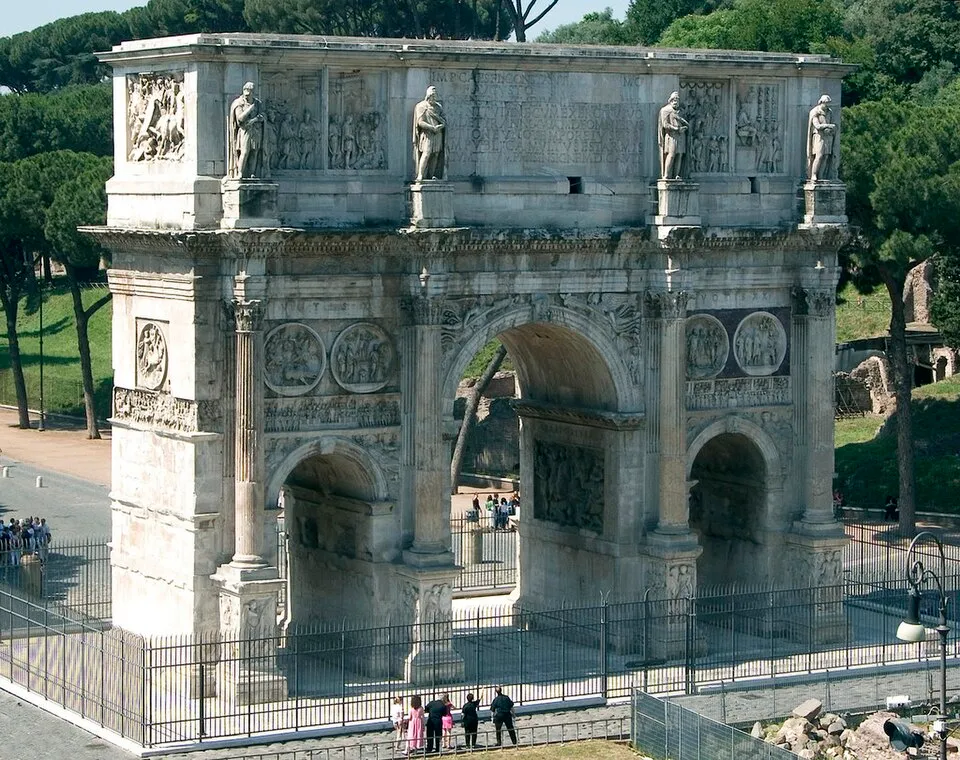
Smarthistory, founded in 2005 by Dr. Beth Harris and Dr. Steven Zucker, provides free art history videos. Average length: 5 minutes. Topics: paintings, sculpture, and architecture. Image via Wikimedia Commons
Great Art Explained: The Deep Dive (2020)
Great Art Explained was created by James Payne, "a curator, gallerist and passionate art lover on a mission to demystify art and discover the stories behind the world's greatest paintings and sculptures." Launched in 2020, the channel focuses on one artwork per episode, "breaking it down, using clear and concise language free of 'art-speak'." The channel now has nearly 2 million subscribers.
Each episode is approximately 15 to 20 minutes, long enough for a deep dive, short enough for a single sitting. Payne researches each episode heavily ("heavily researched, and lavishly illustrated") and releases a new video approximately once a month. The videos cover the artwork's history, technique, context, and meaning, with high-quality images and clear narration. Payne has also launched a spin-off channel, "Great Art Cities Explained," covering museums and art scenes in cities from London to Shanghai.
In October 2025, "Great Art Explained: the Book" was released worldwide by Thames & Hudson, described by Stephen Fry as "an instant classic." The book covers 30 masterpieces from a 12th-century Chinese scroll to Monet's Water Lilies, a Frida Kahlo self-portrait, and Jean-Michel Basquiat's Hollywood Africans. You can find it on the Great Art Explained website. Great Art Explained is the best channel for deep dives on individual artworks. If Smarthistory gives you the overview, Great Art Explained gives you the detail.

Great Art Explained, created by James Payne in 2020. One artwork per episode, 15 to 20 minutes, "clear and concise language free of 'art-speak'." Nearly 2 million subscribers. The book was released October 2025 by Thames & Hudson, called "an instant classic" by Stephen Fry. Image via Wikimedia Commons
Crash Course Art History: The Newcomer (2024)
Crash Course Art History launched in 2024, hosted by Sarah Urist Green, "a curator and art educator," and filmed at the Indianapolis Museum of Art at Newfields. The channel brings the Crash Course format (fast-paced, well-produced, energetic) to art history. The series runs 22 episodes.
Episodes average 12 minutes. The first episode, "Why We Study Art" (12:07), covers the fundamentals: "art history is really about thinking critically by observing closely. It's the study of objects and images to understand the people, places and time periods they come from." Green covers the Medicis, Vasari, the canon, and how art history is constructed, not discovered. Later episodes tackle whether AI-generated art is original (Episode 18), why art is so expensive (Episode 19), and how colonialism shaped the art market. You can watch Episode 1 on YouTube.
Crash Course Art History is more produced than Smarthistory or Great Art Explained, with graphics, animations, and a scripted format. This makes it more accessible for viewers who want a polished, fast-paced experience, but less intimate than the conversational Smarthistory format. Crash Course Art History is the best channel for beginners who want a structured, energetic introduction to art history. The 12-minute format is ideal for a quick overview, and the production quality is high. Start with episode 1 and follow the series. For more on getting started, see our guide to art for beginners.
Crash Course Art History, launched 2024, hosted by Sarah Urist Green. Filmed at the Indianapolis Museum of Art at Newfields. 22 episodes, average length: 12 minutes. Image via Wikimedia Commons
Nerdwriter: The Cultural Critic
Nerdwriter1, created by Evan Puschak, is not exclusively an art history channel. It covers culture broadly, including film, literature, music, and visual art. But the art history videos are among the best on YouTube.
Nerdwriter videos are typically 8 to 12 minutes, with Puschak narrating over carefully edited images and clips. The videos are essayistic. They make arguments, not just presentations. A Nerdwriter video on a painting does not just describe the painting. It argues for a particular reading, a particular interpretation, a particular way of seeing. Nerdwriter is the best channel for viewers who want to go beyond art history into art criticism, the practice of arguing about what art means. The essayistic format is more demanding than Smarthistory's conversational format, but it rewards the viewer with deeper, more provocative analysis. For more on contemporary criticism, see our guide to contemporary art trends in 2026.
Art History School: The Survey
Art History School is "dedicated to providing accessible and informative art history content for a wide range of viewers." The channel is run by a team of experts and offers "a diverse range of content, including videos on specific artists, art movements, and styles, as well as videos exploring broader themes in art history."
Videos typically run 5 to 15 minutes, with "engaging and well-researched commentary, as well as high-quality images of artworks." The videos are "presented in a clear and easy-to-understand format." Art History School is a good supplementary channel, useful for specific artists or movements that Smarthistory or Great Art Explained have not covered. The format is solid but less distinctive than the other channels on this list. For the broader context, see our guide to the art movements timeline.
Khan Academy Art History: The Free Degree
Khan Academy's art history section, built in partnership with Smarthistory, offers free courses covering "prehistoric depictions of bison to contemporary abstraction." The courses are organized by period and culture, with video lectures by Harris and Zucker, quizzes, and progress tracking. Khan Academy's art history videos are the same Smarthistory videos, but organized into structured courses with quizzes and progress tracking. If Smarthistory is a library, Khan Academy is a curriculum.
The stats: 189.6 million registered users as of Khan Academy's SY24-25 annual report, with 104.9 million yearly active learners who logged 66.8 billion learning minutes. 100% free. The courses cover art from "prehistoric depictions of bison to contemporary abstraction, artists have addressed their time and place in history and expressed universal truths for tens of thousands of years." Khan Academy is the best platform for structured, self-directed art history education. If you want a free art history degree, this is where you start. The quizzes and progress tracking provide structure that YouTube alone cannot. For more on the curriculum, see our guide to teaching yourself art history.
How to Use YouTube as an Art History Education Tool
Create playlists organized by period (Renaissance, Baroque, Impressionism, Modernism), by artist (Van Gogh, Rembrandt, Picasso), or by theme (portraiture, landscape, abstraction). Playlists turn YouTube from a random video feed into a structured curriculum.
Take notes while watching, not just facts but questions. "Why did this artist use this color?" "What was happening in this period?" "How does this artwork compare to the one in the previous video?" Questions matter more than answers. They drive further learning.
When a video mentions an artwork, look it up. When a video mentions an artist, watch another video about that artist. When a video mentions a movement, find a video that covers that movement in more depth. Cross-referencing is how you build a web of knowledge, not just a list of facts.
YouTube is a supplement, not a replacement, for reading. Watch the video, then read the book. The video gives you the visual. The book gives you the depth. Together, they are more powerful than either alone. For more on how to look at what you find, see our guide to how to look at art for beginners.
Final Thoughts
The best art history YouTube channels in 2026 are better than most university lectures, and they are free. Smarthistory (2005, Dr. Beth Harris and Dr. Steven Zucker, 5 minutes, hundreds of videos, "a leading resource for students, educators, and enthusiasts") is the pioneer and the starting point. Great Art Explained (2020, James Payne, 15 to 20 minutes, one artwork per episode, "clear and concise language free of 'art-speak'," nearly 2 million subscribers) is the deep dive. Its book, published October 2025 by Thames & Hudson, was called "an instant classic" by Stephen Fry. Crash Course Art History (2024, Sarah Urist Green, 12 minutes, 22 episodes, filmed at the Indianapolis Museum) is the energetic newcomer. Nerdwriter (Evan Puschak, 8 to 12 minutes, essayistic) is the cultural critic. Art History School (5 to 15 minutes, survey format) is the supplementary resource. Khan Academy Art History (189.6 million registered users, 100% free, structured courses with quizzes) is the free degree.
Together, these channels provide a complete art history education, from 5-minute overviews to 20-minute deep dives to 12-minute structured courses. The key to using YouTube as an art history education tool is organization: create playlists, take notes, cross-reference, and supplement with reading. YouTube is not a replacement for books, but it is the best visual medium for learning art history, because art history is a visual subject, and video lets you see the art while you learn about it. For more audio-based learning, see our guide to the best art podcasts.
Start with Smarthistory. Pick an artwork that interests you, the "Mona Lisa," "Starry Night," "Las Meninas," and search for it on Smarthistory. Watch the 5-minute video. Then search for the same artwork on Great Art Explained. Watch the 20-minute deep dive. Then search for the artist or period on Crash Course Art History. Watch the 12-minute episode. You have just spent 37 minutes learning more about one artwork than most people learn in a semester. And it was free.


