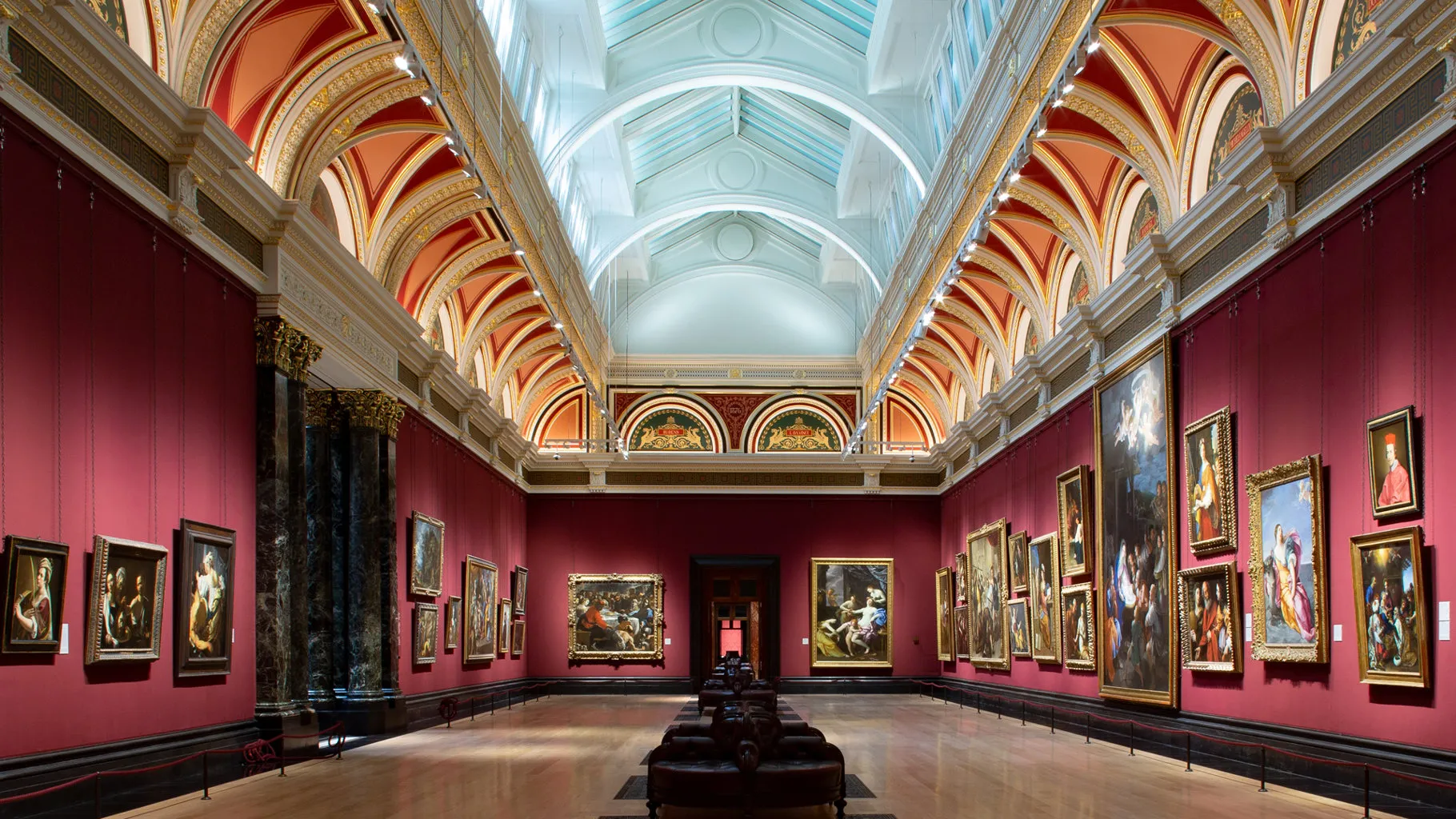

The British Museum: Empire, Controversy, and the Rosetta Stone
The British Museum has 8 million objects from 2 million years of human history. Discover the Rosetta Stone, the Parthenon Marbles, and the controversy that will not go away.
Your cart is empty
Browse the store
The V&A is the world's largest decorative arts museum: 145 free galleries from Raphael Cartoons to David Bowie's archive. Free entry, daily 10-5:45, Fridays till 10.
Last updated on November 15, 2026
Discover other museums and cultural institutions you might be interested in
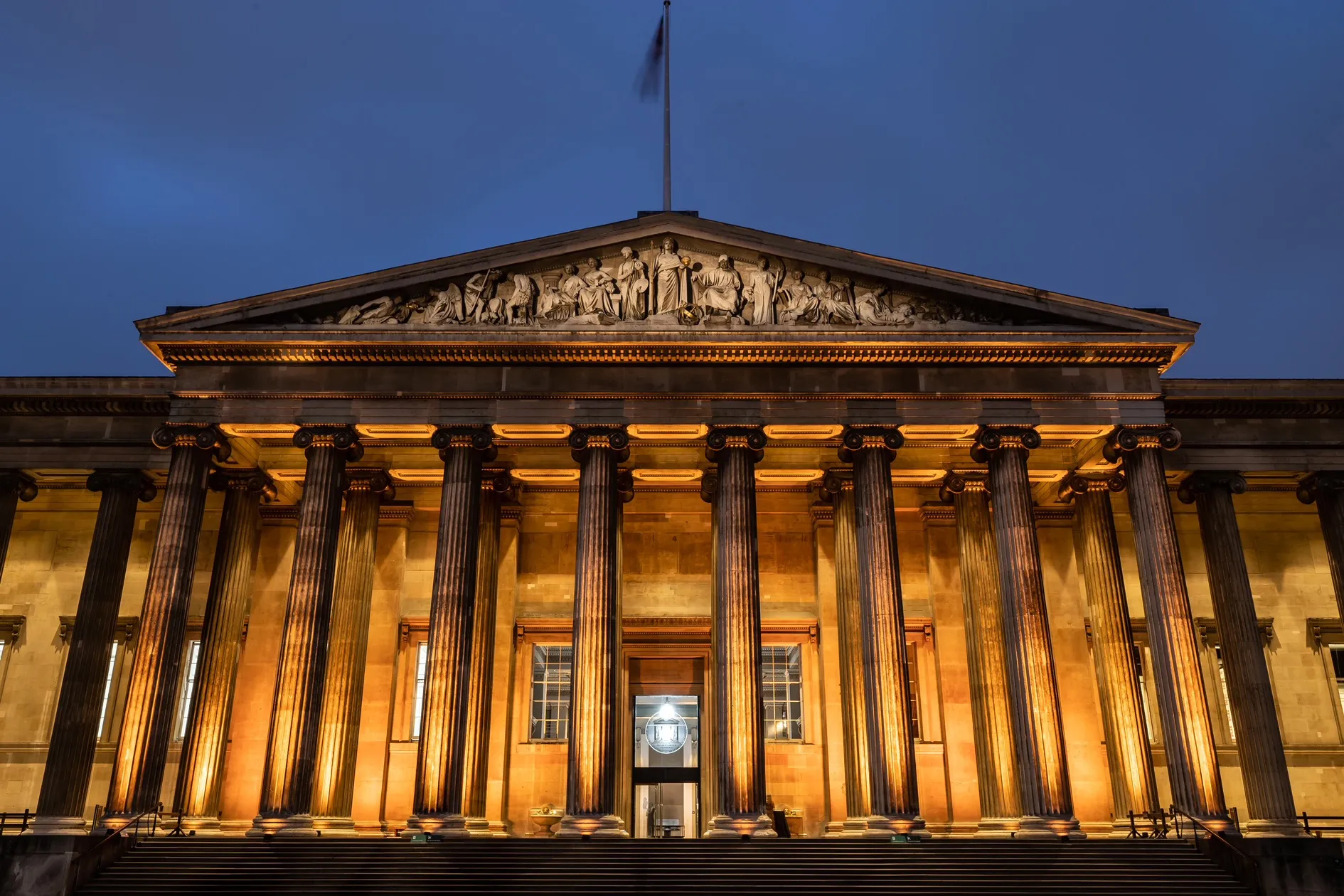
London's free museum of human civilization, home to the Rosetta Stone and Parthenon Sculptures, now navigating theft scandals and label controversies.
View details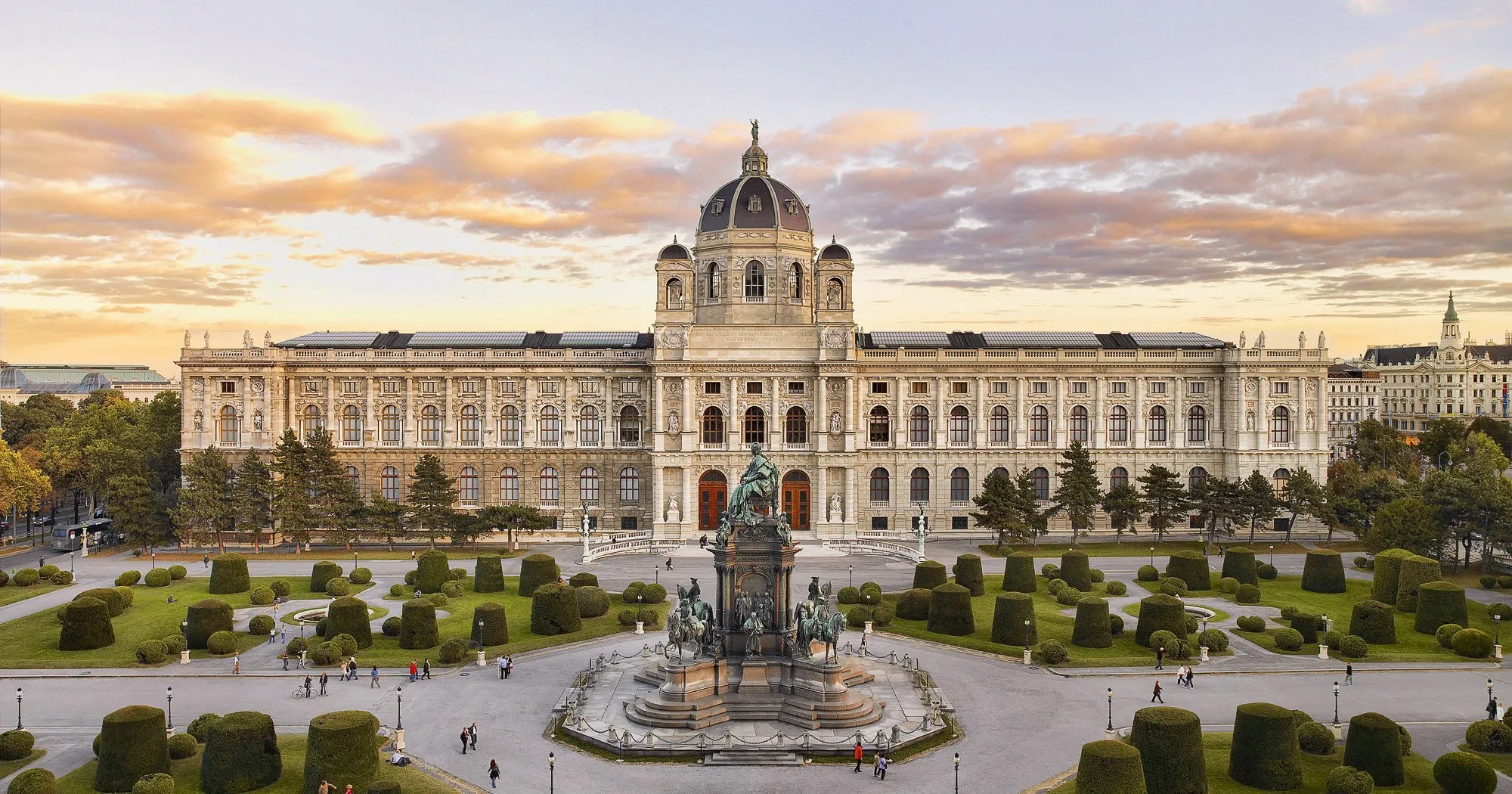
Vienna's imperial art museum holds the world's finest Bruegel collection and Renaissance treasures assembled by the Habsburg dynasty, but recent leadership changes and rising ticket prices make timing your visit more important than ever.
View detailsExplore definitions from our glossary that connect to this museum
The Aesthetic Movement rejected moral messaging in art, pursuing beauty for its own sake. Learn how Whistler, Rossetti, and Wilde reshaped Victorian art and design.
Art Deco combined luxury materials with geometric forms to define the look of the 1920s and 1930s. Learn how it shaped skyscrapers, jewelry, and design.
Read more about this topic on our blog
The British Museum has 8 million objects from 2 million years of human history. Discover the Rosetta Stone, the Parthenon Marbles, and the controversy that will not go away.

Tate Modern is the world's most-visited modern art museum inside a former power station on the Thames. Discover the Turbine Hall, the Rothko room, and how to navigate it.

Rococo was the art of pleasure, intimacy, and aristocratic leisure in 18th-century France. Discover Watteau, Boucher, Fragonard, and the style the Revolution destroyed.
The V&A in South Kensington is the world's largest museum of applied and decorative arts, 145 galleries across five floors covering 5,000 years of human making. Entry is free. No ticket, no booking, no queue for a slot; you walk in. That sentence alone should move it up your London list ahead of several paid rivals.
Founded in 1852 out of the profits and objects of the Great Exhibition, it occupies a Victorian pile purpose-built for showing off industrial art. The Aston Webb facade on Cromwell Road (1909) is the famous face, but the interior sprawls through courts, courts within courts, and long enfilades of galleries that reward wandering.
The Raphael Cartoons are the answer to "what's the best thing here?" Seven surviving full-scale designs for the Sistine Chapel tapestries, on loan from the Royal Collection since 1865, hung in their own gallery. They are among the most important Renaissance objects in Britain, and almost no tourist knows they are here.
The Cast Courts are the second jaw-drop: two Victorian halls filled with full-size plaster casts of European monuments, including the entire façade of Santiago de Compostela cathedral and a cast of Michelangelo's David so complete it splits into two halves for transport. In the age of mass tourism destroying originals, the 19th century's impulse to copy everything looks prescient.
Fashion is the department that punches above its weight in the public imagination. The costume galleries rotate pieces from a 400-year archive, and the blockbuster fashion exhibitions are a V&A signature: McQueen, Dior, Chanel, and most recently Schiaparelli: Fashion Becomes Art, which closed November 8, 2026 after a sold-out run. The Jewellery Gallery is a small dark room of 3,000 pieces, from ancient Celtic gold to Cartier and Fabergé. The Photography Centre, opened in 2018 and expanded in 2023, now holds the national collection.
The paid exhibition slate is strong. The Music is Black: A British Story runs at V&A East Museum through January 10, 2027 (£22.50-24.50). Constantinople to Istanbul at South Kensington runs through May 9, 2027 (£25-27), a 1,600-year survey of Byzantine and Ottoman art. Rising Voices: Contemporary Art from Asia, Australia and the Pacific runs through January 10, 2027 at £17. Free displays worth flagging: Freddie Mercury | Splendid Things through January 17, 2027, and the Digital Art Season: On Agency through December 3.
The V&A is now five venues. V&A East Storehouse in the Queen Elizabeth Olympic Park, opened May 31, 2025, is the genuinely new thing: a working store you can walk into, with the Order an Object service that lets you request any item in reserve collection to be brought out for you. Young V&A in Bethnal Green is the children's museum. V&A Dundee is the Kengo Kuma-designed Scottish outpost. The Wedgwood Collection sits at Barlaston in Stoke-on-Trent.
Enter through the Exhibition Road entrance (street level, step-free) rather than fighting the Cromwell Road queue at peak times. Friday evenings until 10 PM are the civilized choice: the South Kensington galleries empty after 6, and the café stays open. Budget a minimum of three hours; a full day is easy to fill. The main café, in the Morris, Gamble and Poynter rooms, is the world's first museum refreshment room and worth a stop for the tiled Victorian excess alone.
Against London's other free giants: the British Museum covers antiquity and world cultures, the National Gallery covers Western painting, the Tate Modern covers international modern. The V&A covers everything people made with intent to be beautiful or useful, which is the widest brief of all. It also has the best museum shop in London and, arguably, the best cake.
The departments most tourists never find are among the best. The Ceramics galleries (top floor) hold 60,000+ objects from Chinese porcelain to studio pottery, arguably the greatest ceramics display in the world. The National Art Library is a working Victorian reading room open to visitors. The Theatre and Performance galleries carry the archives of British stage design, including original Bowie and Beatles material. The Islamic Middle East gallery holds the Ardabil Carpet, dated 1539, one of the greatest carpets ever woven, displayed under a rotating light cycle that protects it while still letting you see it.
Design, fashion, and craft people first. Anyone with a half-day gap between hotel checkout and a train. Repeat London visitors who have done the National Gallery twice and want a different kind of collection. Skip it only if decorative arts genuinely bore you, or if your tolerance for Victorian architectural density is zero. Everyone else: it is free, it is huge, and you will leave with something you did not expect.
Quiet Canvas is a space for artists and art lovers: essays, glossary terms, tools, and curated directories to support your creative practice.
Learn more →Hand-picked matches from our other directories
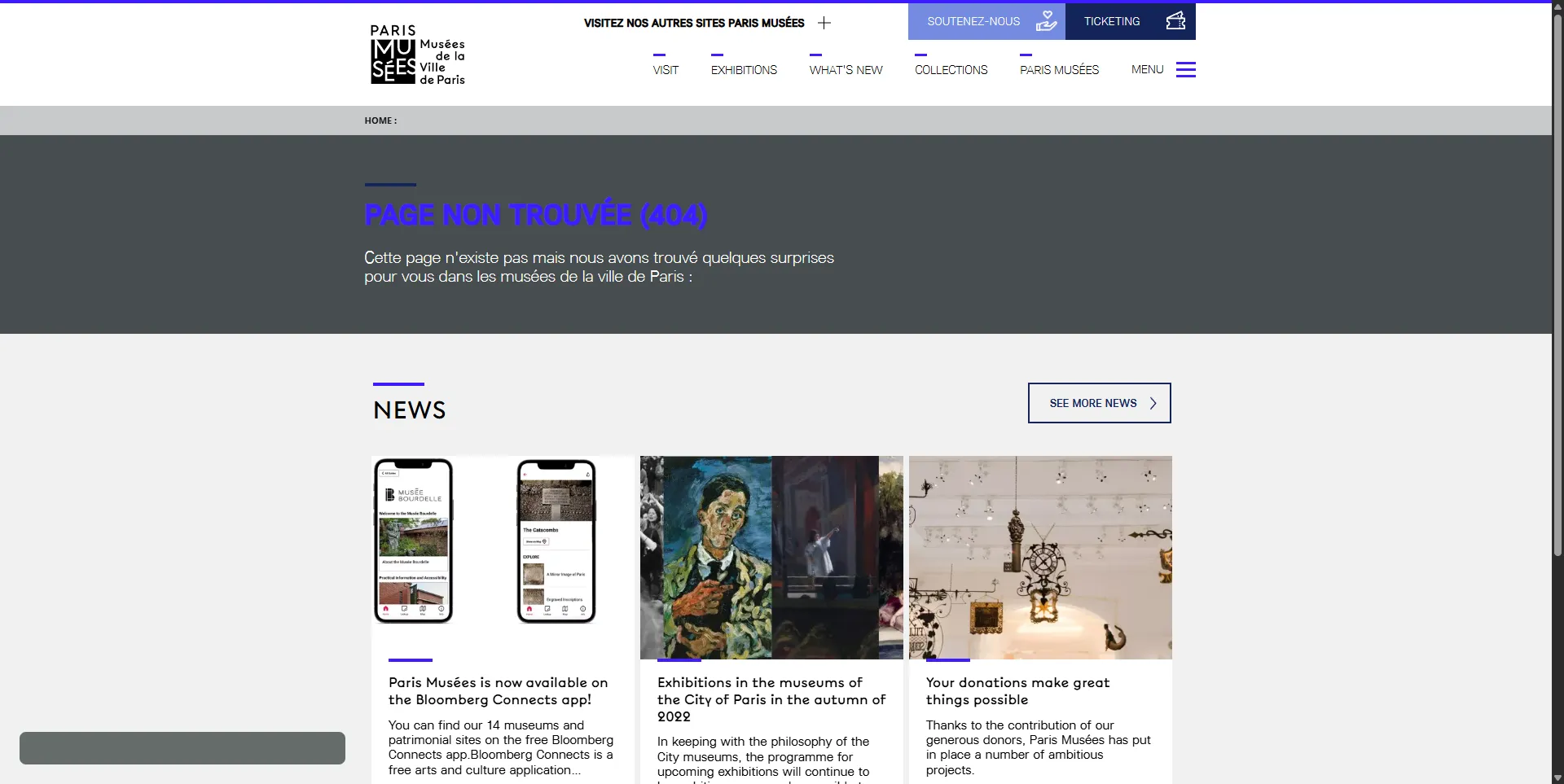
Paris Musees offers 312,000+ CC0 images from 14 Paris municipal museums including Carnavalet, Petit Palais, and Galliera. French art, fashion, and history with no attribution required. No API, interface in French.
View details
Part of the University of the Arts London, Central Saint Martins is one of the world's most influential art and design colleges, renowned for producing fashion designers, fine artists, and creative leaders who have shaped global culture.
View details
London's largest independent art supply store in Hackney, East London. Comprehensive range of professional materials with particular strength in printmaking and sculpture. Open 7 days a week with free parking.
View details
The Aesthetic Movement rejected moral messaging in art, pursuing beauty for its own sake. Learn how Whistler, Rossetti, and Wilde reshaped Victorian art and design.
View details


