
The British Museum: Empire, Controversy, and the Rosetta Stone
The British Museum has 8 million objects from 2 million years of human history. Discover the Rosetta Stone, the Parthenon Marbles, and the controversy that will not go away.
Your cart is empty
Browse the store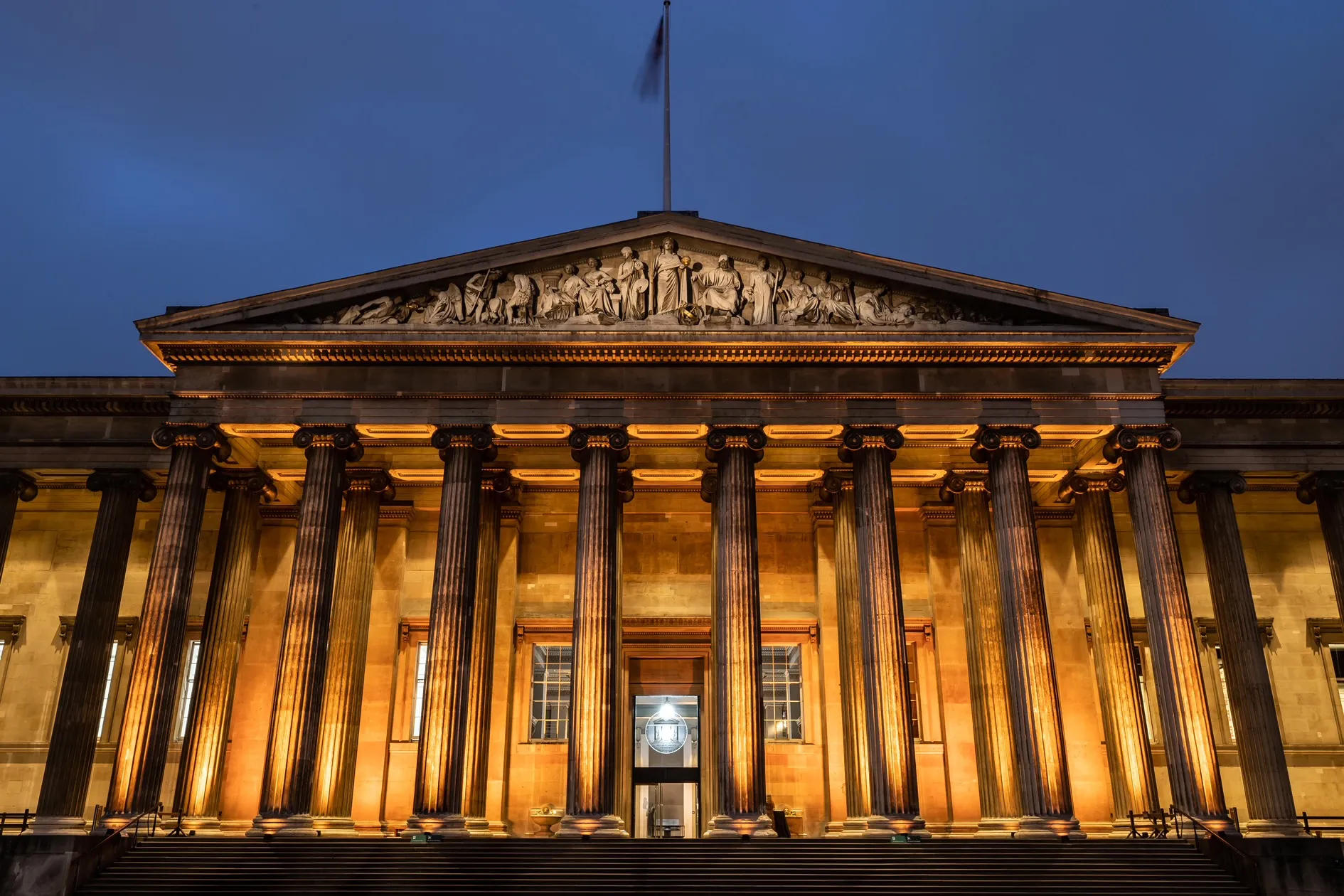
London's free museum of human civilization, home to the Rosetta Stone and Parthenon Sculptures, now navigating theft scandals and label controversies.
Discover other museums and cultural institutions you might be interested in
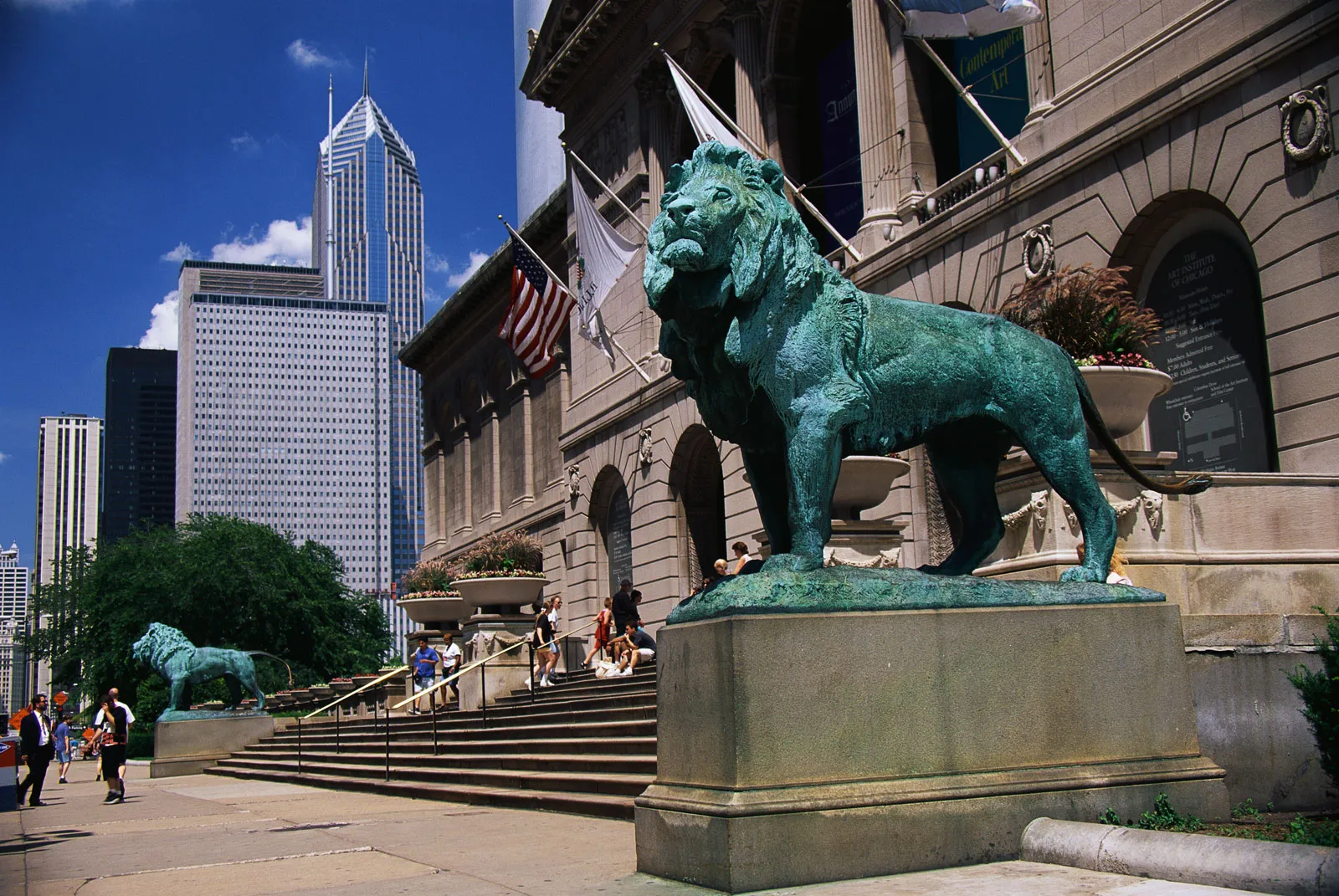
Chicago's encyclopedic art museum with world-class Impressionist holdings, American Gothic, and a planned $50M conservation center opening 2027.
View details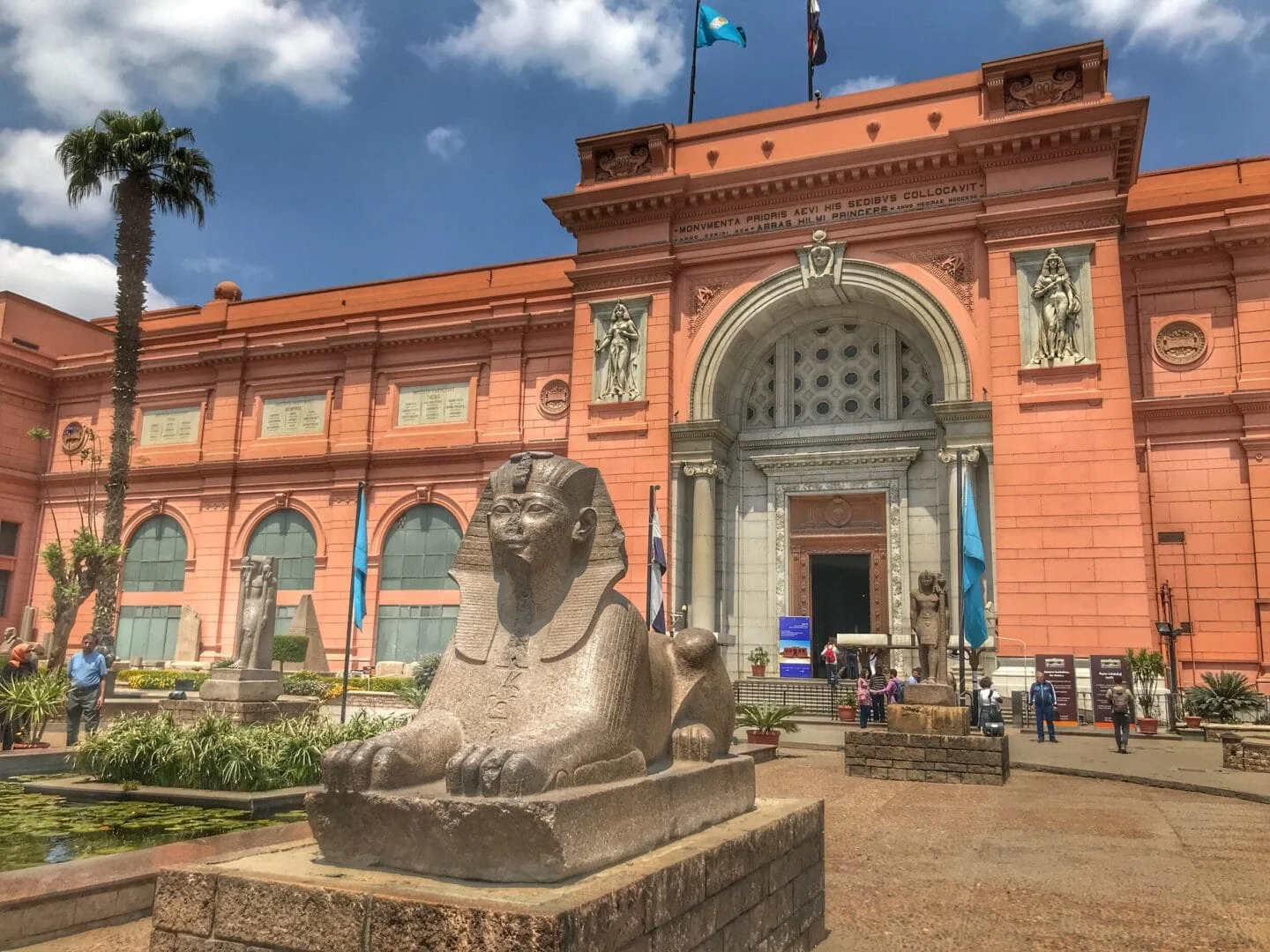
Cairo's 1902 museum, now overshadowed by the GEM. Still holds pre-dynastic artifacts and Old Kingdom statuary, but Tutankhamun has moved to Giza.
View detailsExplore definitions from our glossary that connect to this museum
Read more about this topic on our blog
The British Museum has 8 million objects from 2 million years of human history. Discover the Rosetta Stone, the Parthenon Marbles, and the controversy that will not go away.

"The Parthenon Marbles have not budged from the literal and figurative centre of the British Museum in London since they were purchased from Lord Elgin in 1816." With new UK Prime Minister Andy Burnham backing their return, and Germany returning the Benin Bronzes in 2022, should museums return what colonialism took?

Tate Modern is the world's most-visited modern art museum inside a former power station on the Thames. Discover the Turbine Hall, the Rothko room, and how to navigate it.
The British Museum is the world's oldest national public museum, founded in 1753 when Sir Hans Sloane bequeathed his collection to the nation. It holds over 8 million objects spanning the entire history of human civilization, from two-million-year-old stone tools to contemporary acquisitions. Admission is free, which makes it one of the most accessible major cultural institutions on Earth. And it is impossible to write about the British Museum in 2026 without acknowledging that the institution is in the middle of the most turbulent period in its 270-year history.
In 2023, the museum disclosed that over 1,800 items had been stolen from its collection by a former curator, who sold many of them on eBay. Director Hartwig Fischer resigned. In June 2024, Nicholas Cullinan (formerly of the National Portrait Gallery) took over as director with a mandate to rebuild trust and oversee a major refurbishment. Then in early 2026, the museum became embroiled in a separate controversy over the removal of the term "Palestine" from some display labels in its Ancient Levant and Egyptian galleries, prompting an open letter signed by over 200 cultural figures and calls for an independent investigation from MPs. Cullinan has spent his first two years putting out fires while trying to move the museum forward.
The Rosetta Stone is the museum's most famous object and the single most significant archaeological artifact ever discovered. This granodiorite stele, inscribed in 196 BC with the same decree in three scripts (hieroglyphic, demotic, and Greek), provided the key that allowed Jean-Francois Champollion to decipher Egyptian hieroglyphics in 1822. Without it, an entire civilization's written records would remain locked.
Go see it first. Not because it is the best thing in the museum, but because the gallery surrounding it gets impossibly crowded by 11 AM. Arrive at opening time, walk straight to the Egyptian galleries on the ground floor, and you may get a few minutes alone with it. By noon, you will be viewing it over the heads of a tour group.
The rest of the Egyptian collection is one of the most important outside Cairo, though the Grand Egyptian Museum's opening in November 2025 (more on that below) has shifted the balance of Egyptian archaeological display. The British Museum's mummies, monumental sculptures, and papyri are still extraordinary, but they no longer hold the monopoly on blockbuster Egyptian artifacts they once did.
The Parthenon Sculptures (still widely called the Elgin Marbles) include approximately half of the surviving sculptural decoration from the Parthenon in Athens, created under Phidias around 447-432 BC. These marble sculptures represent the peak of classical Greek art. Their presence in London remains the most contentious issue in the museum world. Greece has requested their return for decades, and the pressure has only intensified as other museums have begun repatriating contested objects.
The British Museum's official position is that the sculptures are legally held and best contextualized within a global collection. Critics argue that this is a colonial-era justification that ignores the specific cultural and national context of the works. The debate is not going away, and the museum's refusal to engage seriously with restitution claims remains its most visible vulnerability.
The Sutton Hoo ship burial, discovered in Suffolk in 1939, is one of the most important archaeological finds in British history. The treasure includes a spectacular gold and garnet helmet, gold buckles, silver bowls, and weapons that reveal early medieval Anglo-Saxon England as a sophisticated culture with trade networks reaching across Europe and into the Byzantine world. If you think of the period after the fall of Rome as the "Dark Ages," the Sutton Hoo artifacts will correct that assumption in about 15 minutes.
In early 2026, reports emerged that the British Museum had removed the terms "Palestine," "Palestinian," and "Israelite occupation" from some display labels in its Ancient Levant and Egyptian galleries. In one example, "rulers of Palestinian descent" was changed to "rulers of Canaanite origin." The museum stated that the changes were made based on audience testing and curatorial decision-making. However, Freedom of Information requests obtained by Middle East Eye revealed that the museum received complaints from pro-Israel activists in 2024 before making some of the changes, and that no specific audience testing was carried out on the term "Palestine."
Over 200 cultural figures, including Brian Eno and Jeremy Till, signed an open letter calling the removal "an act of historical revision and potential erasure." The Palestinian ambassador to the UK, Husam Zomlot, called on the Foreign Office to intervene. MPs demanded an independent investigation. The museum denied that external lobbying drove the changes, but the controversy has damaged its credibility on curatorial independence at a time when it can ill afford another hit to its reputation.
In a separate incident in June 2026, the museum postponed a Jewish Culture Month lecture on ancient Israel and Judah over fears of planned protests, drawing criticism from both sides of the political spectrum. Cullinan defended the decision as necessary to protect the event, not to diminish it.
The November 2025 opening of the Grand Egyptian Museum (GEM) near the Giza pyramids has altered the landscape for Egyptian collections worldwide. The GEM now houses the complete Tutankhamun collection, all 5,398 objects from the tomb displayed together for the first time, in a 7,500-square-meter gallery. The British Museum's Egyptian holdings remain significant, but the GEM has raised the bar for how Egyptian artifacts are displayed and contextualized. If you are planning a trip to both London and Cairo, see the British Museum's Egyptian galleries first, then the GEM, and you will understand how much the field has changed.
The British Museum is an encyclopedic museum of human civilization, not an art museum in the strict sense. It overlaps with the Louvre in scope and scale, but the Louvre's focus on fine art gives it a different character. The Metropolitan Museum of Art in New York is the closer comparison, with both institutions claiming global scope and free (or pay-what-you-wish) admission. The Hermitage Museum in Saint Petersburg matches the British Museum in scale but is now isolated from Western museum networks due to sanctions on its director.
For ancient artifacts specifically, the Istanbul Archaeology Museum offers a complementary collection from the crossroads of civilizations, though at a fraction of the British Museum's scale.
Friday evenings are the quietest time. The museum is open until 8:30 PM on Fridays, and the late hours attract a fraction of the daytime crowd. This is when you should go.
The Enlightenment Gallery is the most underrated room. Housed in the original King's Library, this gallery recreates the intellectual world of the 18th century when the museum was founded. It is quiet, beautiful, and almost always empty compared to the Egyptian and Greek galleries.
Skip the audio guide for the popular galleries. The Rosetta Stone and Parthenon Sculptures galleries are too crowded for audio to be useful. Save the guide for the less-visited departments like Prints and Drawings or the Enlightenment Gallery.
The Great Court restaurant is overpriced. You are paying for the Norman Foster-designed glass roof, not the food. Walk five minutes to Museum Street for better options.
Admission: Free for the permanent collection. Paid tickets for special exhibitions.
Hours: Daily 10 AM to 5 PM. Fridays until 8:30 PM.
Getting there: Great Russell Street, London WC1B 3DG. Nearest Tube stations are Tottenham Court Road (Northern/Central lines) and Holborn (Central/Piccadilly lines).
Book tickets: britishmuseum.org
Anyone interested in human civilization. The British Museum's collection is unmatched in its scope, and free admission means there is no barrier to entry. But go with eyes open. This is an institution shaped by empire, currently wrestling with the consequences of that history in real time. The theft scandal, the label controversy, and the ongoing Parthenon Sculptures debate are not footnotes. They are the story of a museum trying to figure out what it means to hold the world's cultural heritage in 2026. See the Rosetta Stone, see the Sutton Hoo helmet, see the Parthenon Sculptures, and then read about why they are here. The objects are extraordinary. The institution around them is a work in progress.
Quiet Canvas is a space for artists and art lovers: essays, glossary terms, tools, and curated directories to support your creative practice.
Learn more →


