
Game Design as Art: Environmental Storytelling and Visual World-Building
Game design is one of the most sophisticated visual arts of the 21st century. Discover how environmental storytelling and visual world-building make games fine art.
Your cart is empty
Browse the store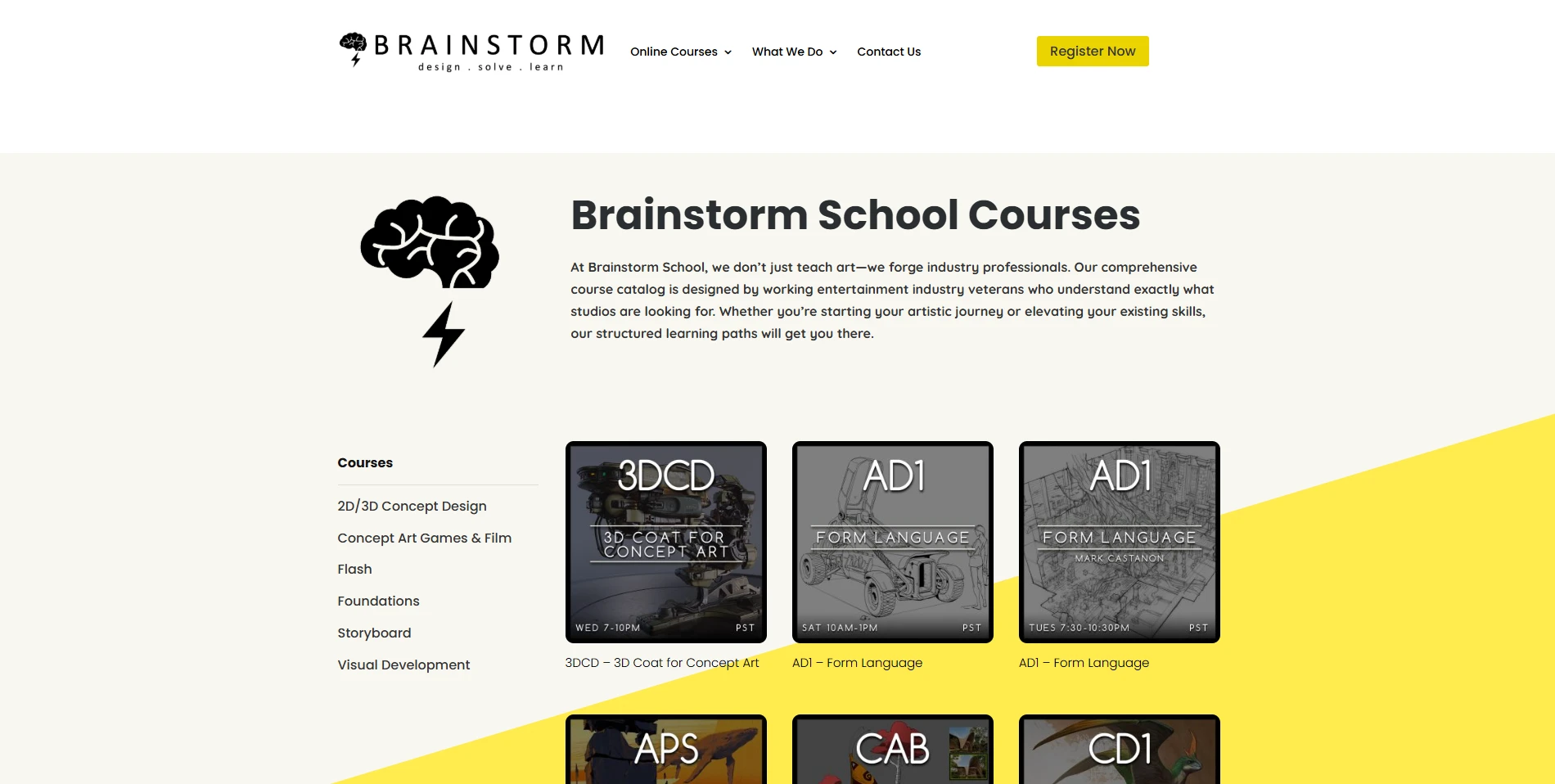
Brainstorm School teaches live online concept art courses from working studio artists. 10-week terms, $800-$1,200 per course. Honest review inside.
Discover other art courses you might be interested in
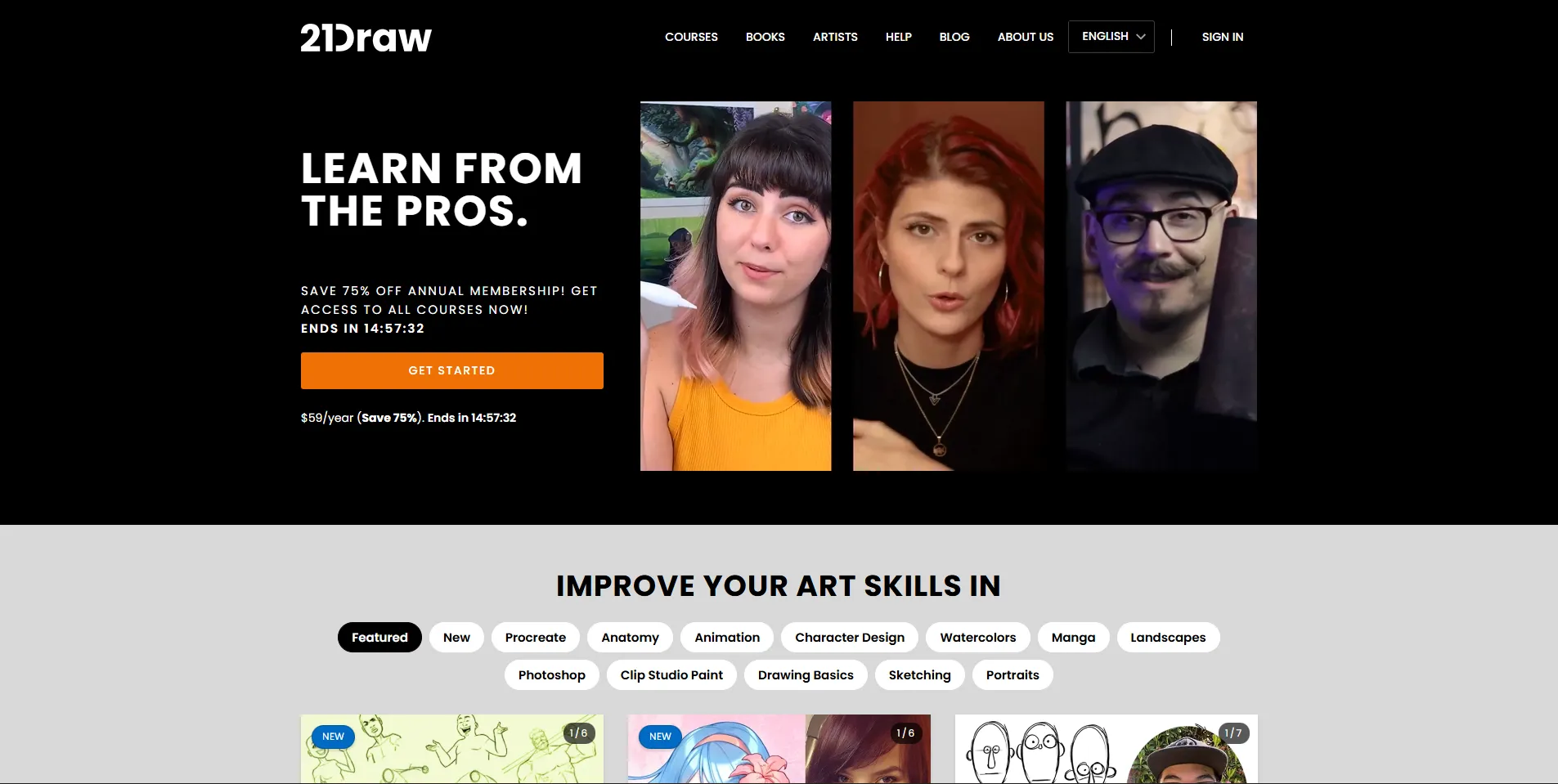
21 Draw offers 70+ illustration courses from Disney, Marvel, and Pixar artists at $59/year. Honest review of pricing, course quality, and who it suits.
View details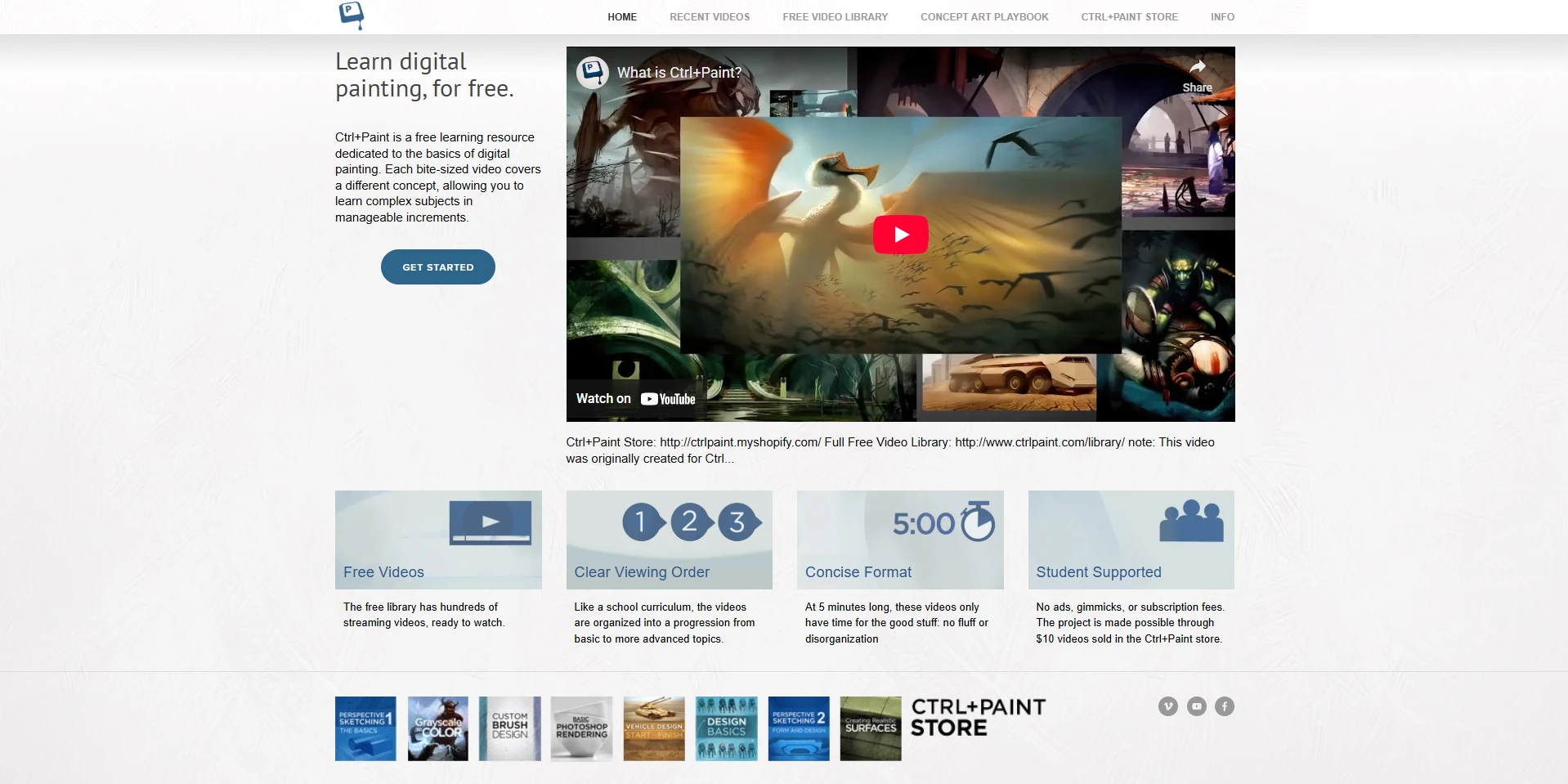
Ctrl+Paint offers hundreds of free digital painting video lessons plus $10 premium courses. The best free starting point for digital artists.
View detailsExplore definitions from our glossary that connect to this course
Concept art is visual development art for games, film, and animation. Learn its history from Disney's Snow White to AI-assisted workflows in 2026.
Thumbnail sketches are small, rapid compositional studies that save time and prevent structural failures. Learn their history from Renaissance esquisses to concept art.
Read more about this topic on our blog
Game design is one of the most sophisticated visual arts of the 21st century. Discover how environmental storytelling and visual world-building make games fine art.

How video games became a serious visual art form: from the painterly worlds of Journey and Shadow of the Colossus to Elden Ring's gothic mythology. A guide to game art direction, concept art, and what makes interactive visuals different.
If you want to know whether your portfolio can survive a real studio art director's review, Brainstorm School will tell you. Founded in Burbank, California in 2014 by concept art veterans with experience at Disney, DreamWorks, Blizzard, Riot Games, and ILM, Brainstorm runs live online courses that function less like traditional classes and more like simulated studio production environments. You get weekly assignments, live critique from working professionals, and feedback that evaluates your work against actual hiring standards rather than academic benchmarks.
The school has grown to employ 22 people and operates in 5 countries including Australia, Singapore, France, and Colombia. But the core proposition has not changed: working industry professionals teaching the specific skills that get artists hired at entertainment studios, with enough pressure to reveal whether you can produce under deadline conditions.
Brainstorm courses run in live, term-based formats. Flash courses last 5 weeks at 2 hours per week. Standard courses run 10 weeks at 3 hours per meeting. All sessions are conducted live in an online meeting room, which means you need to be present at scheduled times. This is not a self-paced platform where you watch pre-recorded videos whenever you feel like it.
The Summer 2026 term includes courses like:
The course catalog rotates by term, with registration opening before each season. Check the Brainstorm School shop for current offerings and availability.
The core of Brainstorm's educational model is its weekly critique sessions. Students submit work that instructors review through the lens of actual production requirements. Does this concept painting communicate clearly to a 3D modeler? Does this character design read at silhouette scale? Does this environment establish mood and narrative context efficiently?
This is fundamentally different from the aesthetic feedback you get in traditional art education. Studios hire artists who can contribute to production pipelines, not artists who make impressive standalone paintings. Brainstorm's critique methodology trains you to think in terms of functional creative assets, which is the specific mental shift that separates hobbyists from working professionals.
The instructors maintain active professional connections throughout the entertainment industry. Students who demonstrate exceptional talent and work ethic sometimes receive direct referrals, portfolio reviews with art directors, and introductions to hiring managers. This informal networking has launched careers, though it is not a guaranteed outcome of enrollment.
Brainstorm is built for intermediate to advanced artists who already have solid drawing and painting fundamentals. The courses assume baseline artistic competency and focus on developing specialized entertainment industry skills. If you cannot already construct a figure in perspective and render basic form, you will struggle here.
The ideal Brainstorm student falls into one of these categories:
Who should avoid Brainstorm: Complete beginners. If you are just starting out, spend $59 on a 21 Draw membership or work through Ctrl+Paint's free library first. Brainstorm's courses are too expensive and too fast-paced for someone who is still learning to draw.
At $800 to $1,200 per course, Brainstorm is a significant financial commitment. But the return on investment is measurable in concrete terms: portfolio pieces that meet studio standards, professional feedback that identifies exactly what is holding your work back, and industry connections that can lead directly to job opportunities.
Every Brainstorm course is structured to produce portfolio-quality work. Course assignments are designed as portfolio pieces rather than practice exercises, which means you emerge from each course with tangible, professional-level work that strengthens your job applications. Instructors provide specific guidance on portfolio construction: which pieces to include, how to organize presentations, what art directors look for in different specializations, and how to tailor portfolios for specific studios.
Brainstorm School is the most direct educational path to employment in entertainment concept art and visual development. The combination of working professional instructors, live production-focused critique, portfolio-oriented assignments, and industry networking makes it the strongest online option for intermediate to advanced artists who are serious about studio careers.
It is not cheap, and it is not for beginners. But if you have the fundamentals and the work ethic, and you want to close the gap between where you are and where studios are hiring, browse the current course catalog and commit to a term. The artists who get the most out of Brainstorm are the ones who treat it like a studio job: show up on time, hit every deadline, and use the critique to fix what is not working.
Quiet Canvas is a space for artists and art lovers: essays, glossary terms, tools, and curated directories to support your creative practice.
Learn more →


