
Game Design as Art: Environmental Storytelling and Visual World-Building
Game design is one of the most sophisticated visual arts of the 21st century. Discover how environmental storytelling and visual world-building make games fine art.
Your cart is empty
Browse the store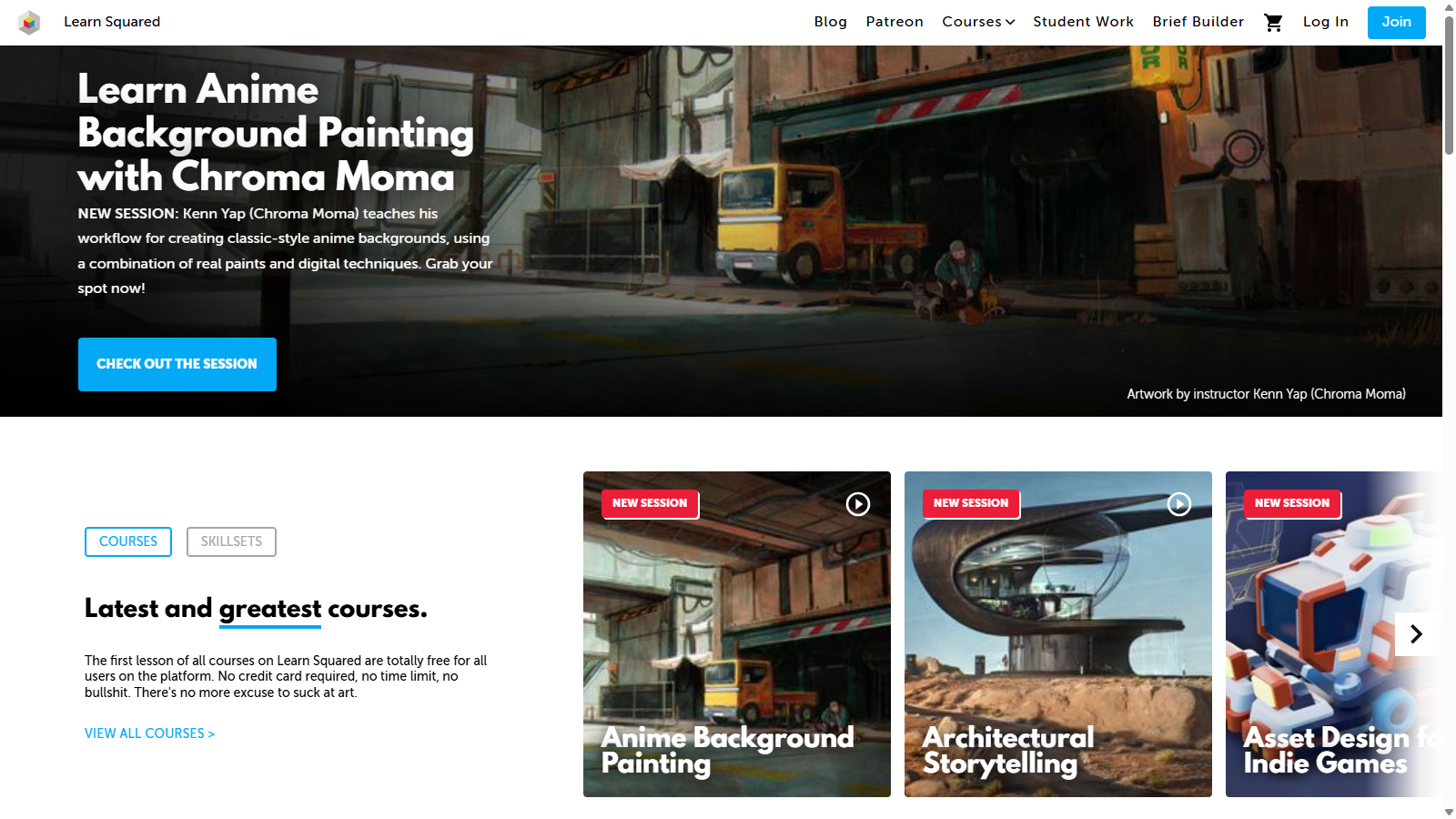
Project-based concept art and entertainment design courses from working industry artists like Maciej Kuciara, with lifetime access and no subscription.
Last updated on November 15, 2026
Discover other art courses you might be interested in
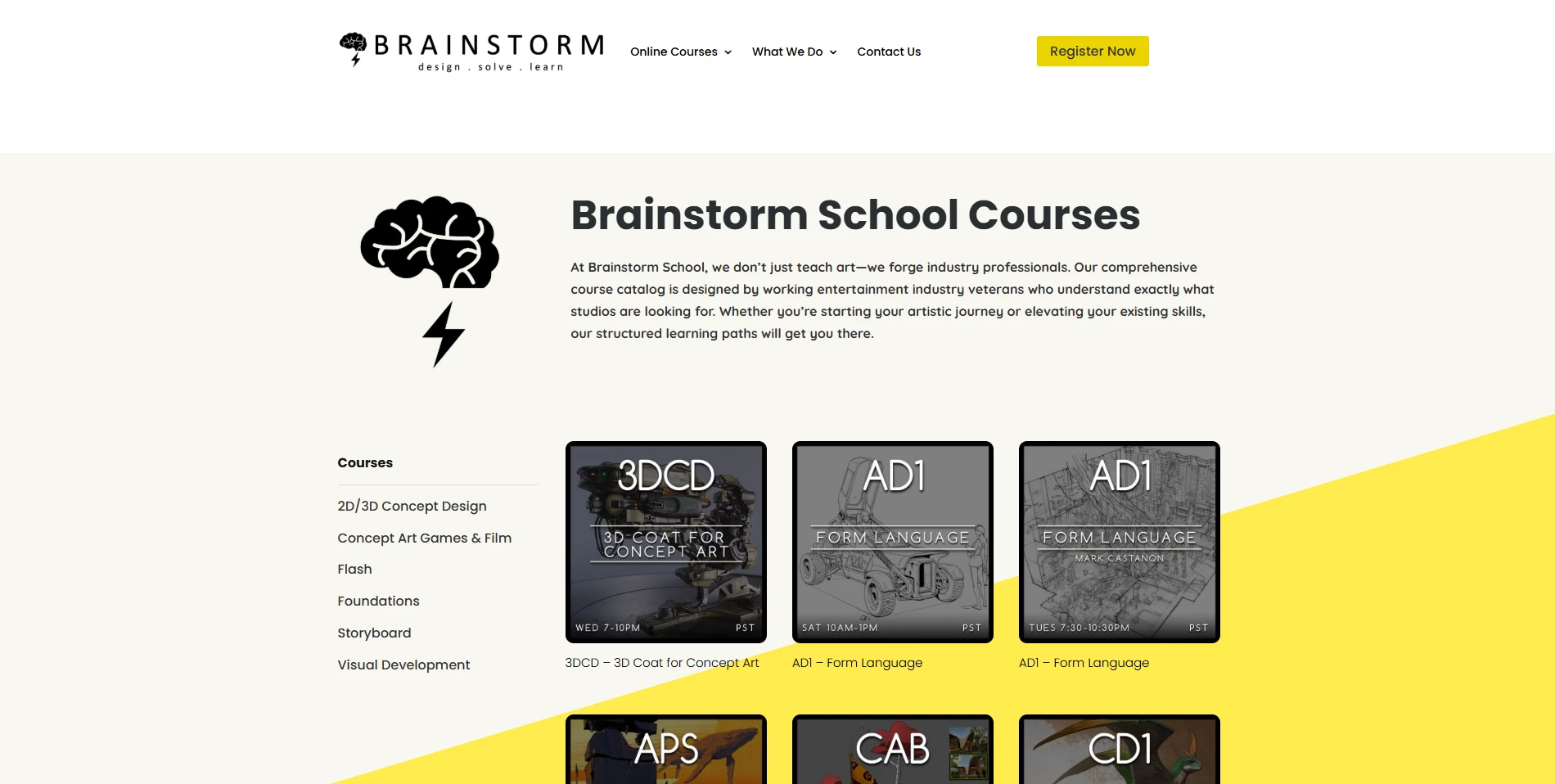
Brainstorm School teaches live online concept art courses from working studio artists. 10-week terms, $800-$1,200 per course. Honest review inside.
View details
CGMA offers 8-week concept art courses from working studio artists at $699 per course. Honest review of tracks, instructors, and career outcomes.
View detailsExplore definitions from our glossary that connect to this course
Concept art is visual development art for games, film, and animation. Learn its history from Disney's Snow White to AI-assisted workflows in 2026.
Thumbnail sketches are small, rapid compositional studies that save time and prevent structural failures. Learn their history from Renaissance esquisses to concept art.
Read more about this topic on our blog
Game design is one of the most sophisticated visual arts of the 21st century. Discover how environmental storytelling and visual world-building make games fine art.

How video games became a serious visual art form: from the painterly worlds of Journey and Shadow of the Colossus to Elden Ring's gothic mythology. A guide to game art direction, concept art, and what makes interactive visuals different.
Most online art courses are taught by teachers who paint. Learn Squared courses are taught by artists who shipped the movies and games you own. Co-founder Maciej Kuciara worked on The Last of Us, Avengers, and Ghost in the Shell. Guest instructors include Weta Workshop costume designers and Blizzard environment painters. When they record a course, you are watching an actual production workflow, files included, not a simplified classroom demo.
The platform launched in 2015 with a simple pitch: skip the art school debt, watch a professional do the job, then do the same job yourself with their project files. It now hosts around 30 courses covering environments, characters, matte painting, motion design, and visual effects.
Everything on Learn Squared is a one-time purchase with lifetime access. There is no subscription and no content expires:
Every course unlocks its first lesson free, and on flagship courses that is not a teaser. Intro to Environment Painting gives away 19 free videos, nearly four hours of instruction, before asking for a cent.
Each course follows a single project from brief to finished portfolio piece. You watch the instructor work through thumbnailing, research, 3D blockout, paintover, and polish, then you repeat the same stages on your own brief with the downloadable project files. Assignments at the end of each lesson keep the pace honest.
This is where Learn Squared differs from a video library. The homework structure pushes you to produce a finished piece, and the student showcase is genuinely impressive, which is the point: the company treats student work as its best advertisement.
The catalog is entertainment-only. If you want oil painting, watercolor, or traditional figure work, New Masters Academy or Watts Atelier are better fits. Learn Squared assumes you already draw; several courses assume you also own expensive software. Environments courses lean on Cinema 4D, Daz 3D, Maya, or Octane, which can add real cost if you do not already have them.
There is no live feedback at the base price. Compare that with CGMA, where cohort-based courses with instructor critique run several hundred dollars more, or Brainstorm School, which also teaches live. If you need someone to tell you what is wrong with your painting, Learn Squared alone will not do it.
Course quality also tracks the individual instructor. Kuciara's flagship courses are dense and meticulous. A few guest courses are lighter and assume more prior knowledge than the "supports all skill levels" label implies.
Start with the free first lessons before paying anything. They are long enough to judge whether an instructor's pace clicks with you. Watch the software requirements line on each course page; a $55 course that needs a $20-per-month Daz subscription is not a $55 course. Sales run often enough that paying list price is rarely necessary, and bundles stack the per-course cost down further.
If you are building a portfolio for games or film, pair an environment course with a figure drawing practice elsewhere. Proko covers the figure side Learn Squared deliberately ignores, and programs like ArtCenter look for both.
Learn Squared markets itself through its student gallery, and unusually for a training site, the work shown actually holds up. Finished pieces from the environment and character courses regularly look like they came out of a working studio, which is the strongest evidence the homework structure works. Students who post their finished projects also get visibility, since the showcase circulates in industry-adjacent feeds.
The community around the platform is smaller than the Discord behemoths run by bigger schools, but the signal-to-noise ratio is better. People there are shipping portfolio pieces, not collecting courses.
The site tags courses by difficulty and lets you filter by skillset and software. Trust the software filter more than the difficulty tag. "Beginner" on Learn Squared means a motivated artist with functioning digital painting skills, not someone opening Photoshop for the first time. Absolute beginners should put in a few months with a fundamentals course elsewhere first.
Working illustrators and designers who want entertainment-industry skills at hobbyist prices, and students assembling concept art portfolios without paying art school tuition. For a more guided experience with critique, spend more on CGMA. For the same material cheaper, Learn Squared is hard to beat.
Hand-picked matches from our other directories

The Character Design Challenge is the internet's largest monthly character contest: 25,000+ members submit designs each month on Facebook, judged by guest industry professionals since 2015.
View details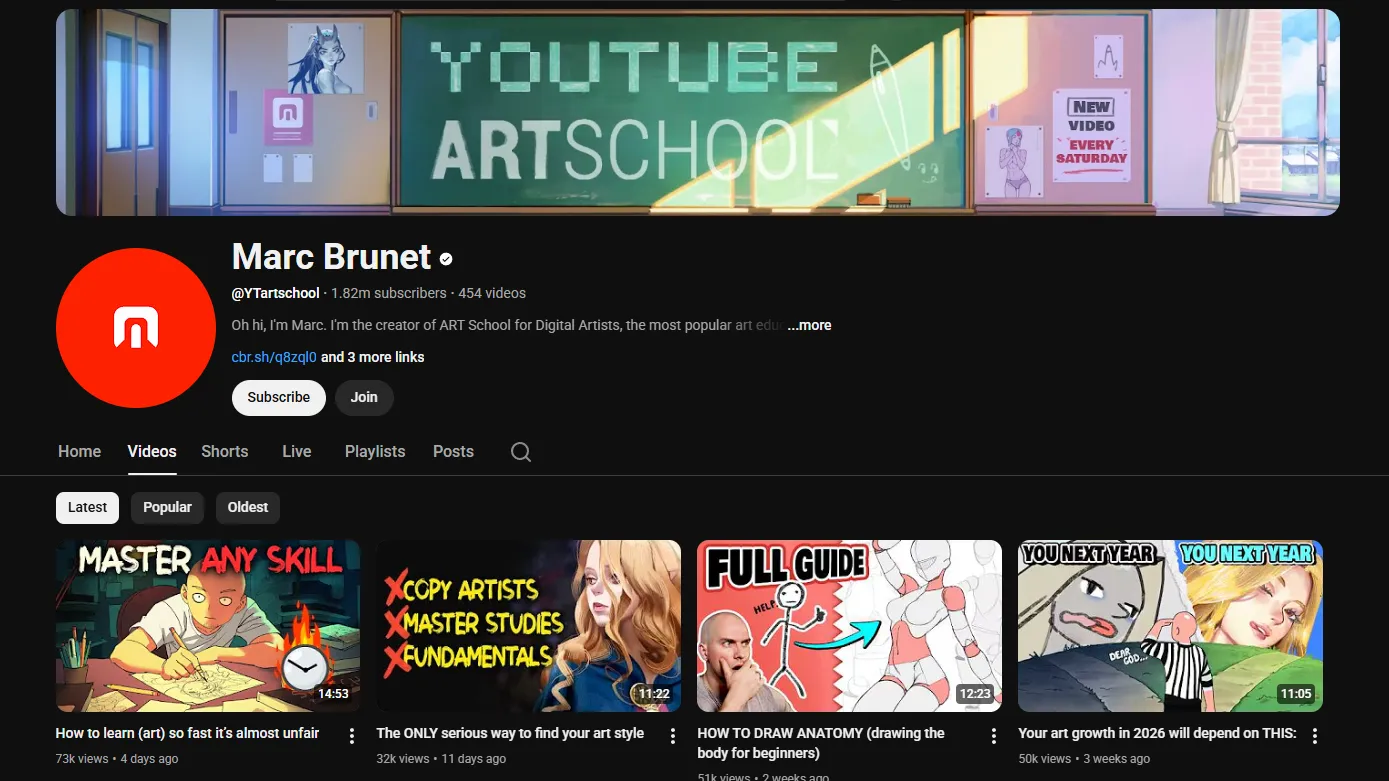
Former Blizzard senior artist Marc Brunet teaches professional concept art techniques and career strategies to 1.87 million YouTube subscribers.
View details
Concept art is visual development art for games, film, and animation. Learn its history from Disney's Snow White to AI-assisted workflows in 2026.
View detailsQuiet Canvas is a space for artists and art lovers: essays, glossary terms, tools, and curated directories to support your creative practice.
Learn more →