
The History of Digital Art: From Pixel to Prompt
Trace digital art from 1960s plotter drawings to AI image generation. This complete history covers every landmark moment in creative computing and digital making.
Your cart is empty
Browse the store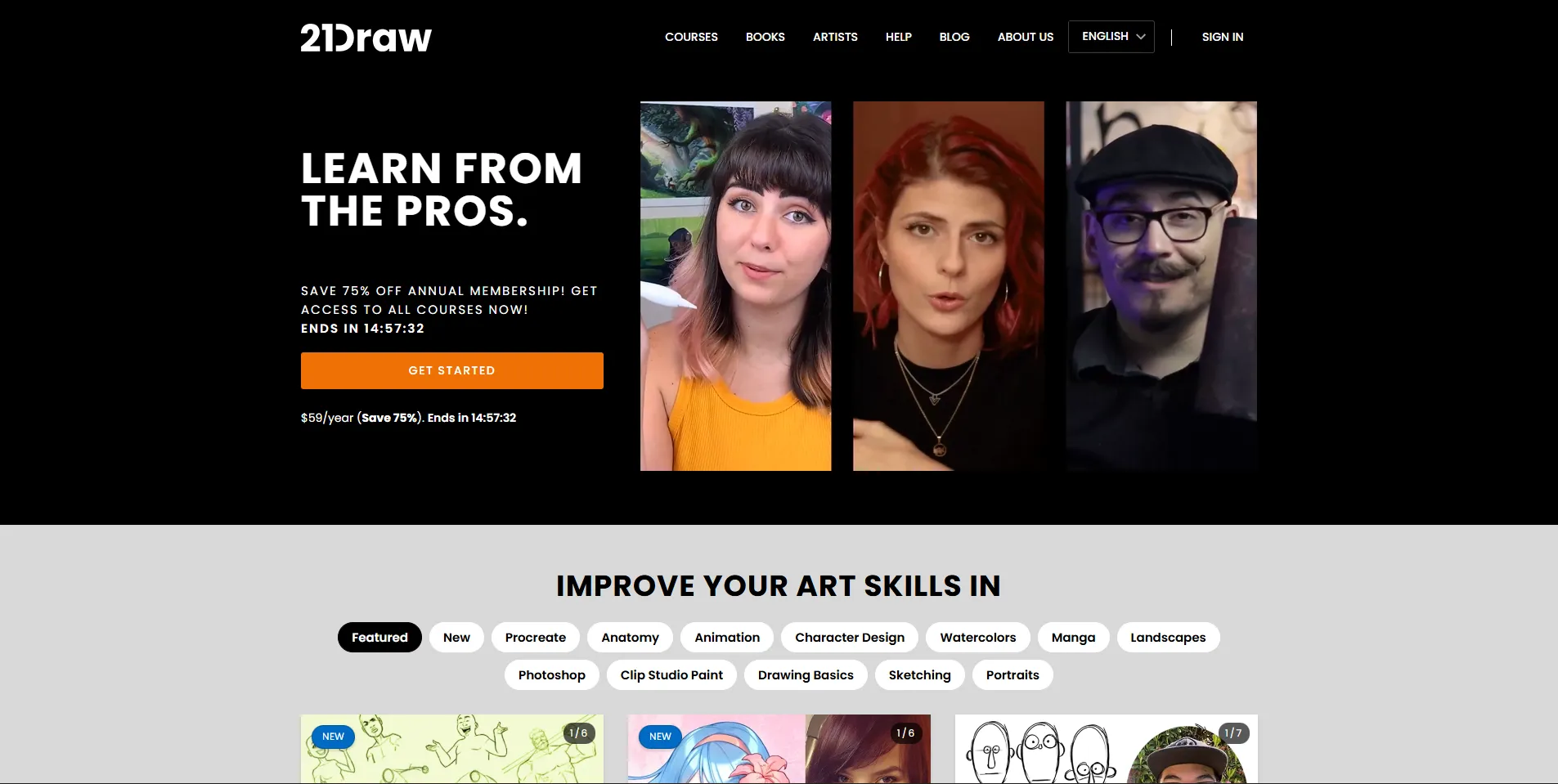
21 Draw offers 70+ illustration courses from Disney, Marvel, and Pixar artists at $59/year. Honest review of pricing, course quality, and who it suits.
Discover other art courses you might be interested in
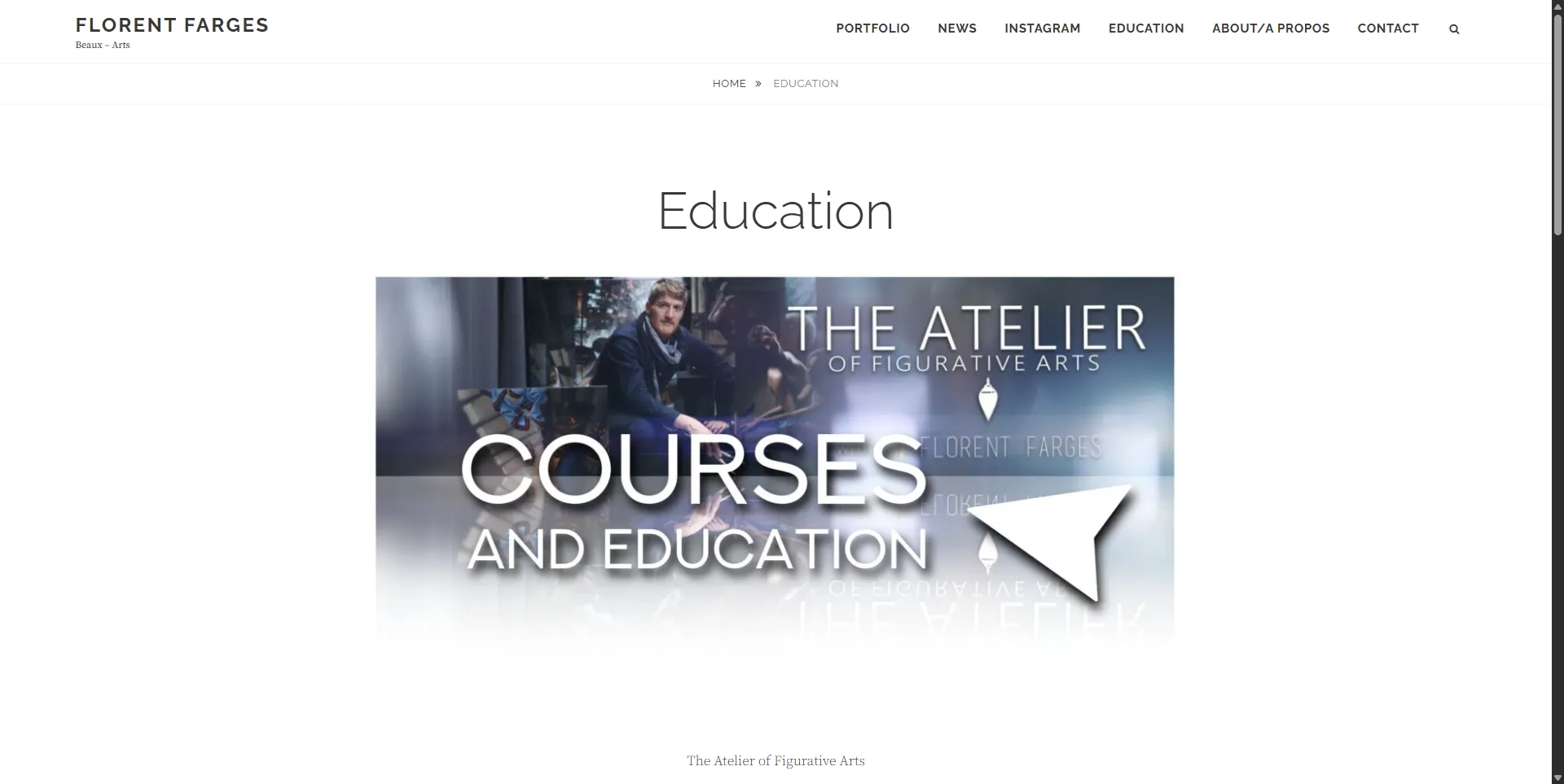
French classical realist painter Florent Farges teaches oil painting, portrait, and figure work through structured online courses grounded in the academic tradition of the French ateliers.
View details
Watts Atelier Online offers 60+ classical art courses at $79-129/month. Structured atelier training with critiques. Honest review of value.
View detailsExplore definitions from our glossary that connect to this course
3D modeling is the process of creating three-dimensional objects in digital space. Learn its history from the 1975 Utah teapot to Meta's SAM 3D and Roblox's AI Build in 2026.
Browser art is art made with or for web browsers. Learn its history from early net art to WebGPU generative works commissioned by the Whitney Museum in 2026.
Read more about this topic on our blog
Trace digital art from 1960s plotter drawings to AI image generation. This complete history covers every landmark moment in creative computing and digital making.

A practical comparison of Procreate, Photoshop, and Illustrator for digital artists. Learn what each tool does best, the raster vs vector distinction, and how to choose the right one for your specific workflow.

Discover how visual artists use code as a creative tool. A practical guide to p5.js, Processing, and openFrameworks with real examples and first steps.
You can spend $699 on a single 8-week concept art course at CGMA, or you can pay $59 for a full year of access to 70+ courses taught by artists who have worked at Disney, Marvel, DC, DreamWorks, and Pixar. That is not a typo. 21 Draw has built its entire model around the idea that professional-level illustration instruction should not require a second mortgage.
The question is whether that price point reflects genuine value or just a budget education with a glossy marketing veneer. After digging through the course catalog, instructor credentials, and platform features, the answer is more nuanced than you might expect.
The platform provides pre-recorded video courses across character design, digital illustration, comic art, concept art, and visual development. Each course contains 10 to 20 video lessons averaging about 7 minutes each, which means you are getting bite-sized instruction rather than long-form lectures. Most courses include exercise sheets, assignments, and layered PSD or PNG files so you can deconstruct the instructor's working files.
The annual membership runs $59/year (regularly listed at $235, but the discount has been running consistently enough that it functions as the real price). Individual courses cost around $25 each if you prefer to buy a la carte. A 30-day money-back guarantee backs both options, which removes most of the financial risk.
New courses are added to the library regularly, and members get access to everything as it drops. The platform also runs occasional bonus live sessions that are free for enrolled students.
If there is one subject where 21 Draw punches above its weight class, it is character design. The character design courses teach the full pipeline from initial concept sketches through polished, presentation-ready designs. Instructors cover anatomy specifically for illustrators, which means you learn the structural knowledge needed to build convincing figures without drowning in the kind of medical-grade anatomy that makes beginners quit.
The courses address expression and gesture in practical terms: how to convey personality through pose, how costume choices communicate identity, and how to push proportions to create characters with visual personality rather than generic mannequins. The instructors consistently push students toward developing a personal voice rather than copying a single style, which is the right instinct for anyone who wants to stand out in a competitive market.
For comic artists, the sequential art courses cover panel composition, visual storytelling, and lettering integration. The instruction on pacing through panel size and arrangement is solid, though it does not go as deep as a dedicated comics program would. Think of it as a strong starting point rather than a complete comics education.
21 Draw offers courses in concept art and visual development that cover environment design, prop design, and world-building for games, film, and animation. The instructors are working professionals who share insights into what studios actually look for in portfolios, which is the kind of information that usually costs significantly more to access.
That said, these courses sit at a beginner-to-intermediate level. If you are already working as a concept artist and looking to level up to senior or lead positions, the depth here will not challenge you. Compare this to Brainstorm School, where working professionals teach intensive 10-week courses with live critique sessions at $800 to $1,200 per term. Brainstorm is the better choice for artists who already have fundamentals and want production-level training. 21 Draw is the better choice for artists who are still building those fundamentals.
The instructors on 21 Draw are genuinely working professionals. They teach the workflows and techniques they use in their own practice, not recycled academic exercises. The video quality is solid, with clear demonstrations you can follow along with at your own pace.
However, the short lesson format (7 minutes average) means you are getting focused, modular instruction rather than the deep, sustained exploration you would get from a longer course. This is a tradeoff. It makes the content easy to fit into a busy schedule and simple to revisit specific concepts, but it also means that complex topics get compressed. If you need a 3-hour deep dive on color theory, you will find more comprehensive options on Ctrl+Paint or through Domestika courses that run 2 to 6 hours on a single subject.
A few practical observations that will save you time and money:
If you are an advanced artist looking for specialized, production-level training with live feedback from industry art directors, 21 Draw is not built for you. The platform does not offer live critique sessions, portfolio reviews, or direct instructor interaction in the way that CG Spectrum or Brainstorm School do. The education is asynchronous and self-directed, which works well for motivated beginners and intermediates but falls flat for artists who need accountability and professional feedback to progress.
Similarly, if you are looking for a structured credential or diploma, 21 Draw offers certificates of completion but nothing that carries weight in the industry. The value here is in the skills you build, not the paper you print.
21 Draw is the best value in online illustration education for beginners and intermediate artists who are self-motivated. The combination of legitimate industry instructors, a broad course library, and a $59/year price point makes it nearly impossible to beat for what it offers.
It is not a replacement for intensive mentorship programs or live critique-based courses. It is a starting point, a reference library, and a low-risk way to explore different illustration disciplines before committing to more expensive specialized training. If you are picking up a digital stylus for the first time or looking to build foundational skills across character design, digital painting, and comic art without spending hundreds of dollars per course, start with the 21 Draw membership. You can always move on to more targeted programs once you know which direction you want to pursue.
Quiet Canvas is a space for artists and art lovers: essays, glossary terms, tools, and curated directories to support your creative practice.
Learn more →


