
Game Design as Art: Environmental Storytelling and Visual World-Building
Game design is one of the most sophisticated visual arts of the 21st century. Discover how environmental storytelling and visual world-building make games fine art.
Your cart is empty
Browse the store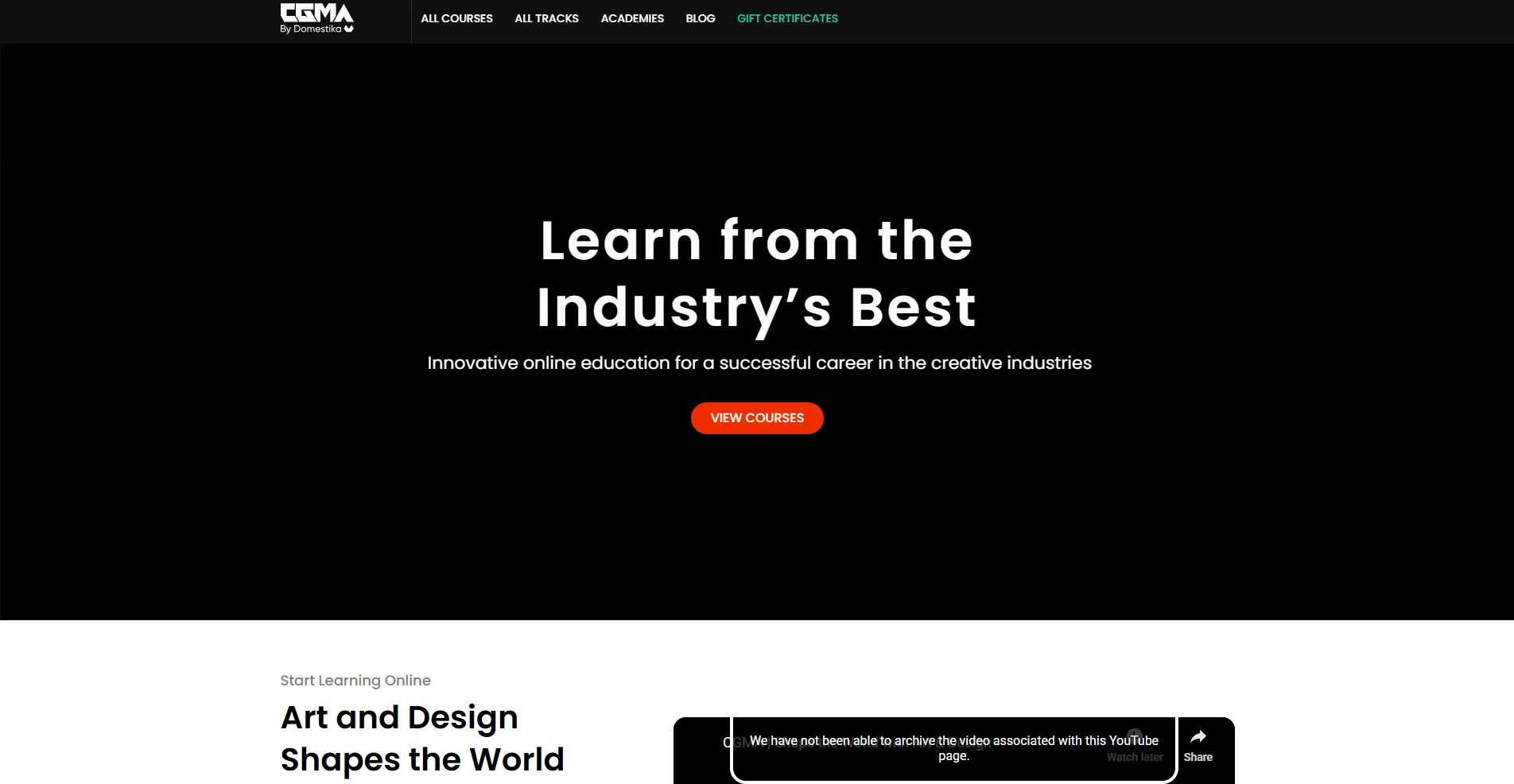
CGMA offers 8-week concept art courses from working studio artists at $699 per course. Honest review of tracks, instructors, and career outcomes.
Discover other art courses you might be interested in
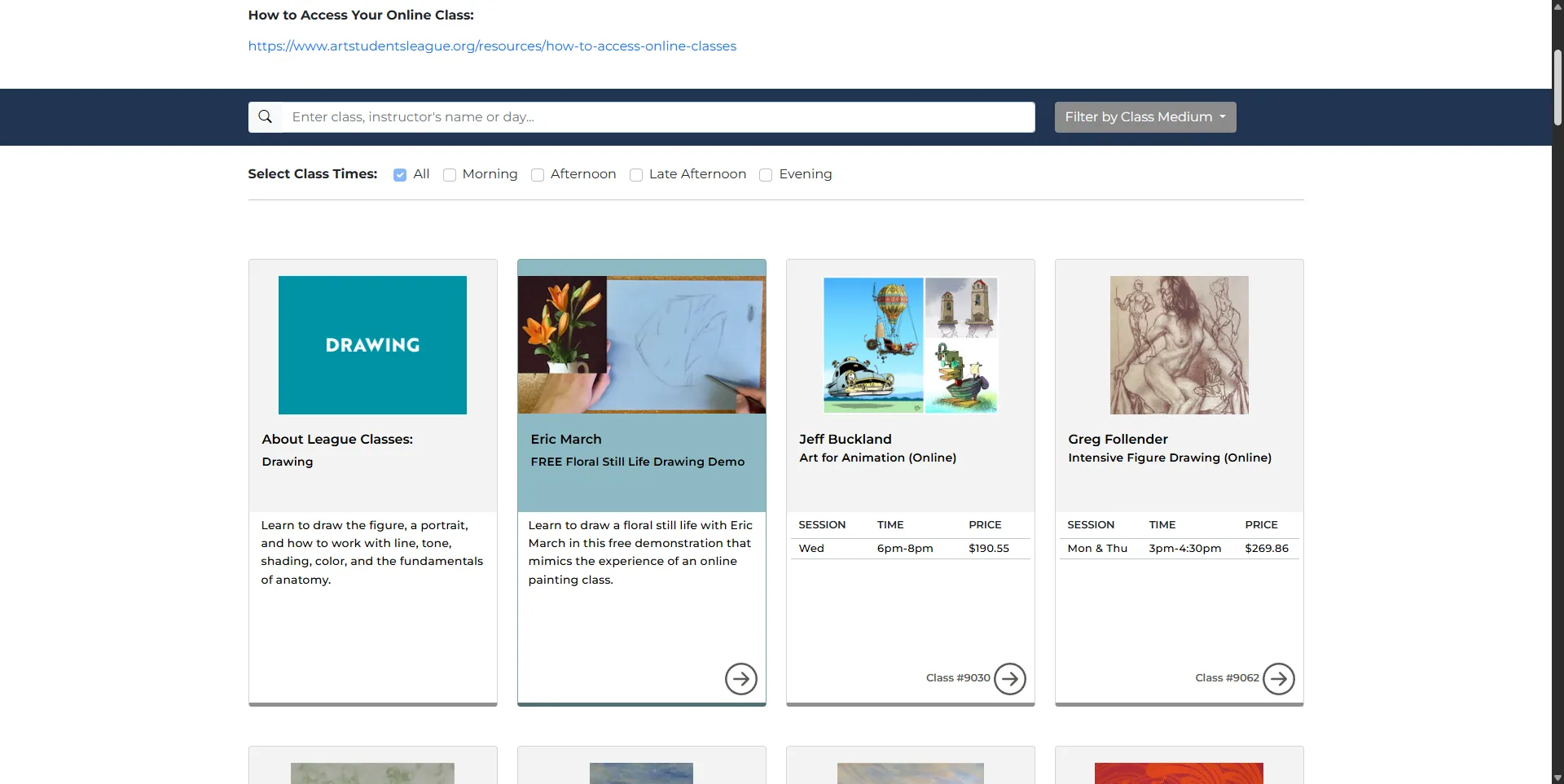
150-year-old NYC art school with no admissions requirements, monthly enrollment, and classes from $195/month. Honest review of the League experience.
View details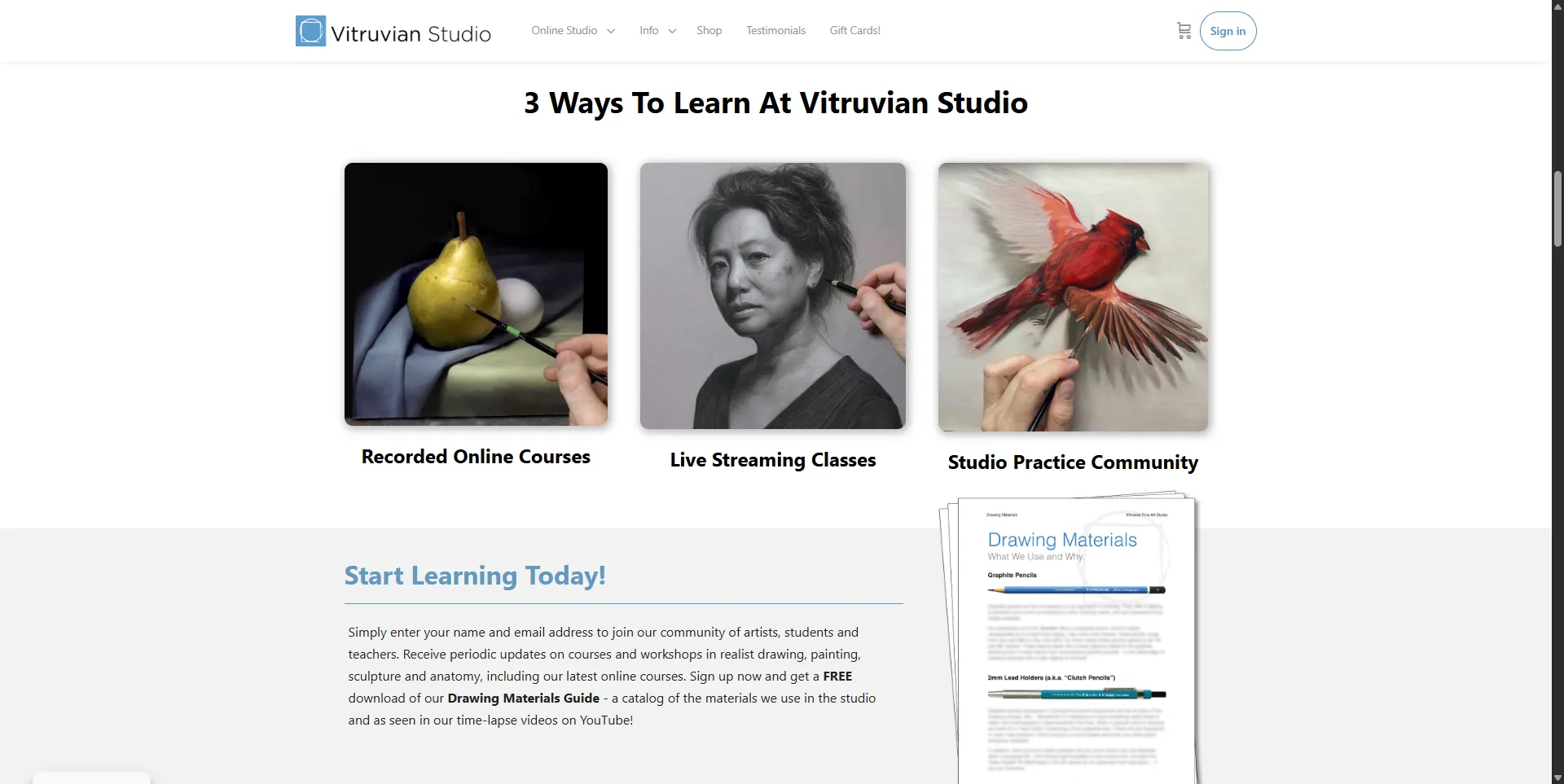
Vitruvian Studio offers classical atelier training online. Courses at $85-200 each with lifetime access. Sight-size, cast drawing, oil painting. Honest review.
View detailsExplore definitions from our glossary that connect to this course
Concept art is visual development art for games, film, and animation. Learn its history from Disney's Snow White to AI-assisted workflows in 2026.
Thumbnail sketches are small, rapid compositional studies that save time and prevent structural failures. Learn their history from Renaissance esquisses to concept art.
Read more about this topic on our blog
Game design is one of the most sophisticated visual arts of the 21st century. Discover how environmental storytelling and visual world-building make games fine art.

How video games became a serious visual art form: from the painterly worlds of Journey and Shadow of the Colossus to Elden Ring's gothic mythology. A guide to game art direction, concept art, and what makes interactive visuals different.
$699 for an 8-week course is not cheap. But when the instructor reviewing your portfolio is a concept artist who currently works at Blizzard, Disney, or Riot Games, and when the feedback you receive is measured against the same standards they apply to job applicants at their studio, the math starts to make sense. That is the proposition behind CG Master Academy, and it has built a reputation as one of the most respected online platforms for entertainment industry concept art training.
CGMA is not a subscription library or a self-paced video platform. It runs structured 8-week terms with live weekly classes, assignment deadlines, and professional feedback. You are paying for accountability, structure, and direct access to working industry artists. The question is whether that structure justifies the price, especially when cheaper alternatives exist.
As of the Fall 2025 term, standard courses cost $699 for an 8-week course. Some specialized courses like Rendering for Concept Art run $749. CGMA offers payment plans: 3 payments of $233 or 2 payments of $349.50 for the standard $699 courses. A one-year access option for course recordings is available for $69 if you want to revisit material after the term ends.
Registration for the Fall 2025 term opened July 23, 2025, with courses beginning in early October. The 2026 term schedule includes Winter and Spring terms, with registration typically opening 2 to 3 months before each term starts.
The courses are not self-paced. You must register before the term begins, attend live weekly classes, and submit assignments on deadline. If you miss the registration window, you wait for the next term.
The single factor that separates CGMA from most online art education is the currency of its instruction. Instructors are actively working at major studios. When they teach character design, they are teaching methods they used last week on an actual project. When they review your portfolio, they evaluate it against the same standards they apply to applicants at their studio.
This matters because entertainment art evolves rapidly. Techniques, tools, and aesthetic expectations shift constantly. Instruction from professionals who left the industry years ago, however talented, reflects outdated practices. CGMA's commitment to employing currently active professionals ensures that what you learn is immediately relevant.
The instructors also bring insider knowledge about hiring practices that you cannot get from any other source. They know what studios look for in portfolios, what skills are in demand, what mistakes applicants make, and how to position yourself for specific roles. This career intelligence is woven throughout the instruction.
CGMA organizes its curriculum into specialized tracks that allow students to focus on specific career paths:
Character Design Track covers professional character design principles, advanced anatomy for character artists, creature and monster design, costume and prop design, and digital sculpting with ZBrush. Students learn to design characters that communicate personality, backstory, and narrative role through visual design alone.
Environment Design Track teaches environmental storytelling, architectural visualization, landscape painting, matte painting and digital compositing, and 3D environment creation. The instruction emphasizes both artistic vision and technical execution for production-ready environments.
Digital Painting Track develops core painting skills with advanced color theory, professional lighting techniques, composition and visual design, texture and material rendering, and personal style development. This track addresses the creative thinking that separates exceptional concept artists from competent ones.
3D Art Track covers professional 3D modeling, texturing, lighting, and rendering for film and game production, with industry-standard pipelines and workflows.
Additional electives include Composition for Concept Art and Illustration, Intro to Blender for Concept Art, Matte Painting and Concept Art for Production, and Rendering for Concept Art.
CGMA's 8-week term structure creates focused, intensive learning experiences with clear milestones. Each term begins with foundational concepts and progresses through increasingly complex applications, culminating in portfolio-quality pieces.
Weekly live classes provide real-time instruction, demonstration, and interaction with the instructor. Weekly assignment deadlines simulate the pace of professional production work, developing the discipline and time management that studio employment requires. Professional feedback on each assignment provides the specific, actionable guidance that drives improvement.
Courses are designed to build on each other systematically, allowing students to progress from foundational skills through specialization to advanced mastery over multiple terms. This progressive structure means you should plan to take several courses in sequence rather than picking one off and expecting to be job-ready.
CGMA's track record of graduate employment at major studios is one of its strongest selling points. Alumni are working at Blizzard, Disney, Riot Games, and other major entertainment companies. The program's reputation within the industry creates direct recruitment opportunities for current students.
The professional networks that students build during their courses (connections with instructors, fellow students, and the broader CGMA alumni community) provide ongoing career support that extends beyond graduation. However, CGMA does not offer formal job placement services the way CG Spectrum does with its career services team.
CGMA delivers concept art education that is as close to actual studio training as online education can provide. The combination of currently working professional instructors, intensive 8-week terms, professional-quality feedback, specialized career tracks, and strong employment outcomes creates an educational experience that genuinely prepares students for professional work in the entertainment industry.
It is not for beginners. The courses assume solid drawing and digital painting fundamentals, and the pace is demanding. If you are starting from scratch, build your foundations on 21 Draw or Ctrl+Paint first, then move to CGMA when you are ready for professional-level training with live feedback.
If you have the fundamentals and the budget, and you want to build a portfolio that meets studio hiring standards, browse the CGMA course catalog and plan a multi-term sequence in your chosen specialization.
Quiet Canvas is a space for artists and art lovers: essays, glossary terms, tools, and curated directories to support your creative practice.
Learn more →


