Museo Reina Sofía: Guernica Alone Is Worth the €12
The Museo Nacional Centro de Arte Reina Sofía is Spain's national museum of 20th century art and the answer to the question of what happened to Spanish art after Goya. The answer, mostly, is Picasso, Dalí, and Miró, plus a century of artists the Franco period scattered, exiled, or silenced. The collection lives in a converted 18th century hospital, the Sabatini Building, expanded by Jean Nouvel in 2005 with a red-roofed plaza level that now houses contemporary galleries and one of Europe's best art bookshops.
General admission is €12, and the generous free-entry policy is the headline for budget travelers: free Monday and Wednesday through Saturday from 7 to 9 PM, and Sundays 12:30 to 2:30 PM. You still need a free timed ticket booked online; the evening windows are the ones that sell out first. Closed Tuesdays. Open Monday and Wednesday to Saturday 10 AM to 9 PM, Sundays 10 AM to 2:30 PM. Under-18s, over-65s, and students under 25 are free at all times at the ticket office.
Guernica and Room 206
Picasso's Guernica (1937) is in Room 206 on the second floor of the Sabatini Building, and it still stops the room. At 3.49 by 7.77 metres, it is a mural-scale indictment of the bombing of the Basque town during the Civil War, painted for the Spanish Republic's pavilion at the Paris World's Fair. It spent decades in exile at MoMA in New York because Picasso refused to let it return to Spain while Franco ruled. It came to Madrid in 1981 and to the Reina Sofía when the museum opened in 1992.
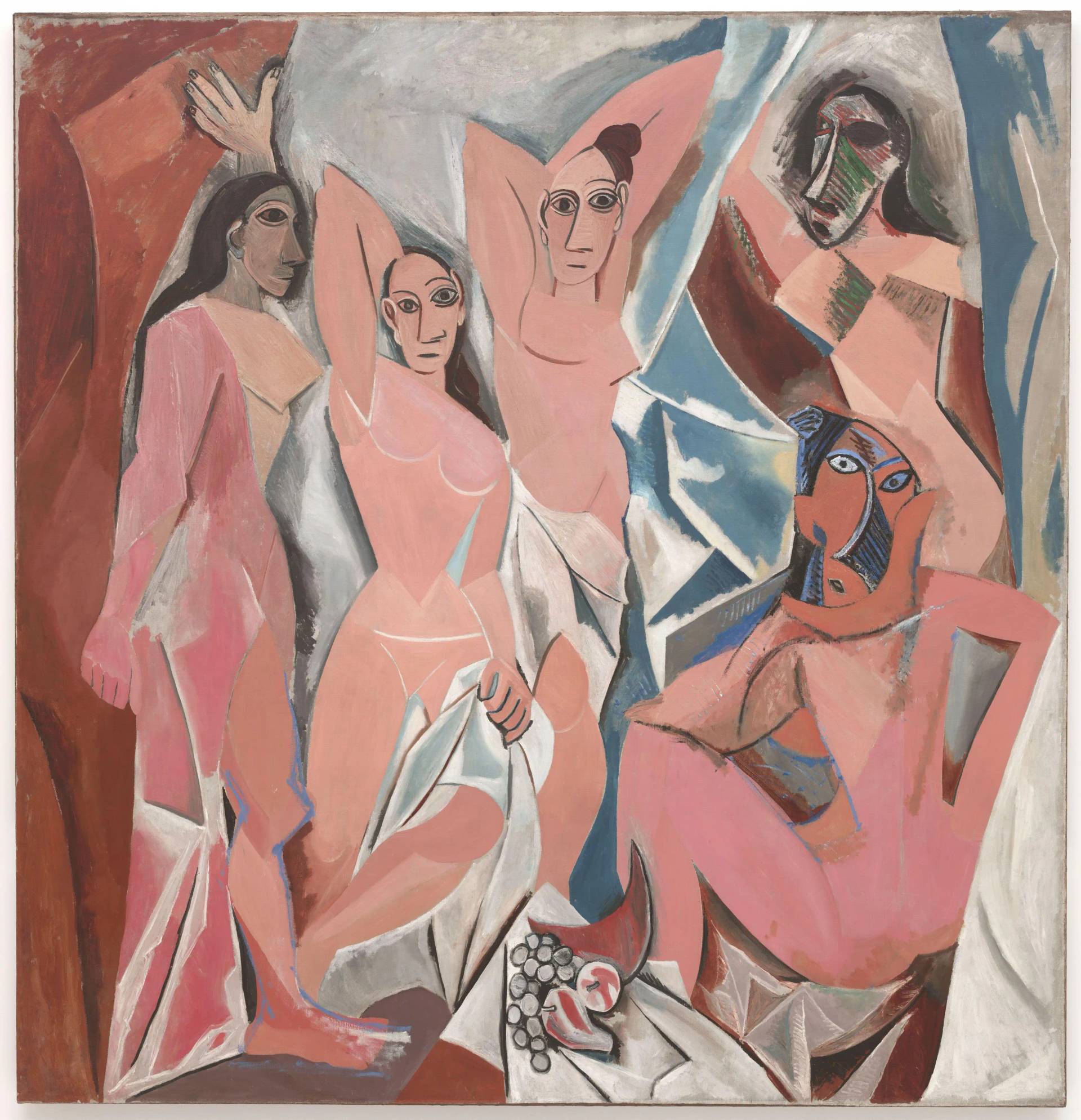
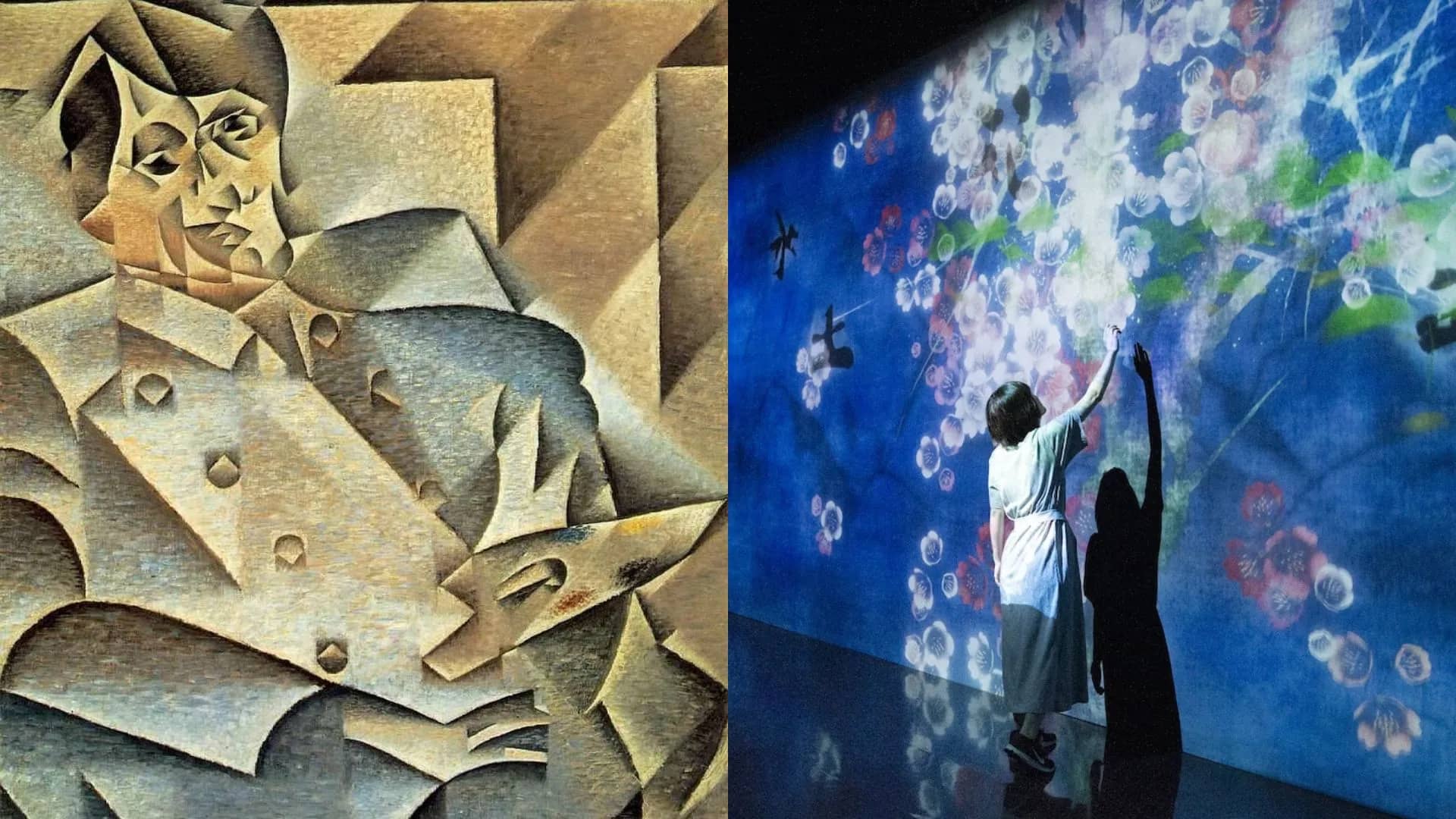
The surrounding rooms are essential context, not filler. Picasso's dozens of preparatory studies for Guernica hang nearby, letting you watch the composition being built. Dalí's The Great Masturbator and Face of the Great Masturbator, Miró's portraits and the deep group of his pre-war canvases, and Juan Gris's Cubist work fill out the floor. The curators place Guernica in dialogue with contemporaneous photography of the Civil War and with artists who responded to it later, from María Blanchard to Antoni Tàpies.
Beyond the Masterpiece
The fourth floor collection covers roughly 1975 to the present: Spanish post-Franco art, feminist practice, video, and the museum's recent push to restore women like Maruja Mallo and Ángeles Santos to the canonical story. The Nouvel Building hosts the major temporary exhibitions; the Palacio de Cristal and Palacio de Velázquez, two free satellite spaces in Retiro Park, show site-specific installations.
The library and archive, open to researchers, hold Spain's principal documentation of modern art. The museum shop on the plaza level is genuinely excellent for art books and unusual gifts.
Practical Playbook
Book online and enter via the Nouvel Building on Ronda de Atocha if you already have a ticket; the Sabatini entrance queues are longer. Weekday mornings, especially Wednesday through Friday between 10 AM and noon, give you the emptiest Room 206. The free evening windows are lively but concentrate crowds in the Guernica corridor.
The €18 two-visit ticket is the underrated option: it lets you return once within a year, which suits the size of the place better than the marathon single visit. An audioguide combo at €18 (or €6 standalone for the device) covers the second-floor collection in seven languages.
Compare it to the Thyssen up the street: the Thyssen is the survey, the Reina Sofía is the argument. Together with the Prado they make the Paseo del Arte triangle; the €32 combined pass covers all three within a year.
The Building and the Park Satellites
The Sabatini Building began as Madrid's general hospital, designed in the 18th century; the glass-and-steel lift towers bolted to the courtyard face are the tell. Nouvel's 2005 extension added the shaded plaza with its triangular red canopy, the auditorium, and the contemporary galleries. The museum's two Retiro Park satellites, the Palacio de Cristal (1887 glass pavilion) and Palacio de Velázquez, are free, a 15-minute walk away, and run site-specific installations that are often better than the main building's contemporary program. A Palacio de Cristal show plus a Retiro stroll is the best free art afternoon in Madrid.
Who Should Visit
Anyone who cares about 20th century art, Picasso, or the politics of the Civil War era. It is also the Madrid museum with the most generous free hours, so it is the easy pick for budget travelers and evening visitors. Skip it if you dislike modernist abstraction or if your Madrid window is so tight that the Prado and Thyssen already fill it; in that case you are making a defensible choice, not missing the point. Tuesday visitors, note: it is closed. Wednesday mornings are the sweet spot for an empty Room 206.