Centre Pompidou: Closed Until 2030, But Not Gone
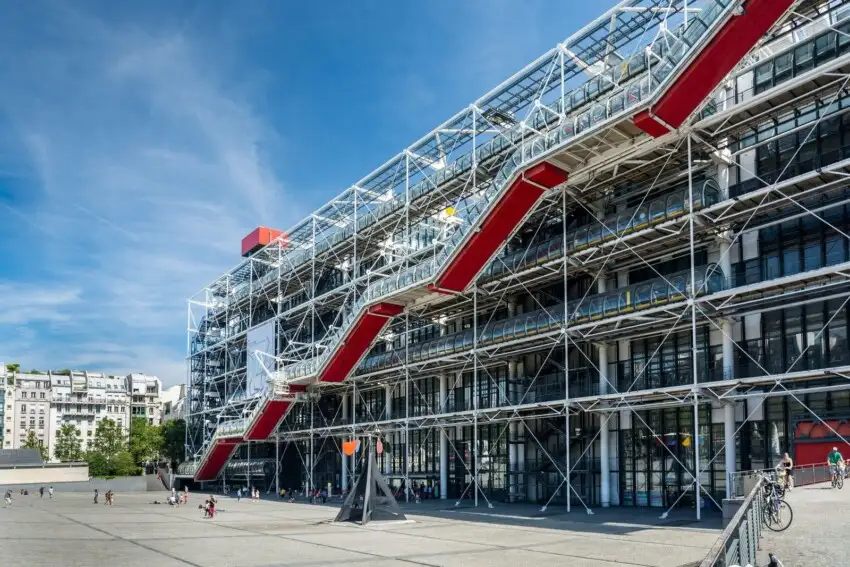
The Centre Pompidou closed its doors on September 22, 2025, and will not reopen until the second half of 2030. The building, designed by Renzo Piano and Richard Rogers and opened in 1977, is undergoing a five-year, 460 million euro renovation that will remove asbestos from the facade, treat corrosion on the main structure, improve accessibility, and completely redesign the interior. The renovation is led by Moreau Kusunoki (cultural component) and AIA Life Designers (technical component), in collaboration with Frida Escobedo Studio.
If you are planning a trip to Paris before 2030, you cannot visit the Centre Pompidou. But you can still see its collection. The museum has launched a Constellation program that disperses works from its 120,000-piece collection to partner institutions across France and internationally. The Musee National d'Art Moderne, housed inside the Centre Pompidou, remains the second largest modern art collection in the world after MoMA, and its holdings are being shown in venues from Shanghai to Amsterdam while the building is dark.
Why the Building Matters
The Centre Pompidou turned conventional architecture inside out. Structural elements, escalators, and utility systems are exposed on the exterior in color-coded pipes: blue for air, green for water, yellow for electricity, red for circulation. The interior was freed for completely flexible, open gallery space. When it opened in 1977, Parisians either loved it or hated it. Nearly 50 years later, it is one of the most recognizable buildings in the world, and the renovation will preserve its radical exterior while reconfiguring the interior to better serve contemporary exhibition needs.
The renovation also includes a new rooftop terrace with panoramic views over Paris, a redesigned Public Information Library (BPI), and a "New Generation" hub for younger audiences. The goal is to reopen in 2030 as a more porous, accessible, and environmentally conscious institution.
Where to See the Collection Now
While the main building is closed, the Centre Pompidou's collection is circulating through several channels:
Centre Pompidou-Metz (in Metz, 3.5 hours from Paris by train) continues to operate normally and is hosting exhibitions drawn from the collection, including a Maurizio Cattelan show through February 2026.
West Bund Museum in Shanghai is presenting a "Highlights of the Pompidou" exhibition as part of an ongoing partnership.
H'ART Museum in Amsterdam is showing a Constantin Brancusi exhibition.
The Grand Palais in Paris is receiving works for temporary exhibitions.
Centre Pompidou Francilien, a new facility in Massy (Essonne, 30 minutes from Paris via the forthcoming Line 18 of the Grand Paris Express), will open in spring 2027. The building, designed by PCA-Stream, will serve as a conservation and exhibition space. It will be unveiled to the public over three free festive weekends in October and November 2026.
The Brancusi Atelier
The reconstructed Atelier Brancusi, adjacent to the main building, preserves the studio of Constantin Brancusi exactly as the sculptor left it. This intimate space is normally one of the best things about visiting the Centre Pompidou, offering a rare glimpse into the working environment of one of modernism's most important sculptors. Check the Centre Pompidou website for whether the Atelier is accessible during the renovation period.
The Collection: What You Are Missing
The Musee National d'Art Moderne holds over 120,000 works spanning every major modern and contemporary art movement. Early Modern holdings include masterworks by Matisse, Picasso, Braque, Leger, Kandinsky, Mondrian, and Duchamp. The Surrealism collection features Dali, Magritte, Ernst, and Miro. Post-war holdings span Abstract Expressionism, Pop Art, Nouveau Realisme, Fluxus, and Arte Povera. Contemporary galleries showcase living artists working across painting, sculpture, video, photography, installation, and digital media.
The last temporary exhibition before closure was Wolfgang Tillmans: Nothing could have prepared us, Everything could have prepared us, a photography show spread across 65,580 square feet and conceived with the closure in mind. The Pompidou granted Tillmans space in the BPI to create a dialogue between his work and the library environment.
How It Compares
With the Centre Pompidou closed, the burden of modern and contemporary art in Paris falls on other institutions. The Musee d'Orsay covers the 19th century through early modern. The Musee de l'Orangerie holds Monet's Water Lilies in a dedicated space. The Musee du Quai Branly covers non-Western art and artifacts.
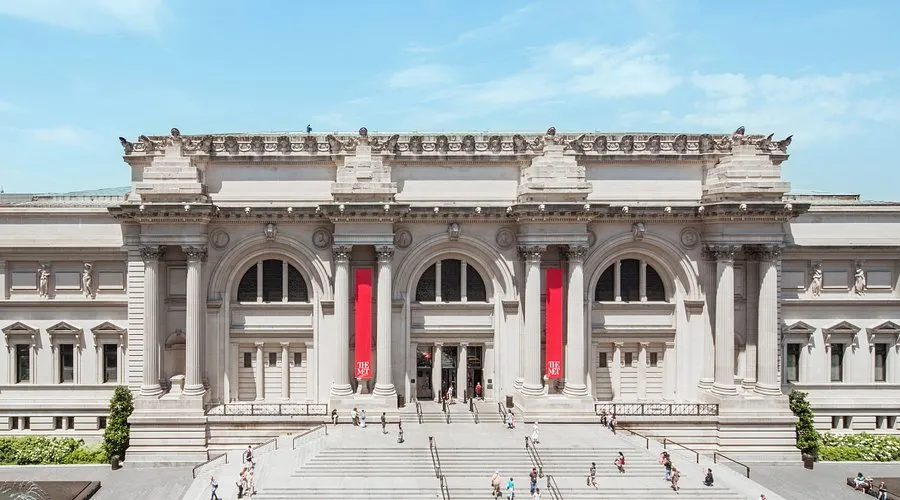
For modern art specifically, the Guggenheim Museum in New York and MoMA are the closest international peers. The Centre Pompidou's collection is larger than MoMA's, but MoMA is open and the Pompidou is not. If you are in Paris before 2030 and want modern art, check the Constellation program schedule or visit the Centre Pompidou-Metz.
Practical Information
Status: The main building at Place Georges-Pompidou is closed for renovation. Reopening planned for the second half of 2030.
Collection access: Check centrepompidou.fr for Constellation program exhibitions at partner venues.
Centre Pompidou Francilien: Opening spring 2027 in Massy, Essonne. Building unveiling October and November 2026.
Centre Pompidou-Metz: Open daily except Tuesdays. 1 parvis des Droits de l'Homme, Metz.
Final Verdict: Who Is This Actually For?
Right now, this page is for people planning a trip to Paris who need to know that the Centre Pompidou is closed. Do not show up at Place Georges-Pompidou expecting to see the collection. Instead, check the Constellation program for exhibitions at partner venues, or take the train to Metz to see Centre Pompidou-Metz. When the building reopens in 2030, it should be better than ever: asbestos-free, more accessible, with redesigned galleries and a new rooftop terrace. Until then, the collection lives on, scattered across the world.