Galleria Borghese: The Two-Hour Museum That Outclasses Half of Italy
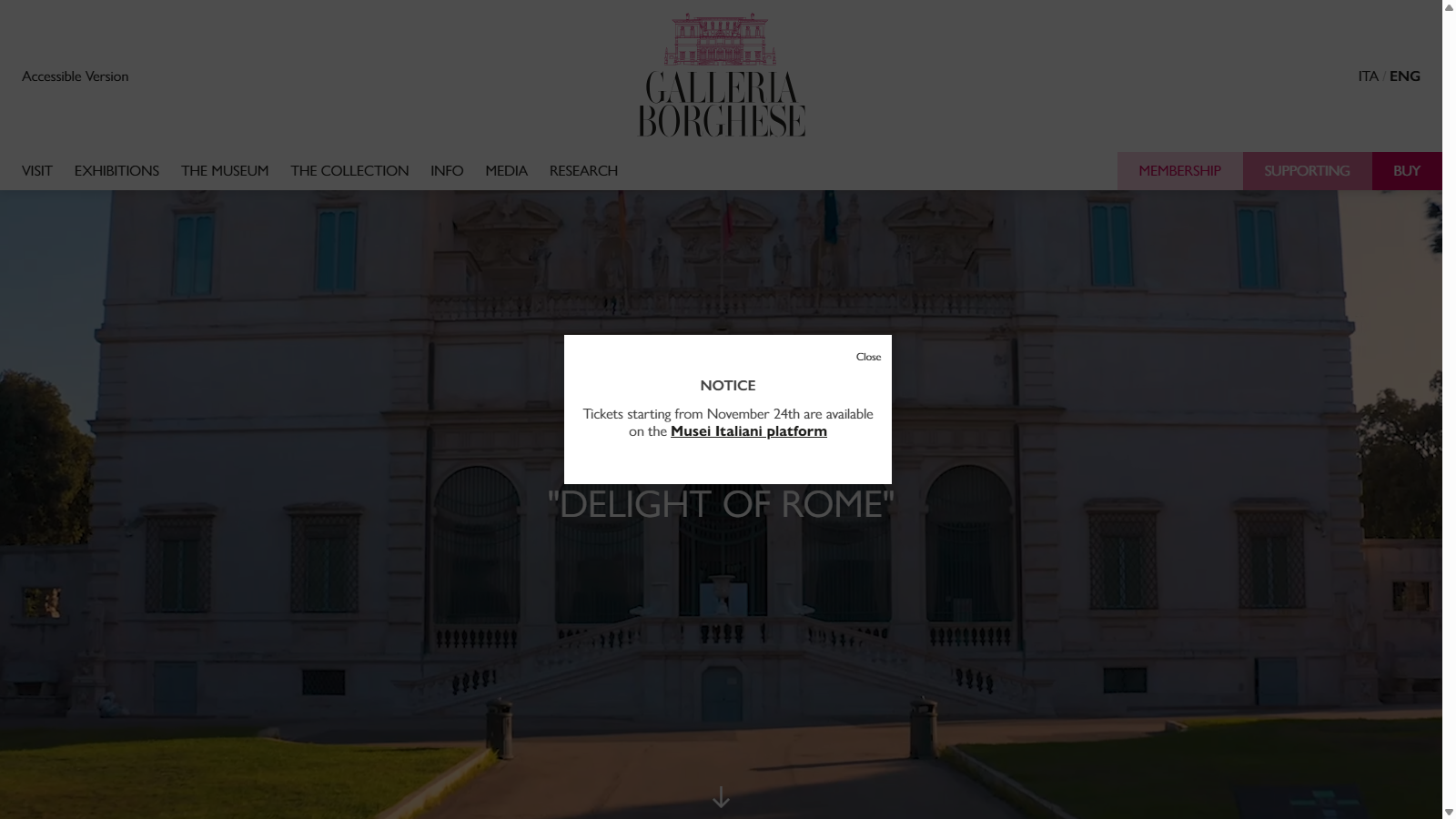
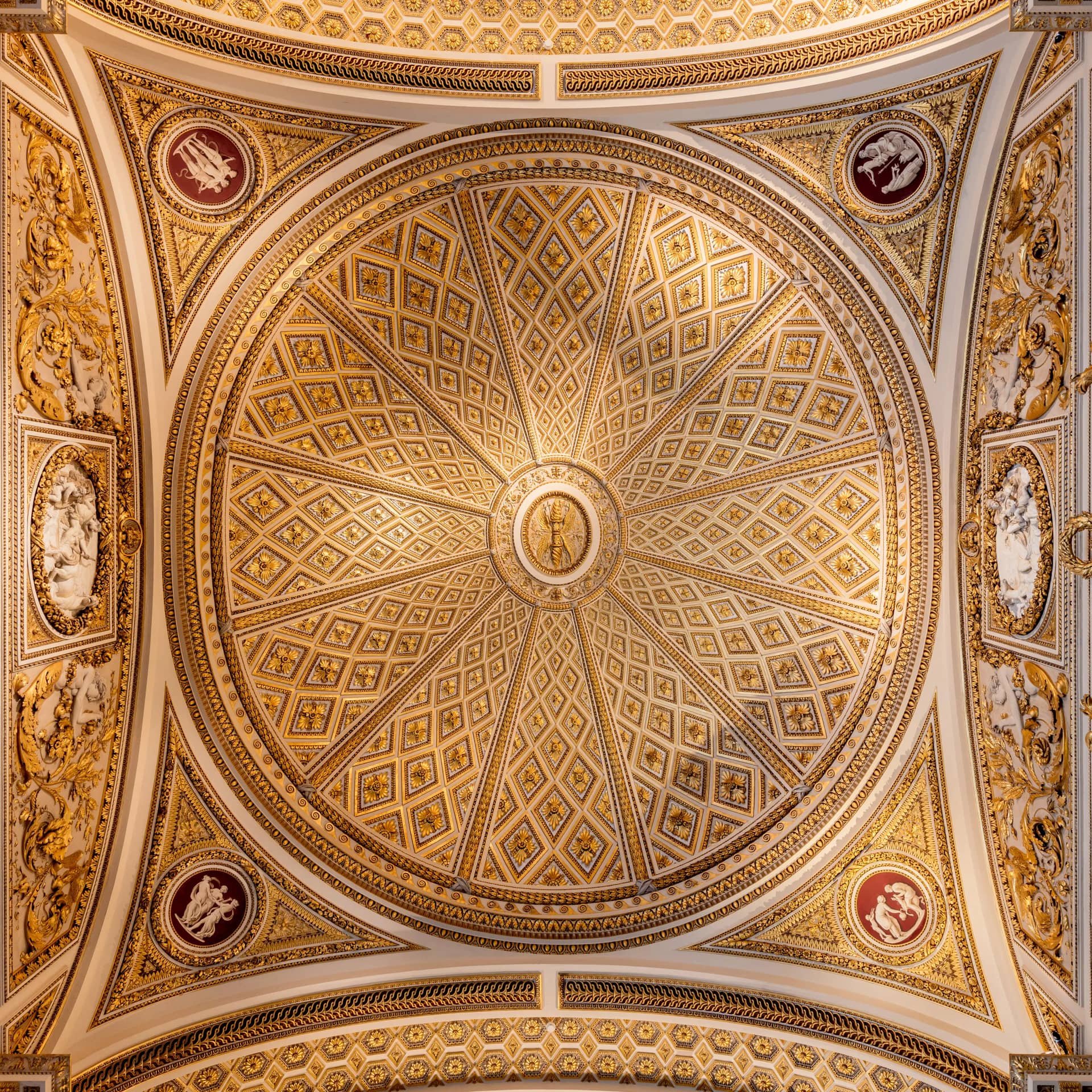
The Galleria Borghese in Rome's Villa Borghese park is the finest small museum in Italy. Twenty frescoed rooms in the casino built by Cardinal Scipione Borghese between 1613 and 1616 to show off the collection he amassed through patronage, purchase, and confiscation. It holds the most important group of Bernini sculptures anywhere and the best single-room assembly of Caravaggio in the world. There is no comparable concentration of Baroque genius in so small a footprint.
Access is strictly controlled: 180 visitors per timed two-hour slot, hourly entries from 9 AM to 5 PM plus a shortened 5:45 PM slot, closed Mondays. Full price is €16 plus the mandatory €2 reservation fee; the last slot is €11. EU citizens 18-25 pay €2. Under-18s are free. Every ticket, including free ones, requires a timed reservation; there is no such thing as a walk-in or a skip-the-line ticket. Peak dates sell out three to four weeks ahead, and in November you should still book at least a week out.
The Ground Floor: Bernini's Greatest Hits
Cardinal Borghese was Bernini's first great patron, and the cardinal's best commissions fill the ground-floor rooms. Apollo and Daphne (1625), carved when Bernini was 27, captures the exact instant Daphne's fingers become laurel branches and bark grows up her legs; it is the most technically impossible sculpture in Rome. David (1624) shows the figure mid-swing, wound like a spring, face contorted in effort; it is Bernini's answer to Michelangelo's civic David, in motion. The Rape of Proserpina (1622) has Pluto's fingers pressing into flesh in a way no other sculptor had attempted.
These were made to be walked around, and the two-hour slot gives you exactly the time to do it. The cardinal's ancient collection is still there too: floor mosaics of gladiators, the colossal heads, the third-century Hermaphrodite reclining on the mattress Bernini carved for it.
The Upstairs Pinacoteca: Caravaggio and More
The painting gallery holds six Caravaggios in close proximity, an unmatched set: Boy with a Basket of Fruit, David with the Head of Goliath (Goliath is Caravaggio's own face), Sick Bacchus, Saint Jerome Writing, John the Baptist, and the dramatic Madonna and Child with Saint Anne (Madonna dei Palafrenieri), which the Vatican rejected. This is as much Caravaggio as the Vatican Museums and the Capitoline hold combined, in rooms small enough to study the paintings.
Canova's Pauline Bonaparte (1808), the life-size marble of Napoleon's sister as Venus victorious, is the other headliner: polished flesh on cushions, holding the apple of the Judgement of Paris. Raphael's Deposition, Titian's Sacred and Profane Love, Correggio's Danaë, and Antonello da Messina's Portrait of a Man complete the Renaissance side. A serious art visitor will run out of the two hours before running out of things worth seeing.
Booking Strategy
Reserve through the official site or by phone at +39 06 32810. The 9 AM first slot is the best choice: emptiest rooms, best light in the sculpture halls, and you are done by 11 with the rest of the day free. Free-entry days (first Sunday monthly, plus April 25, June 2, November 4) release tickets 10 days ahead and evaporate in hours. Bags, backpacks, and suitcases go in the mandatory cloakroom; bring nothing bigger than a shoulder bag.
After your slot the surrounding Villa Borghese gardens are free and make the natural second half of the morning: rent a rowboat, walk to the Pincio terrace over Piazza del Popolo, or continue to the Galleria Nazionale d'Arte Moderna across the park.
What to Watch Out For
Two honest warnings. First, the two-hour limit is enforced: you are ushered out when your slot ends, so do not spend half your visit in the cloakroom queue or the bookshop before you have seen the upstairs. Second, the €2 booking fee applies even to free tickets, which annoys people expecting a true freebie; think of it as a compulsory reservation charge, not a price rise. The gallery also charges a small supplement during temporary exhibitions, so the €18 total can drift upward on the day. None of this changes the recommendation: the density of Bernini and Caravaggio here has no equal anywhere in the world.
Who Should Visit
Anyone who cares about sculpture, Bernini, Caravaggio, or Baroque art; there is no better place on earth for all three. It is also the ideal second-visit Rome museum for people who have already done the Vatican and want something focused instead of overwhelming. Skip it only if you cannot plan ahead (no reservation means no entry), or if sculpture genuinely bores you. For everyone else: two hours, 180 people per slot, and the densest concentration of 17th century genius in Italy. Book the 9 AM slot now; do not leave it to chance on the ground.