
Adult Art Classes: What to Expect and How to Find the Right One
Never held a brush? Adult art classes welcome beginners with no experience. Here's what to expect, how to find the right class, and why it's never too late to start making art.
Your cart is empty
Browse the store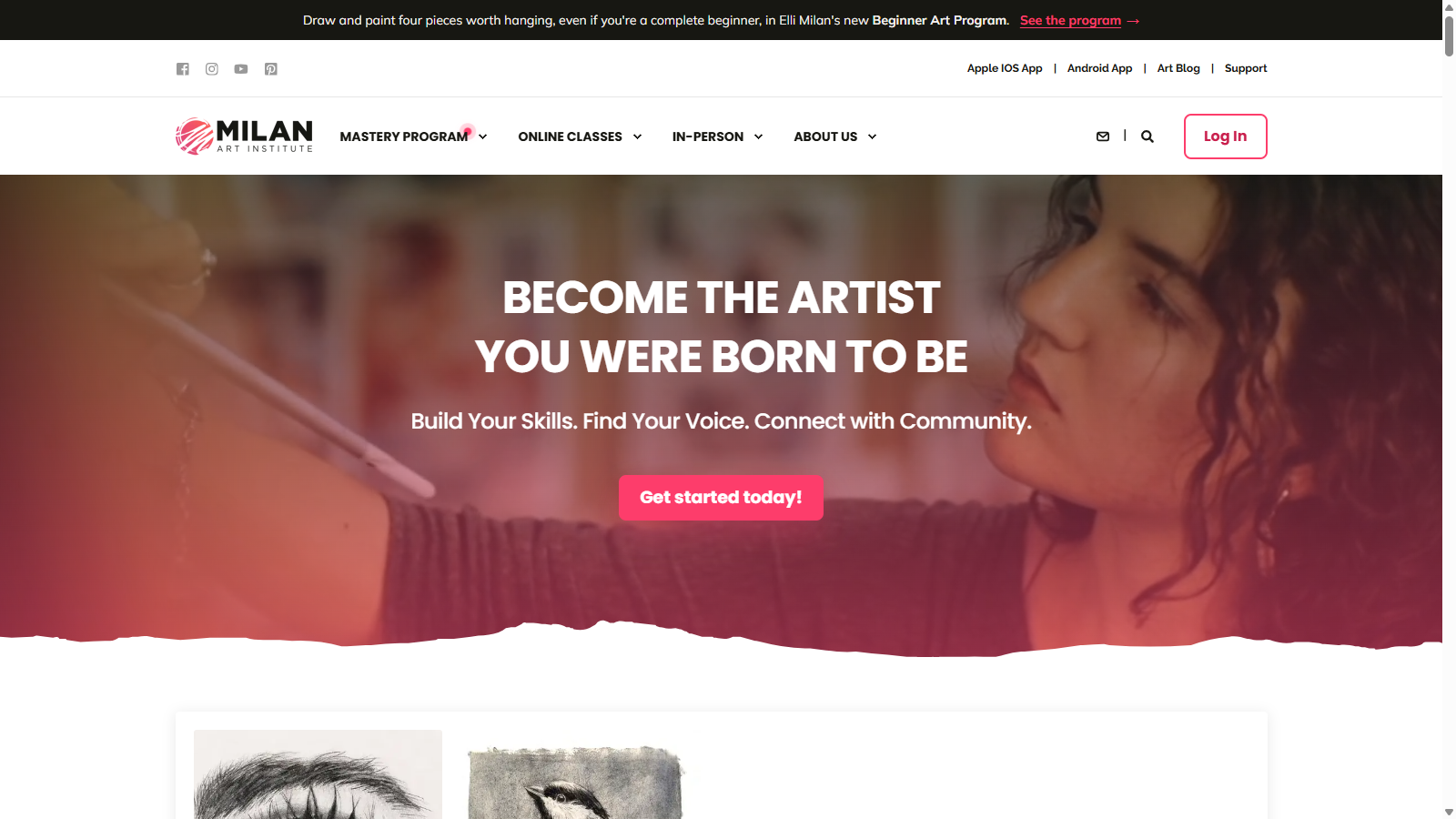
Elli and John Milan's year-long online program combining drawing, painting, style development, and art business training with group coaching.
Last updated on November 15, 2026
Discover other art courses you might be interested in
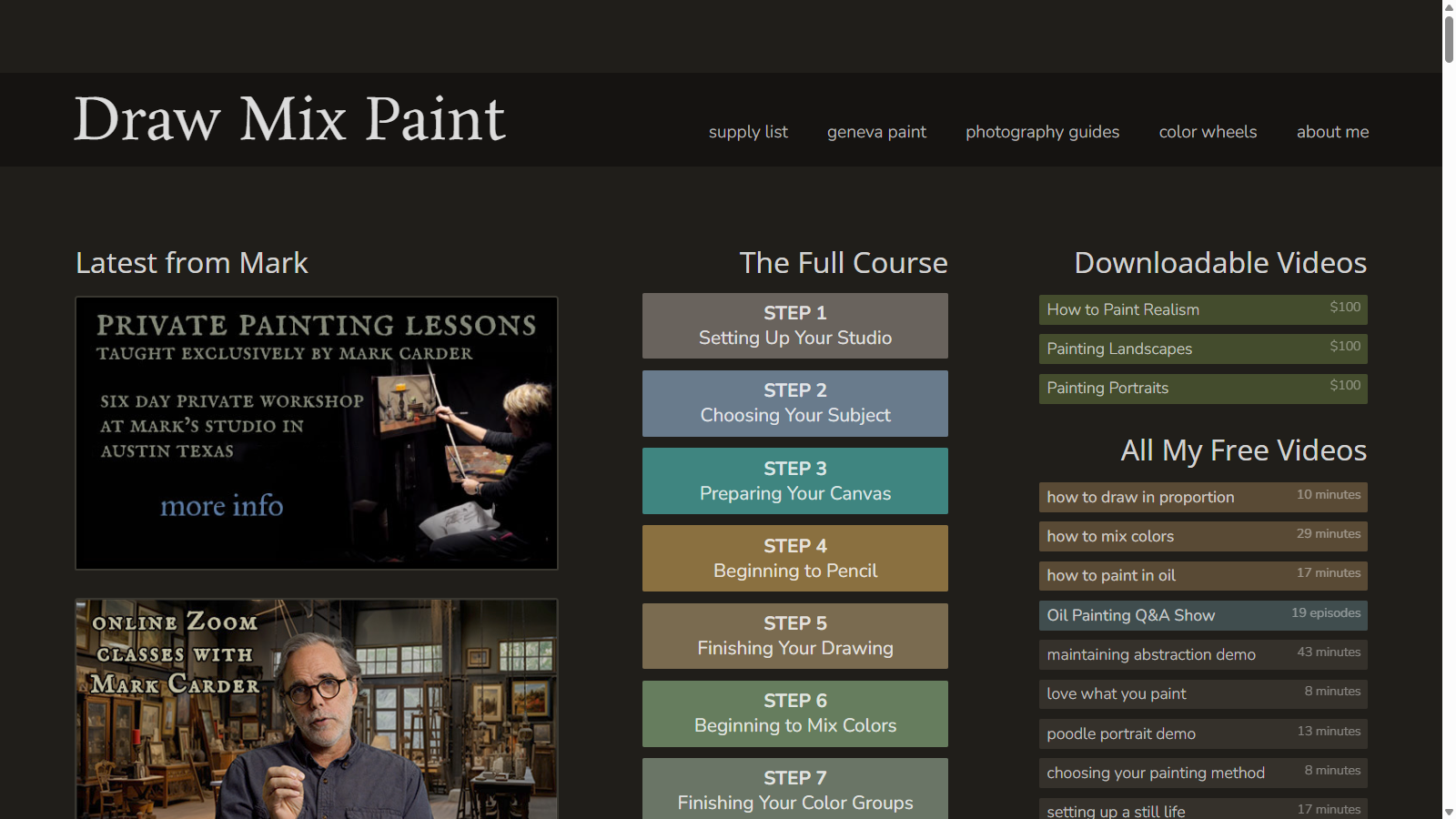
Mark Carder's free ten-step method for learning to paint realism in oil, with optional paid lessons and his Geneva slow-drying paint system.
View details
Oil painting education program that ships all materials to your door and provides personalized feedback through a structured, progressive curriculum.
View detailsExplore definitions from our glossary that connect to this course
Bone black, or ivory black, is a carbon pigment made from charred animal bones. Used since antiquity, it remains one of the oldest and most enduring black pigments in art.
A canvas panel is primed canvas glued to a rigid backing like MDF or hardboard. Learn its history from Impressionist plein air studies to modern mass-produced panels.
Read more about this topic on our blog
Never held a brush? Adult art classes welcome beginners with no experience. Here's what to expect, how to find the right class, and why it's never too late to start making art.

Jenny Saville paints the human body at a scale that makes it impossible to look away. Discover how the British painter became one of the most important figurative artists of the 21st century.

Understand the art of oil painting, from Van Eyck's luminous glazes to Van Gogh's thick impasto. Learn why oil paint has been the dominant medium for five centuries and how its unique properties work.
You cannot watch an art tutorial on YouTube without eventually meeting an ad for the Mastery Program. Elli Milan promises to take you from "I can't draw" to a professional artist in a year, and the offer is real: a structured curriculum, actual human feedback, and business training most art schools skip entirely. The catch is the price and the machinery around it.
The program is run by Milan Art Institute, the family operation Elli Milan founded with her husband John. Their kids and a bench of coaches round out the teaching, and the institute also sells its own art supply kits, which is a vertical integration worth keeping in mind when materials lists appear.
Three payment plans buy the identical program:
Included: lifetime access to 250-plus video lessons covering drawing, acrylic and oil painting, voice and style development, portfolio building, branding and marketing; two years of group coaching with written feedback on every piece you post; weekly live calls; the community app; and bonus masterclasses. Supplies are separate, with Milan's own kits starting around $350. A 30-day refund window applies from your start date.
There are cheaper entry points too, like the $229 ten-lesson Essentials sequence with 60 days of coach feedback, which functions as a low-cost trial of the full program's teaching style.
The first half is fundamentals: drawing, then acrylics, then oils, taught in the Milans' fast, layered, mixed-media-friendly style. The second half is what art schools routinely fail to teach: defining your series, building a cohesive sellable body of work, pricing, approaching galleries, and marketing yourself.
That second half is why people pay. The technique content is good but not unique; New Masters Academy covers painting fundamentals deeper for a fraction of the price. What Milan sells is the pipeline from hobbyist to seller, plus the structure and deadlines that self-study lacks.
Group coaching is not private mentorship. Feedback comes from staff coaches on posts in the app, not from Elli Milan personally, and the quality varies with volume. The marketing is relentless: webinars, countdown timers, and emotional copy that oversells outcomes. Nobody should enroll believing a certificate from Milan carries institutional weight; it is unaccredited.
The hard question is value. $3,999 buys a lot of competition: three years of New Masters Academy, a full mentorship semester at SmArt School with working pros, or Watts Atelier training plus supplies with change left over. Milan's defense is that none of those teach you to sell, which is fair, and the coaching feedback is the feature competitors at this price point lack.
Take the $229 Essentials course first. It is a genuine cross-section of the teaching style, coaching quality, and community, and it costs less than a month of the cheapest payment plan. The 30-day guarantee only works if you engage immediately; students who enroll and stall past the window lose their exit. Payment plans cost up to $1,497 more than paying in full, so treat them as a financing cost and be honest about it.
The student community is the underrated asset. Graduates report that peer relationships outlast the coaching term and continue generating sales and referrals.
Outcomes split sharply by engagement. Students who post work weekly, attend calls, and follow the business modules describe real transformations: cohesive portfolios, first gallery placements, actual sales. Students who bought it as an expensive video library describe an expensive video library. The program is engineered so the coaching staff notices engagement, and the feedback loop rewards showing up.
The Milan family's own sales record adds context: Elli has sold thousands of paintings over three decades, and the business modules draw on how the family actually built their career, including social media and licensing revenue streams most art schools treat as beneath them.
The honest comparison is not other courses but other uses of $4,000. That money buys a year of Skillshare plus a real mentorship semester, or community college studio classes with in-person critique. Milan's counter is coherence: one integrated system rather than assembled parts. Whether that coherence is worth the premium depends entirely on whether you need the deadlines or bring your own discipline.
Hobbyists serious about turning professional who want structure, deadlines, and business training wrapped around technique, and who will actually post work for feedback every week. Pure technique seekers on a budget should look at Watts or New Masters Academy instead. The Mastery Program is a career program with an art school attached, priced accordingly.
Quiet Canvas is a space for artists and art lovers: essays, glossary terms, tools, and curated directories to support your creative practice.
Learn more →Hand-picked matches from our other directories
Reddit's premier community for artist career discussions, business advice, and creative psychology, with 398K members sharing honest perspectives on the reality of making art.
View details
Natural Pigments makes Rublev Colours: 170-plus historical pigments and additive-free oil paints from Willits, California. Pigment and oil, nothing else. For serious painters.
View details
Adobe's dedicated drawing and painting app for iPad and Windows combines live watercolour and oil brushes with pixel and vector tools, designed specifically for artists who want a natural media feel in digital painting.
View details
Arts Council England DYCP offers up to £12,000 to individual artists in England for research, experimentation, and career development. Round 24 opens June 2026.
View details


