
Adult Art Classes: What to Expect and How to Find the Right One
Never held a brush? Adult art classes welcome beginners with no experience. Here's what to expect, how to find the right class, and why it's never too late to start making art.
Your cart is empty
Browse the store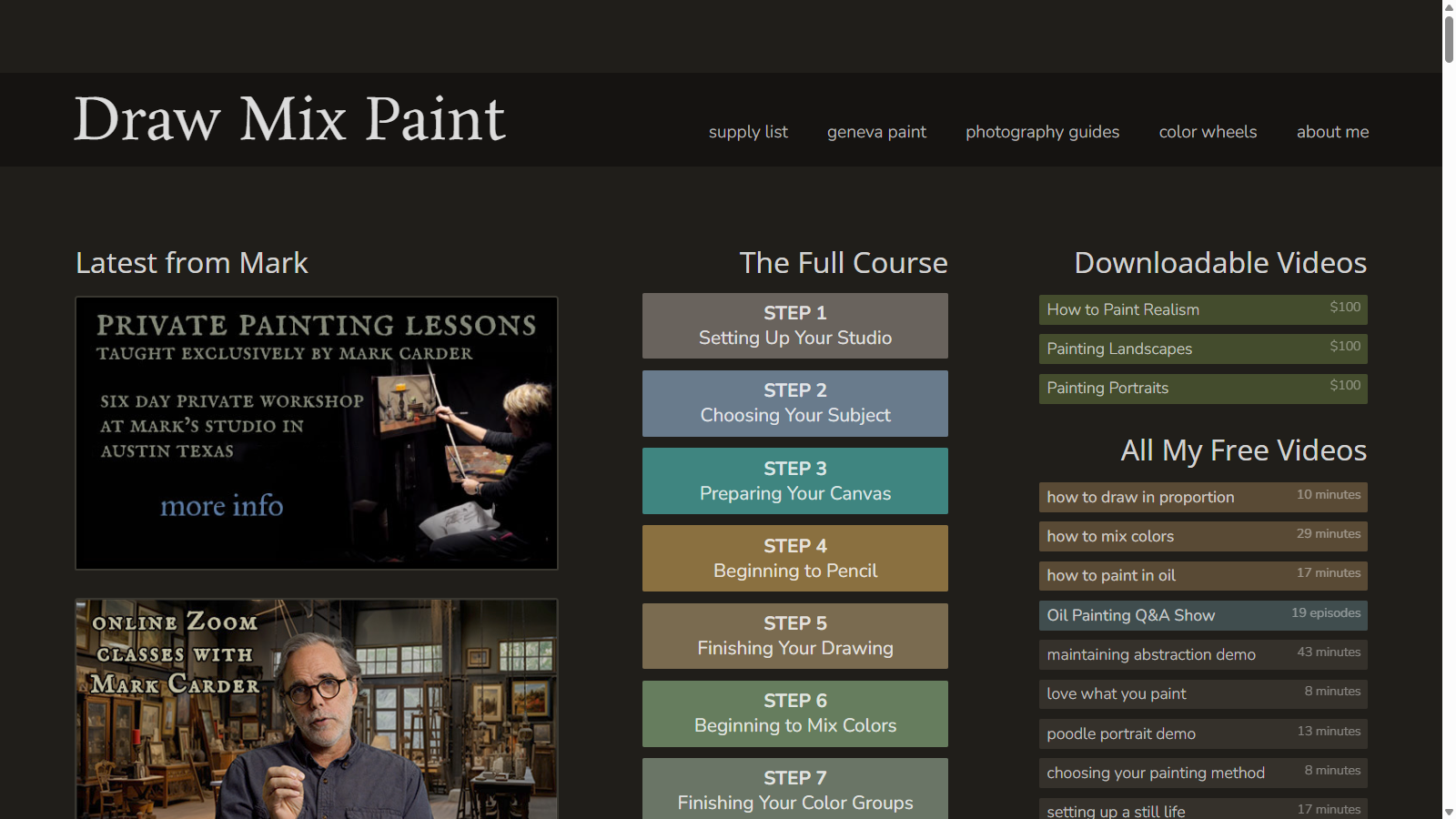
Mark Carder's free ten-step method for learning to paint realism in oil, with optional paid lessons and his Geneva slow-drying paint system.
Last updated on November 15, 2026
Discover other art courses you might be interested in
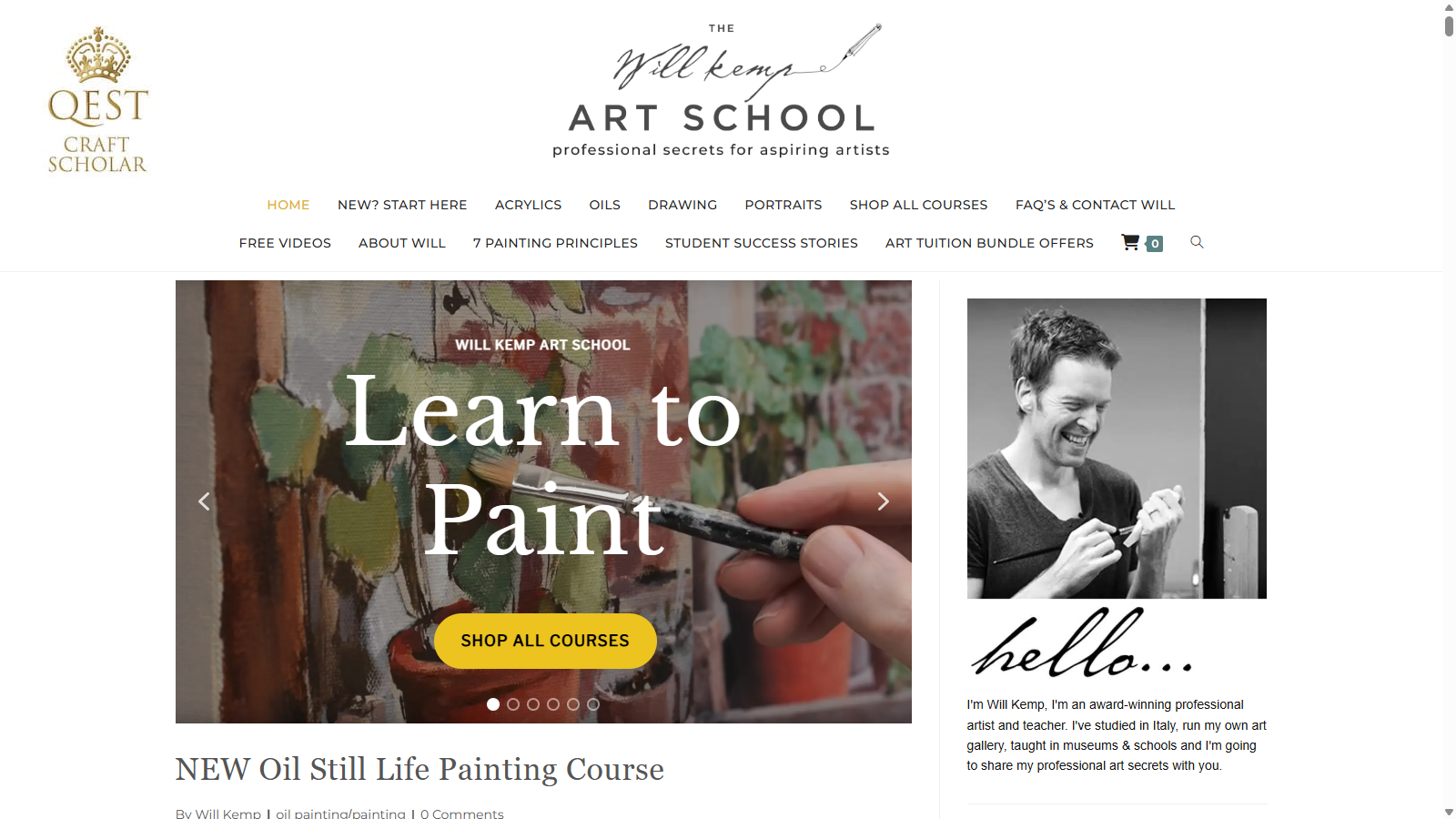
UK painter Will Kemp's project-based acrylic and drawing courses, sold individually with lifetime access and priced for hobbyists.
View details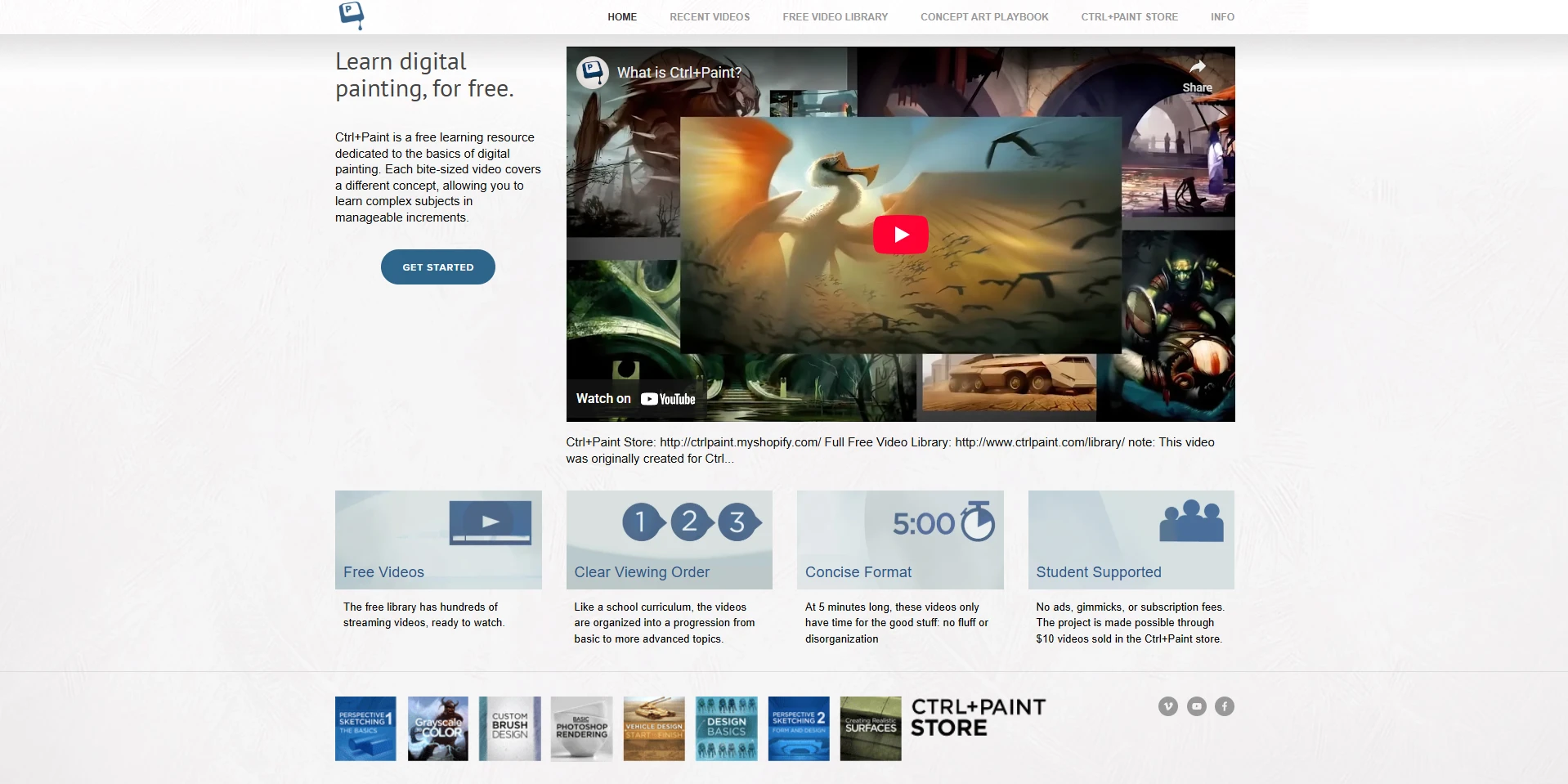
Ctrl+Paint offers hundreds of free digital painting video lessons plus $10 premium courses. The best free starting point for digital artists.
View detailsExplore definitions from our glossary that connect to this course
The palette is the flat surface where painters mix colors before applying them. Learn its history, shapes, materials, and how artists from Vermeer to Monet arranged their paints.
The Ashcan School painted New York's streets, saloons, and tenements with dark, gestural brushwork. Learn about Robert Henri, George Bellows, and The Eight.
Read more about this topic on our blog
Never held a brush? Adult art classes welcome beginners with no experience. Here's what to expect, how to find the right class, and why it's never too late to start making art.

Jenny Saville paints the human body at a scale that makes it impossible to look away. Discover how the British painter became one of the most important figurative artists of the 21st century.
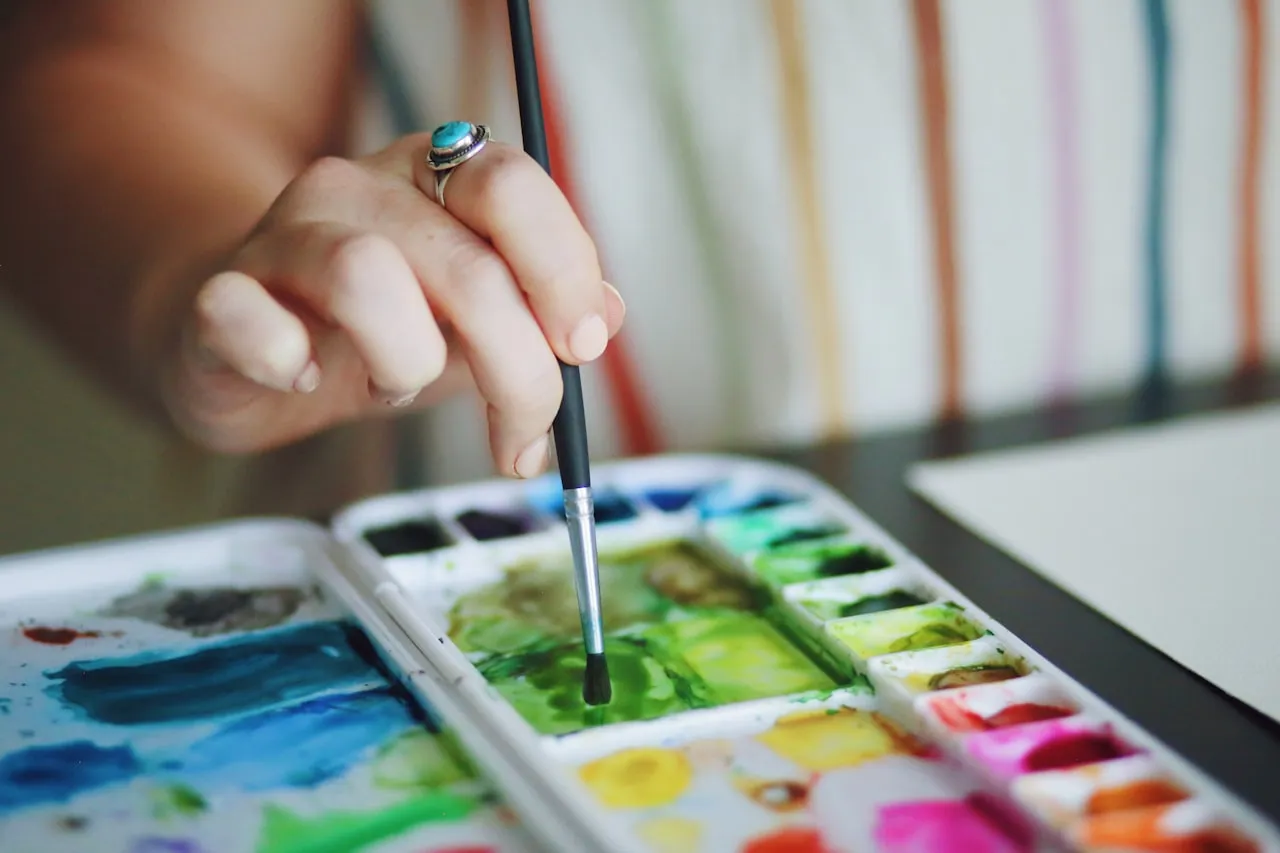
Learn how paint colors actually mix, why subtractive color differs from light, and how to avoid muddy mixtures. Practical color mixing guidance using a limited palette, with insights from Titian, Rembrandt, and the Impressionists.
Search YouTube for oil painting help and you land in a sea of timelapses and product placements. Draw Mix Paint is the opposite: a complete, structured course for learning to paint realism in oil, built by portrait painter Mark Carder and given away for free. The core curriculum is a ten-step method taking you from setting up your studio to finishing your first painting, plus dozens of supplementary videos and a 19-episode Q&A show that answers the questions students actually ask.
Carder is self-taught, and he designed the course specifically to move an absolute beginner from zero to a finished, believable still life. His stated aim is not to teach you his style. The method is scaffolding you discard once your eye is trained.
The free course walks through ten steps: studio setup, subject choice, canvas preparation, drawing in proportion, mixing color groups, and painting your first object. Each step pairs a video with a written guide on the site. A busy discussion forum and the archived Q&A episodes cover edge cases like working from photographs, shipping finished work, and fixing glare in a home studio.
Carder also sells three premium courses at $100 each covering realism, landscapes, and portraits in more depth, plus physical tools: a proportional divider, a pistol-grip color checker, and his own slow-drying Geneva Artists' Oil Color through Geneva Fine Art. Instructions for making your own divider and color checker are free if you would rather not buy them.
Carder's approach is measurement-heavy. You draw in proportion using the divider, then check every mixed color against the subject through the eyelet of the color checker before committing it to canvas. Geneva paint (or your own paint slowed with a medium recipe he publishes) stays workable for weeks, so beginners can correct a passage days later instead of racing a drying surface.
The philosophy is unglamorous and effective: accurate measurement first, expressive paint handling later. Trained painters may find the constant checking tedious. Beginners find it is the first time their colors actually match what they see.
The method demands a properly controlled setup: a shadow box or still life in stable light, a dark backdrop behind you, and the discipline to check every mixture. Painting outdoors or from loose sketches does not fit this system, and neither does abstract or alla prima work. If your goal is looser, faster painting, Evolve Artist covers similar realist ground with a different feel, while Florent Farges teaches a more classical French approach.
The production is also plainly homemade. Videos are long, unscripted, and light on polish compared with New Masters Academy or Proko. Some students love the sincerity; others bounce off the pacing.
Paint a cheap student-grade picture first with your own supplies before buying Geneva paint; the medium recipe Carder publishes gets ordinary tube paint close enough for a first attempt. The forum's archived threads answer almost every beginner question about glare, mediums, and photo reference. His video on how to photograph a finished painting is worth watching even if you skip everything else.
If you are already comfortable mixing color, jump straight to the paid Portrait or Landscape videos; the free course will repeat what you know. For supplies, compare Geneva's prices with Gamblin and Winsor & Newton before committing to a full palette.
Carder sells his own paint line, Geneva Artists' Oil Color, formulated to dry slowly without added mediums. It is good paint, but it is not a requirement. His published medium recipe (a linseed oil and solvent blend) gets ordinary artist-grade paint into the same working window for a fraction of the cost. The site is honest about this: the supply list tells you the method works with standard paints and even shows you how to build the checking tools yourself.
That willingness to give away the DIY version is the tell that Draw Mix Paint is a teaching project first and a shop second. Carder once lent his name to "The Carder Method" video sets that sold for over $100; after parting with that company he rebuilt the instruction and put it online free. The current site is the better deal by a wide margin.
The method was designed around painting from life in a shadow box, but Carder added photo workflows later because most students only have photographs. He is blunt about the trade-off: photos flatten color relationships, so the color checker habit matters even more. His laminated still life prints exist to close that gap for students without studio space.
Absolute beginners who want a proven path to a believable first painting, and self-taught painters whose color mixing never quite lands. The price of the complete curriculum is zero, which makes it the lowest-risk entry point in online oil instruction.
Quiet Canvas is a space for artists and art lovers: essays, glossary terms, tools, and curated directories to support your creative practice.
Learn more →Hand-picked matches from our other directories
UK painter Will Kemp teaches oil, acrylic, and watercolour to 300K subscribers through structured YouTube tutorials. His colour mixing series and beginner-friendly approach make painting fundamentals accessible.
View details
The palette is the flat surface where painters mix colors before applying them. Learn its history, shapes, materials, and how artists from Vermeer to Monet arranged their paints.
View details
Natural Pigments makes Rublev Colours: 170-plus historical pigments and additive-free oil paints from Willits, California. Pigment and oil, nothing else. For serious painters.
View details
Adobe's dedicated drawing and painting app for iPad and Windows combines live watercolour and oil brushes with pixel and vector tools, designed specifically for artists who want a natural media feel in digital painting.
View details


