Florent Farges: Classical French Oil Painting Without the Atelier Tuition
If you want to learn how the old masters actually built their paintings, not just how to imitate their surface appearance, Florent Farges is one of the few online instructors teaching the real thing. His courses cover grisaille underpainting, transparent glazing, sight-size drawing, and the systematic value control that separates academic painting from guesswork. And he does it for less than the cost of a single tube of professional oil paint.
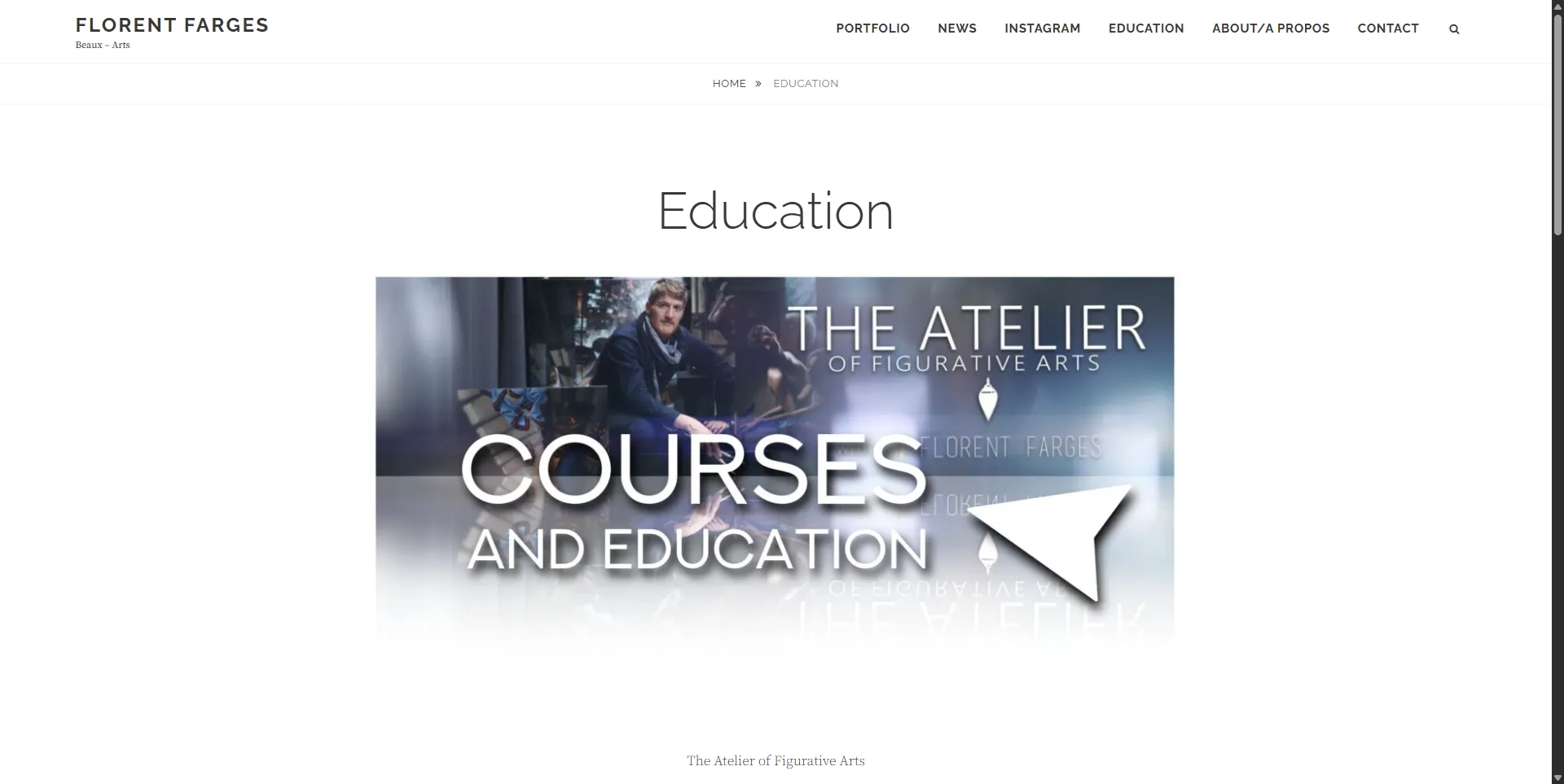
A French classical realist painter trained in the academic tradition, Farges sells his courses through Gumroad and his main website. He also runs a Patreon for ongoing content and has launched The Atelier of Figurative Arts, a broader teaching platform. The courses are available in both English and French, which makes them accessible to a wider audience than most English-only platforms.
What You Pay and What You Get
Farges offers two main standalone courses, each sold as a one-time purchase with lifetime access:
The Practical Guide to Oil Painting Techniques and Materials starts at EUR 59.90 (approximately $65 USD, excluding tax). This is a 6-hour video course covering surface preparation, mediums, solvents, brush handling, layering, and varnishing. It includes a portrait demonstration. Extended versions add still life alla prima demonstrations (8 hours) or landscape plein air demonstrations (8 hours), or both (10 hours) at higher price points. The course is in its third edition (last updated May 2021), and all updates are free for existing customers.
The Art and Practice of Color costs EUR 84.90 (approximately $92 USD, excluding tax). This is a 9-hour course focused on color theory and its application for painters working in oil, acrylic, or gouache. It covers color wheels, pigments, palette organization, mixing strategies, and color composition. Farges teaches a limited-palette approach that develops genuine mixing understanding rather than dependence on a large collection of pre-mixed tubes.
Both courses are downloadable MP4 files. You can watch them on iPad, iPhone, and tablets through the Gumroad app. No subscription, no recurring fees, no expiration.
The Grisaille Method: Why It Matters
The signature technique in Farges's teaching is the grisaille method: completing a full-value underpainting in grey or neutral tones before applying color through transparent glazes. This is not a stylistic choice. It is a problem-solving strategy that separates value from color, letting you solve each independently.
Here is why that matters for beginners. Most new oil painters try to mix color and value simultaneously, producing muddy results because they cannot diagnose whether a problem is tonal or chromatic. The grisaille approach forces you to nail the value structure first. Once the underpainting is dry, you apply thin transparent glazes that modify color without obscuring the values underneath. The result has a luminous depth that direct painting rarely achieves.
Farges also teaches direct painting (alla prima) alongside the grisaille approach, giving students both methods and the understanding to choose between them based on the subject and situation. This is a more honest presentation than courses that teach only one approach and pretend it is the only valid method.
Drawing Before Painting
Farges follows the classical atelier sequence: draw first, paint later. His drawing instruction covers sight-size measurement, the method used in nineteenth-century Paris ateliers to achieve accurate proportions by comparing the drawing directly to the subject at a consistent viewing distance. Students learn to use a plumb line, measure angles, and check landmark relationships systematically.
This is dry, methodical work. It is also the foundation that makes everything else possible. A portrait with inaccurate proportions will fail regardless of how beautiful the color and edge work are. Farges treats drawing not as a preliminary hurdle but as the structural foundation of painting.
Portrait and Figure Instruction
The portrait and figure courses are where Farges's technical depth is most visible. Portrait painting demands accurate proportions, convincing likeness, subtle skin tones, and the ability to capture individual character rather than producing a generic human head.
Farges covers the structural anatomy of the head, proportional relationships that determine likeness, color temperature variations in skin, and the specific challenges of painting hair, eyes, and the transitions around the mouth and nose. His demonstrations are methodical, showing the complete process from initial drawing through final glazes.
The figure painting instruction extends these principles to the full body, covering structural anatomy, the relationship between light and form, and the challenges of painting the figure in different lighting conditions.
How Farges Compares
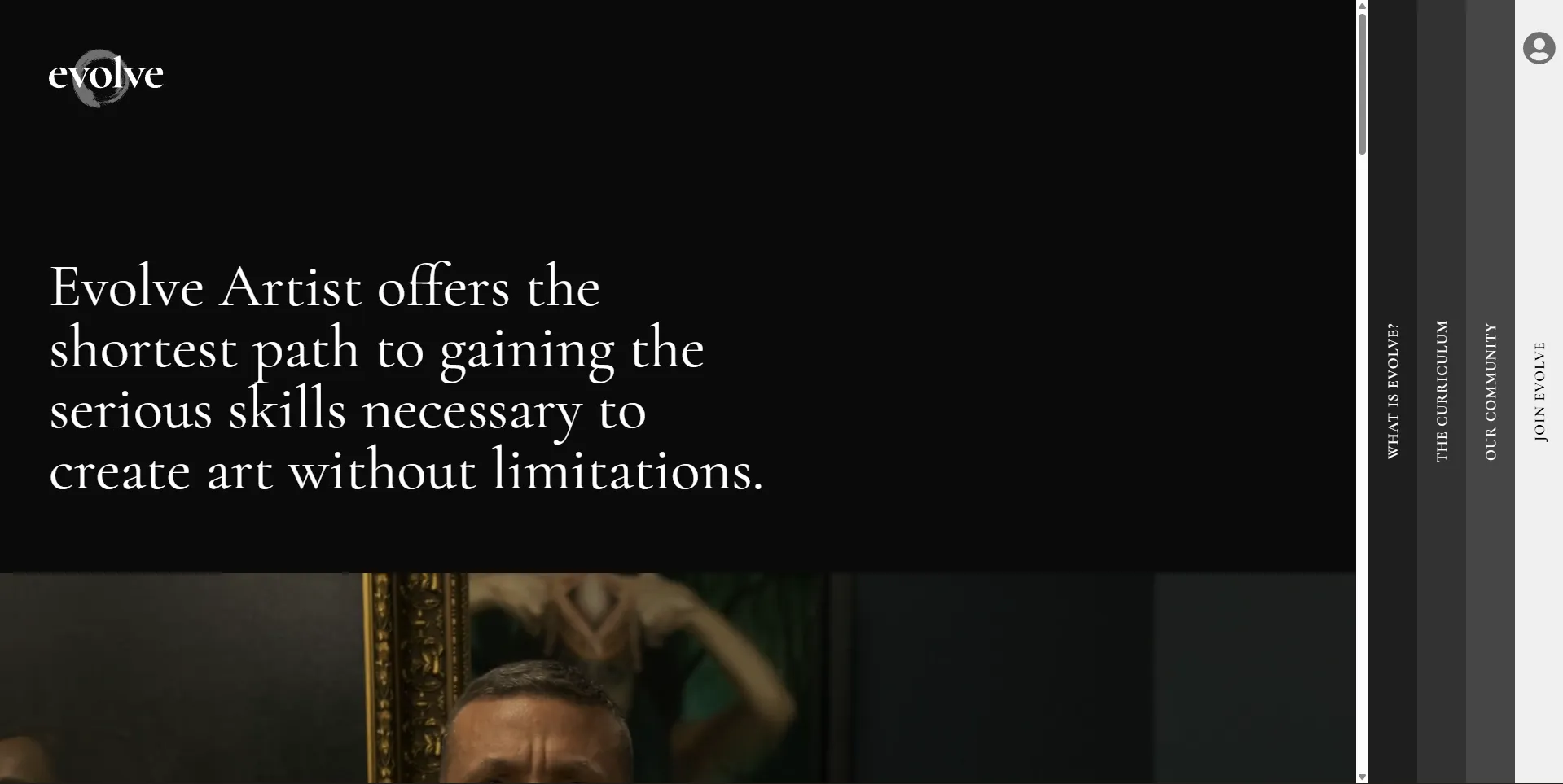
Against Evolve Artist, which costs $2,500 and includes materials, Farges is a fraction of the price but assumes you already have supplies and basic painting experience. Evolve is for beginners who need hand-holding. Farges is for painters who want technical depth and can work independently.
Against Vitruvian Studio, which offers structured online courses with feedback, Farges sells standalone video courses without instructor critique. You watch, you learn, you practice on your own. If you need feedback, look elsewhere.
Against New Masters Academy, which offers a subscription library with multiple instructors, Farges is a single instructor with a specific classical focus. NMA gives you breadth. Farges gives you depth in one tradition.
The Community
Farges maintains an online community through his Patreon and the Atelier of Figurative Arts platform. Students share work in progress, receive feedback from instructors and peers, and engage with the ongoing practice of classical painting. The community is international, with students from Europe, North America, Asia, and beyond.
The Patreon offers ongoing content beyond the standalone courses, including process videos, live sessions, and additional demonstrations. If you want continuous learning rather than a one-time purchase, the Patreon fills that gap.
What Is Missing
Farges does not offer personalized feedback with his standalone courses. There are no homework submissions, no instructor critiques, no structured assignments with grading. You are buying video instruction, not a course with a teacher-student relationship. For some learners this is fine. For others, particularly those who need someone to catch their mistakes, the lack of feedback is a real limitation.
The production quality is professional but not flashy. These are not cinematic, multi-camera productions like Proko or Marco Bucci. They are clear, well-lit demonstrations that show what you need to see. The focus is on content, not presentation.
Final Verdict: Who Is This Actually For?
Florent Farges is for intermediate to advanced painters who already know basic oil painting and want to learn classical techniques with real depth. It is for artists interested in the French academic tradition specifically: grisaille, glazing, sight-size drawing, and systematic value control. And it is for self-directed learners who can watch a demonstration, practice on their own, and diagnose their own mistakes without instructor feedback.
It is not for absolute beginners who have never held a brush. It is not for painters who need structured assignments and critique. And it is not for anyone looking for a comprehensive painting program with mentorship.
Start with The Practical Guide to Oil Painting at EUR 59.90. If the grisaille method clicks for you, add the Color course. If you want ongoing content and community, join the Patreon.