Skillshare: 30,000 Creative Courses for $168/year, But Read the Fine Print First
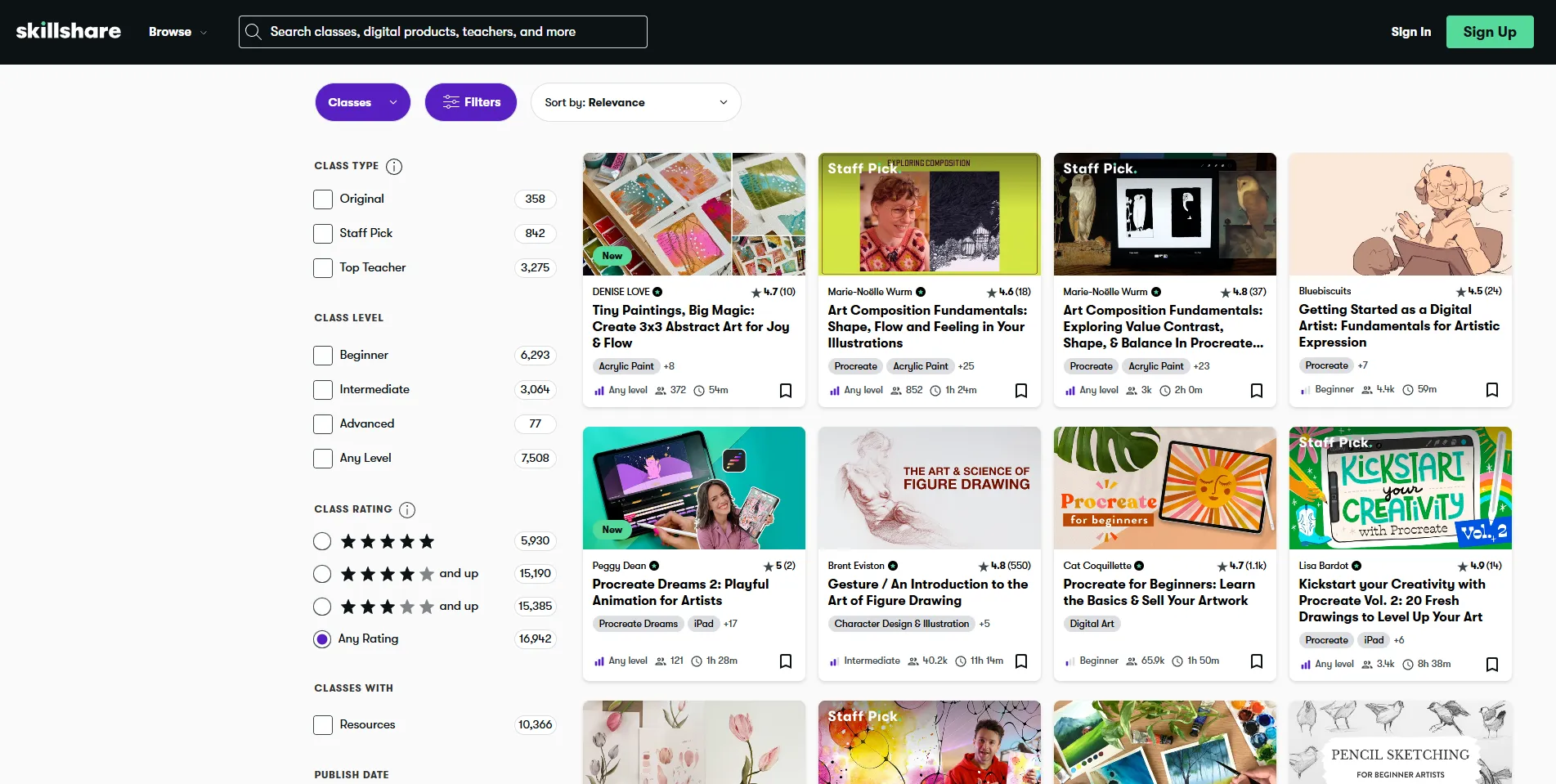
Skillshare has positioned itself as the default creative learning platform, and with 30,000+ courses across illustration, design, photography, animation, writing, and business, the breadth is real. But the pricing model has shifted in ways that catch people off guard, and the quality varies more than the marketing suggests.
Here is what you need to know before you sign up: Skillshare no longer offers a monthly subscription on its website. You are committing to $167.88 billed annually, upfront, whether you use the platform for one course or fifty. If you do not cancel your 7-day free trial before it ends, that full annual charge hits your card automatically. This is the single most common complaint in 2026 reviews.
What Skillshare Does Well
Skillshare's core strength is project-based learning at scale. Every class includes a hands-on project that asks you to apply what you learned. In an illustration class, you might create a character sheet. In a branding class, you design a logo for a fictional client. In a photography class, you shoot and edit a series using specific techniques from the lesson. This matters because creative skills are output-driven. Watching a 45-minute video on color theory teaches you concepts. Completing a project that forces you to apply color theory teaches you the skill.
Each class has a public project gallery where students upload their work. This provides accountability, community feedback, and a portfolio of tangible outputs you can link to from a personal website or CV. For creative fields, a portfolio of work generally carries more weight than a certificate anyway.
The newer Learning Paths feature bundles 5 to 10 related classes into a structured sequence with a specific skill goal. Examples include paths for getting started with illustration, freelance design, and Procreate fundamentals. This addresses the main criticism Skillshare has faced for years: that 30,000 courses with no guidance is overwhelming, not empowering.
Skillshare also now offers certificates and badges for completed classes, which is an upgrade from previous years when the platform offered no credentials at all.
The Pricing Reality in 2026
Skillshare has simplified its pricing to a single individual plan:
- Annual (web): $167.88/year, billed once. No monthly option on the website.
- Monthly (mobile only): Approximately $32/month through iOS and Android apps. This costs more than double the annualized rate.
- Student discount: 50% off with a verified .edu email, bringing the cost to roughly $84/year.
- Teams: $159 per seat per year for 2+ members.
The free trial runs 7 days on the web, though some in-app promotions offer 30 days. You must provide payment information to start the trial, and if you do not cancel before it ends, you are charged the full annual fee. Skillshare does not offer refunds on annual memberships.
The Skillshare Shop is a newer addition that extends the platform beyond standard video content. You can book 1-on-1 video sessions with industry professionals for portfolio feedback or career coaching, ranging from $12 to $299. Teachers also sell digital products like Procreate brushes, color palettes, and printable planners as paid add-ons on top of your base membership.
How Skillshare Compares to Competitors
Skillshare occupies the broad-and-affordable tier of creative education. The right comparison depends on what you are trying to learn.
Compared to Domestika, which sells individual courses at $10 to $30 each, Skillshare's subscription makes sense if you plan to take more than 5 or 6 courses per year. Domestika offers higher production quality on average and more specialized, instructor-focused courses. Skillshare offers more breadth and the ability to switch between subjects freely.
Udemy charges per course ($13 to $20 during sales) with lifetime access. Skillshare charges annually and you lose access when you stop paying. If you only want a few specific courses, Udemy is cheaper long-term. If you want to explore broadly and take many courses, Skillshare is more cost-effective.
For illustration specifically, SVS Learn at $250/year offers a more focused, career-oriented curriculum from working professional illustrators. Skillshare is broader but shallower. 21 Draw at $59/year offers a similar subscription model with professional illustration courses from Disney and Marvel artists at a third of Skillshare's price, though with fewer total courses.
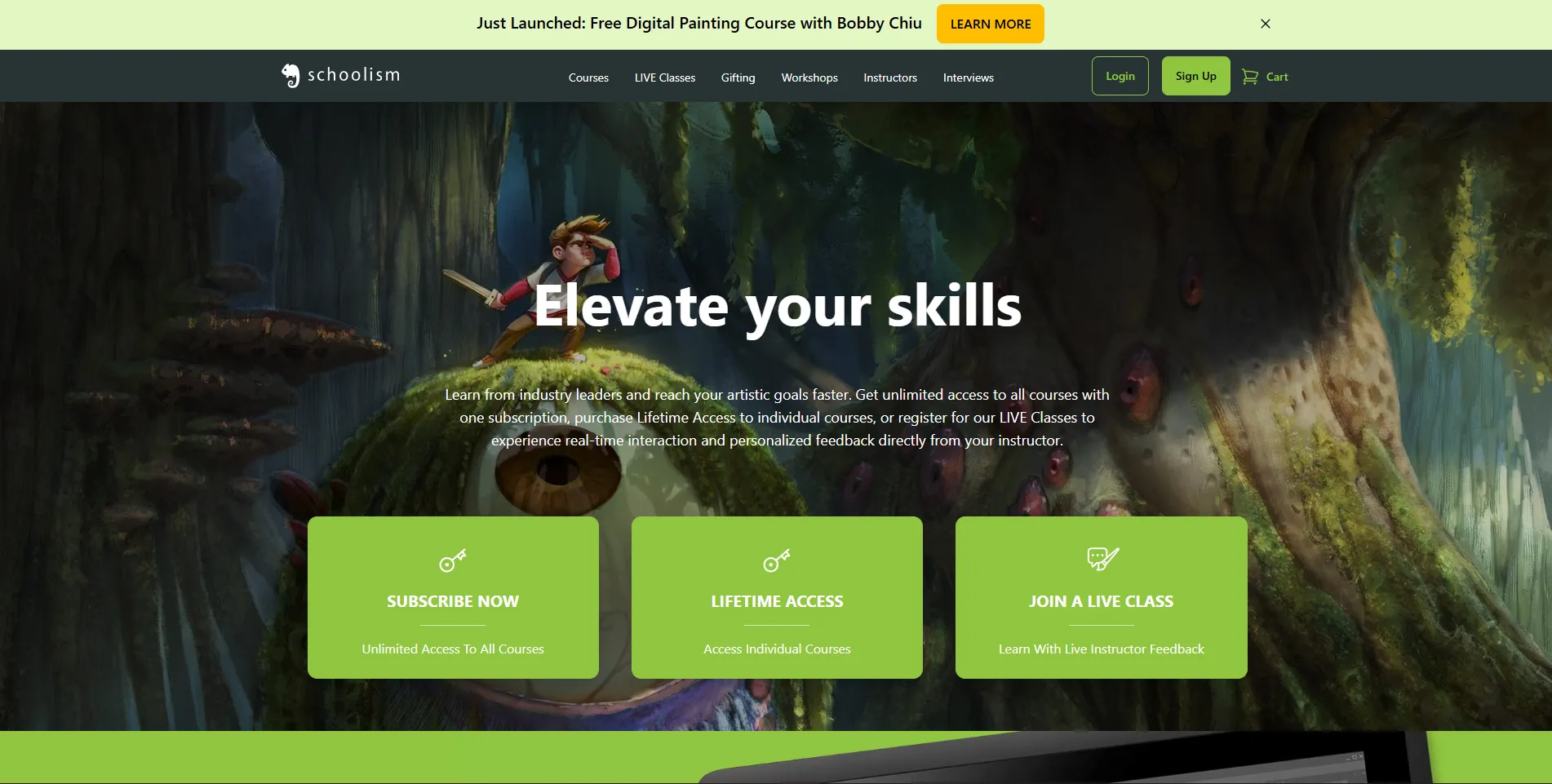
For entertainment art and concept art, Skillshare is not the right platform. Schoolism at $249/year delivers instruction from working Pixar and DreamWorks artists with deeper, more structured courses.
Insider Tips for Getting Your Money's Worth
- Use the student discount if you qualify. A verified .edu email gets you 50% off, bringing the annual cost to $84. This is the best value option on the platform.
- Sign up via the mobile app for the monthly option. If you only need Skillshare for a month or two of focused learning, the mobile monthly subscription at roughly $32 is cheaper than committing to a full year. Just remember to cancel.
- Set a calendar reminder for your trial cancellation. The most common complaint in 2026 is being charged $168 after forgetting to cancel the 7-day trial. Set a reminder for day 5.
- Use Learning Paths instead of browsing. With 30,000 courses, decision paralysis is real. Learning Paths curate the best classes into a sequence, which saves you from wading through inconsistent quality.
- Check the instructor's last login date. Some instructors have not logged in for years and will not respond to questions or project submissions. Active instructors make a significant difference in the learning experience.
Who Should Avoid Skillshare
If you are an advanced artist looking for professional-level training with live critique, Skillshare will disappoint you. The courses are designed for beginners and intermediates. The feedback model relies on community galleries and occasional instructor responses, not structured critique sessions. For professional-level feedback, look at Brainstorm School or CGMA.
If you tend to start courses and not finish them, the annual fee will not pay off. Skillshare's value proposition depends on actually taking multiple courses per year. If your learning pattern is to buy a course, watch half of it, and move on, you are better off with Udemy's pay-per-course model where you at least keep lifetime access to what you bought.
If you want accredited certificates for your resume, Skillshare's certificates are not university-accredited. Coursera is the better choice for credentials that carry weight with employers.
Final Verdict: Who Is This Actually For?
Skillshare is the best platform for creative hobbyists, freelancers, and beginners who want to explore multiple disciplines through project-based learning at a reasonable annual price. The 30,000-course library, Learning Paths, and project gallery system create a genuine creative ecosystem for people who learn by doing.
The pricing model is the catch. $168 upfront with no monthly web option and no refunds is a commitment. If you are confident you will use the platform regularly, it is good value. If you are uncertain, sign up through the mobile app for a monthly subscription, test it for one month, and decide whether to switch to annual.
Start with a Learning Path in your area of interest rather than browsing the full catalog. The curated sequences give you structure and ensure you are taking the better courses in the right order.