
Who needs paintings when the lights might go out tomorrow? It is a fair question. When survival is at stake, art can feel like a luxury you cannot afford. A drawing will not stop rain. A song will not feed anyone. Museums gather dust during storms. And yet, someone hums a tune beside a broken road. Someone scratches a picture into a wall while hiding from bombardment. Someone risks their life to save a painting from a burning building. Why?
Because art is not something humans invented after they figured out survival. Art is part of how humans survive. It is how we process what happens to us, how we communicate what cannot be said in plain language, how we remember what matters, and how we imagine what could be different. The evidence for this is not just philosophical. It is neurological, historical, and clinical. And in 2026, the research has never been clearer.
The First Language
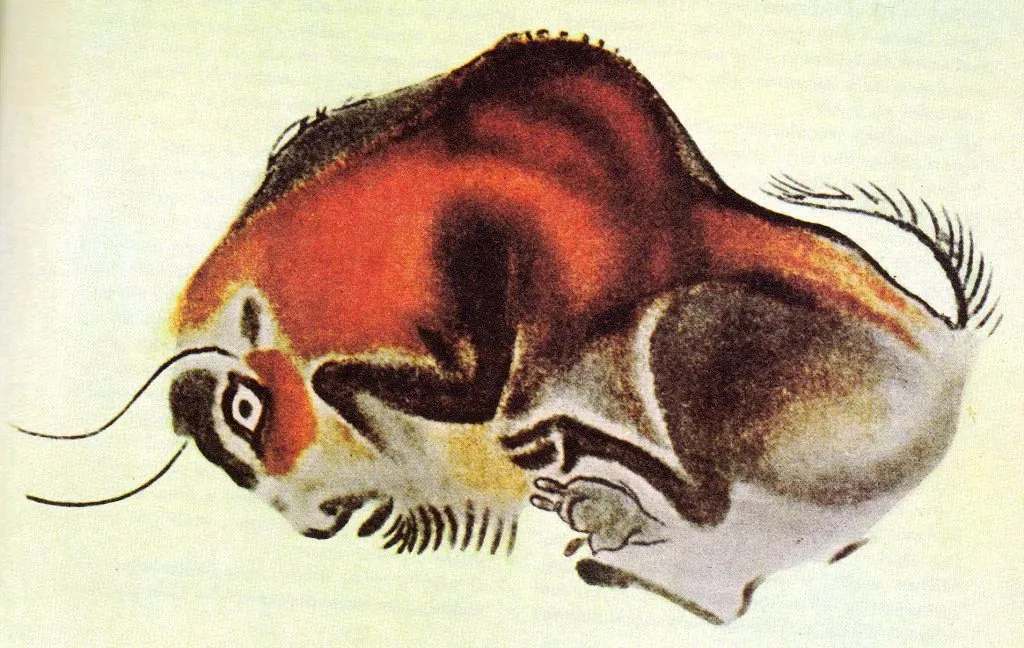
Photo by Alex Moliski on Pexels.com
Pictures came before words. Long before anyone wrote anything down, people were drawing on stone walls. The cave paintings at Altamira in Spain date back more than 40,000 years. The paintings at Lascaux in France are about 17,000 years old. These are not doodles. They are sophisticated images made with charcoal, ochre, and pigments prepared from minerals, applied with tools and sometimes by spraying paint through tubes made from bone. The artists who made them understood their materials, controlled their medium, and produced images of animals with anatomical precision that still impresses draftsmen today.
Why did they do it? Not to decorate. The caves where these paintings appear are deep underground, in places that are difficult to access and where no one lived. The effort required to make them was enormous, and the audience was small. The most convincing explanation is that the paintings served a function in how early humans understood and communicated about their world: recording knowledge about animals, expressing relationship to the natural environment, and creating shared meaning within a group. Art was a cognitive tool before it was an aesthetic one.
Art as Emotional Architecture
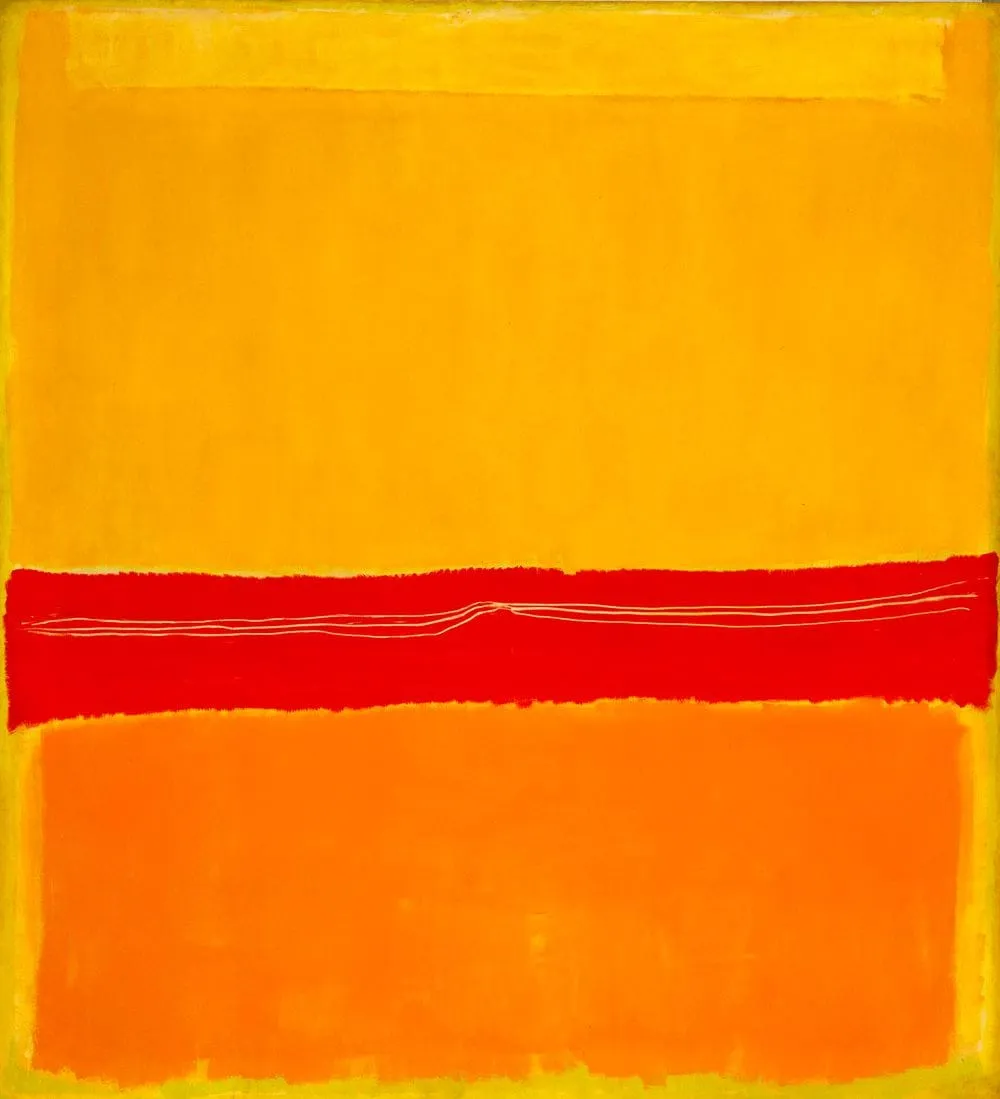
Art gives shape to feelings that resist language. Grief, joy, anxiety, love, anger, wonder. These are not easily described in sentences, but they are powerfully expressed in color, form, and sound. A painting can communicate sadness without a single word. Seeing it, you know that part of your inner life exists outside your body, in the world, visible to others. That recognition is not trivial. It is what gives art its reason to exist.
This is why a painting made 500 years ago can speak to you directly. The emotion encoded in the work crosses time without asking permission. Someone else's moment becomes yours through quiet recognition. The distance between you and the artist collapses, and what remains is a shared human experience that no other medium produces so reliably.
Your Brain on Art
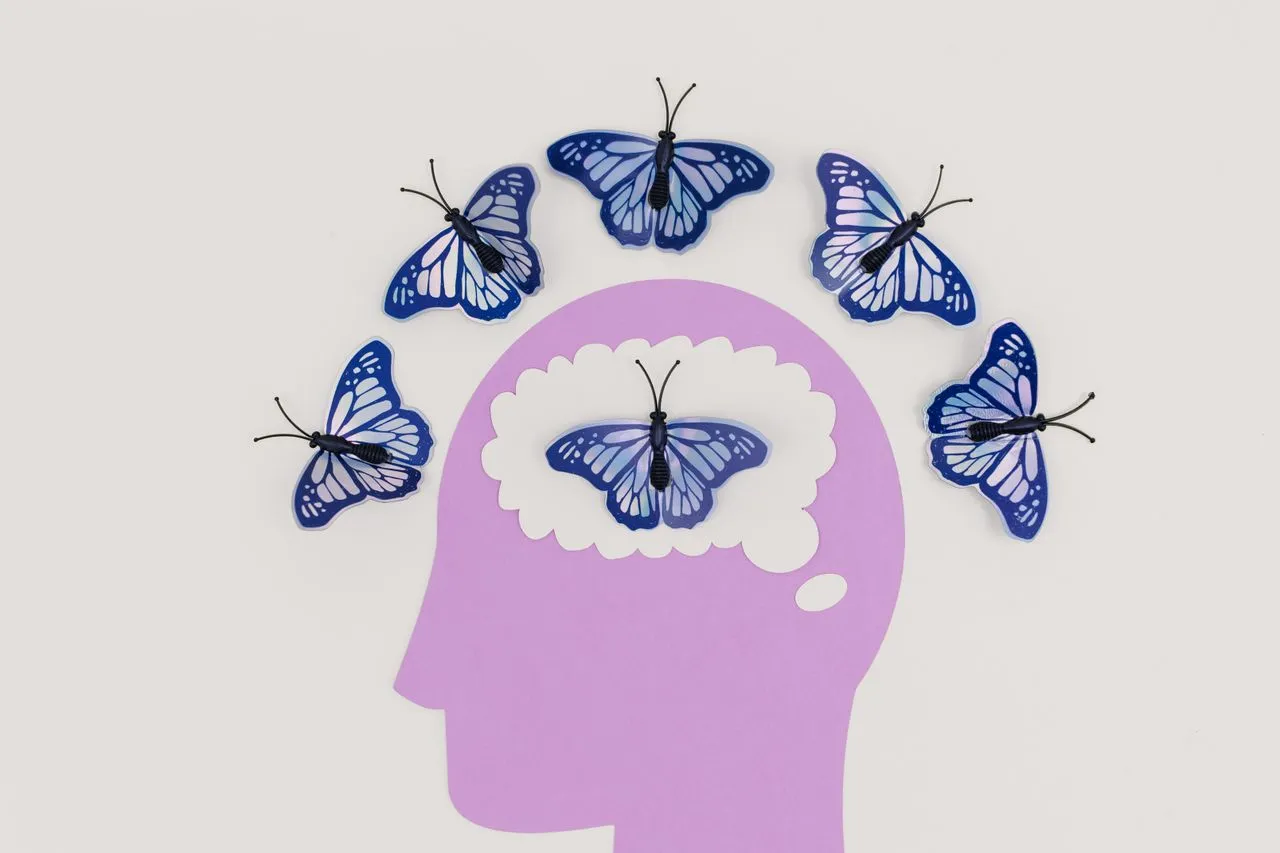
Photo by Tara Winstead on Pexels.com
Looking at art activates multiple brain systems simultaneously. The visual cortex processes the image. The amygdala responds to emotional content. The default mode network, associated with self-referential thought and mind-wandering, engages when you view art that resonates with you personally. The mirror neuron system activates when you see evidence of the artist's physical gestures in the work. Music activates auditory cortex, motor areas, and the mesolimbic reward system. Dance activates motor cortex, visual areas, and emotional processing regions. No other human activity engages this many brain systems at once.
A 2026 review article in Nature Reviews Psychology summarized the evidence on how arts engagement improves mental health, identifying 50 distinct causal mechanisms organized into categories including neurobiological, psychological, and social pathways. The review concluded that a combination of multiple interconnected mechanisms explains the positive impact of arts on mental health, and proposed the concept of an "arts exposome": the cumulative effect of day-to-day patterns of arts engagement on mental and physical health over a lifetime. This is not a marginal effect. The arts are treated as a public health intervention. The full review is available at Nature Reviews Psychology.
A 2026 study published in Scientific Reports conducted a randomized controlled trial at the National Gallery in London with 281 participants, testing whether guided viewing strategies could enhance the well-being effects of art viewing. Across all conditions, significant improvements in well-being were detected from pre- to post-gallery viewing. The study found that guided viewing, which focused on slow and detailed observation of style, led to greater increases in positive mood than a pre-viewing mindfulness session. Among first-time visitors, these strategies were especially beneficial. In other words, just looking at art, with some guidance on how to look, measurably improves well-being. The full study is at Scientific Reports.
A separate 2025 review in Frontiers in Psychology proposed a neuro-psycho-cultural framework for art therapy, synthesizing evidence that art making facilitates healing through the coordinated reconfiguration of the default mode network, salience network, and central executive network. The review found clinical benefits in trauma, schizophrenia, neurodegenerative diseases, and cancer-related symptoms. Art therapy modulates biomarkers, fosters self-identity, improves emotion regulation, and promotes flow states. The evidence base is now strong enough that art therapy is positioned as an integrative, patient-centered intervention bridging neuroscience, psychology, and cultural anthropology. You can read the full review at Frontiers in Psychology.
Art as Social Memory and Challenge
Art records what societies want to remember and what they need to confront. The cave paintings recorded animals and hunting knowledge. Greek sculpture recorded idealized human form and divine mythology. Renaissance painting recorded religious narrative and civic pride. Goya's "The Third of May 1808" recorded the execution of Spanish civilians by Napoleon's troops with a directness that still shocks. Picasso's "Guernica" recorded the bombing of a Basque town in 1937 and became the most famous anti-war painting in history.
Art also challenges what societies would prefer to ignore. Banksy's 2026 statue in Waterloo Place, placed near monuments to British imperialism, is a direct challenge to the narratives those monuments celebrate. The street art of Shamsia Hassani in Kabul challenges the erasure of women from Afghan public space. The restitution debates of 2025 and 2026, in which France, Germany, and the Netherlands have returned looted cultural objects to Ghana, Benin, and Nigeria, are fundamentally about art's role as cultural property and the ethics of who gets to hold the memory. You can read more about this in our guide to why provenance matters.
For more on how art functions as social testimony, see our guide to street art. The relationship between art and political power is also explored in our overview of Baroque art, which shows how the Catholic Church used art as a tool of counter-reformation persuasion.
Why Art Still Matters Now
The argument that art is a luxury depends on a definition of "necessity" that is too narrow. Food, shelter, and safety are necessary for survival. But humans do not merely survive. They process, they communicate, they remember, they imagine, and they connect. Art is the primary tool for all of those activities. Without it, you have a species that eats and sleeps and reproduces but does not understand why it is doing any of those things.
The neurological evidence is now overwhelming that art engagement changes the brain in ways that promote well-being, emotional regulation, and social connection. The historical evidence is overwhelming that art has been present in every human culture, in every period, including periods of extreme deprivation. The clinical evidence is growing that art therapy works for conditions ranging from PTSD to dementia. Art is not a luxury. It is a biological necessity for a species that evolved to make meaning as well as meals.
If you want to understand more about how art affects the brain, our guide to why some artworks give you chills explores the neuroscience of aesthetic experience in detail. For a broader framework on how to engage with art more deeply, see How to Look at Art for Beginners.
Final Thoughts
Art matters because it is the thing humans do that no other species does. It is the evidence that we are not just surviving but processing, interpreting, and communicating about our experience. It is the first language we used, the one we still turn to when words fail, and the one that continues to shape how we see each other and ourselves. The next time someone asks what good art is when the lights are going out, tell them this: art is how we see in the dark.
What piece of art has mattered most to you? Share in the comments below.


