The Hand in Art: Gesture, Symbol, and What Hands Communicate in Images
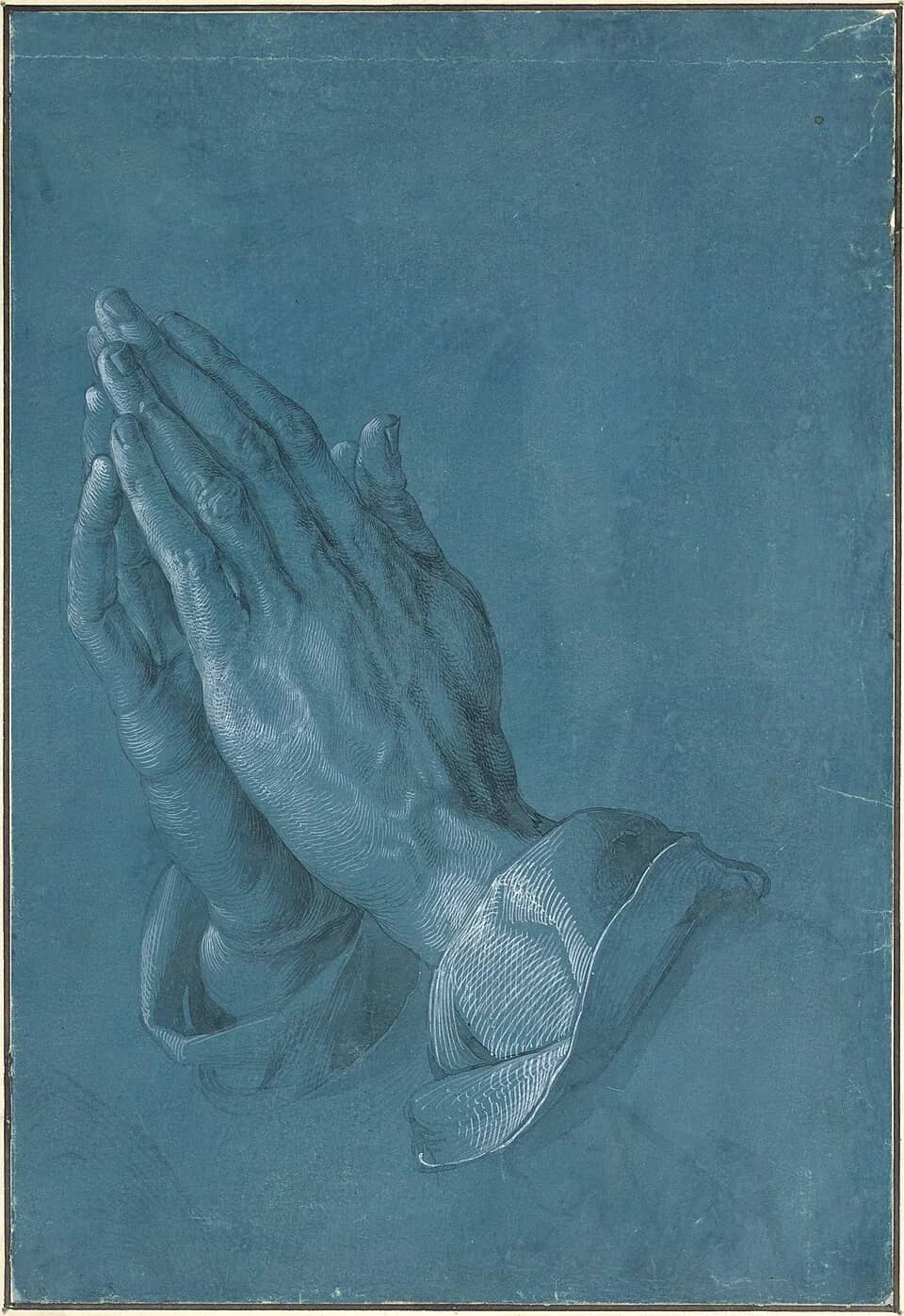
Dürer's Praying Hands are the most famous hands in art. Buddhist mudras encode enlightenment. Michelangelo's Adam hand reaches for God. Discover what hands say in art.
Your cart is empty
Browse the store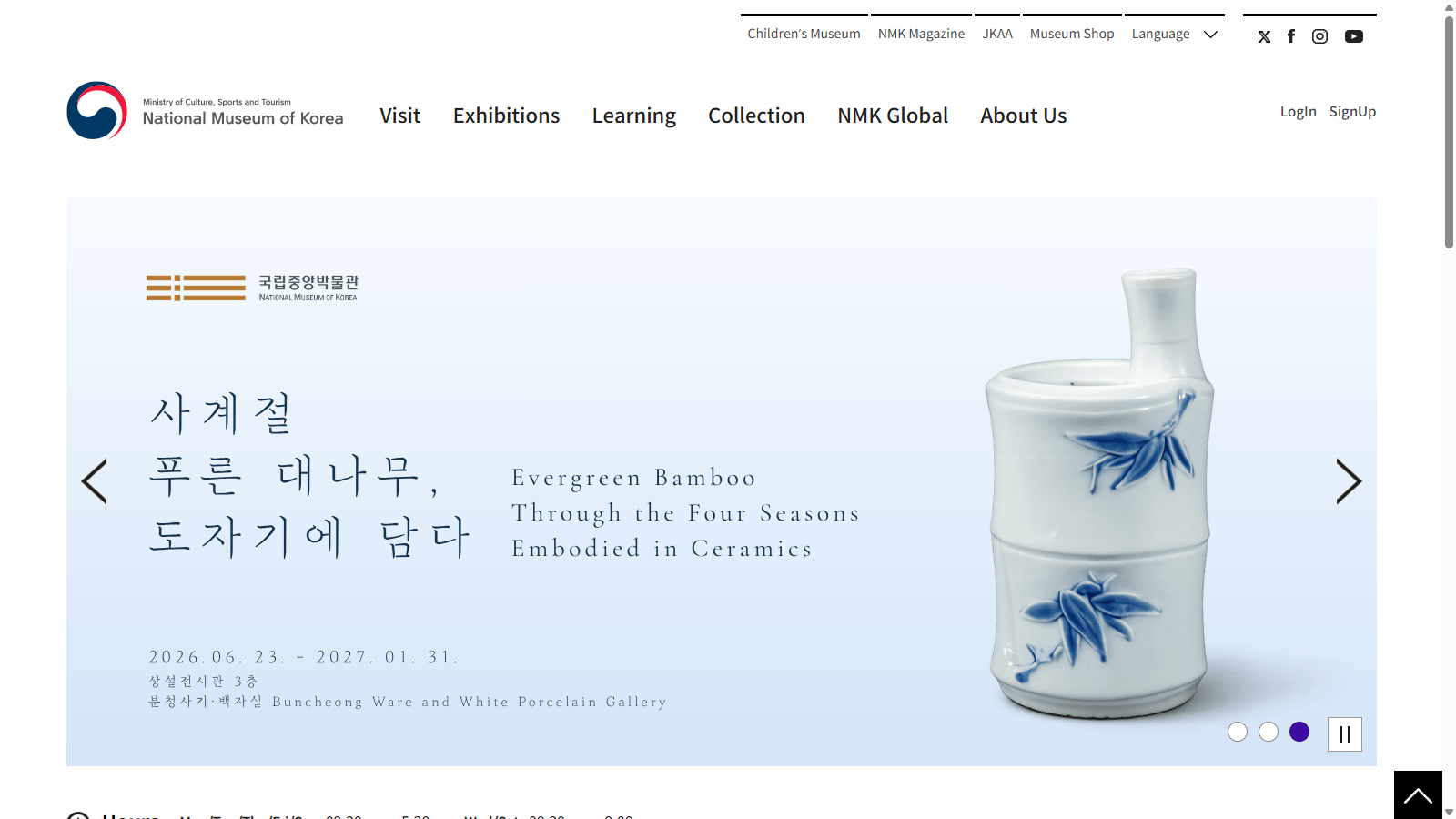
Korea's flagship museum in Yongsan holds 310,000 objects including national treasure celadon and Buddhist art. Free permanent galleries, Wed/Sat open till 9 PM.
Last updated on November 15, 2026
Discover other museums and cultural institutions you might be interested in
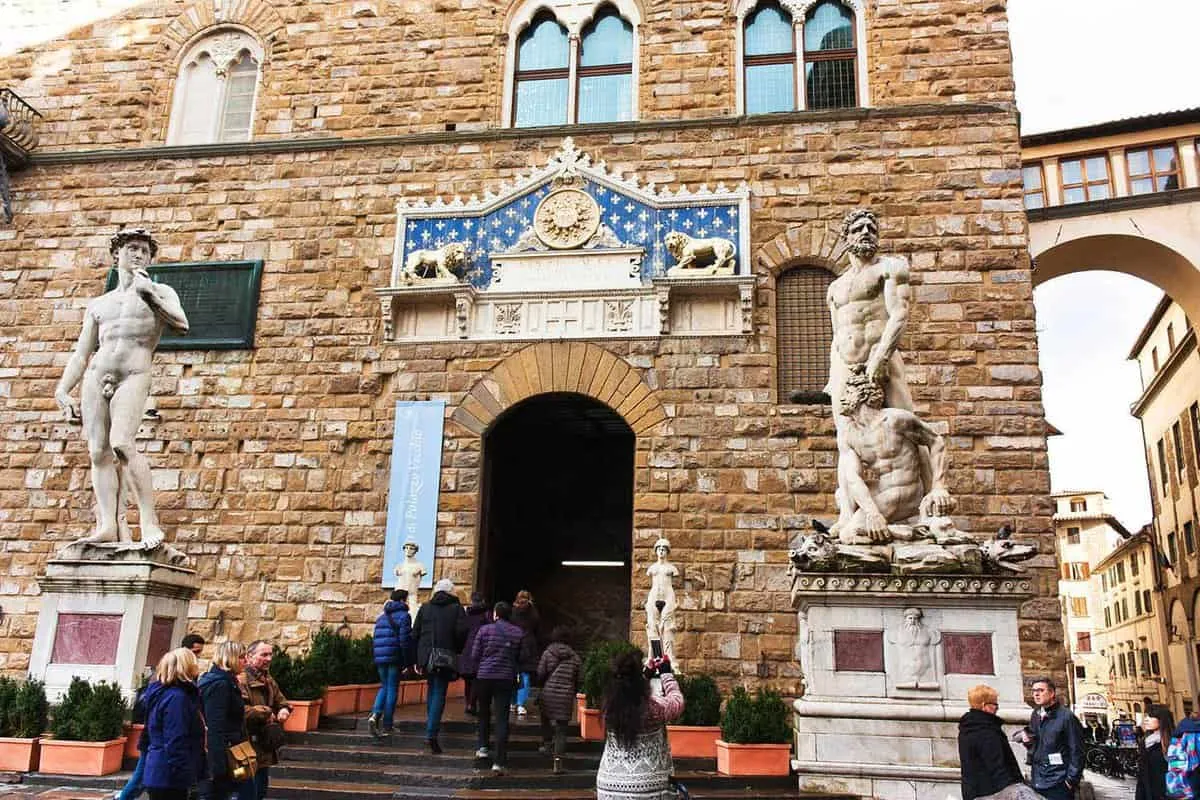
Florence's Accademia Gallery holds Michelangelo's David and the unfinished Prisoners. Tickets rose to €20 in February 2026. Book a timed slot or lose hours in line.
View details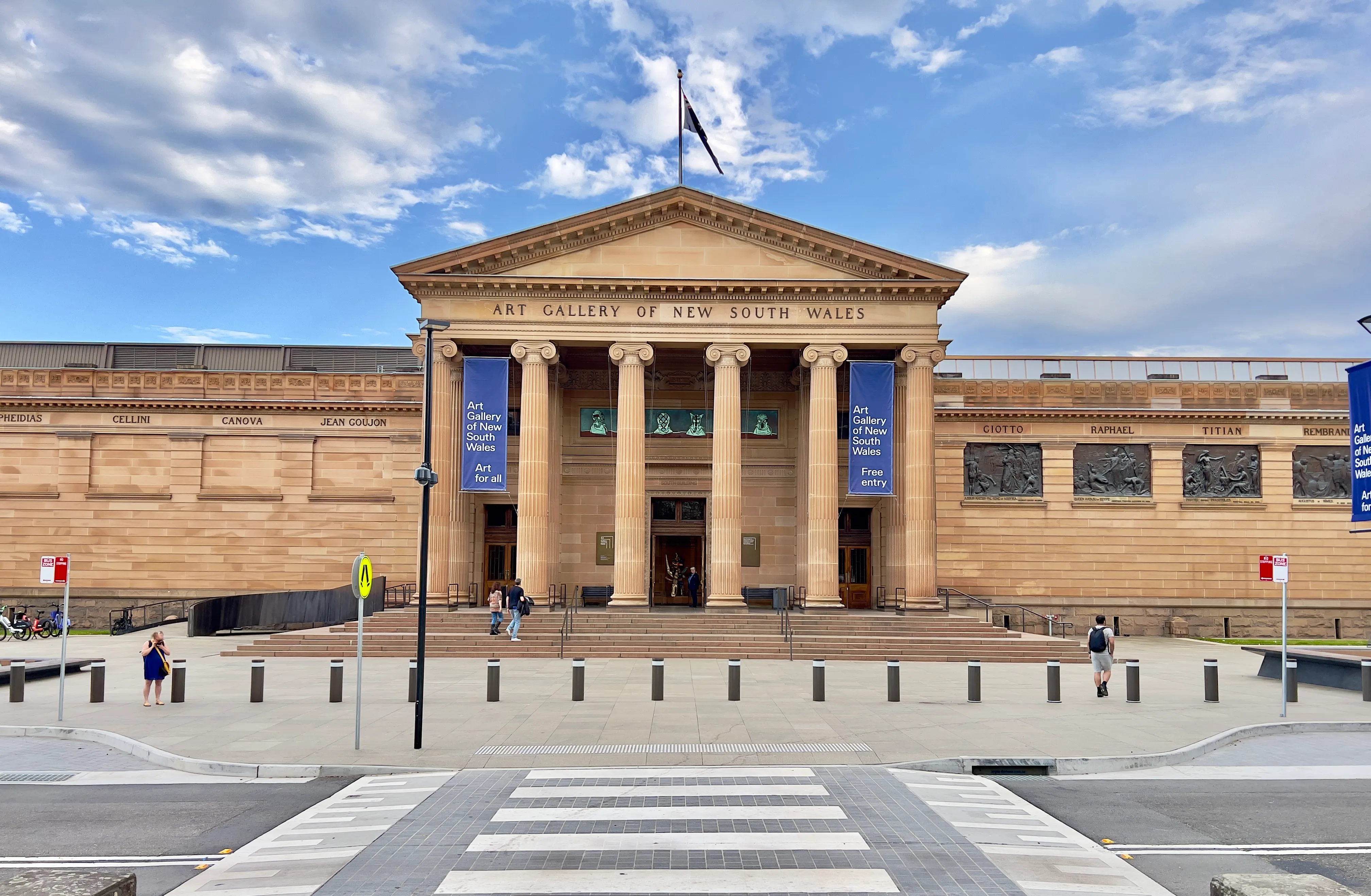
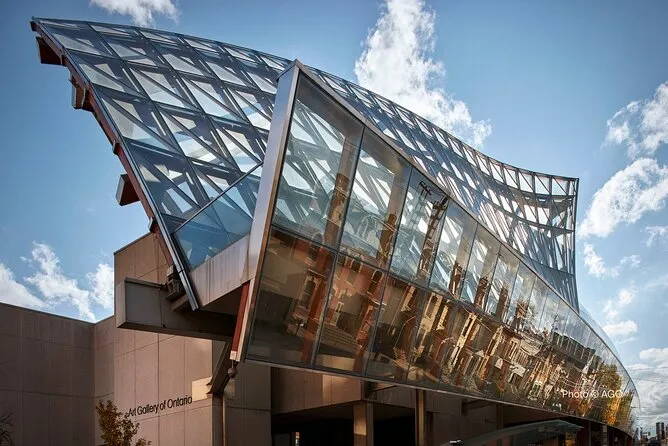
Sydney's free art museum pairing colonial classics with a SANAA-designed contemporary wing and the best Aboriginal art galleries in Australia.
View detailsExplore definitions from our glossary that connect to this museum
Read more about this topic on our blog
Dürer's Praying Hands are the most famous hands in art. Buddhist mudras encode enlightenment. Michelangelo's Adam hand reaches for God. Discover what hands say in art.
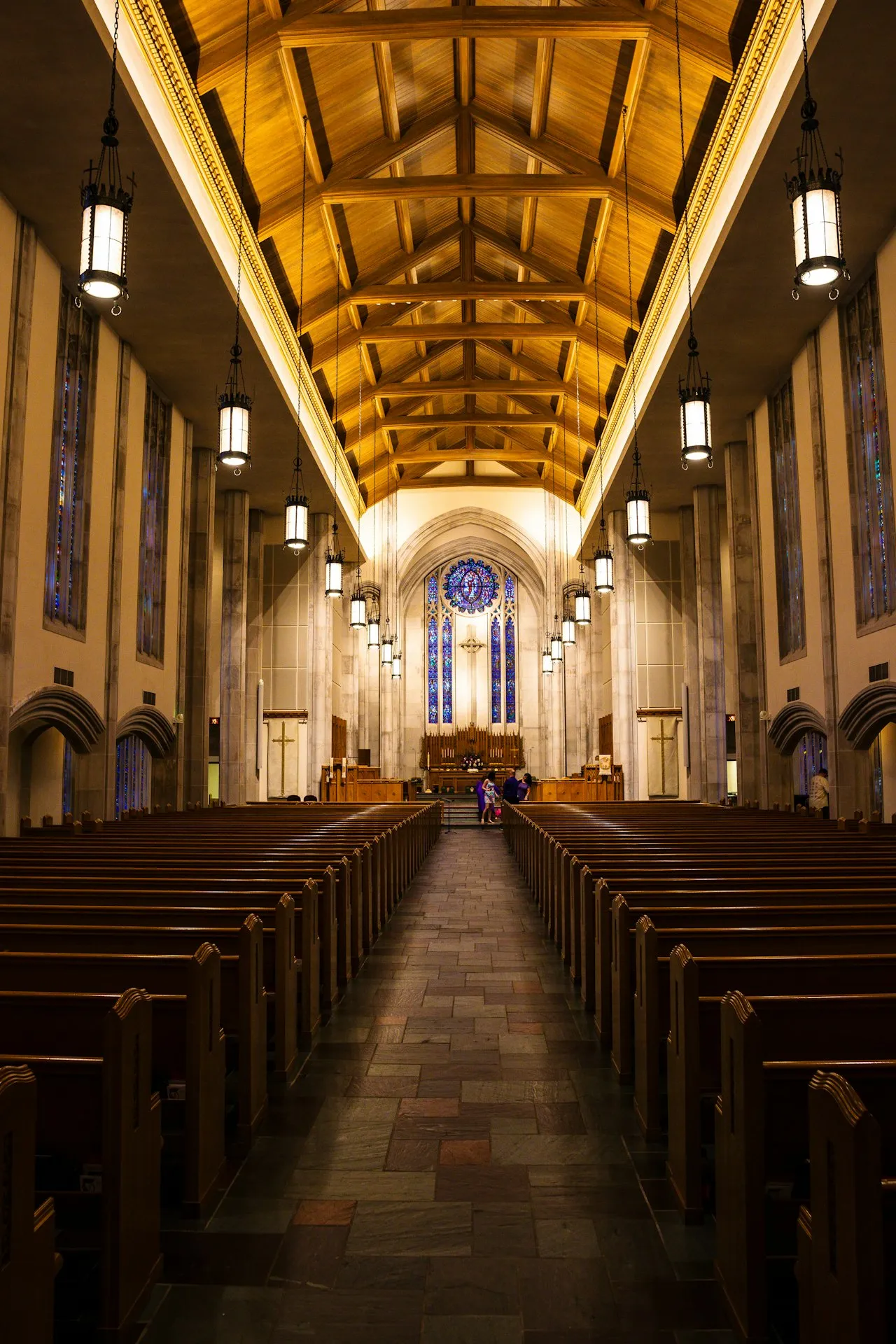
Explore how the world's major religions have used, regulated, and sometimes banned visual art. From Byzantine icons and Islamic geometric art to Buddhist thangkas and Hindu temple sculpture, discover what sacred images reveal about faith and visual culture.
The National Museum of Korea in Yongsan is the country's flagship institution, a monumental 2005 building on the old U.S. Army base land that holds over 310,000 objects covering Korean history from the Paleolithic to the 20th century. The permanent galleries are completely free with no reservation needed, which makes it the best-value major museum in Asia. Walk in.
Regular hours are Monday, Tuesday, Thursday, Friday, and Sunday 9:30 AM to 5:30 PM; Wednesdays and Saturdays open till 9 PM. The outdoor Pagoda Garden is open 7 AM to 10 PM daily. Closed January 1, Lunar New Year, Chuseok, and the first Monday of March, June, September, and December.
The first floor is archaeology and history: Paleolithic tools, the spectacular Silla gold crowns from the 5th-6th century royal tombs at Gyeongju (delicate openwork gold with jade comma-shaped beads, some of the finest surviving goldwork from East Asia), Buddhist sculpture, and the dawn of Korean ceramics. The second floor is fine art: Goryeo celadon, the pale jade-green glazed ceramics that are the country's most famous art form, displayed in a sequence that explains the technical achievement of the inlay technique called sanggam. The third floor is sculpture and crafts, with the Pensive Bodhisattva (National Treasure 83), a 7th century gilt-bronze figure whose crossed-leg contemplative pose is the single most reproduced image in Korean art.
The building itself is designed to draw your eye through the main hall to N Seoul Tower on Namsan in the distance. The reflecting pond in front, the traditional garden with transplanted stone pagodas, and the view across to the war memorial axis make the whole site worth the trip independent of the galleries.
The Room of Quiet Contemplation on the third floor, opened 2021, displays the two Pensive Bodhisattvas under a single circular light: the museum's signature space and the place to sit for ten minutes doing nothing else, though its status during the current 3F renovation should be confirmed on the visitor notice. The celadon galleries on the second floor are the technical highlight, particularly the 12th-13th century Goryeo inlay pieces and the crane-and-cloud motifs that inspired generations of Japanese potters. Buddhist painting from the Goryeo period is among the finest in the world; the hanging scrolls are rotated for conservation, so check what is on display.
Special exhibitions are paid (typically ₩15,000-18,000) and the museum brings in serious international loans; past seasons have included the British Museum's major Korean holdings returning home, Austen and Brontë-related collaborations, and 20th century European masters. Check the current slate when you visit.
One caveat through winter 2026-27: several second and third floor galleries are closed for renovation from July 6, 2026 through January 28, 2027, including Calligraphy and Painting (rooms 202-204), Buddhist Painting (203), Wood and Lacquer Crafts (204), Buddhist Sculpture (301), and Metal Crafts (302). The archaeology floor, the celadon galleries, and the headline exhibitions are unaffected, but check the notice before promising yourself the Buddhist sculpture rooms.
The Children's Museum runs five daily 80-minute sessions with a 320-person reservation cap, also free. English-language guided tours run weekdays at 10:30 AM and 1 PM from the Korean Empire gallery, free with the walk-in visit. The museum shop complex (three stores) is the best place in Korea to buy high-quality reproduction celadon and art books.
Ichon Station on Line 4 / Gyeongui-Jungang Line, exit 2, is a 5-minute walk through the subway tunnel that opens directly at the museum's lower plaza. Budget half a day minimum; a serious visit runs four hours and the café in the main hall is a legitimate place to recharge. The Wednesday or Saturday evening visit until 9 PM is the local secret: the galleries stay near-empty after 6, the building is lit up, and the garden and reflecting pond are open until 10.
Against Seoul's other museums: the Leeum Samsung Museum across town in Hannam-dong is the polished private alternative with a better international contemporary program but a ₩18,000 ticket. The National Folk Museum inside Gyeongbokgung is more casual and ethnographic. For one museum day in Seoul the NMK is the obvious pick: it is the national collection, it is free, and the building itself is one of the finest post-2000 museum structures in Asia.
The museum's grounds deserve as much time as the galleries. The Pagoda Garden behind the main hall holds the Gyeongcheonsa Pagoda (National Treasure 86), a ten-story 14th century marble pagoda that used to stand at a Gyeonggi temple before Japanese removal and eventual repatriation. The garden paths wind past stone lanterns, stelae, and the Great Bell of Bosingak, and the whole outdoor zone is open until 10 PM every night even when the galleries close. On Wednesday and Saturday evenings the pagoda is lit and the crowds are a fraction of daytime. For a free, after-dark Seoul cultural experience this is better than almost any ticketed option in the city.
Anyone with a Seoul itinerary. Celadon and Buddhist art specialists get the deepest holdings in the world. Families get the free Children's Museum. Evening visitors get the best museum experience in the city on Wednesday or Saturday. Skip it only if you are purely interested in contemporary art (in which case Leeum or MMCA is the better call) or if your Seoul window is under four hours total. There is no cheaper major museum anywhere in the world for what it delivers.
Quiet Canvas is a space for artists and art lovers: essays, glossary terms, tools, and curated directories to support your creative practice.
Learn more →Hand-picked matches from our other directories
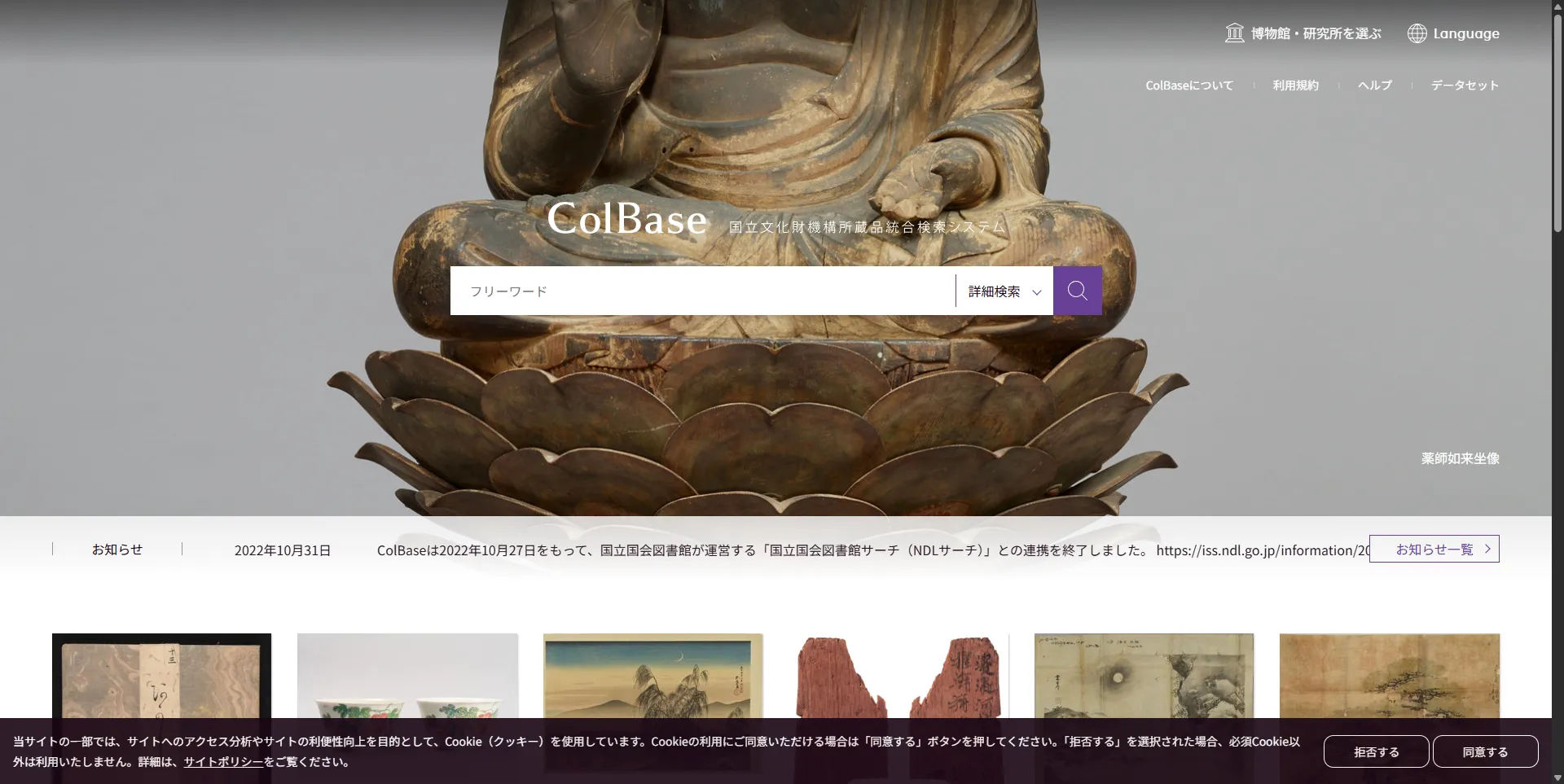
ColBase is the integrated database of Japan's four national museums, offering downloadable high-resolution images of Japanese art and cultural heritage. Free, with 5,800 downloads per month and a 2022 Digital Archive Japan Award.
View details
A mandala is a sacred geometric diagram representing the cosmos in Buddhist and Hindu art. From the Sri Yantra to the Kalachakra sand mandala, learn its symbolism, structure, and meaning.
View details


