
Adult Art Classes: What to Expect and How to Find the Right One
Never held a brush? Adult art classes welcome beginners with no experience. Here's what to expect, how to find the right class, and why it's never too late to start making art.
Your cart is empty
Browse the store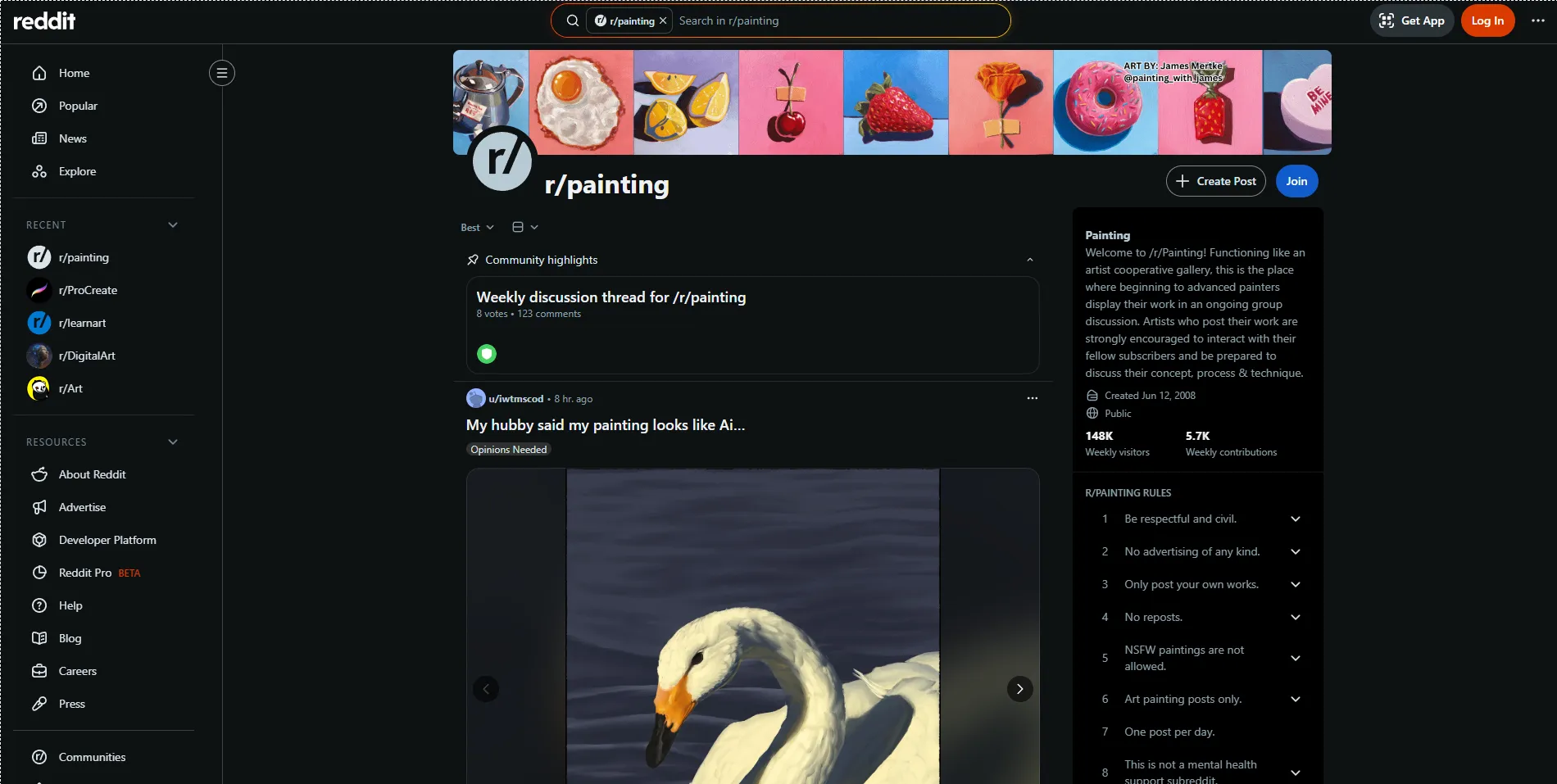
Reddit's largest traditional painting community with 4.6 million members, sharing work across oil, acrylic, watercolor, and gouache with a flair-based feedback system and deep medium-specific knowledge.
Discover other art communities you might be interested in
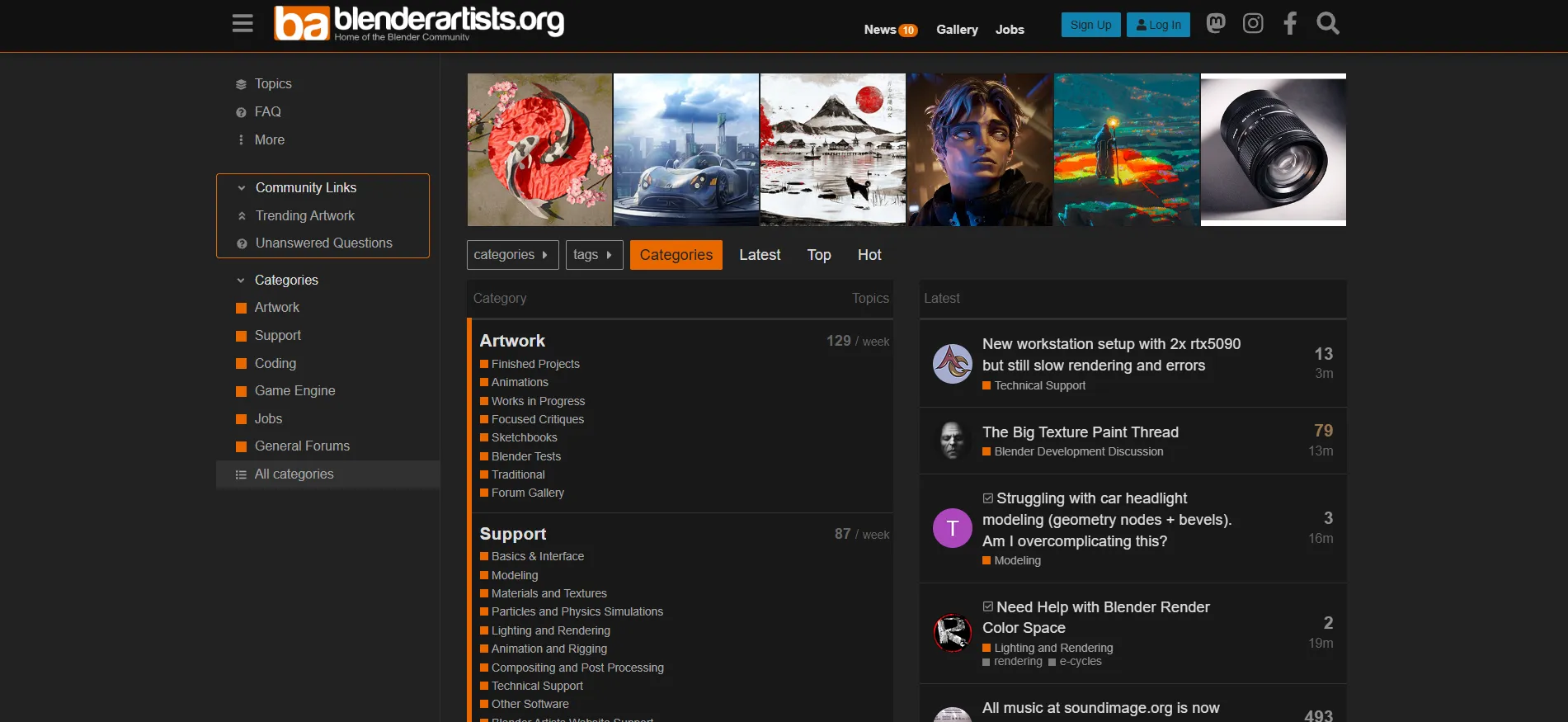
The longest-running Blender 3D community forum, hosting 200K+ members and 1M+ posts covering modeling, rendering, animation, and Blender's rapid feature evolution through 2026.
View details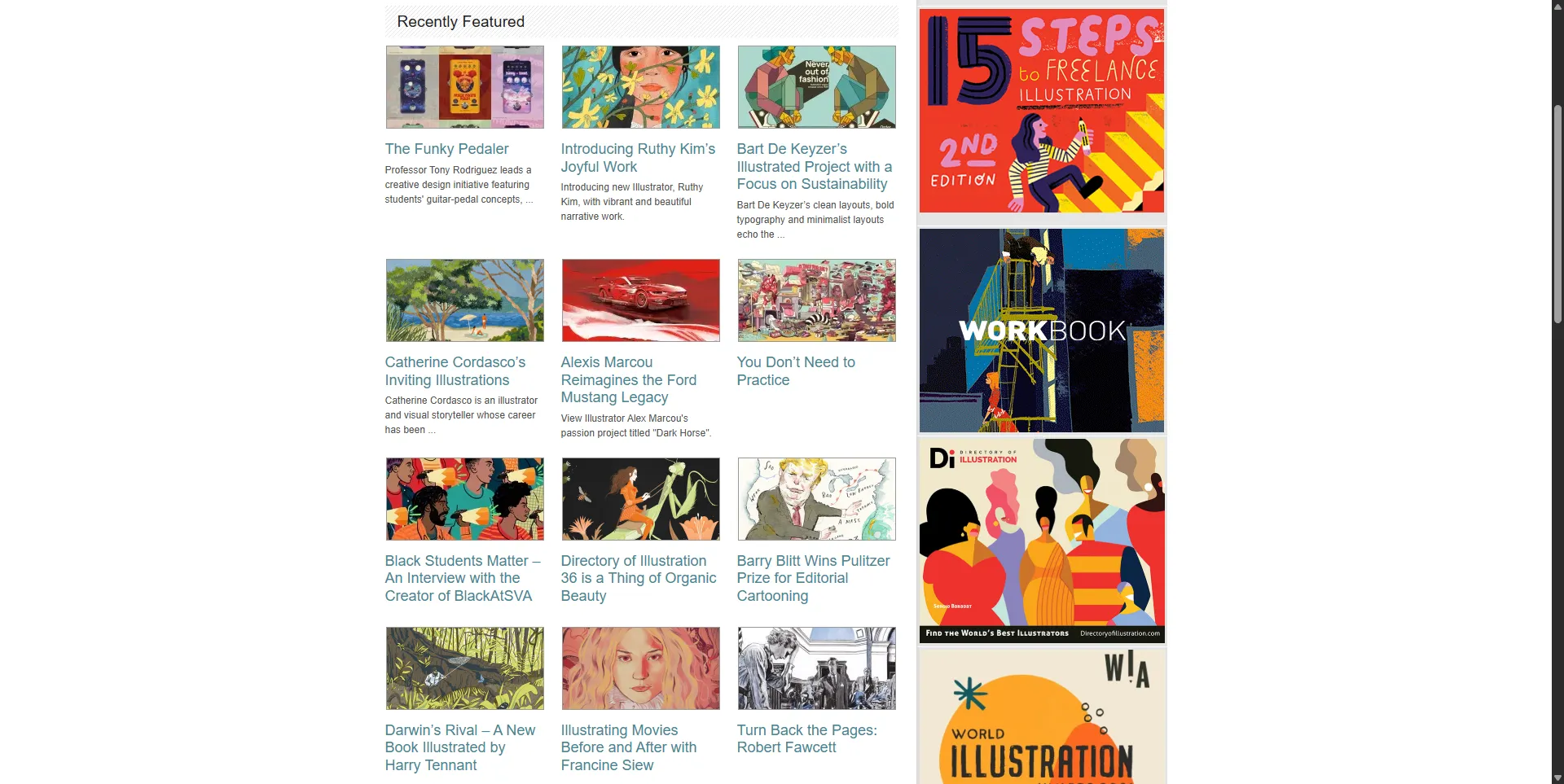
Illustration Age has showcased contemporary illustrators since 2010 with artist features, a podcast, and a resource library. 26,000+ subscribers. Honest look at its strengths.
View detailsExplore definitions from our glossary that connect to this community
A canvas panel is primed canvas glued to a rigid backing like MDF or hardboard. Learn its history from Impressionist plein air studies to modern mass-produced panels.
Canvas is the woven fabric surface used for oil and acrylic painting. Learn its history from 15th-century Venice to modern cotton duck, types, weights, and how to choose canvas.
Read more about this topic on our blog
Never held a brush? Adult art classes welcome beginners with no experience. Here's what to expect, how to find the right class, and why it's never too late to start making art.

Jenny Saville paints the human body at a scale that makes it impossible to look away. Discover how the British painter became one of the most important figurative artists of the 21st century.

Discover why acrylic paint is the best medium for beginner artists. Learn essential techniques, materials, and tips from artists like David Hockney and Mark Rothko who built careers on this versatile medium.
With approximately 4.6 million members as of mid-2026, r/painting is the largest traditional painting community on Reddit and possibly the largest active painting forum on the internet. Founded in 2010, the subreddit has grown by roughly 174,000 members (4%) in 2026 alone, adding members at a rate that suggests traditional painting is far from the dying art form that digital evangelists keep predicting.
The community's description calls it "a place where beginning to advanced painters display their work in an ongoing group discussion." That framing as an "artist cooperative gallery" is accurate: r/painting functions as a continuously running group show where painters across all media, styles, and skill levels share work and talk about how it was made.
r/painting uses a flair system that members can use to filter content by intent:
The "brutal critique" flair is the community's most distinctive feature. Most online art communities default to polite encouragement, which is pleasant but not useful for artists who need to know what is actually wrong with their work. The "brutal critique" flair signals that the poster wants honest assessment, and the community delivers: specific, technical, sometimes uncomfortable feedback that addresses composition, color, value, edge handling, and other painting fundamentals.
If you post with a "just sharing" flair, you will get encouragement. If you post with "brutal critique," you will get a real assessment. The system lets members choose the kind of engagement they want, which prevents the mismatch between expectation and response that frustrates users on less structured platforms.
Because the community is focused exclusively on painting, material and technique discussions reach a depth that generalist art communities cannot match. Threads comparing oil painting mediums (linseed oil vs. stand oil vs. Liquin), analyzing the properties of different acrylic brands (Golden vs. Liquitex vs. student-grade), or discussing watercolor paper behavior (cold press vs. hot press, cotton vs. cellulose) attract informed responses from painters with decades of experience in those specific media.
The community functions as an informal but highly effective art supply review platform. Members share experiences with specific paint brands, brush types, canvas preparations, mediums, solvents, and surfaces. Because these recommendations come from practicing painters who have used the products in actual studio work rather than from reviewers who may have tested products briefly, the collective supply knowledge is remarkably reliable.
Questions like "What is the best student-grade acrylic paint?" or "Is it worth upgrading to artist-grade watercolors?" generate extensive response threads where painters at different skill levels and budget points share their experiences. For artists making purchasing decisions, these crowd-sourced recommendations provide more useful guidance than any single review.
The subreddit covers the full range of painting media:
Oil painting discussions dominate, reflecting oil's status as the traditional prestige medium. Topics include underpainting techniques, glazing strategies, alla prima painting, solvent safety, medium formulation, and the specific challenges of oil painting outdoors (plein air). The community regularly discusses the toxicity of traditional solvents and the growing adoption of safer alternatives like solvent-free painting mediums.
Acrylic painting content addresses the unique properties of acrylics: fast drying time, color shifts between wet and dry states, medium additives for changing transparency and texture, and techniques specific to acrylics like pouring, impasto, and mixed media approaches. The acrylic community within r/painting is particularly active in sharing experimental techniques.
Watercolor discussions cover paper selection, wet-on-wet vs. wet-on-dry techniques, masking fluid usage, granulating pigments, and the specific control challenges that make watercolor both rewarding and frustrating. The watercolor community is notably supportive of beginners, as watercolor has a steep learning curve that experienced practitioners remember vividly.
Gouache has seen a resurgence in popularity, and r/painting reflects this trend with increasing posts about gouache techniques, brand comparisons (Holbein vs. M. Graham vs. Winsor and Newton), and the unique challenges of working in an opaque water-based medium.
The high volume of daily posts creates a continuous stream of creative inspiration. Scrolling through r/painting exposes you to styles, subjects, color palettes, and approaches you might never encounter in your own artistic circle: photorealism, impressionism, abstract expressionism, surrealism, plein air landscapes, figurative work, still life, and contemporary mixed media.
This exposure is a valuable counterbalance to the algorithmic bubbles of Instagram and TikTok. On those platforms, you see work similar to what you have already engaged with. On r/painting, the chronological feed shows work across the full range of painting practice, which expands your visual vocabulary and challenges assumptions about what painting can look like.
The moderation team maintains a culture that is encouraging without being dishonest. Constructive criticism is welcomed when requested, but the default response to shared work is supportive and appreciative. This balance, warmth without sycophancy and honesty without harshness, creates a community where painters feel safe sharing work in progress and asking for help with specific problems.
The community also actively combats the gatekeeping and elitism that can plague art spaces. All painting media are treated with equal respect. Oil painting does not receive preferential treatment over acrylics. Watercolor is not dismissed as a lesser medium. Digital painting that simulates traditional painting techniques is welcomed alongside physical work. This inclusivity reflects a genuine belief that painting is defined by the act of applying color to surfaces, regardless of the specific tools used.
The community enforces a no-AI-art rule, consistent with the broader trend across art subreddits. The rule is stated in the community guidelines: "No AI art."
r/painting's advantage is its size and cross-media scope. Its disadvantage is that painters working in a single medium may find deeper technical discussion in medium-specific subreddits.
This is for you if: You are a traditional painter working in oil, acrylic, watercolor, gouache, or mixed media who wants to share work with a large, active community. You want medium-specific technical discussion and supply recommendations. You are looking for honest feedback on your paintings. You want exposure to diverse painting styles and approaches.
This is not for you if: You are exclusively a digital artist (use r/DigitalArt). You want to learn art fundamentals from scratch (use r/learnart). You are looking for career or business discussion (use r/ArtistLounge). You post AI-generated art (it is banned). You need structured painting instruction (use an online course or workshop).
r/painting is the largest and most active painting community on Reddit, and its 4.6 million members give it a reach that no other painting-specific online community matches. The flair system, the medium-specific knowledge depth, and the culture of honest but supportive feedback make it a genuinely useful resource for painters at every level.
For beginners, the community provides encouragement and practical guidance. For intermediate painters, it offers exposure to diverse approaches and honest critique. For experienced painters, it provides a large audience for finished work and a place to share hard-won technical knowledge. For all three groups, the supply recommendations alone are worth the subscription.
Next steps: Visit r/painting and sort by "Hot" to see current work, then try filtering by flair to find "brutal critique" posts if you want to see the community's honest feedback culture in action. For painting instruction, explore our art courses directory for online classes and workshops. You can also browse our YouTube channels directory for free painting tutorials, or our communities directory for other painting communities.
Quiet Canvas is a space for artists and art lovers: essays, glossary terms, tools, and curated directories to support your creative practice.
Learn more →


