Artists and Illustrators: Britain's Best-Selling Magazine for Practising Artists
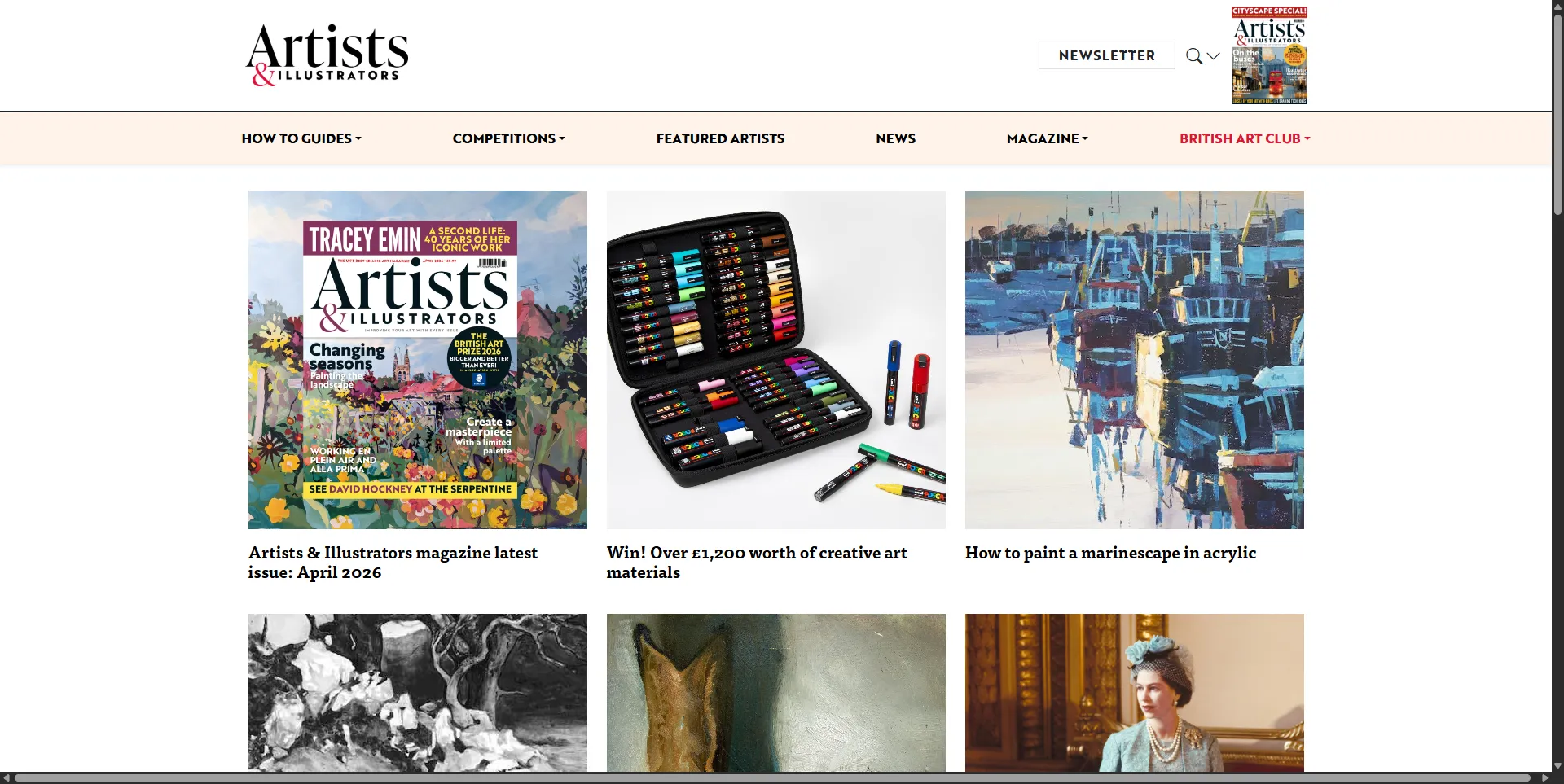
The May 2026 issue of Artists and Illustrators featured an exhibition of Rose Wylie's work at the Royal Academy. Wylie is 91. Her career famously took off in her seventies, and her paintings retain what the magazine called "a mischievous vitality that feels closer to youth than retrospection." That is the kind of story this magazine tells. Not profiles of artists who followed a neat path from art school to gallery representation, but profiles of artists who found their voice late, who balanced painting alongside day jobs, who entered the British Art Prize on a whim and ended up on the cover.
Published since 1986 and now Britain's best-selling magazine for practising artists, Artists and Illustrators covers the practical side of making art: technique, materials, studio practice, and the professional realities of an artistic career. It is published roughly every four weeks and is available by subscription and at newsagents across the UK.
The Technique Content: Step-by-Step from Real Artists
The technique articles are the core of the magazine. Each issue includes detailed demonstrations by professional artists showing exactly how specific effects are achieved, with progress photographs from blank surface to finished piece. The May 2026 issue, for example, included a watercolour architectural city scene by Iain Stewart, an acrylic demonstration of light and glass by Sandra Busby, and a tiger painted in acrylic and spray paint by Bex Glover.
The media coverage is broad: oils, watercolour, acrylic, pastel, coloured pencil, and digital illustration all appear regularly. The demonstrations are specific enough to follow along with, and the artists chosen are consistently working professionals rather than editorial staff writing about technique secondhand.
Insider tip: The step-by-step demonstrations are more useful if you actually paint along rather than just reading them. The magazine's website includes video tutorials that complement the print articles, but the video library is not well indexed. Search by medium rather than by artist name to find the most relevant content.
The British Art Prize
The magazine runs the British Art Prize, an annual international competition open to artists at every stage, from beginners to established professionals. The 2026 competition is currently open for entries. Winners and shortlisted artists receive significant exposure: their work is published in the magazine, featured on the website, and exhibited in a physical exhibition.
The prize has gained credibility over the years. Recent winners have gone on to gallery representation and solo exhibitions, and the People's Choice award generates substantial public engagement. The 2026 People's Choice winner, Colin Revell, was a self-taught watercolour artist who appeared on season 10 of Sky Arts Landscape Artist of the Year and was voted best in show at the Royal Norfolk Show 2025.
Insider tip: The British Art Prize is genuinely open to beginners. The entry fee is modest, and the judges do not filter by credentials. If you have been painting for two years and have a strong piece, enter it. The shortlist regularly includes self-taught artists alongside academically trained ones.
The Materials Reviews
The materials coverage is where the magazine earns its subscription fee for many readers. Reviews of new and established art materials are written by practising artists who actually use the products, not editorial staff summarising manufacturer spec sheets. The reviews cover specific pigments, paper weights, brush performance, and the practical differences between competing products.
The materials content goes beyond individual product reviews. Broader articles cover the characteristics of different media: how different watercolour papers handle washes, how oil painting mediums affect drying times and surface quality, how acrylic additives change the working properties of the paint. This contextual information helps artists make better purchasing decisions and understand why a product that works for one artist might not work for another.
Insider tip: The magazine's materials reviews tend to focus on mid-range and professional-grade products rather than student-grade materials. If you are a beginner, the reviews will point you toward products that are more expensive than what you need right now. Start with student-grade materials and upgrade based on the magazine's recommendations once you can feel the differences.
The Artist Profiles
Each issue includes in-depth profiles of working artists, covering their studio practice, materials, and creative process. The profiles range from established artists with long exhibition histories to emerging artists who are just beginning to attract attention. Recent issues have featured Scottish landscape artist Ann Cowan, abstract oil painter Steen Foege, and Martin Jeffrey Wright, a self-described working-class oil painter who spent years fitting painting around long days and a young family with no formal art education.
These profiles are valuable because they show the reality of artistic careers rather than the idealised version. The profiled artists discuss their failures, their day jobs, their late starts, and the practical compromises they have made. For readers who are trying to build a painting practice alongside other responsibilities, these profiles are more useful than profiles of artists who went straight from art school to full-time practice.
The Online Presence and Competitions
The Artists and Illustrators website extends the magazine's content with online tutorials, additional artist profiles, and a competition calendar. The site also provides access to back issues for subscribers. The competition calendar is particularly useful: it lists open calls, prizes, and exhibition opportunities relevant to UK-based artists, with deadlines and entry requirements.
The magazine also promotes workshops and events, ranging from day workshops covering specific techniques to longer residential courses. These are primarily UK-based, which limits their relevance for international readers but makes them highly practical for the magazine's core British audience.
Competitor Comparison
Artists and Illustrators occupies a specific niche. In the US, Artists Network serves a similar audience with The Artist's Magazine and Watercolor Artist, but the content is oriented toward American readers, American competitions, and American art supply retailers. For UK-based artists, the British exhibition listings, UK-specific workshop calendar, and coverage of British artists make Artists and Illustrators more directly useful.
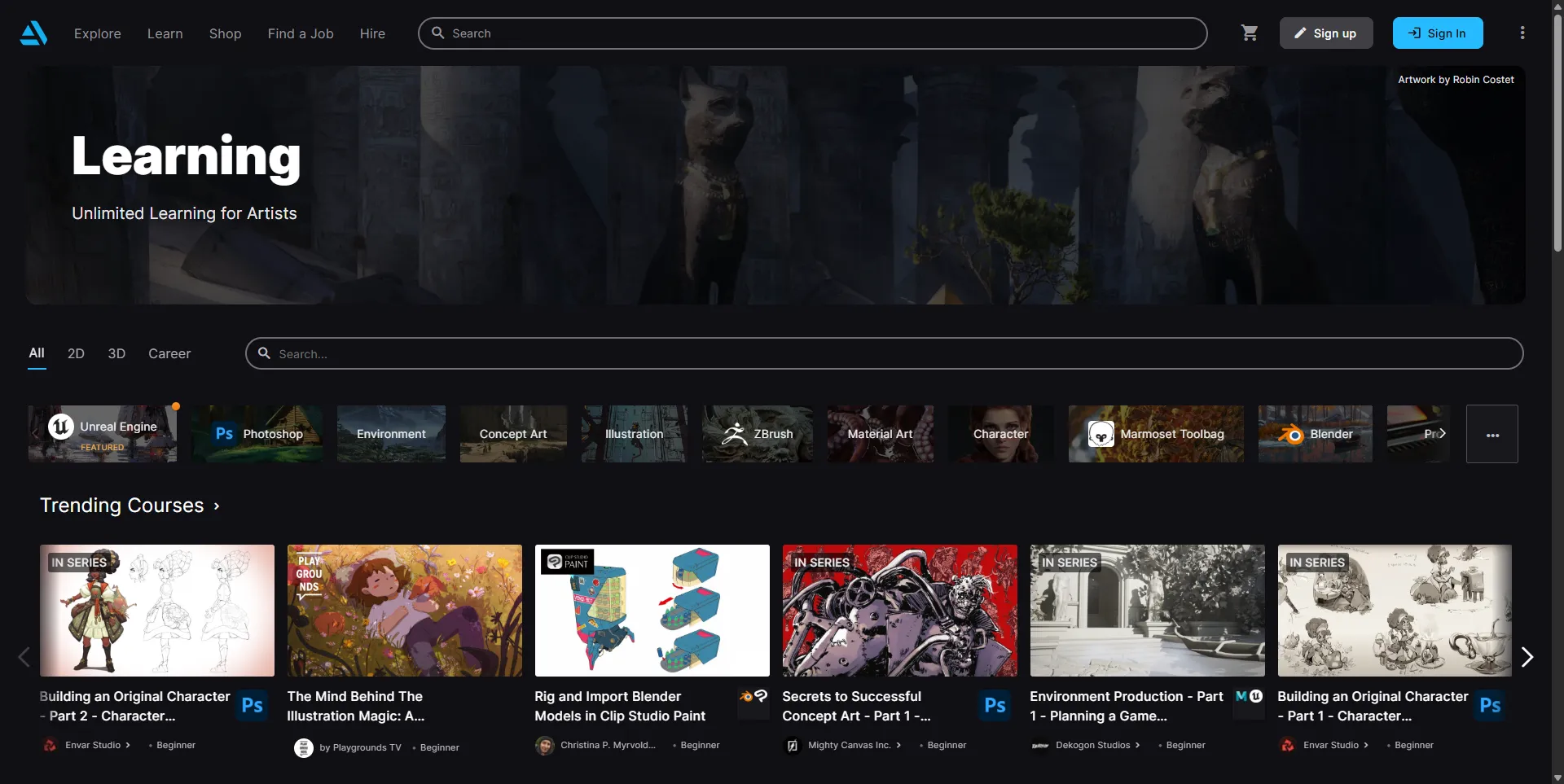
For digital and entertainment artists, this magazine is largely irrelevant. ArtStation Learning and Concept Art World serve that audience better. Artists and Illustrators is firmly focused on traditional media painters and illustrators who work in physical materials.
Compared to Leisure Painter (another UK publication from the same publisher), Artists and Illustrators is aimed at more committed practitioners rather than casual hobbyists. The technique content assumes a higher baseline of skill, and the artist profiles focus on professional or semi-professional careers rather than retirement hobbyists.
Final Verdict: Who Is This Actually For?
Artists and Illustrators is for UK-based practising artists who work in traditional media and want practical, honest information about technique, materials, and professional development. If you paint in oils, watercolour, acrylic, or pastel, and you want step-by-step demonstrations from working artists, materials reviews you can trust, and a competition calendar focused on opportunities you can actually enter, this magazine delivers.
It is not for digital artists, concept artists, or artists working outside the UK. The British focus is a strength for its core audience but a limitation for everyone else. The technique content is also primarily aimed at intermediate painters rather than absolute beginners or advanced professionals. Beginners may find the demonstrations assume knowledge they do not yet have, and advanced professionals may find the technique content covers ground they have already mastered.
Subscribe at artistsandillustrators.co.uk for the print edition, digital edition, or both. The current offer of 6 issues for £22.99 by Direct Debit is a reasonable entry point. For related resources, see our profiles on Artists Network, Gurney Journey, and the Art Renewal Center.