Technique
·6 min readDigital Art: The Modern Creative Frontier Explained
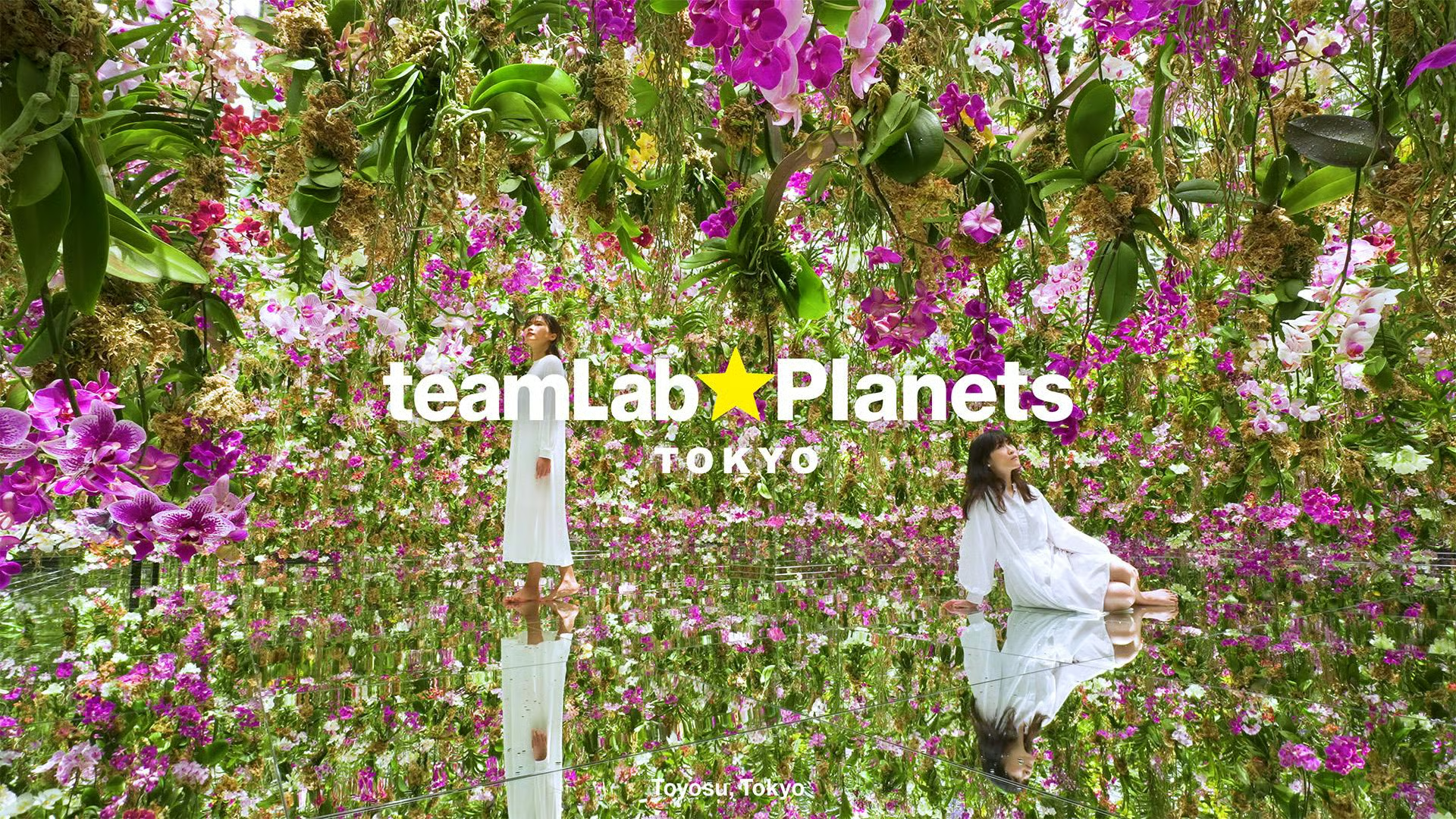
The evolution of digital art, from 1960s code to immersive VR experiences and the future of creative technology.
A collection of essays, reflections, and explorations in the world of art. Each piece invites you to pause and see the world through a different lens.
The evolution of digital art, from 1960s code to immersive VR experiences and the future of creative technology.
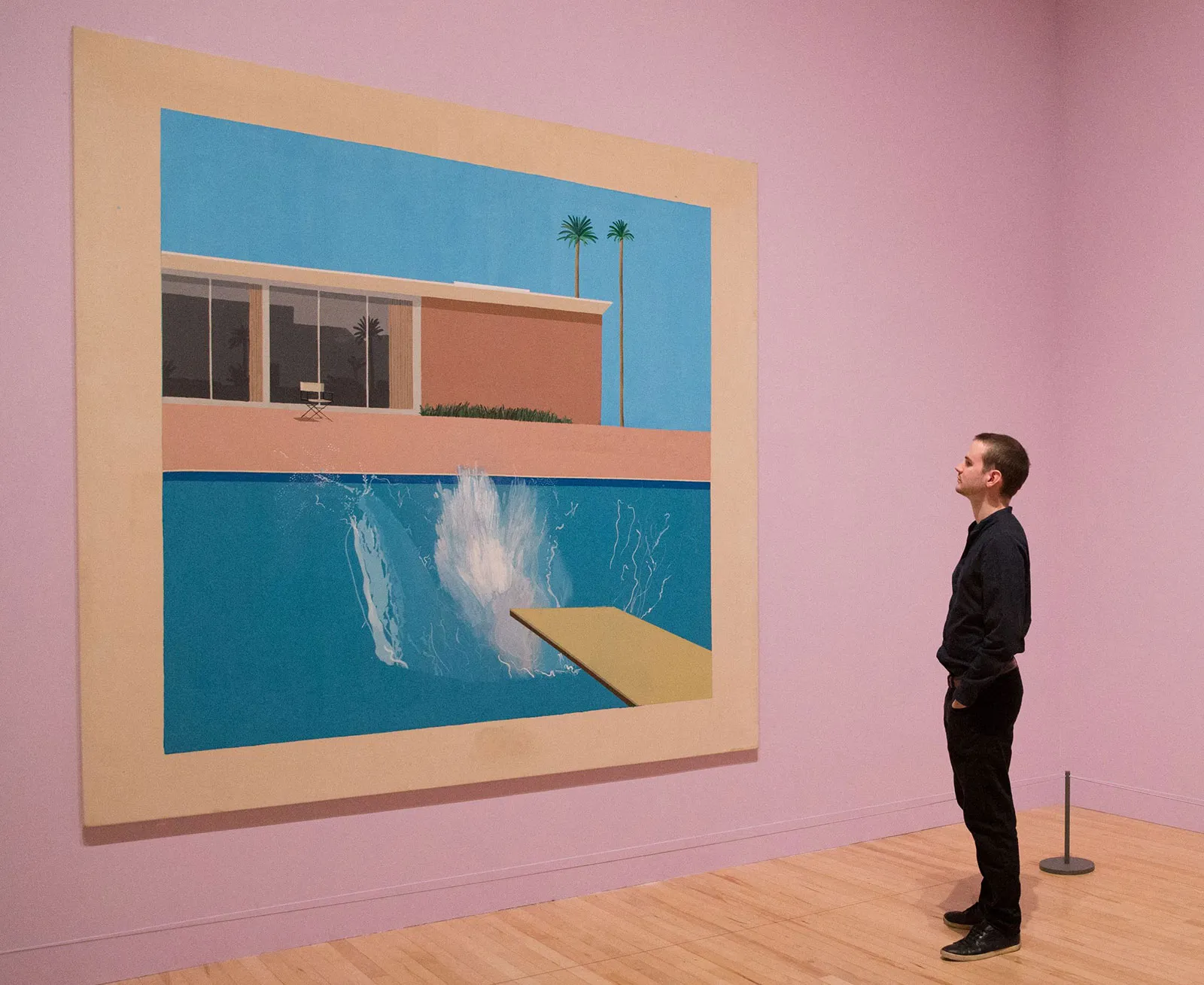
David Hockney’s vibrant journey from 1960s Pop Art to digital iPad drawings and his lasting impact on modern perspective.
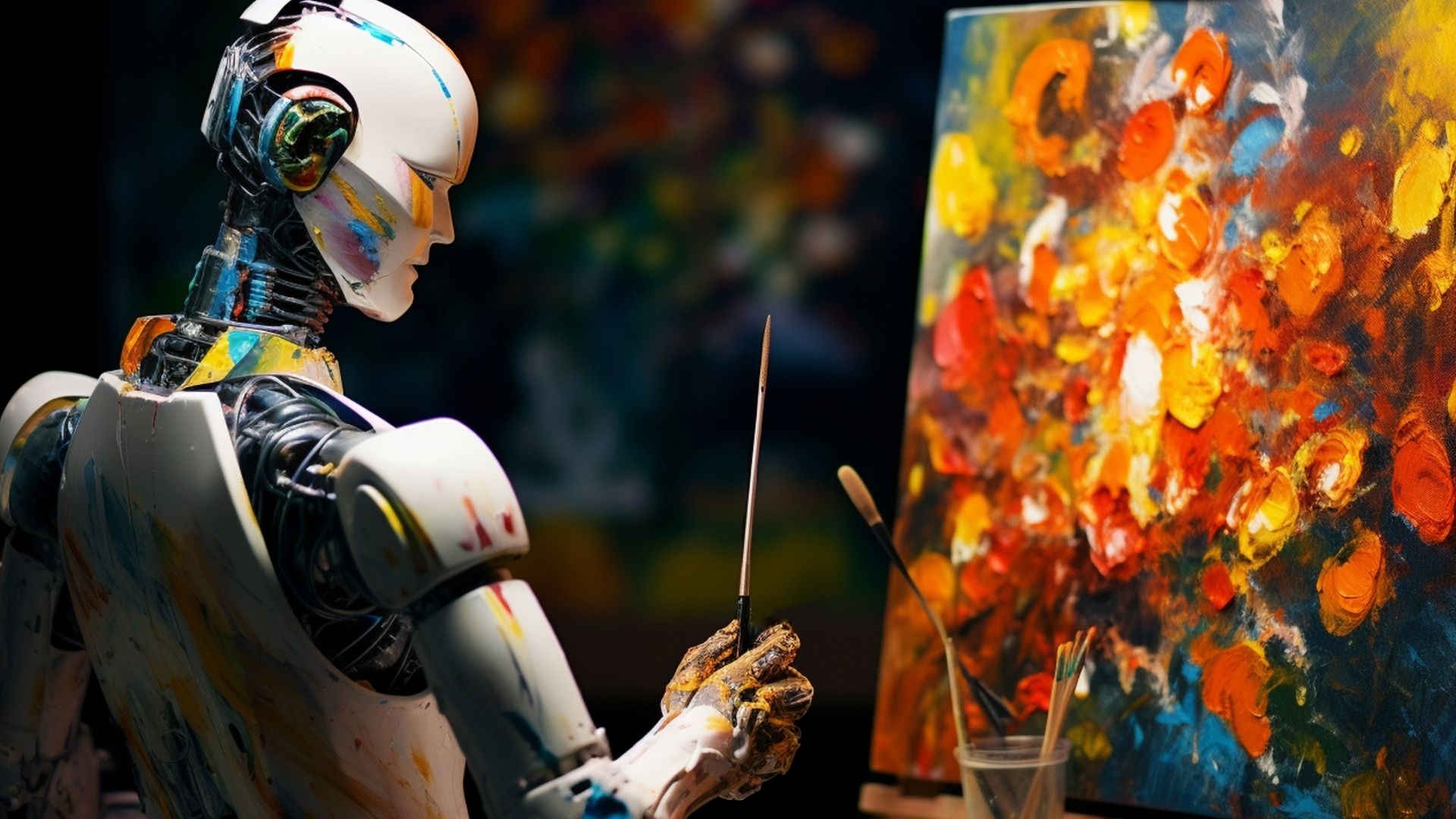
Is AI art real creation or imitation? Explore the ethics, intention, and future of machine-made masterpieces in modern culture.

How video games redefine visual creativity, blending traditional fine art with interactive digital storytelling and player choice.
Explore the best Reddit art communities to grow your skills, find inspiration, and get feedback from fellow creative artists.
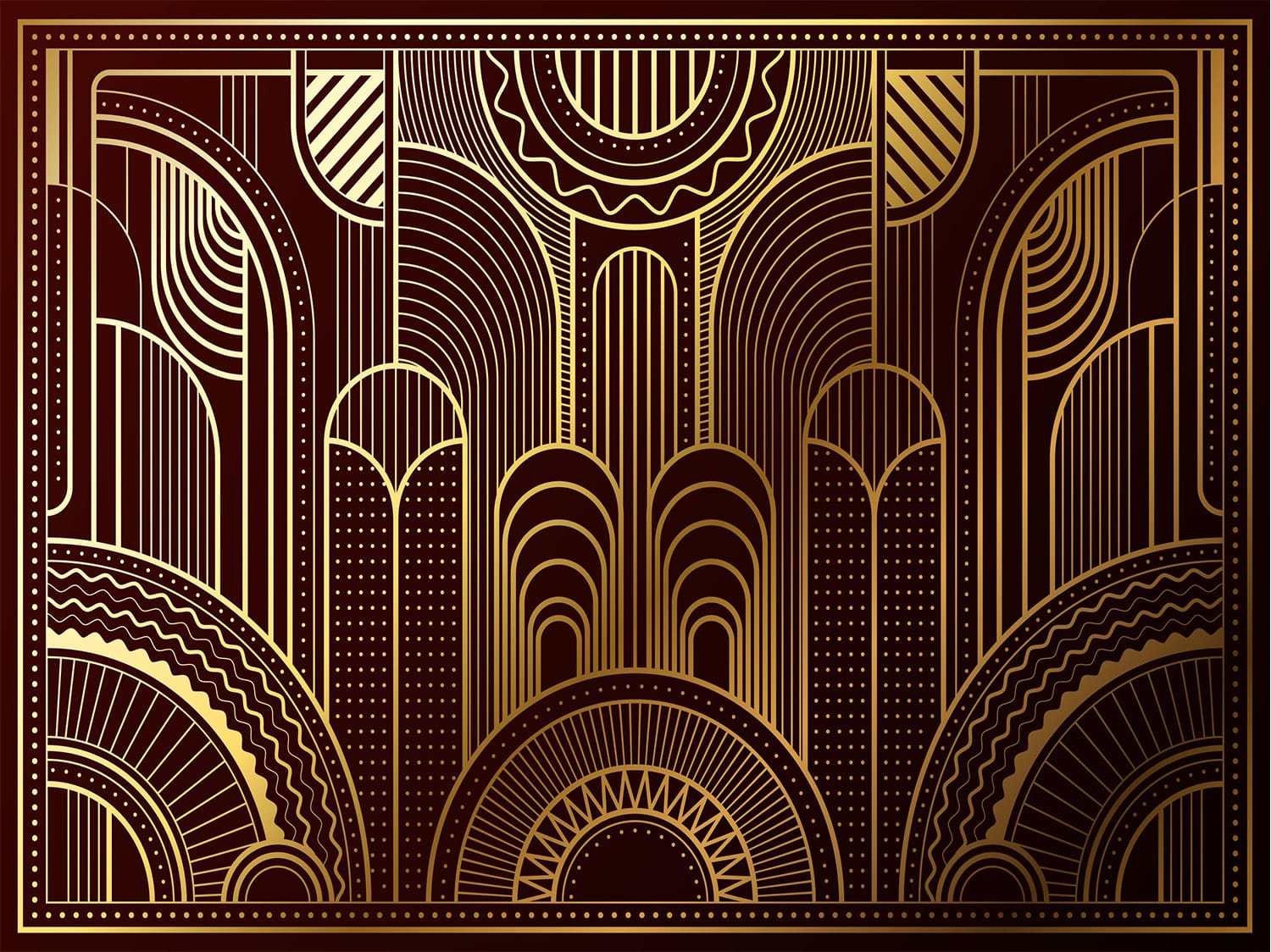
Art Deco, born in the 1920s, blends geometric precision, luxury materials, and bold colors to celebrate modernity, speed, and glamour. Its sleek lines and vibrant motifs shaped architecture, fashion, and design—leaving a lasting legacy in visual culture.

Wall art transforms spaces through paintings, prints, photography, and sculptures—expressing identity, shaping mood, and complementing design with thoughtful color, scale, and style choices.
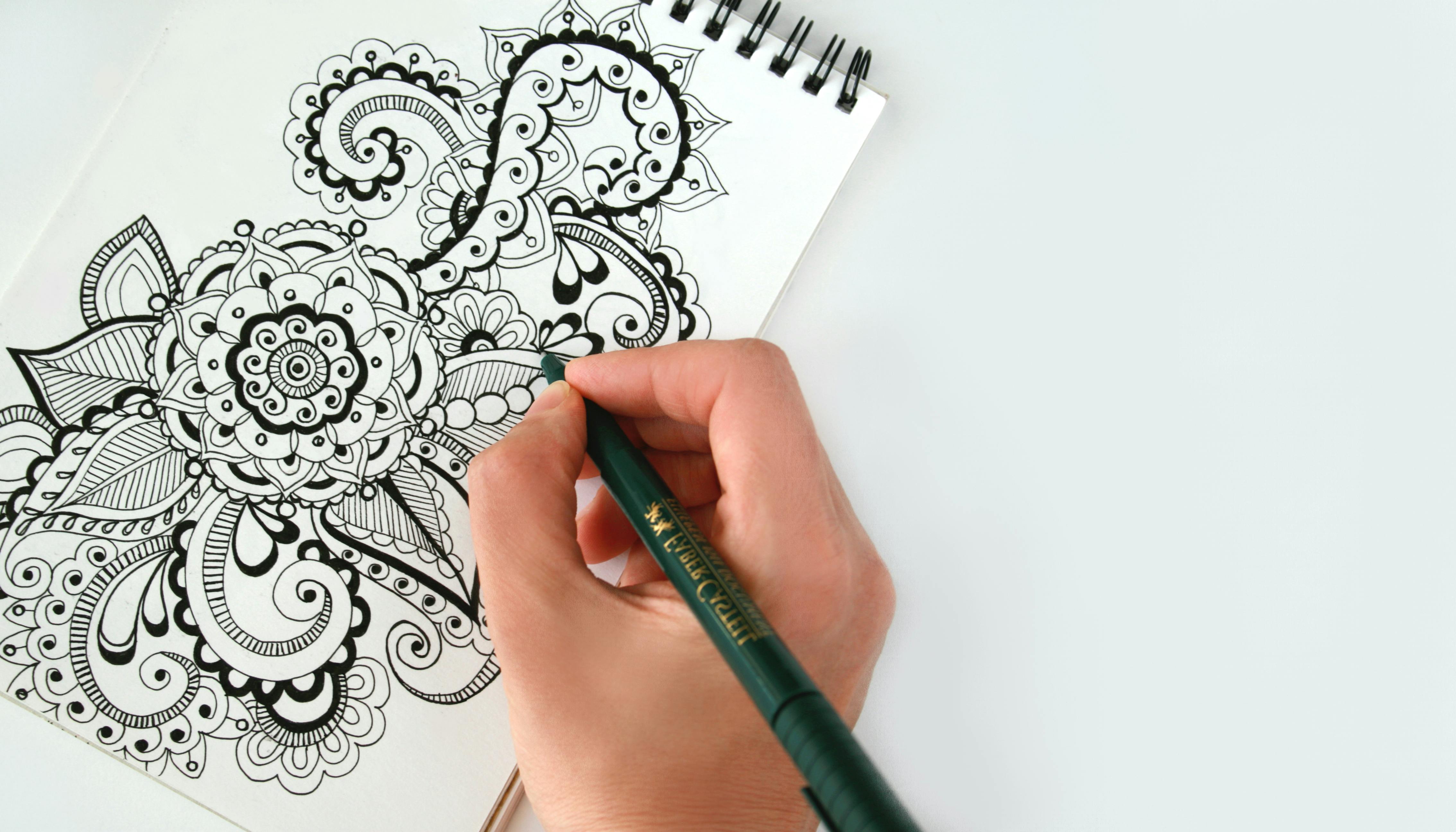
Doodle art transforms spontaneous sketches into meaningful expression, blending playfulness with purpose through free-flowing lines, patterns, and personal style.
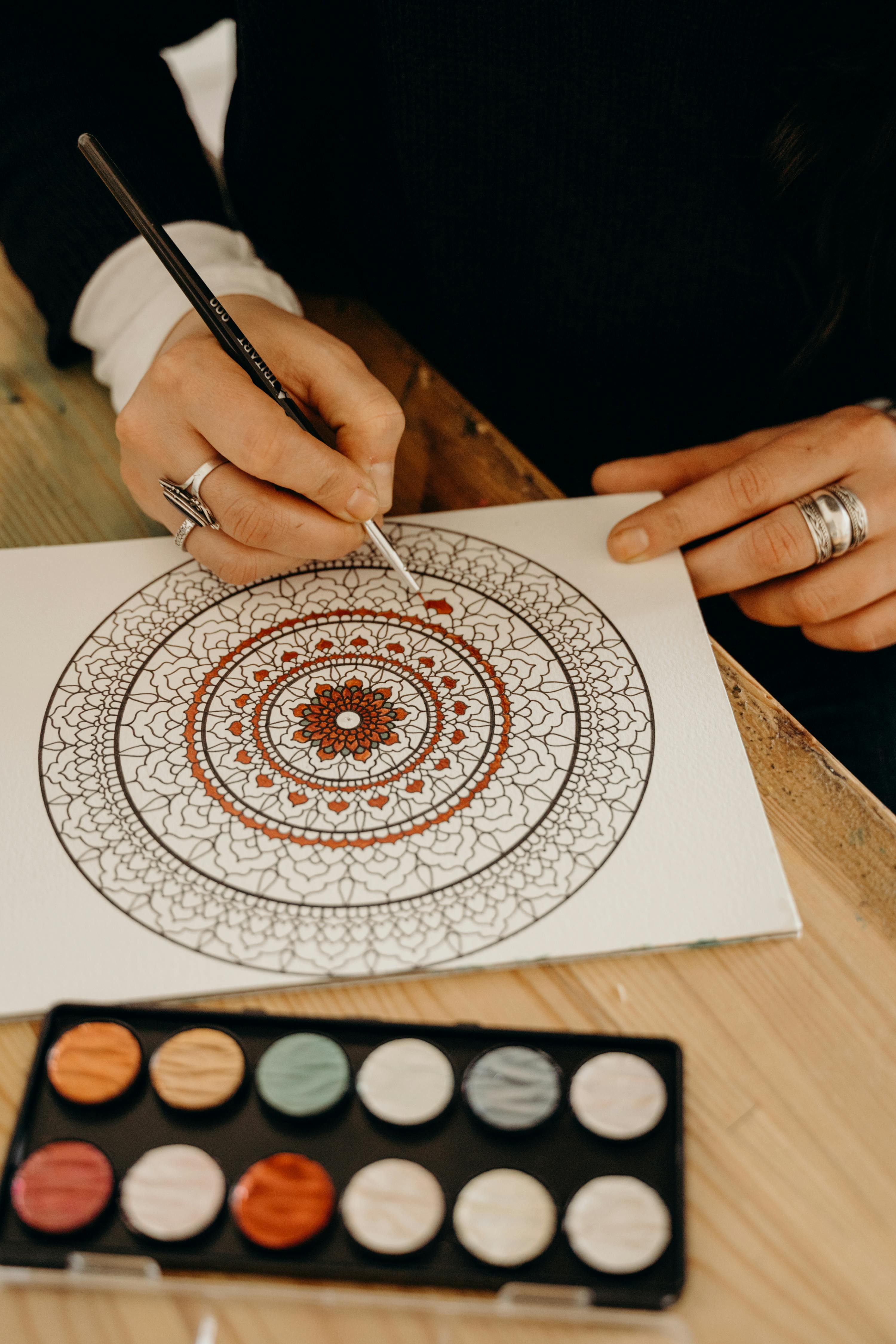
Mandalas, ancient circular designs rooted in Hindu and Buddhist traditions, blend sacred geometry with introspective art. Centered on a Bindu, these symmetrical patterns use color and form to symbolize unity, balance, and the journey inward. From sand mandalas to modern digital art, mandalas serve as tools for meditation, healing, and cultural expression, offering quiet insight through repetition, symmetry, and timeless symbolism.
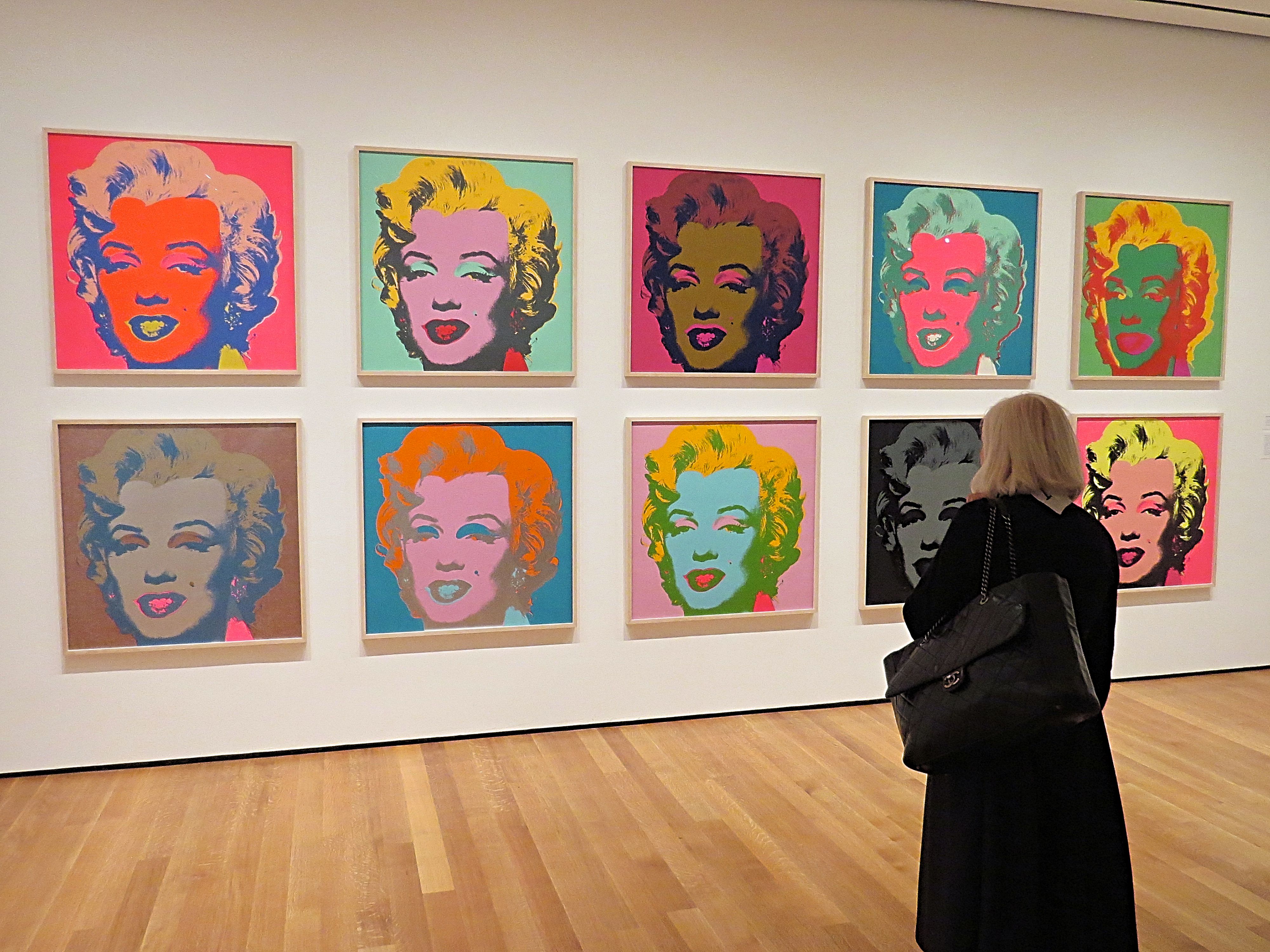
Pop Art turned everyday objects—soup cans, celebrities, ads—into bold, vibrant art. Emerging in the 1950s–60s, it used bright colors, repetition, and irony to challenge traditional art. Pioneered by Warhol, Lichtenstein, and Hamilton, it blurred lines between high and popular culture. Its legacy lives on in modern design and digital art.
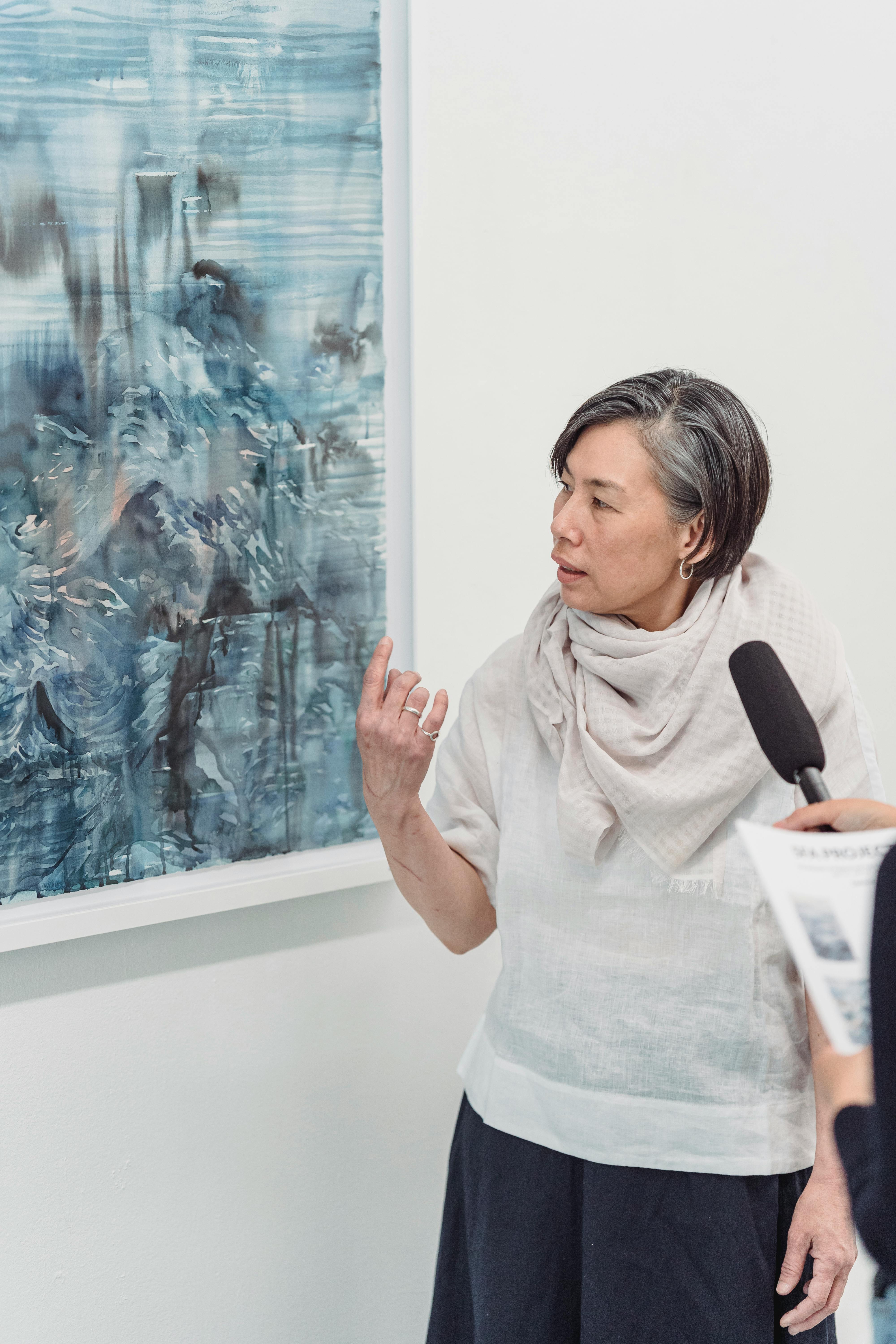
Engaging with art can feel daunting, yet everyone can share thoughts without expertise. Observing details, using descriptive language, and framing feedback as personal experiences are essential. Curiosity fosters discussion, and balancing one’s observations helps clarity. Regular practice improves confidence and expression, making art more accessible and meaningful to all.
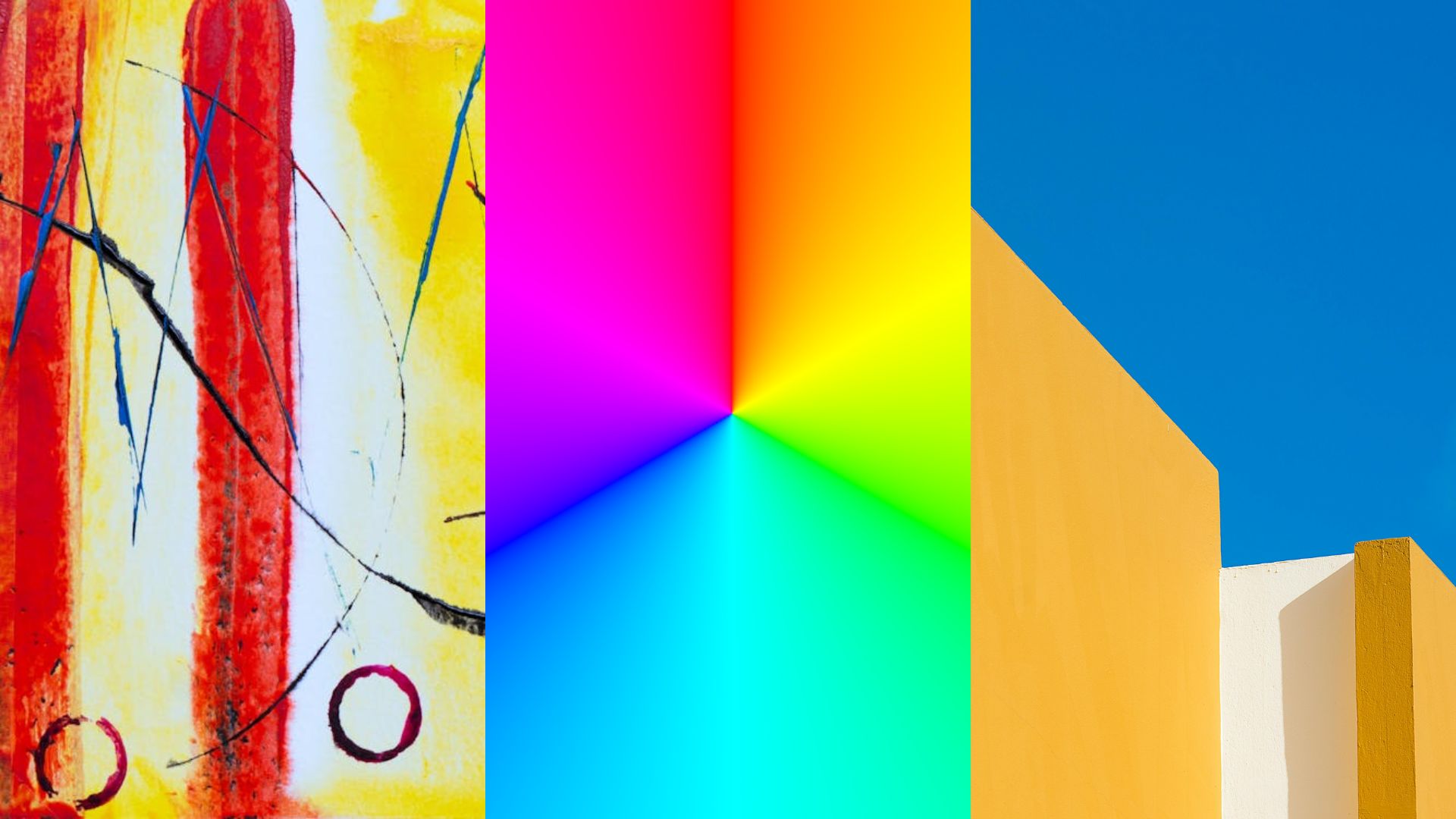
Art appreciation can be enhanced by understanding core concepts rather than learning everything. Key elements like medium, composition, line, shape, color, and texture influence perception. Exploring symbols and styles further deepens meaning. Engaging with just a few art terms fosters curiosity, enabling a richer experience in art spaces without pressure.