
"The biennale arte 2026 is the 61st International Art Exhibition of La Biennale di Venezia... the oldest and most important international exhibition in the world, running continuously since 1895," according to Italy on Foot. The 2026 edition is curated by Koyo Kouoh around the theme "In Minor Keys," "quieter, lower-frequency, emotionally charged ways of experiencing art rather than the spectacle-driven style of many recent editions. The exhibition is designed to be more sensory and affective than didactic. Practically, this means slower viewing, more contemplative work, and less emphasis on massive installations demanding attention." The 2026 edition includes 100 National Participations and 31 Collateral Events, "with seven countries participating for the first time and El Salvador appearing for the first time with its own pavilion." The Central Pavilion at Giardini was "fully renovated and presented in March 2026 after a 16-month, €31 million project," making 2026 "the first art edition visitors will see in the reworked building."
The Biennale runs May 9 through November 22, 2026, nearly seven months. Tickets cost €30 for a one-access pass (one entry to Giardini and one to Arsenale), €40 for three-day, €50 for seven-day. "First-time visitors routinely buy the wrong ticket, underestimate how long each venue takes, and," if they do not plan, "waste a day." This guide ensures that does not happen. The Venice Biennale is not a museum. It is not a fair. It is a curated cultural summit, "less as 'a museum show' and more as a curated cultural summit where 100+ countries maintain pavilions, the curator produces a thematic exhibition, and the whole thing runs for six and a half months" (Italy on Foot). It is the oldest and most important international art exhibition in the world. This guide covers how to visit the Venice Biennale, what it is, the two-venue structure, which ticket to buy, when to visit, the Venice access fee, collateral events, comfort and accessibility, and three planning options. For more on what is current, see our guide to contemporary art trends.
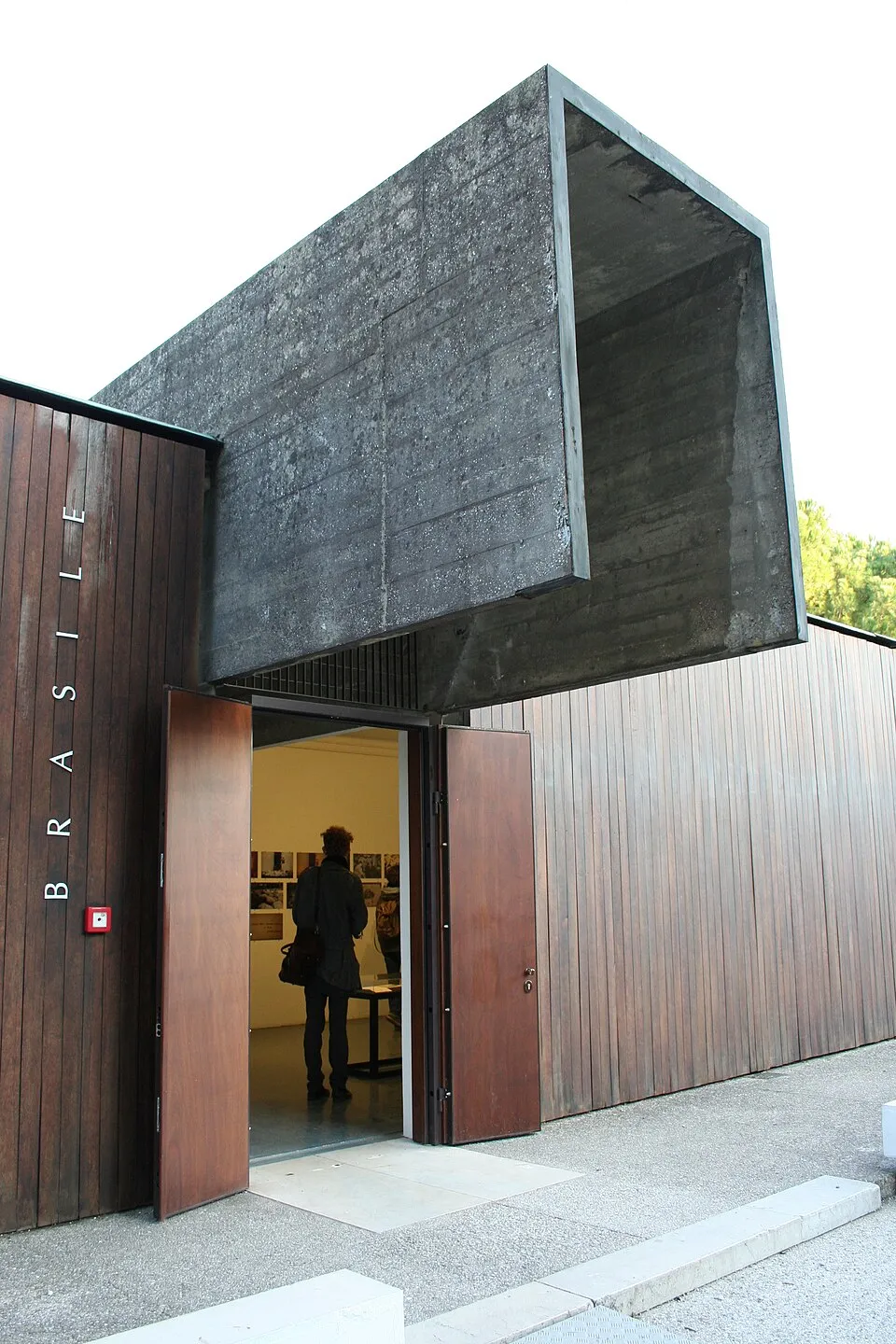
The Venice Biennale Giardini. Established in 1895, the gardens host 29 permanent national pavilions. "Walking through Giardini means moving from country to country: each pavilion is the responsibility of its national commissioner" (Italy on Foot). Image via Wikimedia Commons
What the Biennale Actually Is
La Biennale di Venezia, founded 1895, is "the foundation that also runs architecture, cinema, dance, music, and theater biennials." The art biennale (Biennale Arte) is the oldest and most important. The 2026 edition is the 61st International Art Exhibition, curated by Koyo Kouoh, theme "In Minor Keys." "Her curatorial text frames minor keys as quieter, lower-frequency, emotionally charged ways of experiencing art rather than the spectacle-driven style of many recent editions." 100 National Participations, 31 Collateral Events, seven first-time countries, El Salvador's first pavilion.
The renovation: "the Central Pavilion at Giardini was fully renovated and presented in March 2026 after a 16-month, €31 million project. Installation for In Minor Keys began immediately after, which means this is the first art edition visitors will see in the reworked building." The 2026 hook: "If you are visiting with limited patience for contemporary art, 2026 is actually a more accessible edition than some previous ones because the work tends to reward presence rather than analysis" (Italy on Foot). For more on what is current, see our guide to contemporary art trends.
The Two-Venue Structure: Giardini and Arsenale
Giardini: "the historic campus. Established for the first Biennale in 1895, the gardens host 29 permanent national pavilions built over the decades, ranging from early-20th-century Beaux-Arts buildings to postmodern designs. The Central Pavilion (freshly renovated for 2026) houses the curator's thematic exhibition. Walking through Giardini means moving from country to country: each pavilion is the responsibility of its national commissioner and presents a specific artist or curatorial vision." Arsenale: "Venice's former state shipbuilding complex, the Arsenale has been repurposed for the Biennale since 1980, with huge vaulted warehouses and long rope-making buildings (the Corderie) hosting both curated group installations and additional national pavilions. The space is architecturally dramatic: some of the individual halls are larger than entire small museums elsewhere."
The relationship: "Every standard Biennale ticket covers both main venues: Giardini and Arsenale. The official FAQ is explicit that the two sites are equally important, complementary parts of the same exhibition. They sit about 10 minutes' walk apart, both in the Castello sestiere of Venice." The time: "The official FAQ says the average visit is about 3 hours per venue. For a serious first-time visitor, that is the minimum. Dedicated art visitors often spend 4-5 hours per venue. Doing both venues meaningfully in one day means 6-8 hours of viewing plus transit time and at least one meal, which is a long but possible day." For more on approaching art, see our guide to how to look at art.
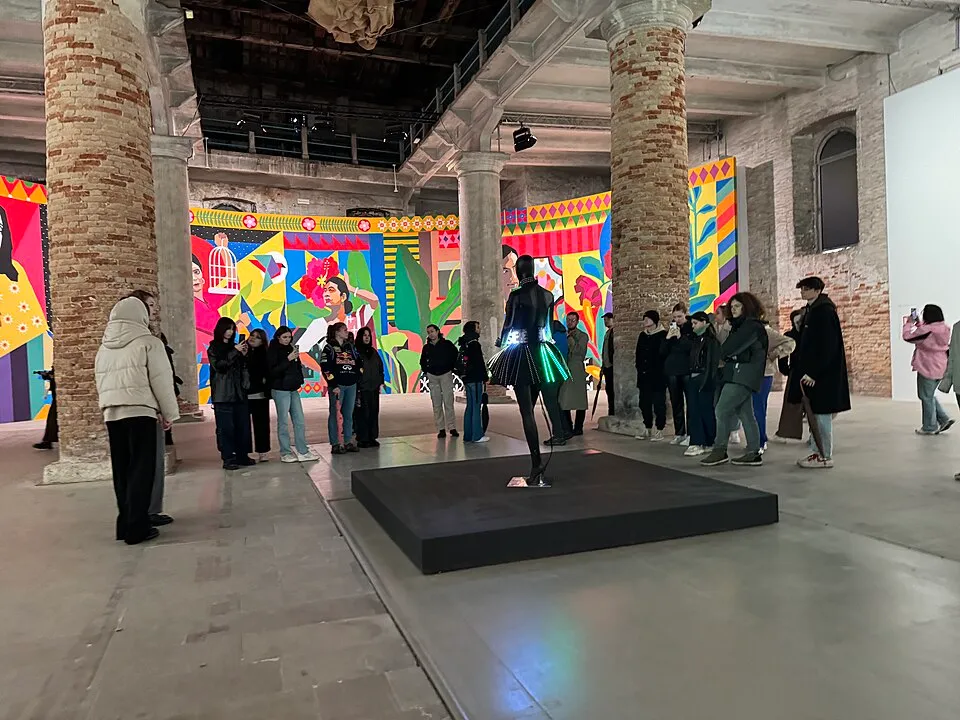
The Venice Biennale Arsenale. "Venice's former state shipbuilding complex, the Arsenale has been repurposed for the Biennale since 1980, with huge vaulted warehouses and long rope-making buildings (the Corderie) hosting both curated group installations and additional national pavilions" (Italy on Foot). Image via Wikimedia Commons
Which Ticket to Buy
One-access ticket: €30 full price, €20 reduced (over-65s and Venice residents), €16 (students and under-26s). "A one-access ticket means one entry to Giardini and one entry to Arsenale, even on different non-consecutive days. You cannot exit and re-enter the same venue on the same ticket." Three-day ticket: €40. "Multiple entries to both venues across any three days during the exhibition period." Seven-day ticket: €50. "Unlimited entries during a rolling 7-day window."
The recommendation: "For most leisure first-timers, the one-access ticket is the default recommendation. You enter each venue once, you stay until you are finished, and you leave. Total cost: €30 for the core Biennale experience." Consider three-day if you want to split venues across days or revisit pavilions. Consider seven-day only for extended Venice stays. Guided tours: "Fixed-time guided tours run at both venues until September 27, Tuesday through Sunday, at 11:15 and 14:15. Each tour costs €10 per venue, sold separately from the admission ticket. For first-timers, a single guided tour at Giardini is genuinely useful orientation." Buy online: "Buy tickets online in advance through the official La Biennale site. The infopoints at Giardini and Arsenale can sell same-day tickets, but online purchase is faster, avoids queues, and guarantees availability for busy dates." For more on collecting, see our guide to starting an art collection.
When to Visit
The dates: "May 9 through November 22, 2026. Official opening hours are 11:00-19:00 from May 9 through September 27, with Arsenale extended until 20:00 on Fridays and Saturdays through September 26. From September 29 through November 22, both venues run 10:00-18:00. The exhibition is closed Mondays except May 11, June 1, September 7, and November 16." The best time: "The official Biennale advice recommends weekdays over weekends and flags May through September as the best planning window because of quieter summer visiting and the extended Friday/Saturday Arsenale hours."
The counter-intuition: "July and August, which are peak Venice tourist months, are actually less crowded at the Biennale specifically because most summer Venice tourists are there for the city itself rather than contemporary art. If you visit the Biennale in July-August, expect busy pavilions at midday but calmer early mornings and late afternoons." The worst time: "The worst Biennale days are opening week (May 9-17, when press previews spill into early public days and pavilions are busiest) and late October closing weekends (when anyone who 'meant to see it' is cramming in a final visit)." For more on the broader art calendar, see our guide to the art fairs calendar.
The Venice Access Fee
Venice's day-tripper access fee applies in 2026 and affects Biennale visitors who are not staying overnight in the Municipality of Venice. "The fee starts April 3, 2026, and applies on 60 non-consecutive days across the year, including May 8, 9, and 10, which covers the Biennale's opening weekend." The cost: "€5 if paid by the fourth-last day before entry and €10 if paid later. Overnight guests staying in accommodation in the Municipality of Venice are exempt from the fee but must obtain an exemption code through the official access-fee portal." The timing: "The charge applies 08:30-16:00 on affected days." If you arrive after 16:00, the fee does not apply.
The advice: "For opening-weekend day-trippers, plan for both the Biennale ticket and the city access fee. If you are staying overnight in Venice for the Biennale visit, make sure your accommodation provides the exemption code. This is a routine process but cannot be skipped." For more on how art reflects culture, see our guide to art and society.
The Biennale Is More Than Two Venues: Collateral Events
"The most common first-timer misconception is that the €30 ticket covers 'the whole Biennale in Venice.' It does not. The ticket covers Giardini and Arsenale. The 31 Collateral Events are scattered across palazzos, churches, and alternative venues throughout Venice, and they follow their own admission rules. Many Collateral Events are free; some require separate tickets ranging from €5 to €20." The apps: "The downloadable Biennale brochure and the Bloomberg Connects app (which includes the Biennale as a featured guide) both become available on May 9, 2026. Before opening day, use the official Biennale website to plan the Giardini/Arsenale structure. After opening day, switch to the live map and app to navigate the collateral events that interest you."
The strategy: "For a first visit, focus on the core two venues and pick two or three collateral events that specifically interest you based on artist, country, or theme. Trying to see everything produces a blurry, exhausted experience rather than a deep one." For more on approaching art, see our guide to how to look at art.
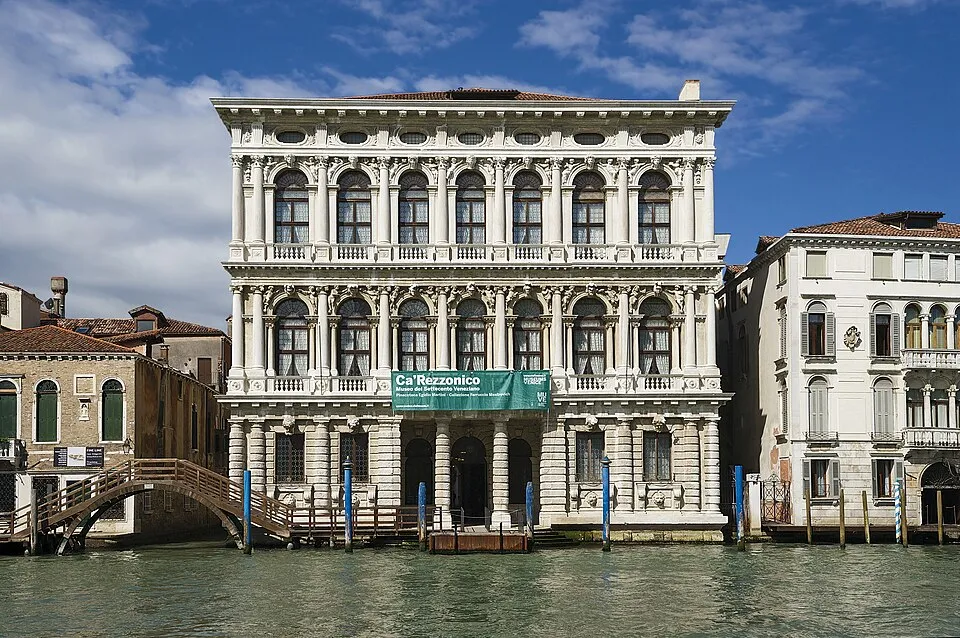
Venice itself is part of the Biennale experience. The 31 Collateral Events are "scattered across palazzos, churches, and alternative venues throughout Venice, and they follow their own admission rules" (Italy on Foot). Image via Wikimedia Commons
Comfort and Accessibility
Facilities: "Both Giardini and Arsenale have bars and restaurants, bookshops, and changing tables. Cloakroom service exists but only for small personal items, not luggage or suitcases. If you are arriving in Venice with luggage, store it at your hotel or at Santa Lucia station's left-luggage office before heading to the venues." Accessibility: "Courtesy electric transport is available for visitors with reduced mobility. Strollers, walkers, and wheelchairs are available on request. The official accessibility page lists social guides, sensory maps, tactile maps, accessible-route maps, and calm spaces for visitors with specific sensory or cognitive needs. Contact the Biennale in advance to arrange specific accommodations."
Food: "Food at both venues is reasonable but not exceptional. For a proper meal, plan to exit for lunch (remembering that you cannot re-enter on the same ticket with the one-access option) or pack a light snack and eat at a venue bar. A long lunch in Castello between venues is a better strategy for most visitors." For more on art and wellbeing, see our guide to art therapy.
Planning Your Visit: Three Options
Minimum viable first visit: "One full day with a one-access ticket. Start at Arsenale (easier to enter from Alilaguna airport connection or from the Piazzale Roma water buses), spend 3-4 hours there, walk to Giardini via the Via Garibaldi route, spend another 3 hours at Giardini. Exit exhausted but satisfied." Total cost: €30 plus Venice access fee (if day-tripper). Comfortable first visit: "Two days with a three-day ticket. Day 1 at Giardini with a guided tour at 11:15 and then self-guided exploration of the national pavilions through early evening. Day 2 at Arsenale with a guided tour at 11:15 and then the curator's exhibition in the afternoon." Total cost: €40 plus Venice access fee.
Serious first visit: "Three days with a three-day ticket. Giardini on day 1, Arsenale on day 2, and day 3 for collateral events of specific interest (plus revisiting pavilions that particularly resonated)." Total cost: €40 plus collateral event tickets (€5 to €20 each) plus Venice access fee. The principle: "For travelers building a Venice trip around the Biennale, an itinerary guide to Venice that balances the Biennale with the rest of the city helps ensure you do not exhaust yourself on art alone. Venice itself is the original work of art; the Biennale is a rotating guest in it." For more on the broader calendar, see our guide to the art fairs calendar.
Final Thoughts
The 2026 Venice Biennale (May 9 to November 22, 2026) is the 61st International Art Exhibition, "the oldest and most important international exhibition in the world, running continuously since 1895." Curated by Koyo Kouoh around "In Minor Keys," "quieter, lower-frequency, emotionally charged ways of experiencing art rather than the spectacle-driven style of many recent editions... slower viewing, more contemplative work, and less emphasis on massive installations." 100 National Participations, 31 Collateral Events, seven first-time countries, El Salvador's first pavilion. The Central Pavilion at Giardini was "fully renovated... after a 16-month, €31 million project." 2026 is "the first art edition visitors will see in the reworked building." Two venues: Giardini (1895, 29 permanent national pavilions, "walking through Giardini means moving from country to country") and Arsenale (since 1980, "huge vaulted warehouses and long rope-making buildings"). "They sit about 10 minutes' walk apart." Tickets: €30 one-access (one entry each venue), €40 three-day, €50 seven-day. "For most leisure first-timers, the one-access ticket is the default recommendation." Guided tours: €10 per venue, 11:15 and 14:15, Tuesday to Sunday until September 27. When to visit: "May through September as the best planning window," "July and August... actually less crowded at the Biennale specifically because most summer Venice tourists are there for the city itself." Venice access fee: €5 to €10 for day-trippers, "60 non-consecutive days across the year, including May 8, 9, and 10." Collateral events: 31 events "scattered across palazzos, churches, and alternative venues throughout Venice... many are free; some require separate tickets ranging from €5 to €20." Planning: minimum (one day, €30, Arsenale then Giardini), comfortable (two days, €40, guided tour plus self-guided), serious (three days, €40, both venues plus collateral events). "Venice itself is the original work of art; the Biennale is a rotating guest in it." For more on specific works, see our guide to famous paintings, and for the official source, see the La Biennale di Venezia site.
Go. The 2026 Biennale runs through November 22. You have nearly seven months. Buy a one-access ticket online (€30). Pick a weekday in July or August (less crowded at the Biennale, despite peak Venice tourism). Start at Arsenale at 11:00. Spend 3 to 4 hours. Walk to Giardini via Via Garibaldi. Spend 3 hours. Exit exhausted but satisfied. You have just seen the oldest and most important international art exhibition in the world, 100 countries, one curator's vision, two historic venues, and a city that is itself a work of art. That is the Venice Biennale. That is why it matters.


