Casa Wabi: A Tadao Ando Retreat Where the Real Work Is the Community
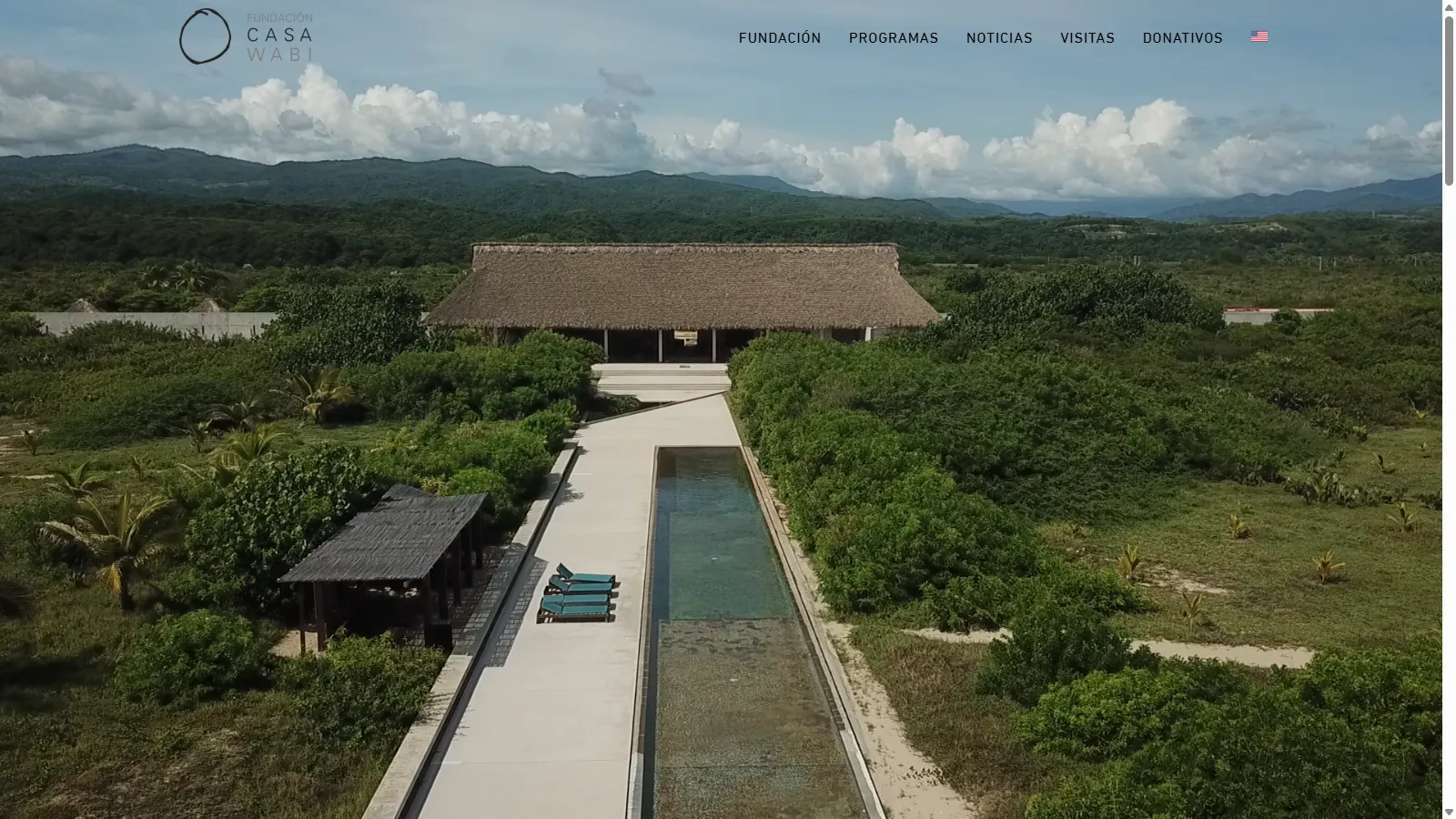
Casa Wabi looks like an artist's dream: a Tadao Ando-designed compound on a Pacific beach north of Puerto Escondido, Oaxaca, with private bungalows, dedicated studios, and a clay workshop Sodi built for his own practice. But the foundation's founder, the Mexican-Japanese artist Bosco Sodi, is explicit about the point: this is a social program first and a creative retreat second.
Residents spend five to six weeks in groups of three to six artists, with lodging, studio space, three meals a day, and local airfare from Mexico City covered. The catch, and it is the point rather than a loophole, is the community project: every resident must conceive and complete a project inside one of the fourteen local communities Casa Wabi works with along the coast.
How the Exchange Works
The residency is built on reciprocal exchange, not production. You plant something in the community, teaching or collaborating with locals in schools, workshops, or villages along the coast. In return, you leave a bitacora, a work reflecting your stay that enters the foundation's permanent collection.
Casa Wabi is deliberate about what it is not: no production deadlines, no exhibition requirements, no pressure to output a series. The community project and the bitacora are the only deliverables, and the foundation frames everything else as time to absorb the Oaxacan coast and let it alter your work.
How You Actually Get In
The general residency runs on invitation and curated sessions, but the public doors are the prize calls. The ArtReview Residency Prize selects three artists annually from an open call (the 2026 call closed June 14), open to all disciplines, nationalities, and career stages. The Izumi Kato Prize runs a parallel call for emerging Japanese artists aged 20 to 40, applications in autumn.
Other partner calls appear through the year, so the practical route is watching Casa Wabi's site and ArtReview for the next open call rather than waiting for an invitation that may never come.
The Honest Considerations
Puerto Escondido is remote. The residency covers the Mexico City-to-Puerto Escondido leg; you cover getting to Mexico City, plus your own production costs, insurance, and any materials beyond the foundation's support. The climate is hot, the schedule is communal, and friends and family are not permitted.
Artists who want pure studio production time will find the community obligation a real commitment, not a checkbox. Projects require genuine engagement with local communities across weeks, which suits socially engaged practices far better than hermetic painting. For conventional production residencies, Bundanon or Yaddo fit better.
The Bitacora and What You Leave Behind
Every resident leaves a work behind in the foundation's collection, which is both the residency's only production requirement and a quiet archive of who has passed through. The bitacora is your choice of format, from a drawing or text to documentation of the community project, and it enters a permanent collection that now includes hundreds of residents' responses to the place.
That exchange model has made Casa Wabi a reference point for socially engaged residencies globally, the program other foundations cite when describing what a non-transactional residency can look like.
The Sodi-Ando Machine
Sodi founded the foundation in 2014 and built it into a serious institution: the Puerto Escondido compound anchors a network that now includes Casa Wabi outposts in Mexico City and Tokyo, plus partnerships with foundations and publications that bring curators through regularly. The Ando buildings, along with structures by Alvaro Siza and Kengo Kuma, make the campus itself an architectural pilgrimage.
The foundation's community programs run year-round with local staff, so the residency plugs into an existing social structure rather than asking artists to invent engagement from scratch.
The Practical Costs
The residency covers the local flight between Mexico City and Puerto Escondido plus everything on site, but international artists fund their own travel to Mexico City, travel insurance, and any production costs beyond the foundation's support. The climate runs hot and humid, the site is beachside rather than urban, and the fixed session dates mean you cannot shorten a stay once invited.
Insider Tips
The community project proposal is the application, so make it specific, feasible, and genuinely reciprocal. Proposals that read as "I will teach painting workshops" score lower than ones grounded in a particular community's reality. The ArtReview prize is the most accessible route for non-Mexican artists; the Kato prize is the equivalent for Japan-based creators.
The Ando architecture and Oaxacan setting are genuinely extraordinary, and the foundation's Mexico City and Tokyo spaces mean the network extends well beyond the beach. Residents consistently describe the community contact as the lasting part.
Who Should Apply
Artists of any discipline who want funded time on Mexico's Pacific coast and who mean it when they say community engagement matters to their practice. For a retreat where social exchange is the point rather than an interruption, Casa Wabi is singular.