
The Complete Guide to Art Movements: A Timeline from Ancient to Now
Your complete guide to art movements from ancient Egypt to contemporary practice. Understand every major period, its defining ideas, and the artists who shaped it, all in one place.
Your cart is empty
Browse the store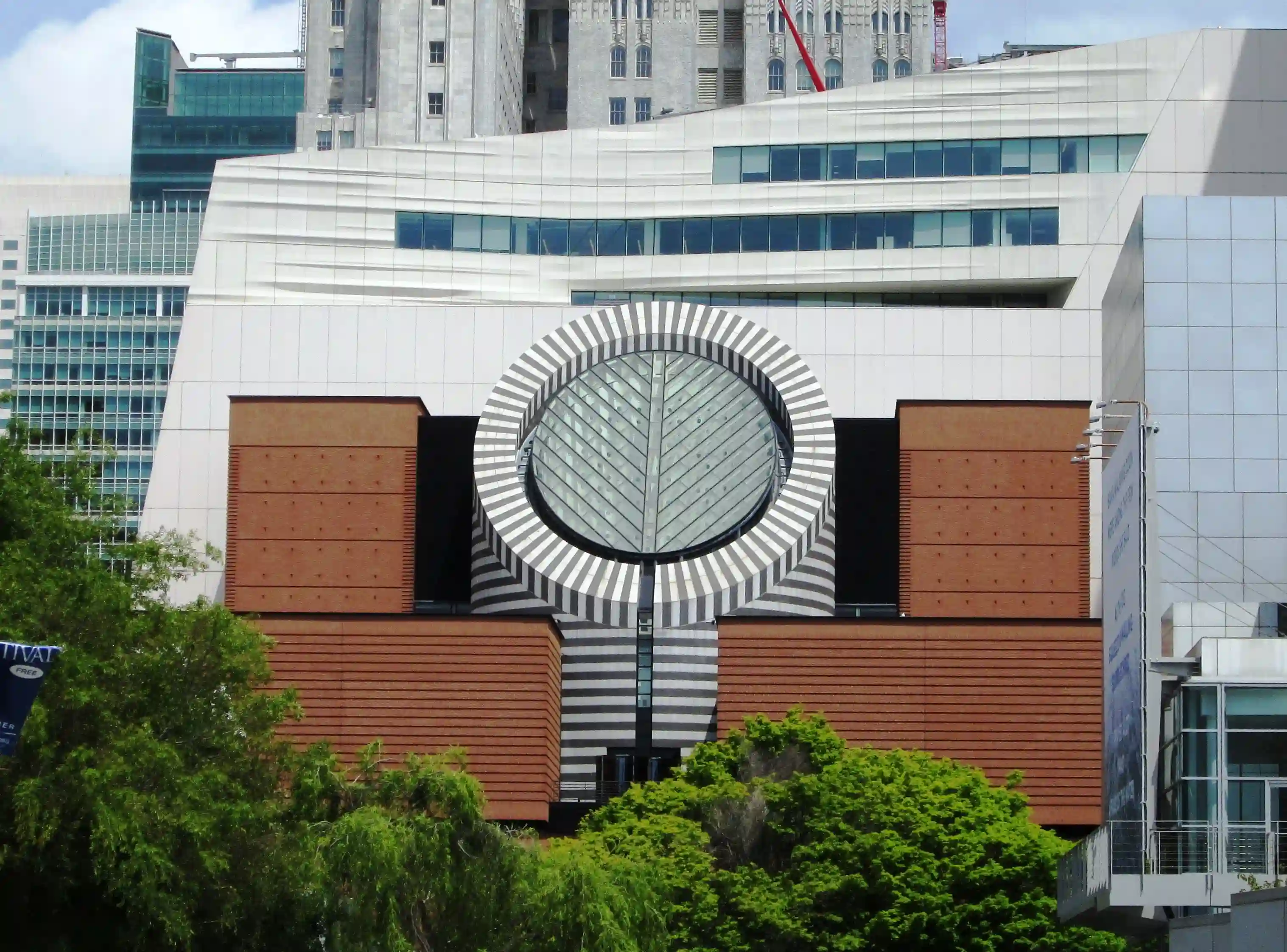
SFMOMA reinstalled its entire Fisher Collection in 2026, with Matisse's Femme au chapeau exhibition and RM x SFMOMA opening in October. Free First Thursdays are paused; $30 admission.
Discover other museums and cultural institutions you might be interested in
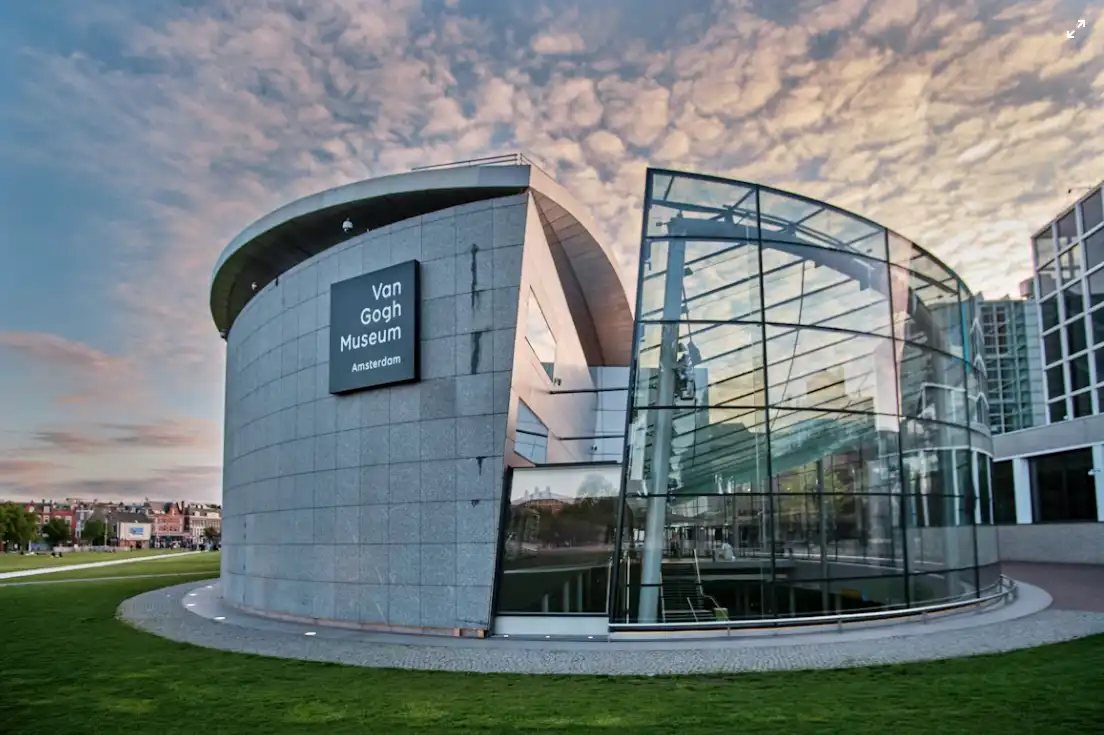
The world's largest Van Gogh collection: 200 paintings, 500 drawings, 700 letters. Tickets 25 euros. Book weeks ahead.
View details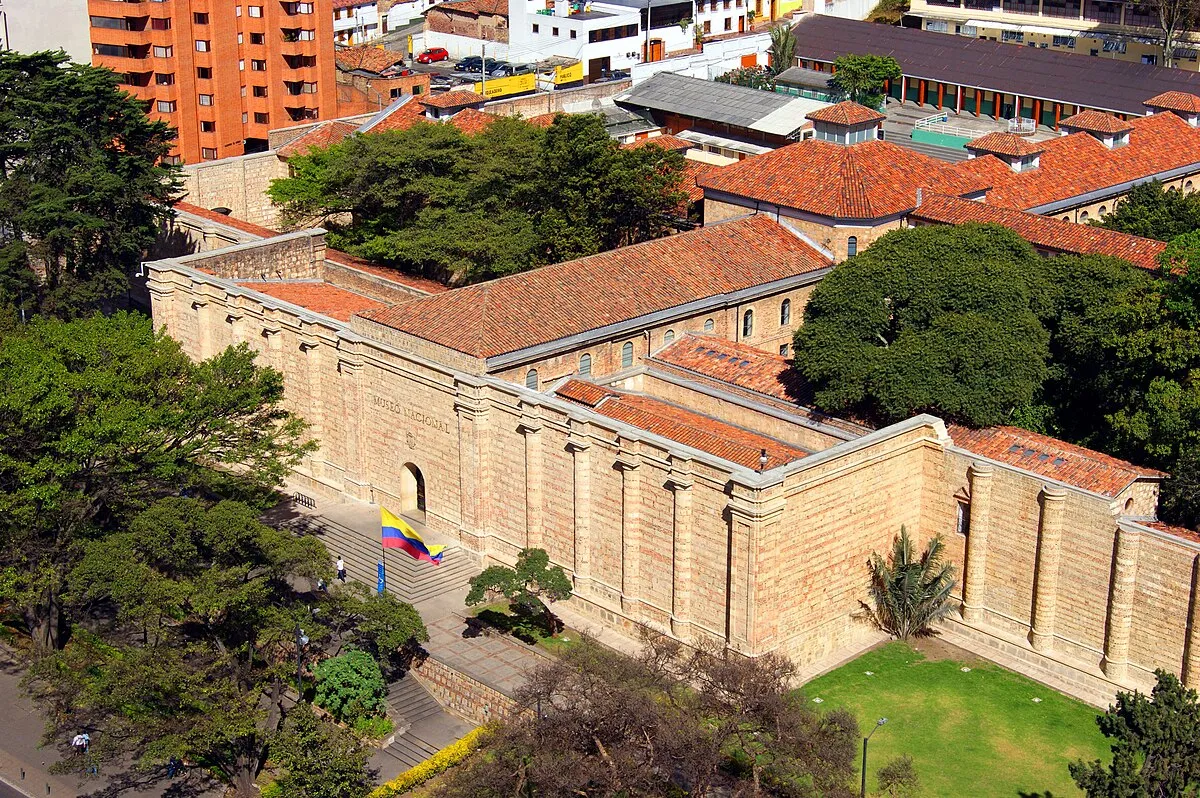
Colombia's oldest museum occupies a former panopticon prison in Bogota and holds 20,000 artworks and artifacts. Currently undergoing major renovations with several galleries closed through 2026.
View detailsExplore definitions from our glossary that connect to this museum
Appropriation art borrows existing images and gives them new meaning. From Sherrie Levine to Richard Prince, learn how this strategy reshaped art and copyright law.
Art Deco combined luxury materials with geometric forms to define the look of the 1920s and 1930s. Learn how it shaped skyscrapers, jewelry, and design.
Read more about this topic on our blog
Your complete guide to art movements from ancient Egypt to contemporary practice. Understand every major period, its defining ideas, and the artists who shaped it, all in one place.

Understand the distinct eras of Modern vs. Contemporary art — covering timelines, defining movements, key artists, and how each era reflects its historical moment. A practical guide for art enthusiasts.

David Hockney at 88 is still one of the most original painters alive. From Bradford to LA pools to iPad paintings in Normandy, here is his story.
The San Francisco Museum of Modern Art (SFMOMA) is one of the largest modern and contemporary art museums in the United States, with 170,000 square feet of galleries across seven floors and a collection of over 33,000 works. In 2026, the museum is undergoing its most significant reinstallation since the 2016 Snøhetta expansion: Reimagined: The Fisher Collection at 10, a complete reimagining of the renowned Doris and Donald Fisher Collection with interactive and family-friendly storytelling, opening April 18.
Admission is $30 for adults. Children 18 and under are always free, but a ticket is still required. The long-running Free First Thursdays program for Bay Area residents has been paused as of January 2026, which is a genuine loss. However, 45,000 square feet of free public gallery space on floors 1 and 2 remains open to everyone without a ticket, and Free Family Days and Free Community Days continue periodically.
The museum is closed on Wednesdays. Thursday is the late night, open from noon to 8 PM. All other days are 10 AM to 5 PM.
Start on Floor 4 with the Fisher Collection. The Fisher Collection, a 100-year loan of over 1,100 works assembled by the founders of Gap, Inc., includes major works by Alexander Calder, Agnes Martin, Joan Mitchell, Richard Serra, Andy Warhol, and Ellsworth Kelly. The April 2026 reinstallation reorganizes these works with new interactive and family-friendly elements, making the collection more accessible without dumbing it down. Monographic galleries dedicated to 14 artists, including Warhol, Martin, Mitchell, and Serra, reflect the variety of mediums and approaches in the collection.
Move to Floor 3 for photography and contemporary art. SFMOMA's photography collection is one of the most important in the world, with over 17,000 photographs spanning the medium's entire history. The current rotation includes Graciela Iturbide's black-and-white photographs (July 11 to November 29, 2026), immersing viewers in the Mexico City-based artist's world of uncanny scenes and dreamlike traditions.
If time permits, Floor 5 has the Fisher Collection's color, line, and shape galleries, described as discoveries for art lovers of all ages. Floor 6 features Anselm Kiefer and William Kentridge in a presentation about memory.
SFMOMA's 2026 schedule, announced January 9 and updated June 15, is the most ambitious in the museum's recent history.
Matisse's Femme au chapeau: A Modern Scandal (May 16 to September 13, 2026, Floor 4) explores the story behind one of the most iconic works in the museum's collection. The 1905 painting, shocking at the time of its debut, is examined for how it influenced artists and audiences for over 120 years. This is a surcharged exhibition: $10 weekdays, $12 weekends and holidays, free for members. SFMOMA is the exclusive venue.
Jacob Hashimoto: Giant Arc opens August 22, 2026, in the Roberts Family Gallery on Floor 1 (admission-free). The largest installation of the artist's career, it uses nearly 75,000 hand-built kites made of bamboo and Japanese paper suspended into a cloud canopy covering the gallery from floor to ceiling. A public celebration on August 20 features a conversation between the artist and curator Joseph Becker, plus a sound performance by Nico Georis.
RM x SFMOMA (October 3, 2026 to February 7, 2027, Floor 7) is the first-ever museum exhibition featuring artworks from the personal collection of RM of BTS. Bringing together 200 works from the collections of RM and SFMOMA, it offers a rare chance to see modern and contemporary Korean artworks in conversation with international art, many never before exhibited in the US. This will be surcharged. Member presale starts August 4; general public tickets go on sale August 11.
Raven Chacon: New Work (opening October 24, 2026) features a four-channel silent film with drawings and an ambient soundtrack by the Pulitzer Prize-winning composer and artist.
SECA Art Award Exhibition (opening December 12, 2026) continues SFMOMA's program supporting Bay Area artists with their first major museum exhibition.
Sarah Sze: Forever is Composed of Nows opens November 21 in the Evelyn and Walter Haas, Jr. Atrium (Floor 1, admission-free), a site-specific installation.
SFMOMA is in the same category as the Museum of Modern Art in New York and the Whitney Museum, but it has distinct strengths that neither can match. The photography collection, with 17,000 works, is arguably the deepest of any modern art museum in the country. The Fisher Collection gives SFMOMA a concentration of postwar and contemporary art that most museums can only dream of. And the 45,000 square feet of free public space on floors 1 and 2 makes it the most accessible major museum in the US, even with the Free First Thursdays program paused.
Against the Tate Modern in London, SFMOMA is smaller (170,000 square feet versus Tate Modern's 178,000 across the Boiler House and Blavatnik Building) but has a stronger photography collection. Tate Modern has the Turbine Hall and free permanent collection admission; SFMOMA charges $30 but offers more free public gallery space.
Against the Centre Pompidou in Paris, SFMOMA is more focused on American and Bay Area art, while the Pompidou has a broader European and international range. Both have strong architecture and design collections.
Thursday evenings are the best time to visit. The museum is open from noon to 8 PM on Thursdays, and the evening hours are significantly less crowded than daytime. Special programming often runs on Thursday evenings.
The first two floors are always free. You do not need a ticket to access 45,000 square feet of public gallery space on floors 1 and 2, including the Roberts Family Gallery (where the Hashimoto installation opens in August), the Haas Atrium, and the outdoor terrace. This is the best free art experience in San Francisco.
Buy tickets online in advance. Online tickets cost less than gate tickets and guarantee your preferred date and time slot. Everyone in your party needs a ticket, including members and visitors 18 and under (who are free but still need a ticket).
The Free First Thursdays program is paused. This was a beloved Bay Area tradition, and its suspension in January 2026 was controversial. Check sfmoma.org for updates on whether it will relaunch. In the meantime, Free Family Days (free for up to two adults when accompanied by a child 18 or under) and Free Community Days still occur periodically.
Plan 2 to 3 hours for a focused visit. Art enthusiasts covering all seven floors should allow 4 to 5 hours. For a highlights visit, focus on Floors 2, 4, and 5.
Getting there: The museum is at 151 Third Street, between Howard and Mission Streets, in SoMa. The nearest BART station is Montgomery Street, a 5-minute walk. Muni Metro stops at Montgomery Station and Powell Station are also nearby. The museum is walking distance from Union Square and the Moscone Convention Center.
Admission: $30 adults (25-64), $25 seniors (65+), $23 young adults and students (19-24), free for 18 and under (ticket required), free for members. Surcharged exhibitions (Matisse, RM x SFMOMA) require additional paid tickets. Floors 1 and 2 are always free without a ticket.
Hours: Monday and Tuesday 10 AM to 5 PM. Wednesday closed. Thursday noon to 8 PM. Friday through Sunday 10 AM to 5 PM. Closed Thanksgiving, Christmas, and New Year's Day.
Book tickets: sfmoma.org
Anyone interested in modern and contemporary art, photography, or Bay Area artistic culture. The 2026 program is the strongest in years: the Fisher Collection reinstallation, the Matisse show, the Hashimoto installation, and RM x SFMOMA in October make this the most ambitious year SFMOMA has programmed since the 2016 reopening. At $30, admission is expensive, but the free public galleries on floors 1 and 2 mean you can see significant art without paying anything. The pause on Free First Thursdays is a real drawback, but the museum's commitment to 45,000 square feet of free space softens the blow. Skip it only if you have zero interest in post-1900 art, in which case you should go to the de Young Museum in Golden Gate Park instead.
Quiet Canvas is a space for artists and art lovers: essays, glossary terms, tools, and curated directories to support your creative practice.
Learn more →


