National Gallery of Canada: Qillaniq, Free Thursday Nights, and the World's Largest Circumpolar Art Show
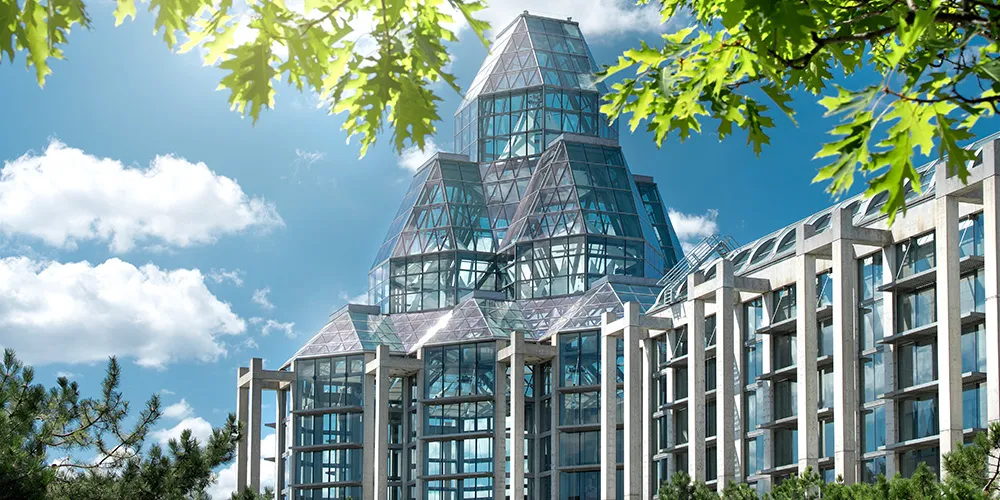
The National Gallery of Canada (NGC) sits in a Moshe Safdie building of granite and glass on Nepean Point, overlooking Parliament Hill and the Ottawa River. Founded in 1880, it holds over 90,000 works including one of the finest collections of Indigenous and Canadian art anywhere, plus European paintings from the 14th to 21st century. Director Jean-François Bélisle took the helm and has programmed a 2026 season that puts the gallery on the international map in a way it has not been for years.
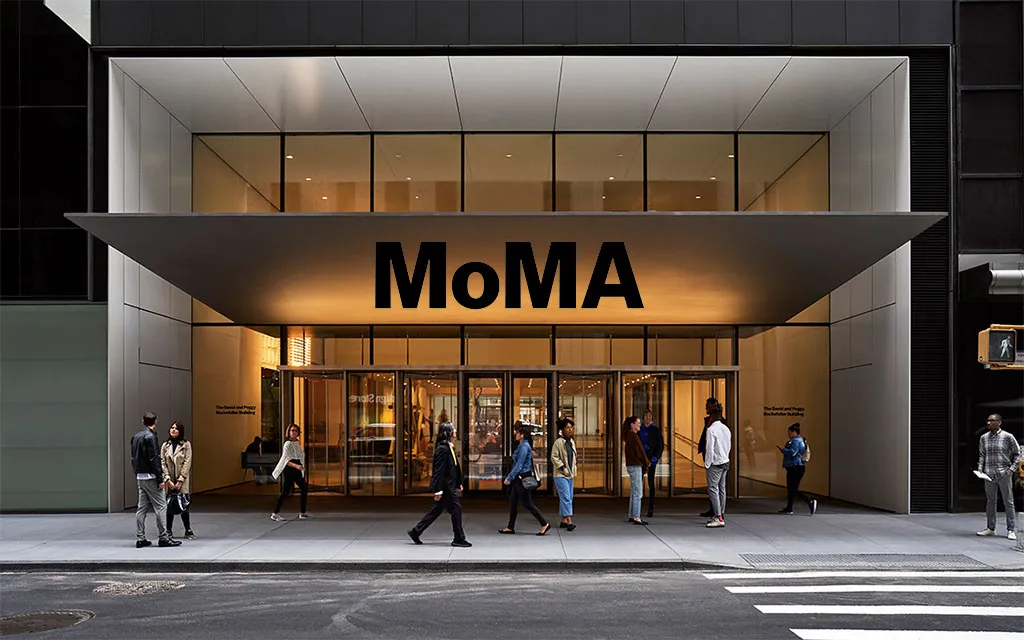
Admission is CAD $20 for adults, $18 for seniors, $10 for visitors 24 and under, and free for children under 12. Indigenous peoples (First Nations, Inuit, and Métis) enter free at all times. Thursday evenings from 5 to 8 PM are free for everyone. And from June 19 to September 7, 2026, the Canada Strong Pass grants visitors under 24 free or reduced admission. At roughly USD 15, the regular ticket is mid-range for a national gallery: cheaper than the Museum of Modern Art ($30) but more expensive than the National Gallery in London (free).
Qillaniq: The World's Largest Circumpolar Art Exhibition
From June 12 to September 20, 2026, the NGC presents Qillaniq, a groundbreaking exhibition of contemporary art by Indigenous artists from across the circumpolar Arctic. Featuring more than 80 works by over 70 artists from Inuit Nunaat, Sápmi, and Denendeh, it is the largest circumpolar exhibition ever assembled.
Director Bélisle described it as an exhibition that "does not ask permission to exist in the present tense. It insists on it." The show follows the legacies of Sakahàn (2013) and Àbadakone (2019), the gallery's previous large-scale Indigenous exhibitions, but Qillaniq is bigger and more ambitious. An all-Indigenous curatorial team organized the show, and the public program includes curatorial tours, artist spotlight talks, film screenings, and artist-led workshops.
If you are visiting Ottawa in summer 2026, this is the exhibition to see. It is the kind of show that could only happen at a national gallery with the NGC's commitment to centering Indigenous ways of knowing.
Helen McNicoll: An Impressionist Journey
Running May 8 to October 12, 2026, this is the most ambitious display of Helen McNicoll's art in a century. McNicoll (1879 to 1915) was one of Canada's most celebrated Impressionist painters, and this exhibition, organized by the Musée national des beaux-arts du Québec and adapted by the NGC, brings her sun-drenched canvases to Ottawa for the first time.
McNicoll's career was cut short by her death at 35, but her work demonstrates a mastery of light and color that rivals her European contemporaries. If you think Canadian art is all Group of Seven landscapes, this show will change your mind.
The Group of Seven and Canadian Landscape
The NGC holds the world's most important collection of the Group of Seven, the collective that created a visual language for the Canadian landscape in the 1920s and 1930s.
Tom Thomson's The Jack Pine (1916 to 1917) is the collection's most beloved single painting: a solitary wind-bent pine silhouetted against a bright sky. Thomson died mysteriously in 1917 before the Group was formally established, but his work is its spiritual foundation.
Lawren Harris's paintings of Lake Superior, the Rockies, and the Arctic are the Group's most radical achievement: simplified, nearly abstract compositions that use bold forms and vivid color to capture the spiritual dimension of the Canadian landscape.
Emily Carr is not a Group of Seven member but is represented with paintings of British Columbia forests and Indigenous totem poles that are among the most powerful works in Canadian art. Her swirling, expressionistic brushwork conveys a spiritual connection to the West Coast landscape that the Ontario-focused Group of Seven never attempted.
Indigenous Art: From Ancient to Contemporary
The NGC's Indigenous art galleries are a core part of the collection, not a supplementary section. Historical objects include Northwest Coast carved and painted works, Inuit sculpture, and Plains and Woodland beadwork and quillwork. Contemporary Indigenous artists include Norval Morrisseau (founder of the Woodland School), Kenojuak Ashevak (whose Inuit prints achieved international recognition), Kent Monkman, and Rebecca Belmore.
The gallery's commitment to centering Indigenous ways of knowing is stated in its institutional mandate, and Qillaniq is the 2026 proof that this is more than language.
European and International Art
The European collection includes works by Cranach, Bernini, Rembrandt, Poussin, Chardin, Turner, Constable, Monet, Cézanne, Klimt, and others. It is not as deep as the National Gallery in London or the Thyssen-Bornemisza in Madrid, but it provides the international context that makes the Canadian collection meaningful. The contemporary galleries include works by Andy Warhol, Barnett Newman, James Turrell, and others.
The Building
Safdie's building, opened in 1988, uses glass, granite, and concrete to create a structure of extraordinary luminosity. The crystalline glass towers echo the Gothic Revival of the Parliament Buildings nearby. Inside, galleries are flooded with natural light that changes throughout the day and across seasons.
The Rideau Street Chapel, a 19th-century fan-vaulted chapel saved from demolition and reconstructed inside the gallery, is one of the most unexpected spaces in any museum. A delicate Gothic Revival interior preserved within a contemporary building. Walk through it on your way between galleries.
What Needs Work
The European collection is thin compared to peer institutions. The NGC cannot compete with the National Gallery in London or the Kunsthistorisches Museum in Vienna on European painting depth. What it does well is Canadian and Indigenous art. If you are coming for European masterpieces, adjust your expectations.
Monday closures from September through March. The gallery is closed on Mondays during the off-season. In summer (May through September), it is open daily. Check before visiting.
The location is slightly isolated. The gallery is a 10-minute walk from the ByWard Market and Parliament Hill. It is not in the middle of a dense cultural district the way the MFA Boston is in the Fenway. You need to plan to get here.
Annual maintenance closure in January. The gallery closes for several days in mid-January for maintenance. Check gallery.ca for exact dates.
How It Compares
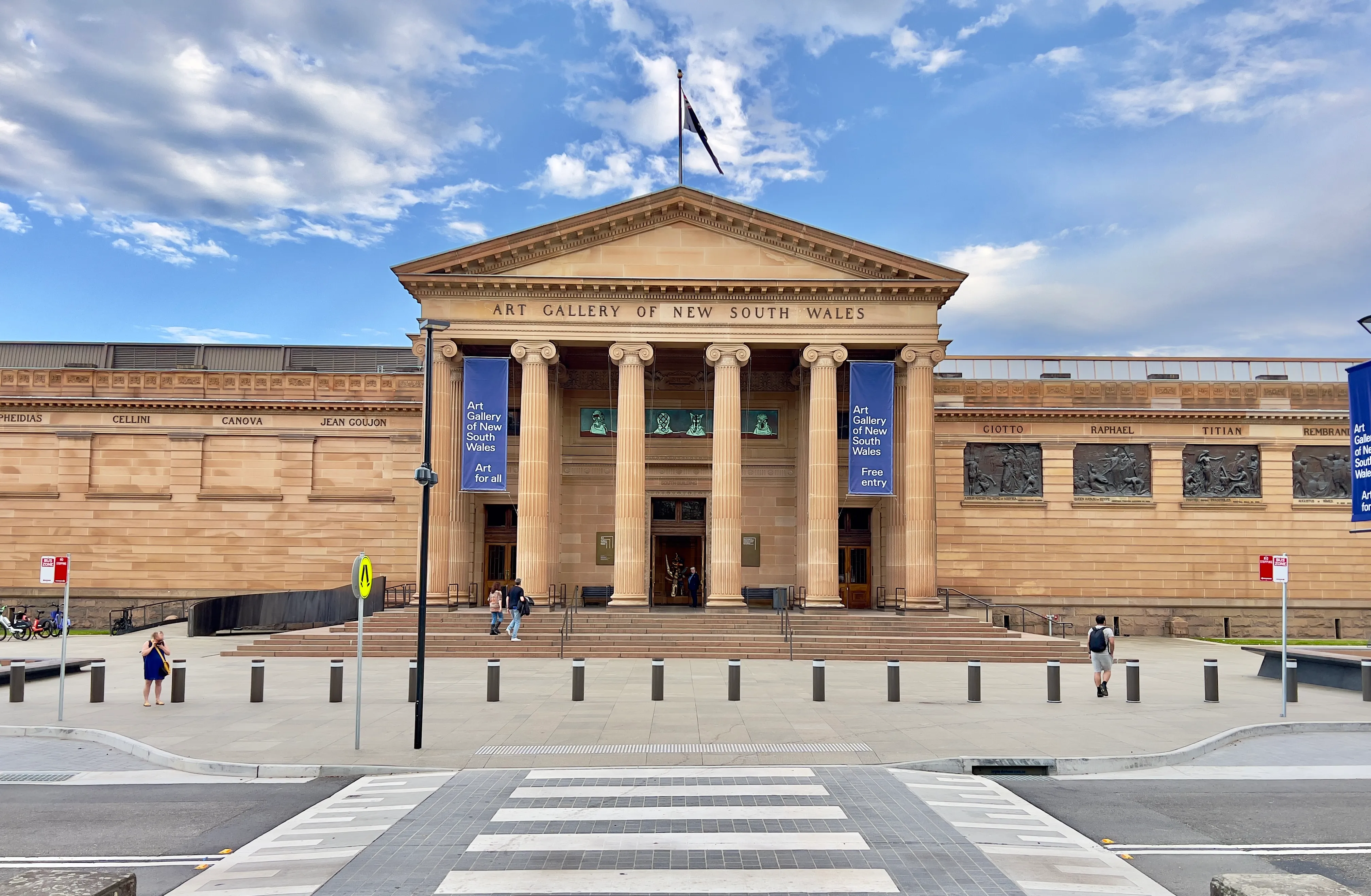
Against the National Gallery of Victoria in Melbourne, the NGC is smaller but has a stronger Indigenous art program. Both are national galleries with free permanent admission (NGC on Thursdays, NGV always). The NGV has a stronger blockbuster exhibition program. The NGC has a more distinctive building.
Against Te Papa in Wellington, the NGC is a pure art museum while Te Papa is a national museum covering art, natural history, and culture. Both center Indigenous perspectives. Te Papa's bicultural governance model is more structurally integrated than the NGC's curatorial approach.
Against the Museo Nacional de Colombia in Bogota, the NGC is far better funded and has a more modern building. But the Museo Nacional's prison building tells a more compelling architectural story.
Insider Tips for Visiting
- Go on Thursday evening. Free admission from 5 to 8 PM, and the crowds are thinner than daytime. This is the best value at any Canadian museum.
- Visit Qillaniq in summer 2026. It is the largest circumpolar art exhibition ever assembled. If you care about contemporary Indigenous art, this is a once-in-a-generation show.
- Start with the Indigenous and Canadian galleries. These are the NGC's greatest strengths. The European collection is secondary.
- Walk through the Rideau Street Chapel. It is on the interior route between galleries and takes two minutes. Most people walk past it.
- Budget three hours. The collection is not as large as the Metropolitan Museum but is dense in Canadian and Indigenous works.
- Combine with the Canadian Museum of History. It is across the river in Gatineau, a 10-minute drive. Do both in one day for a full Canadian cultural experience.
- The Canada Strong Pass (June 19 to September 7, 2026) gives free or reduced admission for visitors under 24. If you qualify, use it.
- Check gallery.ca at gallery.ca for current exhibitions and hours before visiting.
What Is Coming Up
Beyond Qillaniq and McNicoll, the 2026 to 2027 schedule includes the Sobey Art Award Exhibition (September 4, 2026 to January 3, 2027), featuring six shortlisted Canadian contemporary artists, and Takao Tanabe: Inside Passage (November 27, 2026 to April 18, 2027), a retrospective of the soon-to-be centenarian BC painter. The gallery is also supporting Abbas Akhavan as Canada's representative at the 61st Venice Biennale in 2026.
Final Verdict: Who Is This Actually For?
The NGC is for visitors who want to understand Canadian and Indigenous art. The Group of Seven collection, the Indigenous galleries, and the Qillaniq circumpolar exhibition together make the case that Canadian art is not a provincial subset of European art but a distinct tradition with its own visual language and global connections.
It is not for someone looking for the deepest European painting collection. Go to the National Gallery in London for that. And it is not for someone who only has time for one museum in Ottawa. That museum is the Canadian Museum of History across the river, which tells the full story of Canada in a more accessible format.
But if you care about Canadian art, Indigenous art, or contemporary circumpolar art, the NGC in summer 2026 is one of the most interesting museums in the world. Free Thursday nights make it accessible. Qillaniq makes it essential.
Plan your visit at gallery.ca. For more on Canadian art and art education, explore our art schools directory or browse courses on Canadian art history.