National Museum of Kenya: Fossils That Rewrote Human Origins, Plus a Two-Year Art Survey Nairobi Desperately Needed
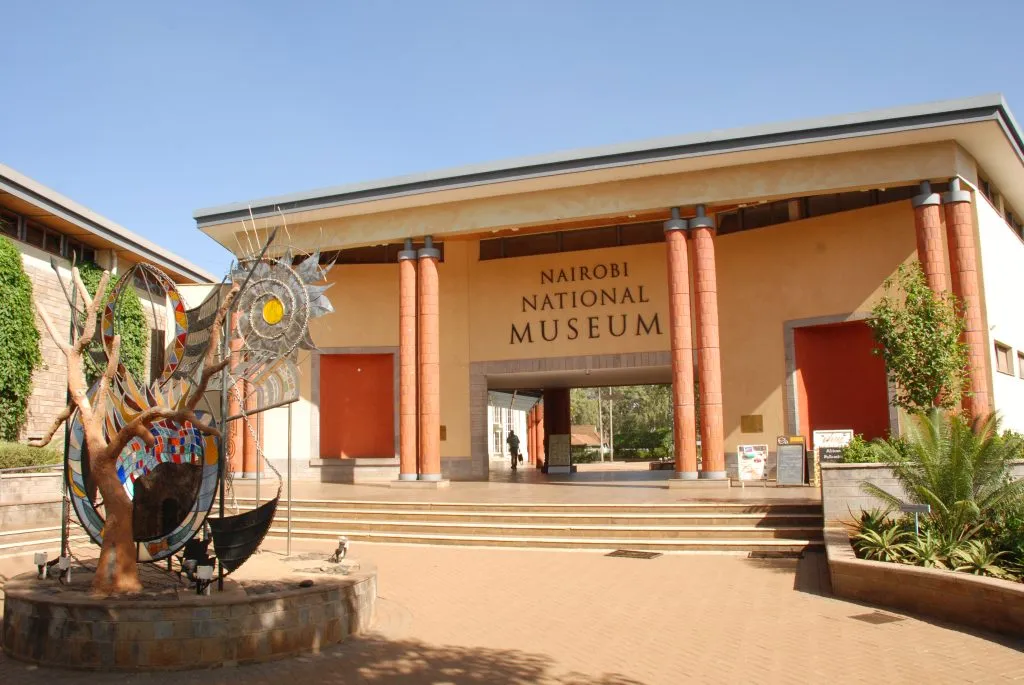
The Nairobi National Museum sits on Museum Hill, a leafy compound above the traffic of one of Africa's fastest-growing cities. It is the flagship of the National Museums of Kenya (NMK) system, and its paleontological collections have done more to shape our understanding of human origins than any other museum in Africa. But for years, the museum has also carried a quieter frustration: Kenya has never had a standalone national art gallery. A new long-term exhibition called Wahenga wa Sanaa, opened in December 2025 and running through December 2027, is the most ambitious attempt yet to fill that gap.
Admission fees were revised effective May 7, 2026, under Legal Notice No. 79 of 2025. Kenyan adults now pay KES 350, while international visitors pay USD 18. The combined ticket for the museum and the adjacent Snake Park is KES 600 for Kenyans and USD 25 for international visitors. Payment is through the eCitizen platform, no cash accepted.
The Cradle of Humankind: Why the Fossils Matter
The museum's paleontological collections are the reason most international visitors make the trip. Casts and associated materials related to Turkana Boy (Homo erectus), discovered at Lake Turkana in 1984 by Richard Leakey's team, represent one of the most complete early human skeletons ever found. The specimen, a boy of about 8 to 11 years who stood roughly 5 feet 3 inches tall, provided the first clear evidence that Homo erectus had already evolved a body plan strikingly similar to modern humans, 1.5 million years ago.
The collections also include materials from Koobi Fora, Olorgesailie, and other sites in the Great Rift Valley that have produced some of the most significant fossil finds in the history of paleoanthropology. The Leakey family built these collections over decades of fieldwork, and they established Kenya as one of the most important countries in the world for understanding human evolution.
If you have limited time, prioritize the Hall of Mammals and the Human Origins gallery. The bird collection, documenting over 1,100 Kenyan species, is impressive but better suited for a second visit.
Wahenga wa Sanaa: The Art Survey Kenya Has Been Waiting For
Opened December 20, 2025, in the Creativity Gallery, Wahenga wa Sanaa ("Pioneers of Art") is a two-year survey tracing the history of Kenyan art from prehistoric times through 1980. The exhibition draws from the NMK's own collection of contemporary East African art and places it alongside prehistoric and ethnographic objects from the same archives.
This is a bigger deal than it sounds. Kenya has attempted to establish a national art gallery at least three times: once under the colonial government, once in the 1980s, and again in the 2000s under NMK with a draft Cabinet Memo in 2020. Each attempt stalled. Wahenga wa Sanaa does not solve that problem, but it is the most comprehensive presentation of Kenyan art history in a single space that the country has ever seen.
The exhibition is organized around themes of cultural identity, spirituality, history and politics, and nature and environment. It traces the growth of a formal art ecosystem in Kenya, from early patronage through the rise of galleries, collectives, and training institutions. It runs until December 2027, with museum entry rates applying.
What Else Is On in 2026
The museum has had an active 2026 program. In March, it launched the Mara River Basin Exhibition, translating years of scientific research from the Mara Wildlife Subsidies Research Program into a public display tracing the river from its source in the Mau Forest Complex through the Mara ecosystem. The exhibition highlights threats including deforestation, pollution, and climate change.
In May, the 20th Affordable Art Show returned to the museum grounds, organized by the Kenya Museum Society. The opening night (KES 700) drew collectors for first access; weekend tickets were KES 100. Proceeds support heritage preservation projects across the country.
On June 5, 2026, the museum hosted Back to the Stone Age: Night at the Museum, a guided evening tour through the human origins galleries with lectures and hands-on activities, running from 6 PM to 9 PM.
How It Compares
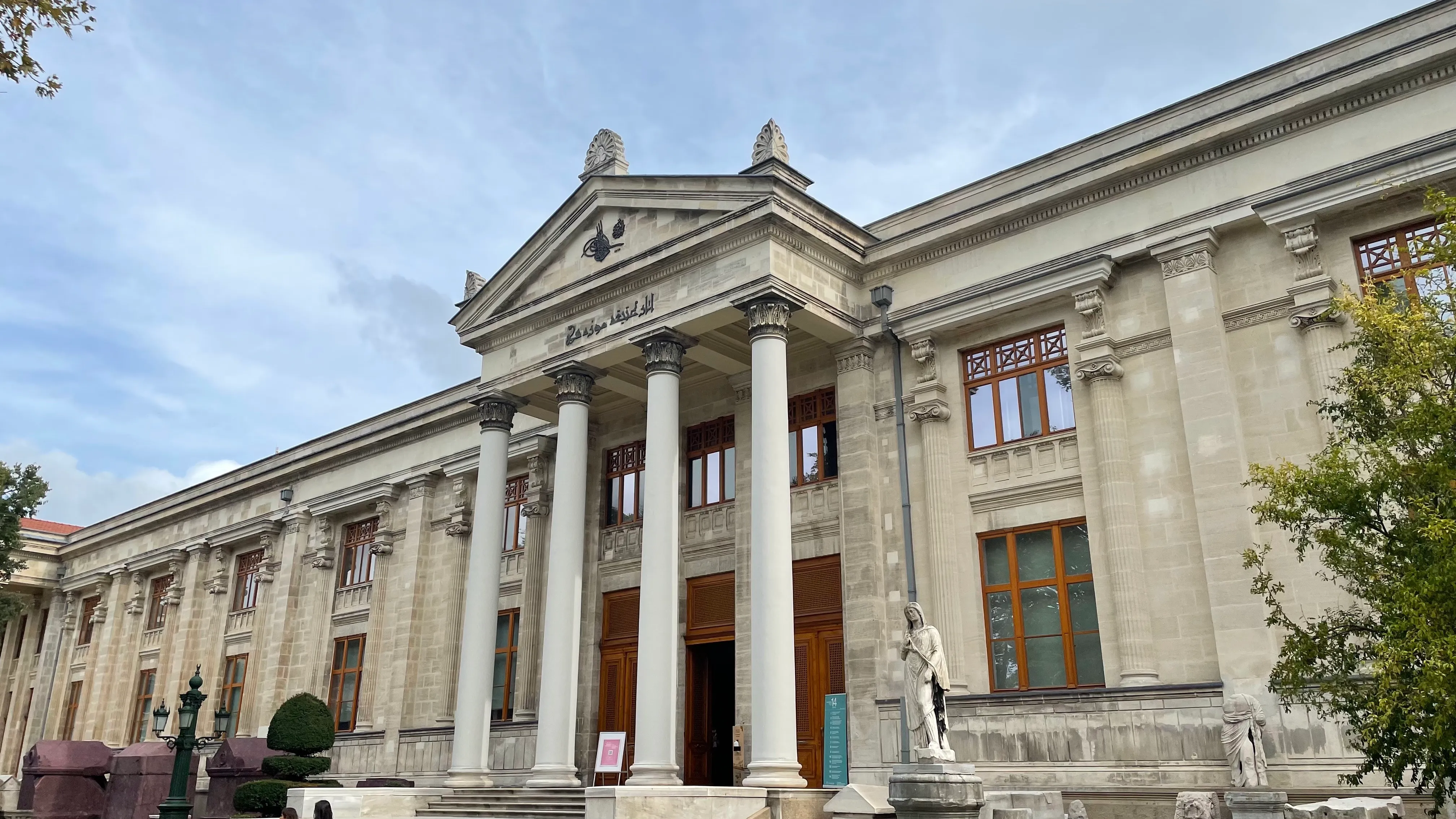
The Nairobi National Museum is not trying to compete with the British Museum or the Egyptian Museum in Cairo in scale or polish. Its galleries are smaller, its budget tighter, and its facilities more modest. But its paleontological collection is arguably more important than either for understanding human prehistory, and its ethnographic holdings rival those of the Museo Nacional de Colombia for documenting the cultural diversity of a single nation.
Against the Zeitz MOCAA in Cape Town, the comparison is stark: Zeitz is a glossy contemporary art space in a repurposed grain silo, while Nairobi National Museum is a government-funded institution with a broader mandate covering natural history, archaeology, and art. Zeitz has better contemporary art programming; Nairobi has the fossils.
Insider Tips
Arrive early. The museum opens at 8:30 AM, an hour earlier than most major museums. The grounds are at their best in morning light, and the botanical gardens surrounding the buildings are worth a walk before the galleries fill up.
Buy the combined ticket. If you have any interest in reptiles, the combined Nairobi National Museum and Snake Park ticket saves you money and the Snake Park is literally next door. The Snake Park houses live specimens of Kenya's reptile species and is more interesting than its name suggests.
The Joy Adamson Gallery is worth seeking out. Most visitors walk past it on the way to the fossil halls. Adamson, the conservationist and author of Born Free, painted watercolors documenting Kenya's peoples and wildlife that complement the scientific collections with an artist's eye.
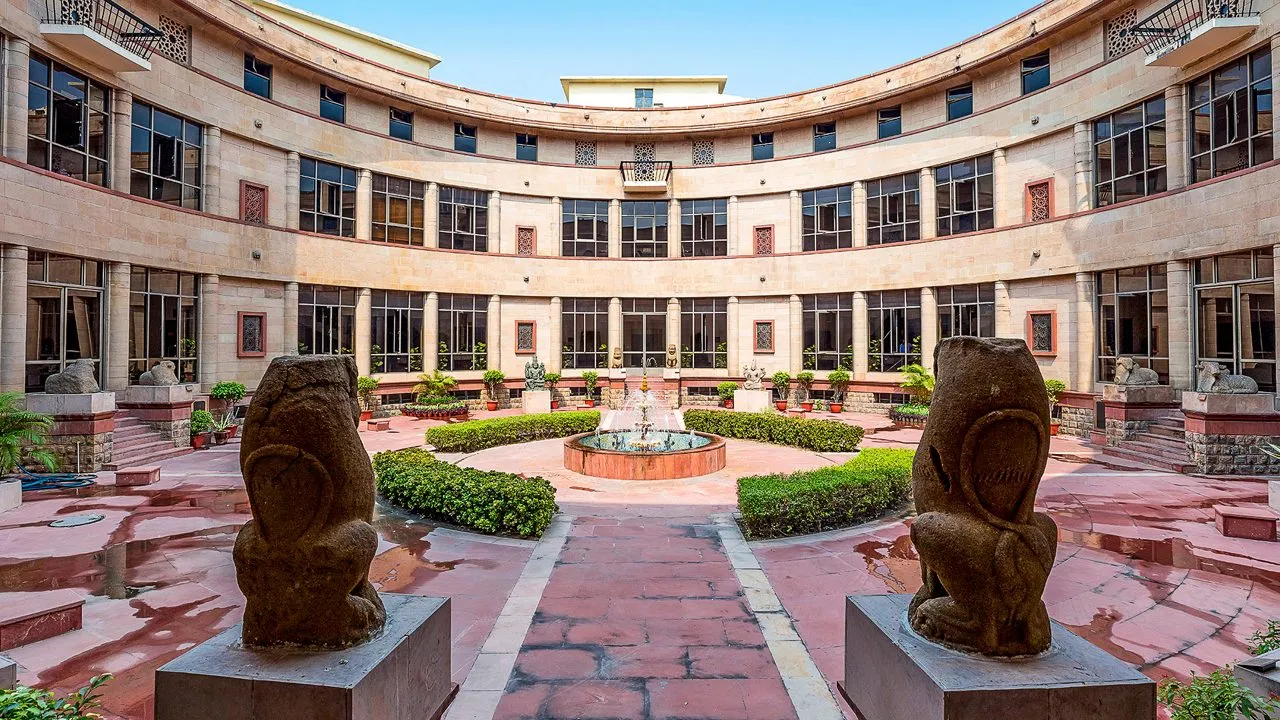
Do not expect European-style wall labels. The interpretive text is thinner than at the National Museum of India, and some displays have not been updated in years. If you want deeper context, hire a guide at the entrance or do your reading beforehand.
Getting there: The museum is on Museum Hill, about 10 minutes by taxi from Nairobi's central business district. Uber and local taxis are the most reliable options. Public transport exists but is confusing for first-time visitors.
Practical Information
Admission: KES 350 for Kenyan and East African adults, USD 9 for residents and rest of Africa, USD 18 for international visitors. Children: KES 200, USD 6, or USD 9 respectively. Combined museum and Snake Park tickets available. Payment via eCitizen, no cash.
Hours: Daily 8:30 AM to 5:30 PM, including public holidays and weekends.
Book tickets: museums.or.ke
Final Verdict: Who Is This Actually For?
Anyone interested in human evolution, East African cultural history, or contemporary Kenyan art. The fossil collections alone justify the visit for anyone who has stood in a European natural history museum and wondered where the African specimens were. Wahenga wa Sanaa adds a reason to visit that did not exist before December 2025, and it runs through 2027. The facilities are not luxurious, the curation can feel dated in places, and the admission price for international visitors has jumped with the 2026 revision. But the collections are irreplaceable, and the museum's role in Kenyan cultural life is growing, not shrinking.